Humidity and Your Wood Furniture: A Singapore Homeowner's Guide
For those of us living in Singapore, from the HDB corridors of Tampines to the high-rise condos of Punggol, our homes are sanctuaries against the relentless tropical climate. We manage the heat with air-conditioning around the clock, we plan our renovation budgets around the 9% GST, and we carefully measure our lift and corridor widths before every delivery. Yet, one of the most persistent and silent threats to our home environment, particularly our furniture, is the ever-present humidity. It is a factor that can warp, crack, and disfigure even the most well-crafted pieces, especially those made from solid wood. Understanding this relationship is not just about preservation; it is about making informed choices for a home that lasts. A few months ago, I visited a friend's resale flat in Bedok to help her unbox a new shoe cabinet, and the delivery crew pointed out that the corridor outside her unit was only 98 cm wide, which forced us to angle the 90 cm-deep unit sideways just to clear the lift door. It was a small reminder that in Singapore, every centimetre and every percentage point of humidity matters.
The Science of Swelling and Shrinking: Wood's Natural Response
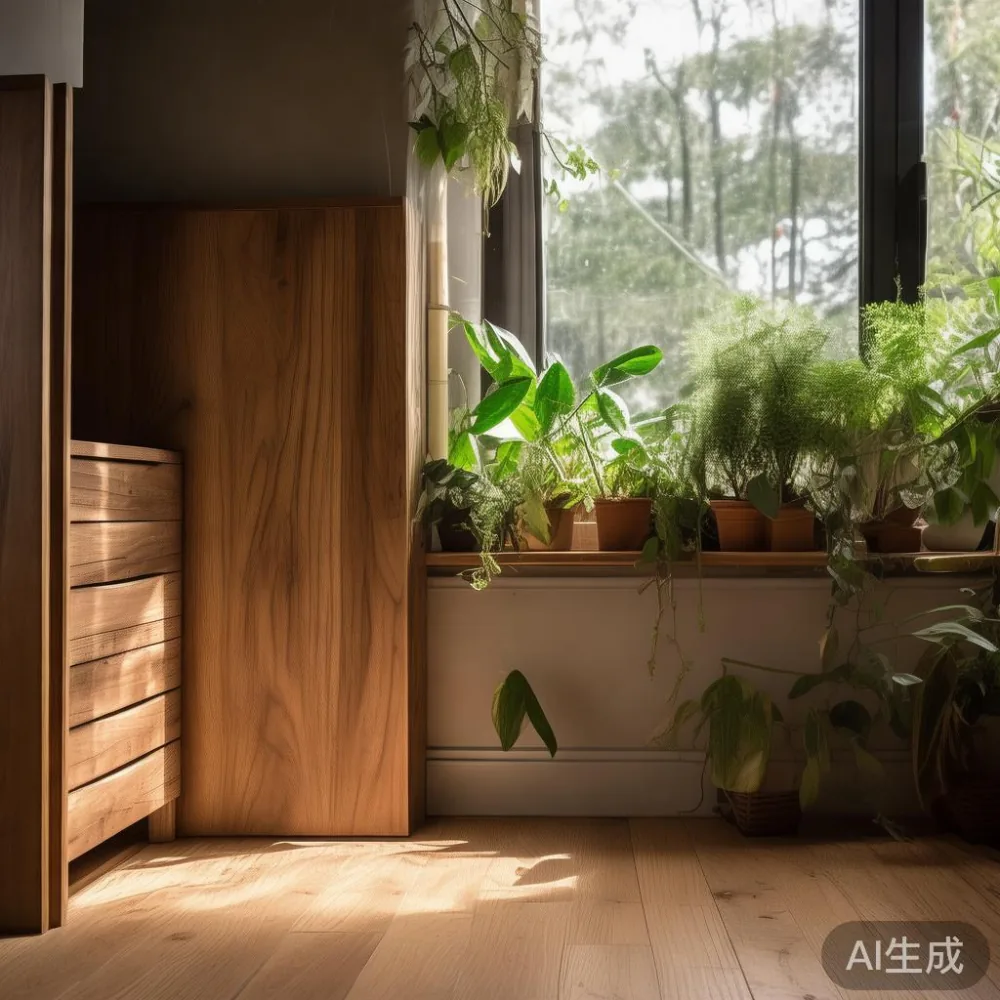
Wood is a hygroscopic material, which means it absorbs and releases moisture from the surrounding air. In Singapore, where relative humidity often hovers between 70% and 90% for most of the year, this process is constant. The moisture causes the wood fibres to swell, leading to expansion. Conversely, in air-conditioned rooms where humidity can drop to 40-50%, the wood releases moisture and contracts. This natural cycle is normal, but it becomes a problem when the rate of change is too rapid or extreme. For example, a solid wood dining table measuring 180 cm in length might expand by as much as 1.5 cm during the humid monsoon season. If this expansion is constrained by walls or other furniture, it can lead to unsightly cracks or a warped surface. This is why a well-made piece, such as a solid wood bed frame from a maker like MIDHILL, is constructed with techniques like floating panels and specific joinery that allow for natural movement without causing structural damage. The goal is to manage the wood's response, not to fight it.
How Singapore's Specific Climate Impacts Different Furniture Types
The impact of humidity is not uniform; it varies based on the type of furniture, its construction, and its placement in your home. Let us consider a few common examples that you might already own or be planning to buy.
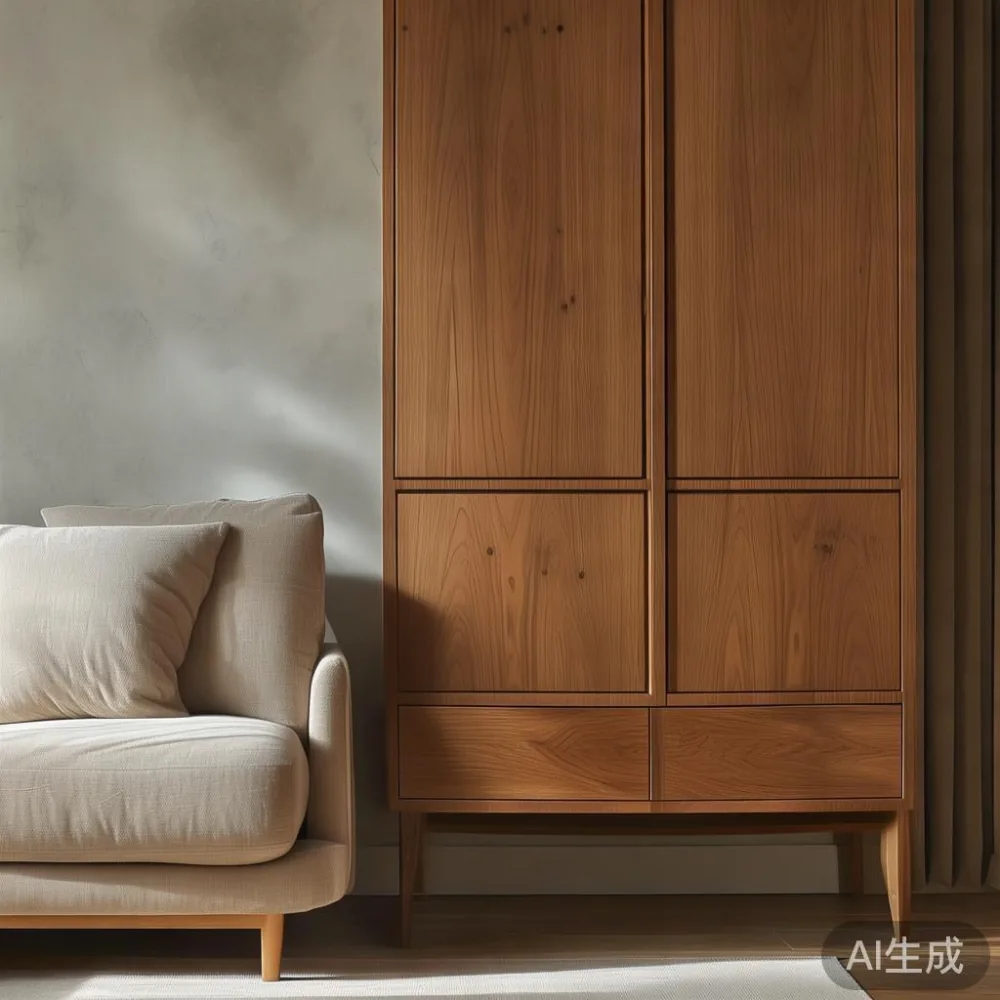
A solid wood sofa, for instance, is a large surface area exposed to the air. If the wood is not properly acclimatised before assembly or if the frame is made from multiple, tightly joined pieces without room for movement, you might notice the cushions fitting less snugly over time, or the frame itself developing creaks as the wood shifts. Similarly, a wardrobe, especially a large one in a bedroom without air-conditioning, is constantly subjected to fluctuating temperatures and humidity. This can cause the door to stick or not close properly as the frame expands and contracts. Nightstands and smaller pieces are less prone to dramatic warping but can suffer from surface issues like the wood grain becoming raised or rough to the touch. Marble tables also require attention: the wooden base beneath a marble top can expand at a different rate than the stone, which over 18 to 24 months can loosen the brackets if the piece has not been kiln-dried correctly. The key takeaway is that the larger and more solid the piece, the more critical its construction is for withstanding the local climate.
What is the difference between Nordic loveseat and modern furniture?
The difference between a Nordic loveseat and a generic modern furniture piece lies in construction philosophy: a Nordic loveseat typically uses solid wood frames (often oak or ash) with exposed joinery, breathable natural-fibre upholstery, and a design that intentionally accommodates wood movement, while mass-market modern furniture often relies on engineered wood, glued joints, and sealed surfaces that trap humidity and fail faster in tropical climates like Singapore's.
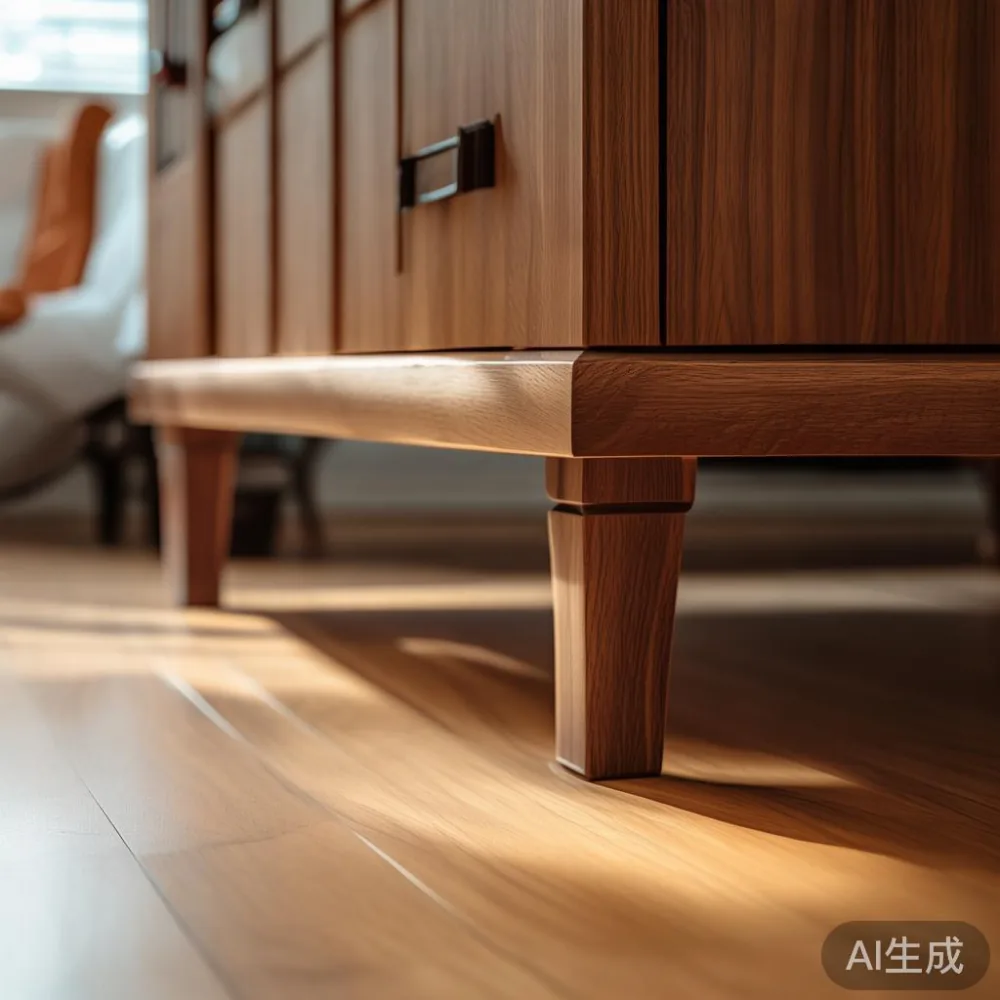
This distinction matters enormously in a place like Singapore. A Nordic-style loveseat weighing around 28 kg with a kiln-dried oak frame will outlast a flat-pack modern sofa weighing 22 kg but built with MDF and staples. The latter can delaminate within 12 to 18 months of constant 80% humidity, whereas the former, with proper care, can serve a household for 15 years or more. When you evaluate any piece, from a solid wood bed frame to a compact shoe cabinet, ask the salesperson about the moisture content of the wood and the type of joinery used. A dovetail or mortise-and-tenon joint is a good sign; a simple staple-and-glue construction is a warning.
The Role of Material Selection: Why Solid Wood is a Smart Choice
One might be tempted to think that engineered materials like laminate or veneer are better for humid climates, but this is a misconception. While they may seem more stable initially, they often fail in more dramatic ways. Laminates can delaminate from the substrate when moisture gets trapped underneath, and veneers can peel and crack at the edges. Solid wood, on the other hand, when sourced from the right species and crafted correctly, is remarkably resilient. Hardwoods like teak, oak, and walnut have dense grain structures that make them naturally more resistant to moisture absorption. For example, a teak nightstand will fare far better in a humid bathroom-adjacent space than a pine one. The price difference is significant: a solid teak nightstand might cost SGD 450, while a pine one could be SGD 180, but the longevity and resistance to warping justify the investment.
The key is the furniture maker's commitment to quality. A reputable brand will use wood that has been properly kiln-dried to a moisture content of around 8-10%, which is ideal for the indoor environment of Singapore. This process stabilises the wood before it is even made into furniture, ensuring it will adapt to your home's humidity levels gracefully over many years. MIDHILL, for instance, kiln-dries its solid wood for 4 to 6 weeks before production, which is one reason their pieces carry a 10-year structural warranty. That is a meaningful number when you consider that the average Singaporean keeps a wardrobe or bed frame for 7 to 10 years before upgrading.
Practical Maintenance Tips for Humid Conditions
Even the best furniture requires a little care to thrive in Singapore's climate. A few simple habits can significantly extend the life of your solid wood pieces, and they cost almost nothing to implement.
- Avoid placing furniture directly in front of air-conditioning vents or in direct afternoon sunlight. The rapid change in temperature and humidity is the most damaging condition. For example, placing a marble table next to a west-facing window where it gets full sun from 1 pm to 4 pm can cause the wooden sub-frame to expand and contract violently, potentially cracking the marble slab within a single year.
- Maintain a stable indoor humidity level between 45% and 60% using a dehumidifier. A basic dehumidifier costs around SGD 120 and can protect thousands of dollars' worth of furniture.
- Wipe surfaces weekly with a dry microfibre cloth. For deeper cleaning, use a damp cloth followed immediately by a dry one; never leave moisture sitting on the surface.
- Leave at least 2 to 3 cm of space between a wardrobe and the wall to allow air circulation. This prevents mould from forming on the back panel.
- Rotate the position of movable pieces like a nightstand every 3 to 4 months so that exposure to light and humidity is even.
- For a shoe cabinet specifically, place a small sachet of silica gel or activated charcoal inside the cabinet. Singaporeans often store dozens of pairs of leather shoes, and the combined moisture from shoes plus ambient humidity can raise the cabinet's internal humidity by 10-15%.
What should I look for when buying a shoe cabinet for an HDB or condo?
When buying a shoe cabinet for an HDB or condo in Singapore, look for solid wood construction with a kiln-dried moisture content of 8-10%, a depth that fits your corridor and lift dimensions (typically under 40 cm for most HDB lifts in Tampines and Bedok), adjustable internal shelving to accommodate everything from heels to trainers, and a back panel with ventilation gaps to prevent moisture build-up.
Beyond those basics, measure your entryway carefully. A typical HDB corridor measures 1.2 m wide, but the lift opening is often only 80 cm wide by 2.1 m tall, so a cabinet taller than 2 m will not fit vertically. Many homeowners in Punggol and Sengkang have learned this the hard way during move-in day. Also consider the door swing: a two-door shoe cabinet with soft-close hinges is safer in a narrow walkway than one with exposed metal hinges that can catch on a child's fingers. If you are choosing a piece with a light-luxury finish (think French light luxury or American country styling), make sure the painted or lacquered surface has been sealed with a moisture-resistant topcoat, otherwise the colour can cloud within 6 months of constant humidity exposure. For pet owners specifically, an American country headboard for pet owner often pairs well with a matching shoe cabinet, creating a cohesive look while using woods like oak that resist claw marks better than soft pine.
Choosing the Right Maker and Protecting Your Investment
A well-chosen piece of furniture is not just about comfort or appearance; it is a long-term investment. In Singapore, where the climate tests every joint and panel, the maker's reputation matters as much as the wood species. Look for brands that offer transparent warranties (MIDHILL, for example, provides a 10-year structural warranty and lifetime refinishing on its solid wood sofas, bed frames, dining tables, and wardrobes), ship free for orders above US$350, and allow a 14-day return window so you can test the piece in your actual home environment. That last point is underrated: a 14-day window is enough time to see how a shoe cabinet responds to your specific corridor humidity, which can vary by 5-10% between a ground-floor Tampines HDB and a 25th-floor Punggol condo.
When comparing prices, remember that a solid wood dining table at SGD 1,800 from a quality maker is often cheaper over 15 years than a SGD 700 engineered-wood table replaced twice. That is the real arithmetic of furniture in the tropics. Take the time to acclimatise new pieces by leaving them in the room for 48 hours before use, keep them away from direct airflow, and choose designs that respect the wood's natural movement. Your home, and your wallet, will thank you for it.