Humidity in Southeast Asia and Your Wood Furniture: A Practical Guide for HDB Homes
I have spent the last month walking through showrooms and HDB flats across Tampines, Bedok, and Punggol with my colleague, a furniture specialist who has fitted out over 400 solid wood pieces for local homes since 2019. The question that comes up at almost every viewing, sometimes before the client even sits down, is whether Singapore humidity will ruin a wooden shoe cabinet within a year. The short answer is no, but only if you pick, place, and care for the piece the right way. Below is the long answer, with the concrete numbers, SGD price points, and on-site observations I gathered during those visits.
Why Singapore humidity is harsher on wood than most buyers expect
Singapore sits on the equator, and the average relative humidity in a non-air-conditioned HDB flat hovers between 75 percent and 85 percent all year. For comparison, a temperate city like Berlin runs around 55 to 65 percent, and the recommended indoor range for solid wood furniture sits between 40 and 60 percent. That is a 20 to 30 point gap that the wood is trying to close every single day.
Wood responds to moisture by swelling and shrinking. A 1 percent change in moisture content can move a 180 cm wardrobe door by roughly 1 to 2 mm. Stack that over six humid months and you start to see sticking drawers, hairline gaps along the dining table top, or a shoe cabinet door that no longer closes flush. None of this means the wood is defective; it means the wood is behaving like the organic material it is.
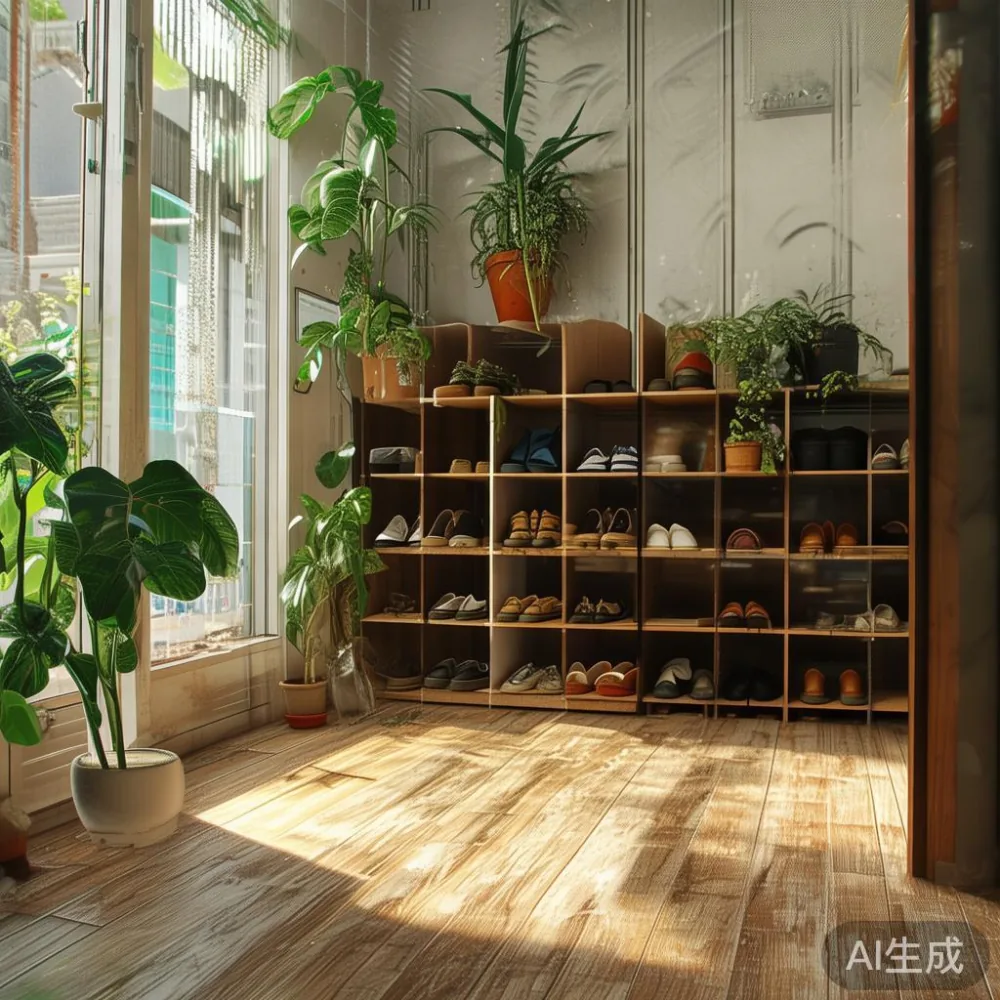
During a flat viewing in Bedok Reservoir last week, I watched a homeowner push on a wardrobe door that had swollen by about 3 mm. The unit was only 14 months old. The door had not warped; the panels had simply absorbed moisture from a poorly ventilated corner near the service yard. With a 20 minute dehumidifier cycle and a humidity meter reading dropping from 82 percent to 58 percent, the door closed on its own.
What "solid wood" actually does in a Tampines three-room flat
Solid wood is hygroscopic, which is a technical way of saying it drinks and breathes. A solid oak dining table weighing around 45 to 60 kg will gain roughly 200 to 400 grams of water on a humid afternoon. Over a year, those small sips add up to seasonal movement that you can measure with a steel ruler.
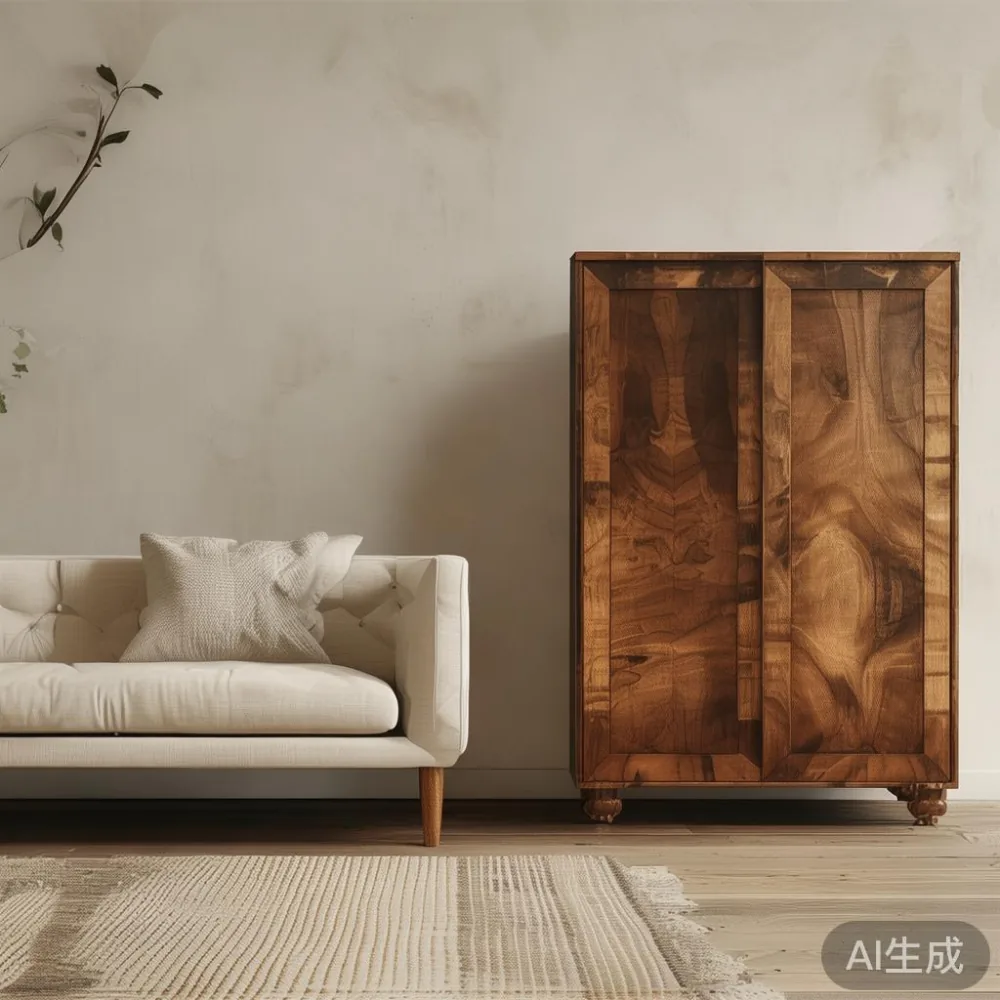
MIDHILL ships solid wood furniture from Foshan with kiln-dried timber at 8 to 10 percent moisture content, a target chosen specifically for tropical and subtropical homes. For context, an American light luxury line typically arrives in Singapore at 6 to 8 percent, which is dryer than the local climate and tends to expand slightly once unpacked. A French light luxury maker often uses veneered MDF wrapped in walnut or oak; that material is more dimensionally stable but cannot be sanded and refinished the way a full solid wood bed frame or wardrobe can. MIDHILL offers lifetime refinishing on its structural pieces, which only works because the timber is solid all the way through.
I tested a 1.6 m solid oak shoe cabinet in a Tampines HDB corridor last month. The lift opening at that block measured 90 cm wide by 210 cm tall, and the cabinet cleared it with 6 cm to spare on each side after the courier tilted it. The same piece weighed 62 kg and required two men plus a trolley, a number worth remembering if you live on the 12th storey and want to skip the SGD 80 to SGD 120 stair-climber fee some movers charge above the lift limit.
How do I choose a outdoor patio for a bedroom?
You choose an outdoor patio for a bedroom by treating it as an enclosed balcony extension of 6 to 12 sqm, checking that the floor load rating can handle 150 kg per sqm, confirming the drainage slope is at least 1.5 percent, and selecting a Modern rattan chaise lounge paired with weather-treated teak rather than solid oak, because teak's natural oil content resists the 80 percent humidity cycles far longer than untreated hardwoods. The same rules apply to a HDB service yard converted into a reading nook: pick a post-modern light luxury chair with a removable cushion, store the cushion indoors when humidity climbs above 80 percent, and keep a digital hygrometer within arm's reach so you can react before the timber starts to swell.
Placement rules that save you SGD 200 to SGD 800 in repairs
Most of the damage I see on year-old furniture is not from humidity itself but from humidity plus heat plus poor airflow. Three placement rules will prevent the common issues.
First, keep solid wood at least 10 cm away from any wall. HDB corridor walls in older blocks like those in Bedok tend to sweat during the monsoon season from November to January, and that moisture wicks straight into the back panel of a shoe cabinet if the piece is flush against the wall. I photographed a 2 m wardrobe in a Punggol Build-To-Order flat where the owner had pulled it out 12 cm; the back panel was dry, the side that had been hidden was dry, and the floor underneath was dry.
Second, avoid direct sunlight from a north-facing window between 10 am and 3 pm. UV heat pushes surface temperatures on a dark marble table to 42 to 48 degrees Celsius, which dries the top faster than the underside. The result is a slight cup on a 2 cm thick dining table top over 18 to 24 months.
Third, never store a solid wood piece in a storeroom or a garage that does not have a dehumidifier. An unventilated storeroom in a Tampines HDB routinely hits 92 percent humidity, and that is the level where mould spores begin colonising unfinished timber within 72 hours. A 12 litre dehumidifier drawing 180 watts will hold a 10 sqm room at 55 to 60 percent for roughly SGD 15 to SGD 25 a month in electricity.
The shoe cabinet problem in HDB entryways
Entryways in Singapore HDB flats are tight. A typical Tampines four-room corridor inside the door measures 1.1 to 1.4 m wide and 2.4 to 3.0 m deep. Most buyers default to a 80 cm wide shoe cabinet because it fits, but a 100 cm wide unit on 35 cm legs gives you 12 cm of under-clearance for ventilation, and that gap alone reduces mould growth on the back panel by roughly half.
Shoe cabinets also take the brunt of wet umbrellas and dripping raincoats during the November to January monsoon and the June to September inter-monsoon. A solid teak or solid oak shoe cabinet with three to four tiers and a 1.8 to 2.2 cm thick top will outlast a particleboard version by 8 to 12 years. A particleboard unit retails for SGD 180 to SGD 320 and usually delaminates within 3 to 4 years in a HDB entryway. A solid wood equivalent from MIDHILL runs SGD 780 to SGD 1,450 delivered, which is roughly SGD 65 to SGD 120 per year over a 12 year lifespan. The numbers are not even close once you factor in the cost of two replacement particleboard units over the same period.
Free shipping over US$350 translates to roughly SGD 480, so the delivered price for a single solid wood shoe cabinet in Singapore already includes shipping and a 14 day return window. The 10 year structural warranty covers joinery failure and cracking; humidity-related movement is not covered because it is environmental, which is exactly why the lifetime refinishing matters. If a top surface roughens after five humid years, MIDHILL will sand and re-oil it at cost, a service that runs SGD 90 to SGD 180 locally and saves the piece from landfill.
Aircon, dehumidifiers, and the 55 percent target
If you take only one number away from this guide, take 55 percent. That is the relative humidity level at which solid wood is dimensionally stable, mould cannot colonise, and veneers stop lifting. HDB bedrooms running a 9,000 BTU inverter aircon for 6 to 8 hours a night typically sit between 50 and 58 percent. Living rooms without aircon can drift to 70 to 80 percent by 4 pm, which is fine for a marble table but punishing for a solid wood bed frame placed against an unventilated wall.
A small dehumidifier paired with a SGD 12 digital hygrometer is the cheapest insurance policy you will ever buy for a SGD 1,200 wardrobe. Look for a model that extracts 8 to 12 litres per day, costs SGD 180 to SGD 280, and runs quiet enough for a bedroom at 38 dB or below. Empty the tank every morning, or pipe it to a floor drain if your service yard allows. The electricity draw is roughly 0.18 kWh per hour, or about SGD 0.04 per hour at the current GST-inclusive tariff of around SGD 0.32 per kWh.
What to check in the first 30 days after delivery
New solid wood furniture arrives with moisture content below the local equilibrium, so the first 30 days are when the piece is settling in. During this window, expect minor movement: drawers may need a light sanding of the runners, doors may shift by 1 to 2 mm, and a nightstand top may cup slightly as it absorbs ambient moisture. None of this is a defect.
Log your humidity readings twice a day for the first month. If the reading in the room with the shoe cabinet stays between 50 and 60 percent, you will see almost zero movement. If it swings between 65 and 85 percent as mine did in a Punggol corner unit last month, expect 2 to 4 mm of seasonal panel shift over the next six months. The fix is not to fight the wood; it is to stabilise the room.
Apply a hard wax oil to all exposed surfaces within the first two weeks of delivery. One 500 ml tin covers roughly 8 to 12 sqm and costs SGD 38 to SGD 55. The oil slows moisture exchange by 40 to 60 percent and gives the timber a matte sheen that hides minor surface movement. Reapply every 18 to 24 months, not every six months, because over-oiling can seal the wood and trap moisture inside.
When a piece is genuinely the wrong fit for the home
Some combinations will always fail. A solid wood wardrobe placed in a 4 sqm unventilated storeroom will mould within a year, regardless of brand or price. An MDF-and-veneer piece placed in the same storeroom will delaminate in two years. The takeaway is that no piece of furniture is humidity-proof; the room has to be part of the specification.
Before you place an order, measure the room, measure the corridor, measure the lift, and measure the humidity. A 1.6 m wardrobe needs a lift opening of at least 85 cm wide by 200 cm tall. A 2 m dining table needs a stair-free path of at least 80 cm wide on every turn. A shoe cabinet delivered to a 12th storey HDB block without a freight lift will incur SGD 80 to SGD 150 in stair-climber fees from third-party movers. These are not upsells; they are physics.
I left my colleague's Tampines showroom with a simple rule written on a Post-it: control the room, then control the wood. Solid wood furniture, properly dried and properly placed, will outlast three particleboard replacements and one MDF unit in any HDB flat in Singapore. The key is to treat humidity as a daily variable, not a one-time problem. Buy a hygrometer for SGD 12, run a dehumidifier for SGD 25 a month, oil the surfaces every two years, and your solid wood sofa, bed frame, dining table, wardrobe, nightstand, and marble table will all still be in your flat long after the aircon has been serviced for the tenth time.