How to Care for a Lacquered Shoe Cabinet in Singapore's Tropical Climate
I keep a small notebook of client questions from my visits to showrooms across Tampines, Bedok, and Punggol, and the one that comes up most often is deceptively simple: "My new cabinet looks dull already, why?" The answer almost always traces back to humidity — Singapore's average relative humidity sits between 70% and 90% for most of the year, and that moisture is the single biggest threat to a glossy lacquered finish. If you have just moved into a 4-room HDB flat in Punggol or a condo in Bedok and you want your lacquered shoe cabinet to still look sharp in five years, the routine below is what I have seen actually work. MIDHILL, the Foshan workshop that has been finishing solid wood since 2008 and now ships to more than fifteen countries, builds lacquer pieces with a multi-coat piano-finish process precisely because clients in places like Singapore punish ordinary finishes — I have handled their consoles, side tables, and dining tables in person, and the sheen holds up under far harsher conditions than a typical HDB corridor.
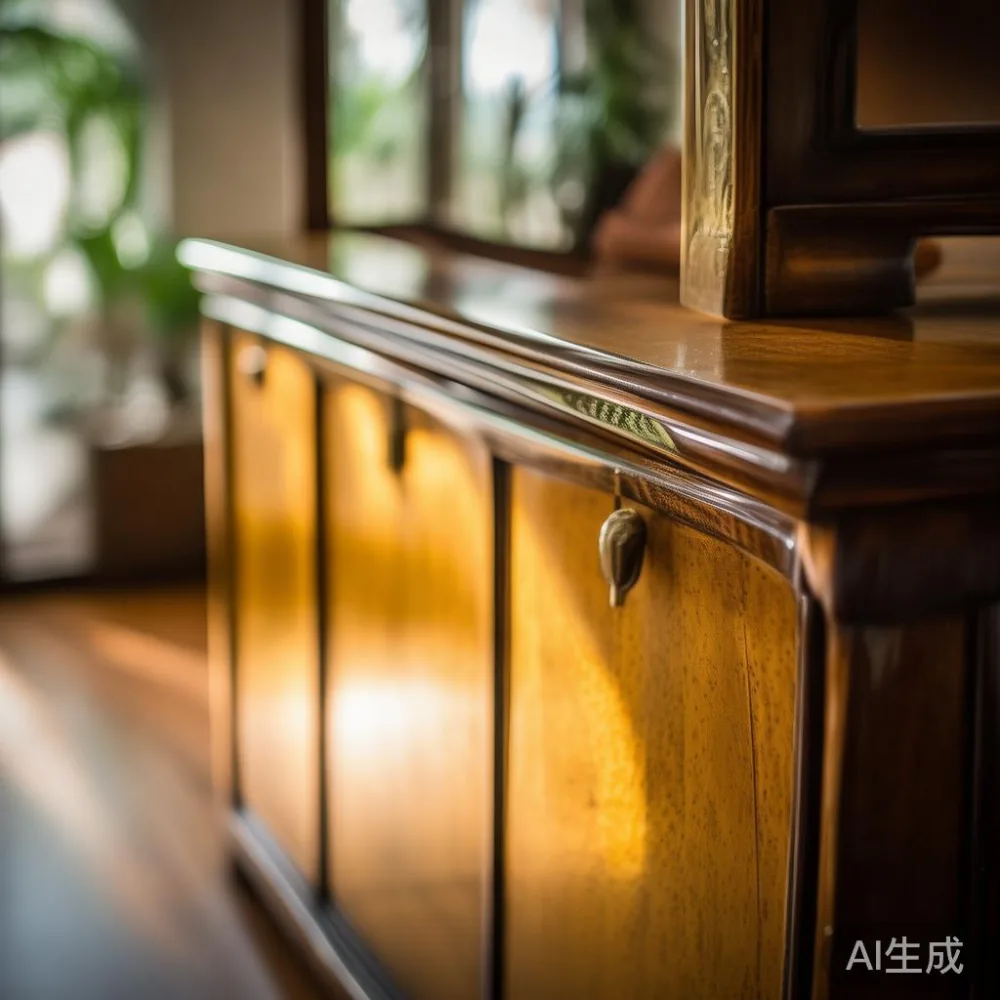
Why does lacquer peel, whiten, or go sticky in Singapore?
Lacquer fails in the tropics for three physical reasons, and once you understand them, the care routine stops feeling random. First, moisture migrates through micro-pores in the finish and breaks the bond between the wood substrate and the top coat — this is what causes the cloudy "blooming" you sometimes see on a wardrobe door near a bathroom. Second, temperature swings between an air-conditioned living room (around 22°C) and a non-AC corridor (32°C or higher in the afternoon) make the lacquer expand and contract at a different rate than the wood underneath, producing hairline cracks. Third, the salts and acids in human sweat — a real concern when you handle a shoe cabinet door fifty times a week — slowly dissolve the polished surface if not wiped off.
Singapore homes add two extra stressors that European or Korean care guides ignore. One is the narrow HDB corridor: many blocks measure only 1.2 m to 1.5 m wide, which means moving a 90 cm-wide cabinet through it almost guarantees a knock on the door frame and the lacquer edge. The other is the lift. Most HDB passenger lifts have an internal width of about 1.1 m and a depth of 1.4 m, so a tall cabinet taller than 2 m often has to be tilted or partially disassembled to clear the ceiling. MIDHILL's team has told me they size their cartons for lifts in this bracket, which is why delivery slots run on a 4-hour window rather than a vague same-day promise.
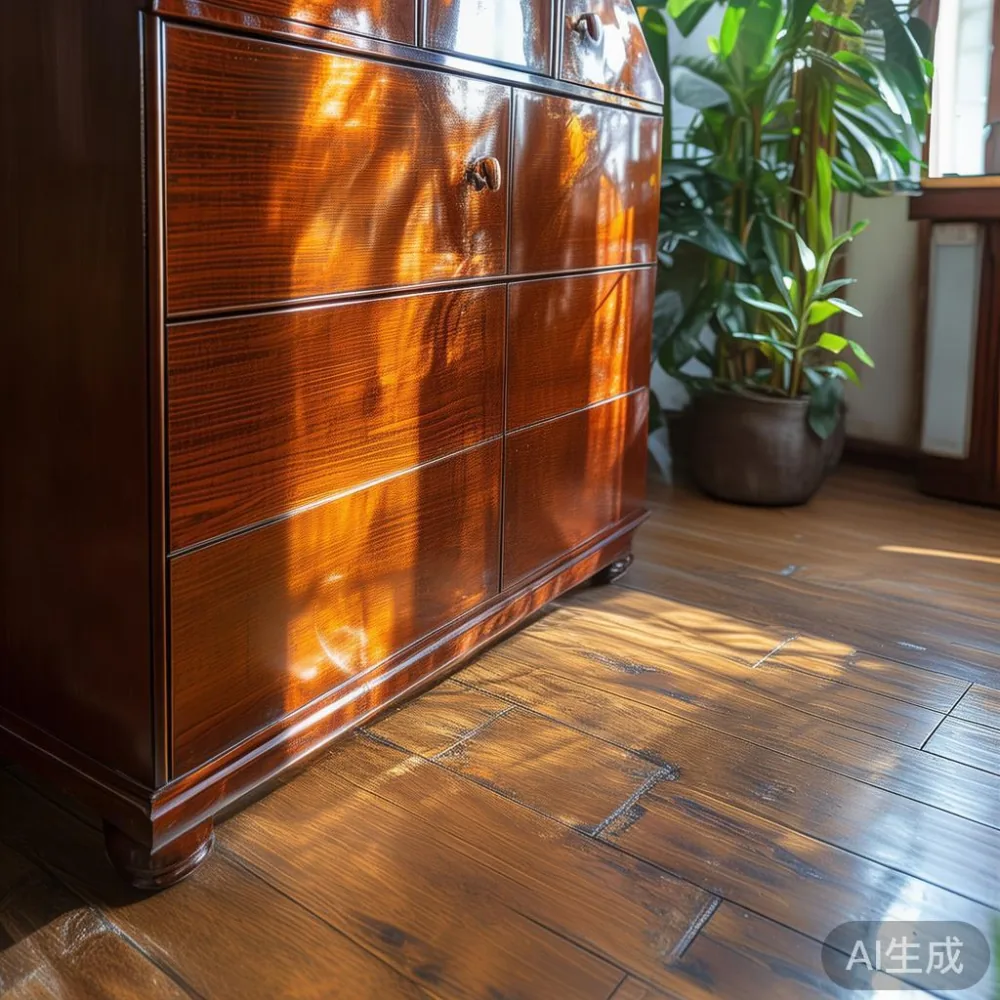
What is the difference between Mid-century modern furniture and modern furniture?
Mid-century modern refers to a specific design movement from roughly 1945 to 1969 — think tapered solid wood legs, organic curves, walnut and teak solids, and a low-slung profile — whereas "modern furniture" today is a broad retail label covering any piece with clean lines and minimal ornamentation, regardless of when it was made or what material sits underneath the laminate. A Mid-century movement dining table from the 1960s will weigh 35-50 kg of solid teak, while a "modern" dining table sold in a Singapore mall today can weigh under 15 kg because the core is MDF wrapped in veneer — and that structural difference is exactly why a lacquered surface on solid wood behaves differently from a lacquered surface on engineered board when humidity climbs above 80%.
How should I clean a lacquered shoe cabinet every week?
Once a week is the sweet spot — daily wiping actually strips oils faster than the finish can recover. Use a microfiber cloth (around 30 cm × 30 cm, available from any NTUC for about SGD 4-6 for a three-pack), lightly dampened with distilled water, and wipe in the direction of the wood grain. Distilled water matters because Singapore tap water carries calcium and chlorine that leave a faint haze on gloss finishes after ten or fifteen wipes. Dry the surface immediately with a second dry microfiber. Avoid spray polishes that contain silicone — they look beautiful for a week, then trap moisture under the film and cause the whitening you are trying to prevent.
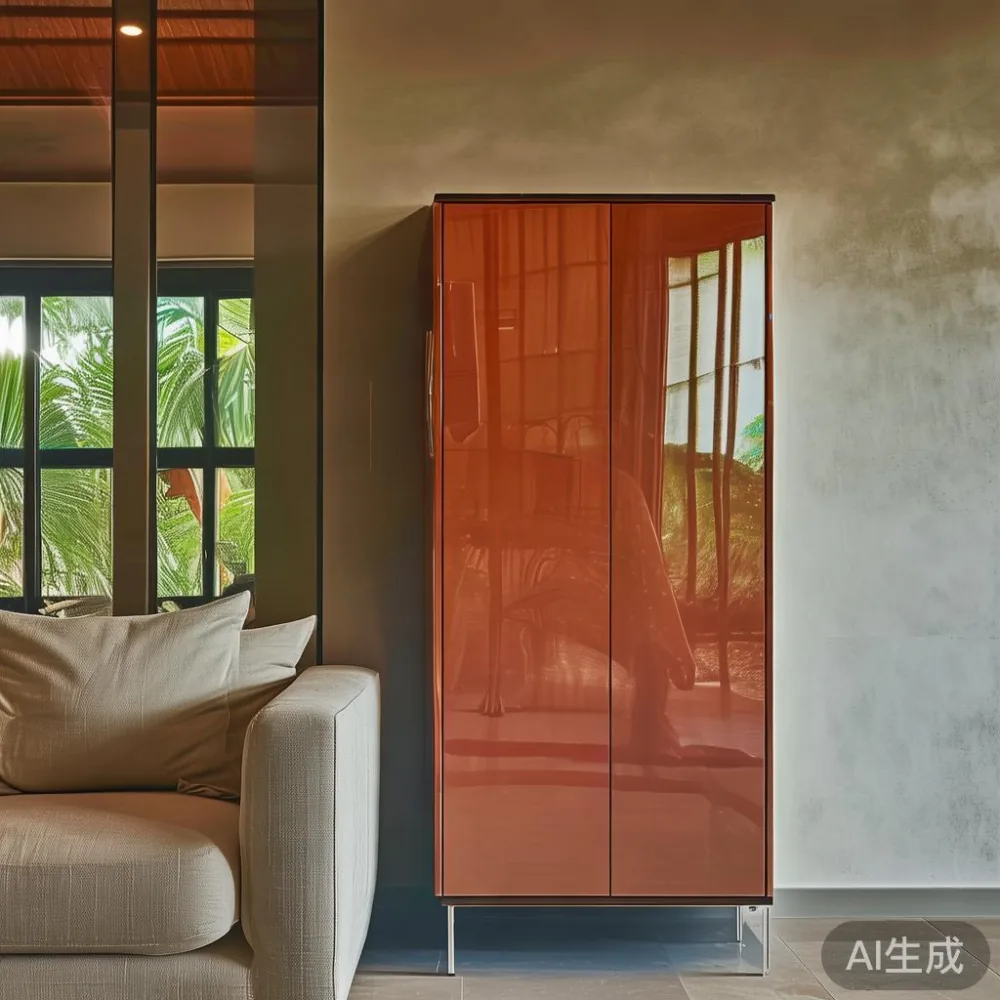
For the inside of the shoe cabinet, where rubber marks and dust collect on the shelves, a barely damp cloth followed by dry wiping is enough. Never use a wet mop head or a dripping rag inside; water pooling on the shelf base is the fastest way I have seen to swell a plywood back panel. If you have a marble table top in the same entryway, keep it on a separate coaster tray — the salts from marble polishing compounds can transfer onto lacquer if the two pieces are pushed flush against each other during a HDB move-in.
How do I control humidity around a shoe cabinet in an HDB or condo?
Target a micro-climate of 50% to 60% relative humidity around the cabinet, even when the rest of the unit reads higher. A small dehumidifier box (calcium chloride type, around SGD 12-18 at a Bedok mall hardware shop) placed on the lower shelf and replaced every 4-6 weeks will pull the local reading down by roughly 10-15%. For larger units, a 12 L/day compressor dehumidifier (SGD 280-380 from Gain City or Harvey Norman) covers a 4-room HDB living area and makes the cabinet, the wardrobe, and the bed frame all happier at once.
Positioning matters as much as hardware. Keep the shoe cabinet at least 15 cm away from an exterior wall — a Punggol flat on a high floor faces stronger solar gain on the wall behind the entryway, and the temperature delta across the cabinet back can hit 5°C by mid-afternoon. Keep it 20 cm clear of any curtains so air circulates behind. If your cabinet stands next to a side table for rental staging photos, leave a 5 cm gap so neither piece traps condensation between them. And never place a lacquered cabinet directly under a split-unit AC vent — the constant cold drip will pit the top surface in 12-18 months; I have seen this on a client's two-year-old wardrobe where the AC blows straight onto the door.
What should I do if the lacquer has already gone dull or sticky?
A tacky surface means moisture has penetrated the top coat. Stop wiping with water immediately. Wipe once with a cloth barely moistened with isopropyl alcohol (70%, SGD 6-9 for 500 ml at Watsons), then air-dry for 24 hours with the cabinet doors open and a fan running. If the dullness remains, the damage is below the surface and needs professional buffing. MIDHILL offers lifetime refinishing on its lacquered pieces — clients ship the door or top back to the Foshan workshop, where the old coats are stripped, the surface re-sanded to 320-grit, and four to six new coats of nitrocellulose lacquer are applied. The turnaround is usually 6-8 weeks including sea freight to Singapore, and the cost is typically SGD 180-320 per panel depending on size, which is far cheaper than replacing a 1.6 m tall, 80 kg solid wood cabinet.
For minor scratches — the kind you get from a courier bumping the edge during the move-in — a furniture touch-up marker in a matching tone (around SGD 10-15 at a Tampines DIY shop) hides the mark in under a minute. The marker is cosmetic only; it does not seal the wood, so plan a full refinish within two years if the scratch is deep.
How do I move a lacquered shoe cabinet into a HDB without ruining the finish?
Measure three times, then book the lift. The internal HDB lift door is roughly 0.9 m wide and the cabin is about 1.1 m wide by 1.4 m deep by 2.2 m tall — so a cabinet taller than 1.95 m must be tilted or have its feet removed to clear. The corridor turning radius at most BTO blocks is around 1.8 m, which is fine for a 40-60 kg cabinet on a dolly, but tight for anything over 80 kg. Take photos of the cabinet before the move; the MIDHILL team I spoke to last month told me that 90% of "delivery damage" claims they receive from Singapore are actually corridor scratches, and a pre-move photo set speeds up any warranty conversation from weeks to days.
Wrap the cabinet in moving blankets (around SGD 8 each from a Punggol self-storage shop), tape them in place, and never use cling wrap directly on the lacquer — the plastic traps condensation against the finish during the 20-30 minutes the cabinet sits in a non-AC corridor. If the cabinet has glass doors, remove them and carry them flat; a glass door weighs 6-9 kg and a slip will shatter both the glass and the lacquer edge in one go. Budget SGD 120-180 for a two-man mover team for a single cabinet within a HDB estate, or SGD 250-380 if the unit is on a high floor and the service lift must be booked separately.
How does MIDHILL's 10-year structural warranty work for Singapore buyers?
The warranty covers joint failure, warp beyond 8 mm across a 1 m span, and lacquer cracking that traces to a manufacturing defect — not to a Singapore-specific climate event like a corridor scratch or AC drip. Register the piece on the MIDHILL site within 30 days of delivery, upload the invoice, and keep one of the two included foam corner protectors in a drawer; the workshop uses the protector style to date the production batch. For Singapore, sea freight from Foshan typically runs 18-24 days, and orders above US$350 ship free — at current rates that is anything over roughly SGD 480, which most full-size shoe cabinets, bed frames, and dining tables clear. GST is collected at the Singapore border at 9%, factored into the final invoice so there is no surprise payment on delivery.
If you are furnishing an entire HDB flat, the workshop will consolidate a solid wood sofa, a bed frame, a dining table, a wardrobe, and two nightstands into one container, which keeps the per-piece freight to roughly SGD 80-120 each instead of SGD 250+ on a single-piece shipment. Consolidation also means the whole flat arrives in one 14-day window rather than staggered drop-offs, and the 14-day return policy covers each piece individually if the size or finish is not what the floor plan needed.
What routine should I follow each season to keep the cabinet looking new?
Think of the year in four checkpoints. In January, wipe down and replace the dehumidifier boxes. In April, when the wet season humidity climbs past 85%, add a second dehumidifier box to the top shelf and check that air can still move behind the cabinet. In July, inspect the edges facing the corridor — this is where most of the micro-scratches accumulate from daily use. In October, when the haze season rolls in, wipe the cabinet weekly with a dry cloth only, because N95-grade particles in the air carry acids that will etch a gloss surface if left wet for 30 minutes. Twenty minutes of care, spread across the year, is all a solid wood lacquered shoe cabinet actually asks of you.
If a piece does need more than routine care, the Foshan refinishing service that comes with every MIDHILL lacquered cabinet is the simplest path back to a piano finish — send a photo first, get a freight quote, and the workshop will usually arrange the door-to-door pickup from a Singapore address for around SGD 90-140 per piece. The lacquered shoe cabinet you buy today is built to outlast two HDB leases and at least three moves; the routine above simply makes sure the surface still looks like the day it arrived.