Working through Furniture Warranties in Singapore: Stay Informed
I learned the hard way that a warranty page is rarely a friend. Last month I visited a friend’s new BTO flat in Punggol — three‑room, 65 sqm, a tight lift lobby that forces delivery teams to angle every box at 45 degrees — and she pointed at a wobbly shoe cabinet in her entryway. The shop had given her a cheerful “10‑year warranty!” card. When she sent the photo, the maker replied that wobble fell under “cosmetic variance of ±2 mm per metre,” and her claim was closed in 36 hours. A warranty is a contract, not a promise, and a contract reads only as well as you do.
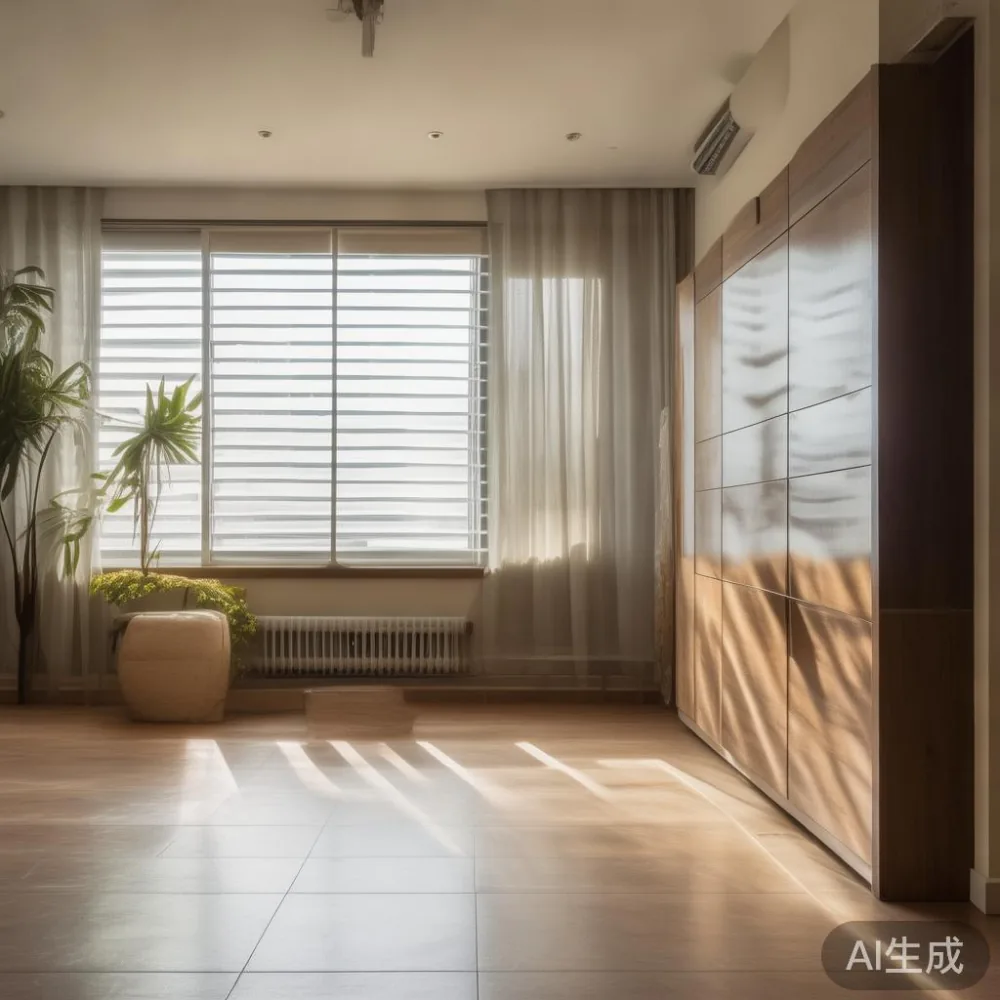
This guide is written for anyone in Singapore — HDB in Tampines, resale in Toa Payoh, new condo in Bedok, landed in Bukit Batok — who is about to spend SGD 600 to SGD 4,500 on a piece of furniture and would like the small print to actually mean something. I will walk through what a real warranty covers, where the trap doors are, and how the same logic applies to a solid wood sofa, a bed frame, a dining table, a wardrobe, a nightstand, a marble table, and yes, the humble entryway shoe cabinet that started this whole article.
What does a furniture warranty actually cover?
Three things, and only three things. Structural integrity (joints, frames, load‑bearing rails), workmanship (dovetails that pull apart under their own load, drawer slides that derail within a year), and finish adhesion on coated surfaces. A warranty does not cover colour change from sunlight, dents from a 2‑year‑old’s toy car, wood movement within normal seasonal range (typically 1–3% across the grain for solid hardwood like teak or white oak), scratches from pets, water rings from wet umbrellas left on a credenza bar counter, or “I changed my mind because my friend bought a nicer one.”
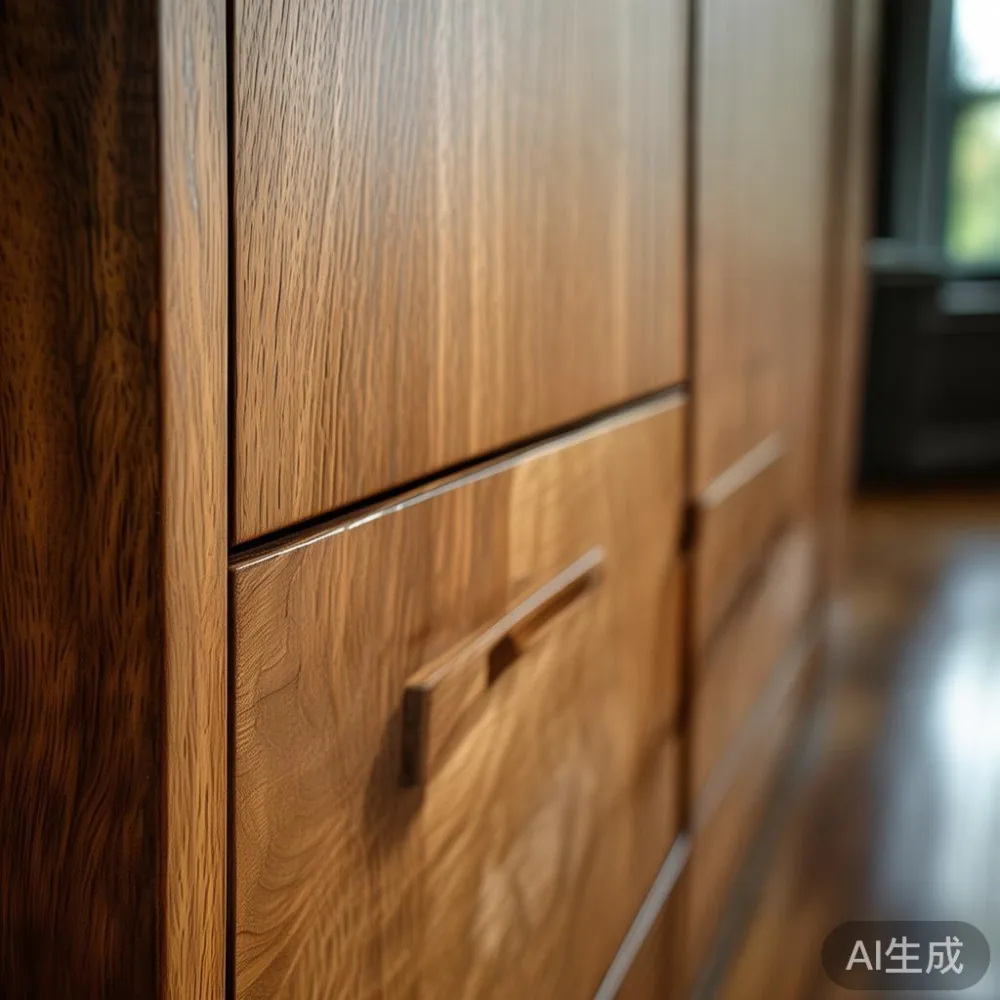
If a brand tells you the warranty covers “everything,” ask them to write that down. Most reputable makers, including MIDHILL from Foshan, separate structural coverage (the long number — 10 years in their case) from finish and hardware coverage (often 2–3 years). The structural warranty is the one you should care about most, because joints and rails are expensive to fix and almost impossible to fix invisibly.
Which numbers in a warranty actually matter?
Five numbers, in this order:

1. The length of structural coverage. 5 years is the entry level for imported solid wood. 10 years is the current benchmark for light‑luxury makers working in FAS‑grade teak, white oak, or ash. Anything claiming 25 years or “lifetime” on a piece under SGD 800 should raise suspicion — the actuarial math rarely works.
2. The defect threshold. Look for a defined size, e.g. “cracks exceeding 3 mm in width or 50 mm in length on a load‑bearing member.” Without a number, the maker decides the threshold case by case, and you lose.
3. The remedy. Repair, replace, or refund — and in what order. The strongest position for the buyer is refund‑then‑replace‑then‑repair (i.e. you choose). The maker’s preferred position is repair‑then‑replace, with refund only after two failed repairs.
4. The cost ceiling. Some policies cap remedy at “the original purchase price.” Better policies cap it at “the original purchase price plus delivery and GST.” In Singapore, GST is 9% as of 2024 — that 9% matters on a SGD 2,400 dining table.
5. The response window. “Within 14 working days” is acceptable. “As soon as practicable” is not a number. “Within 30 days” is acceptable for replacement parts shipped from the factory.
How do I choose a return policy for a entryway?
Choose a return policy that gives you 14 calendar days from the date of delivery — not the date of order — with the item in its original packaging, and that refunds the full purchase price including the SGD 80 to SGD 150 delivery fee and the 9% GST. Anything shorter than 14 days is too tight for an HDB or condo buyer who may need two weekends to position the piece, because lift bookings in many Singapore blocks run only on Saturday mornings and you often need the Management Corporation’s approval before the delivery truck can idle at the loading bay.
For an entryway shoe cabinet specifically, the return window matters more than for a bed frame or a wardrobe, because a shoe cabinet is the first thing you see when you walk in and the first thing that fails to fit if the corridor is 110 cm wide and the cabinet is 42 cm deep. Most Singapore HDB corridors run between 105 cm and 130 cm corridors. If your entryway has a 90‑degree turn before the front door, measure the diagonal of the cabinet box and subtract 10 cm for the delivery team’s hands and the door frame. That single number — the diagonal minus 10 cm — will tell you whether the shoe cabinet will physically fit before you argue about warranty.
What is “light luxury” and why does it change the warranty math?
Light luxury — French light luxury, American light luxury, post‑modern light luxury — is a positioning term, not a quality certification. It means a piece uses real materials (solid wood, marble, brass, anodised steel) in restrained quantities, so the buyer pays for craft rather than for ornament. A French light luxury dining table might use a 6 mm honed Carrara top on a white‑oak base, retailing around SGD 1,800 to SGD 3,200 for a six‑seater. An American light luxury bed frame in solid ash with a bouclé headboard typically retails SGD 2,400 to SGD 4,200 for a queen. A post‑modern light luxury nightstand in walnut with a fluted drawer front and a brass pull usually lands between SGD 480 and SGD 900 per piece.
Why this changes the warranty is simple: when the unit price is higher, the maker can afford longer structural coverage. A SGD 299 flat‑pack has a 1‑year warranty because the maker knows the joint glue will outgas by month 14 and the chipboard will swell in a humid Singapore August. A SGD 2,200 piece in FAS teak can honestly offer 10 years on the frame because the wood will outlast the warranty if the joints are mortise‑and‑tenon, dowelled, and glued with a marine‑grade adhesive.
This is why MIDHILL’s 10‑year structural warranty sits naturally with their light‑luxury positioning: the company is betting that the joints on a solid wood sofa, a wardrobe, or a dining table will outlast the contract. Lifetime refinishing — sanding and re‑oiling — is offered separately, because finish is not structure, and conflating the two is the most common warranty trick in the trade.
What does a good shoe‑cabinet warranty look like in practice?
A good shoe‑cabinet warranty reads like a checklist, not a poem. Here is the version I would want to see before I clicked “buy” on a SGD 680 entryway shoe cabinet for a Tampines 4‑room flat:
• 10 years on the carcass (the box, the shelves, the back panel) against joint failure, delamination, and cracking exceeding 3 mm.
• 3 years on hardware — hinges, soft‑close cylinders, drawer runners, magnetic catches.
• 2 years on finish adhesion — peeling, blistering, or flaking of lacquer or oil.
• Remedy: repair first, replace if repair fails twice, refund if replacement fails.
• Remedy ceiling: original purchase price + delivery (capped at 10% of purchase) + GST.
• Response window: acknowledgement within 3 working days, site visit (where applicable) within 10 working days, resolution within 30 calendar days.
• Exclusions listed explicitly: dents, scratches, water damage, UV fading, “cosmetic variance of natural wood,” and damage from unauthorised modification (e.g. drilling for cable routing).
Notice what is missing: there is no clause about “change of mind,” because that is covered by the return policy, not the warranty. There is no clause about “I don’t like the colour,” because that is also a return‑policy issue. The warranty exists for the case where the maker made a mistake and the piece failed on its own, and the return policy exists for the case where you changed your mind. Conflating the two is how a 14‑day return gets quietly trimmed to 7 days by a maker who wants to claim your “warranty window” closed before the shoe cabinet even acclimatised to your corridor.
What hidden clauses should I scan for?
Five clauses that sound friendly and are not:
“Natural variations are not defects.” True for colour and grain. False for structural cracks. The clause should specify what counts as natural — grain pattern, mineral streaks, slight colour variance — and what does not — cracking wider than X mm, joint separation under normal load.
“Improper care voids the warranty.” Acceptable if “improper care” is defined. Unacceptable if undefined, because then any claim can be denied by claiming the floor was too humid or the air‑con was set too low. Singapore’s average relative humidity sits around 80% year‑round, so “keep humidity below 50%” is an unreasonable ask for an HDB flat. A fair clause says “avoid prolonged exposure to standing water and direct afternoon sunlight.”
“Warranty is non‑transferable.” Standard, but worth noting if you move flats every 4–5 years, as many young couples in Punggol and Sengkang do.
“Original packaging required.” Acceptable for a 14‑day return. Unacceptable for a 10‑year warranty claim. Insist on the clause that allows warranty service without original packaging, with photo evidence sufficient for claims under SGD 200 in remedy value.
“Disassembly voids the warranty.” Red flag. If the piece was delivered assembled, the maker is responsible for the assembly. If the piece was delivered flat‑pack and you assembled it following the manual, the maker is responsible for the manual being correct.
How does delivery fit into the warranty question?
Delivery is where warranties are won and lost in Singapore. Most HDB blocks have a cargo lift with a 1.6 m depth and a 1.2 m door width; newer blocks in Punggol have wider lifts, but many older blocks in Bedok and Tampines do not. A shoe cabinet that is 120 cm tall, 90 cm wide, and 38 cm deep fits almost any lift standing up. A wardrobe that is 200 cm tall, 180 cm wide, and 60 cm deep does not fit standing up, so it must be delivered flat‑pack and assembled in the bedroom. If your corridor has a 90‑degree corner with a 140 cm diagonal clearance, a flat‑pack wardrobe in a 200 × 30 × 20 cm box will just make it; a 210 × 35 × 25 cm box will not.
This is why reputable sellers quote delivery windows by building type, not by postcode. “Free delivery for HDB and condo above SGD 350” is meaningless if the box will not make it around your corridor corner. MIDHILL, for example, will quote delivery to a 4‑room HDB in Tampines at 5–7 working days, and to a condo in Bedok at 7–10 working days, because the second address usually requires a loading‑bay booking with the condo management and a specific time window that adds 2–3 days. Ask the seller how they handle the corner case; if the answer is vague, the warranty on the piece is also vague.
Which questions should I ask the seller before I pay?
Eight questions, in this order, and the answer should be written, not verbal:
1. What is the structural coverage period, and what exactly counts as a structural element?
2. What is the remedy ladder — repair, replace, refund — and in what order?
3. Is the remedy ceiling the purchase price, or the purchase price plus delivery plus GST?
4. What is the response window for acknowledgement, site visit, and resolution?
5. Are “natural variations” defined, and where is the line between natural and defective?
6. Does the warranty require original packaging at the time of claim?
7. Is the warranty transferable to a new owner if I sell or give away the piece?
8. Is on‑site service available in Singapore, or is the piece shipped back to the factory?
If the seller cannot or will not answer in writing, walk away. A 14‑day return window will protect you for the first two weeks; after that, you are relying on the warranty document, and an unwritten warranty is not a warranty.
What about matching pieces across the home?
If you are furnishing a full flat — a solid wood sofa in the living room, a bed frame in the master, a dining table for six in the dining area, a wardrobe along the corridor wall, two nightstands flanking the bed, a marble table on the balcony, and a shoe cabinet in the entryway — buy from one maker if you can. The reason is not aesthetics, although matching tones across white oak or ash is easier from one workshop. The reason is warranty administration: one claim form, one shipping address for replacement parts, one service team familiar with the finish system. MIDHILL sells across this full range, which is why some buyers in Punggol and Bedok choose to standardise on a single maker rather than chase the lowest unit price on each individual piece.
Standardisation also makes a quirky product like a Scandinavian teak bean bag easier to source into a light‑luxury interior, since the wood species and the soft‑joint length will match the rest of the suite. A Scandinavian teak bean bag uses solid teak for the base ring and a heavy linen or bouclé cover for the seat, and it sits surprisingly well next to a post‑modern light luxury nightstand because both pieces share a warm, low‑whey wood palette.
What is the single best test I can do before paying?
Read the warranty page, the return policy, and the FAQ on the same website, on the same day, with a highlighter. Anywhere the three documents disagree, ask. If the warranty says “10 years” and the FAQ says “5 years on selected components,” you have found the actual coverage: 5 years on the components the FAQ mentions, and 10 years on the parts nobody bothered to enumerate. If the return window is 14 days on the policy page and “7 days for sale items” on the FAQ, and the piece is currently 15% off, the return window is shorter than you think. The whole policy works only when its parts agree.
A warranty is a contract written by people who expect you not to read it. Reading it — slowly, with a highlighter, with a tape measure in the other hand for the corridor and lift — is the cheapest insurance you will ever buy on a piece of furniture that will live with you for the next ten years.