Caring for a Lacquered Shoe Cabinet in a Tropical Climate: A Singapore Homeowner's Guide
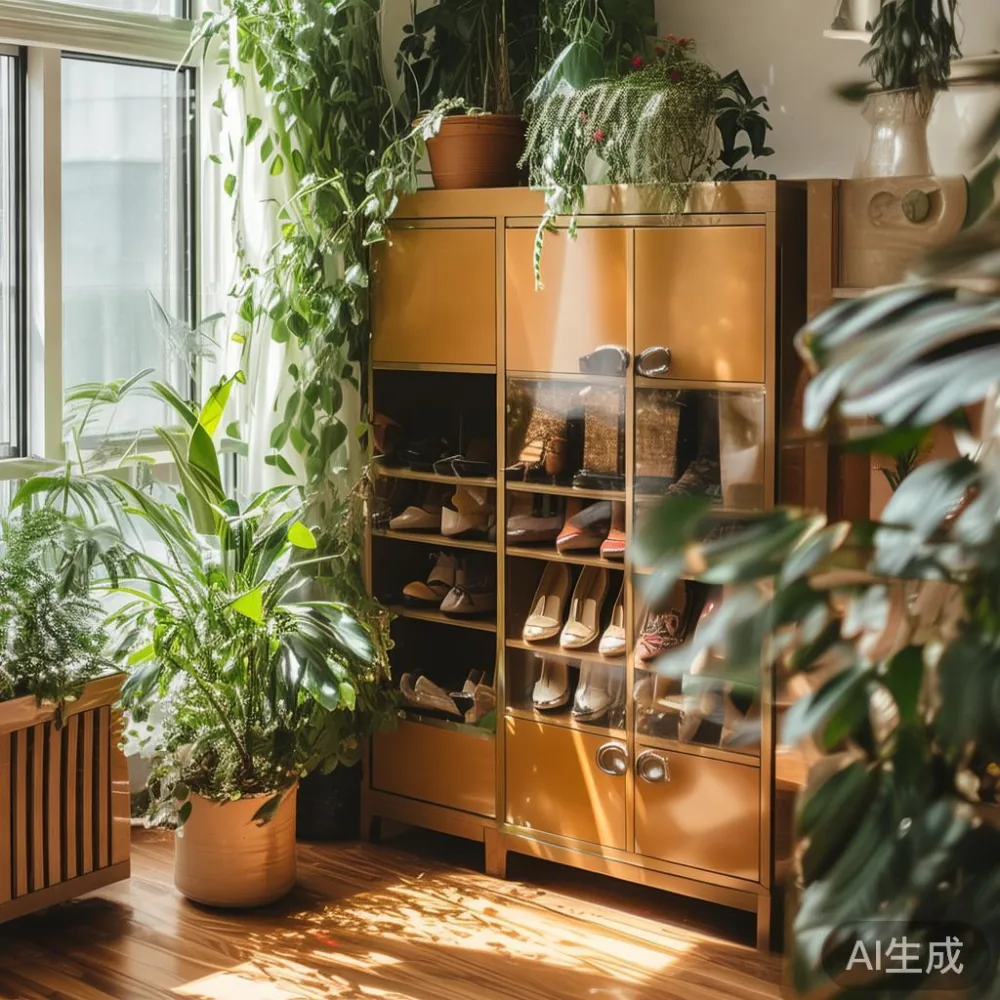
Last month I visited a four-room HDB flat in Tampines where the homeowner had just taken delivery of a two-door lacquered shoe cabinet. The piece looked immaculate on day one, but by week three the owner had already noticed a faint haze blooming on the side panel closest to the kitchen door. Humidity in Singapore routinely sits between 70% and 85% relative humidity for most of the year, and that single number is the reason lacquered surfaces behave the way they do here. A solid wood shoe cabinet finished in high-gloss or matte lacquer is one of the most rewarding purchases for a compact entryway, but it also asks for a slightly more attentive care routine than a raw-oak equivalent. This guide walks through what I have learned working with Foshan-built light-luxury furniture pieces across local homes, and what the MIDHILL care team recommends to customers from Bedok to Punggol.
Before the routine, the geography: Foshan sits in the Pearl River Delta at roughly 23°N latitude, sharing a humid subtropical climate profile with Singapore at 1.3°N. The factory conditions that cure a lacquer coat on a dining table or bed frame at around 25°C and 55% relative humidity are not what your cabinet experiences once it lives three metres from your corridor wall. Add GST at 9% to the purchase, lift-up delivery to a 12th-storey block in Punggol, and a 1.2 m wide service lift, and the piece has already lived through a stress test before you wipe it down the first time.
Why does lacquer turn cloudy or sticky in Singapore weather?
Lacquer is a film finish. It sits on top of the wood as a continuous skin about 0.05 mm to 0.10 mm thick, rather than soaking in like an oil. That skin is made of cross-linked polymer chains, and it reacts to two things: heat and moisture. When ambient relative humidity climbs above 75% for several days, microscopic water vapour pushes against the underside of the film. The film softens by a few micrometres, and any dust that lands on it gets partially embedded. That is the cloudy haze you see. Below 60% relative humidity, the same film hardens and stays glossy. The goal of care is therefore to keep the cabinet living in a narrow comfort zone, not to scrub aggressively at the haze.
What is the difference between European wardrobe and modern furniture?
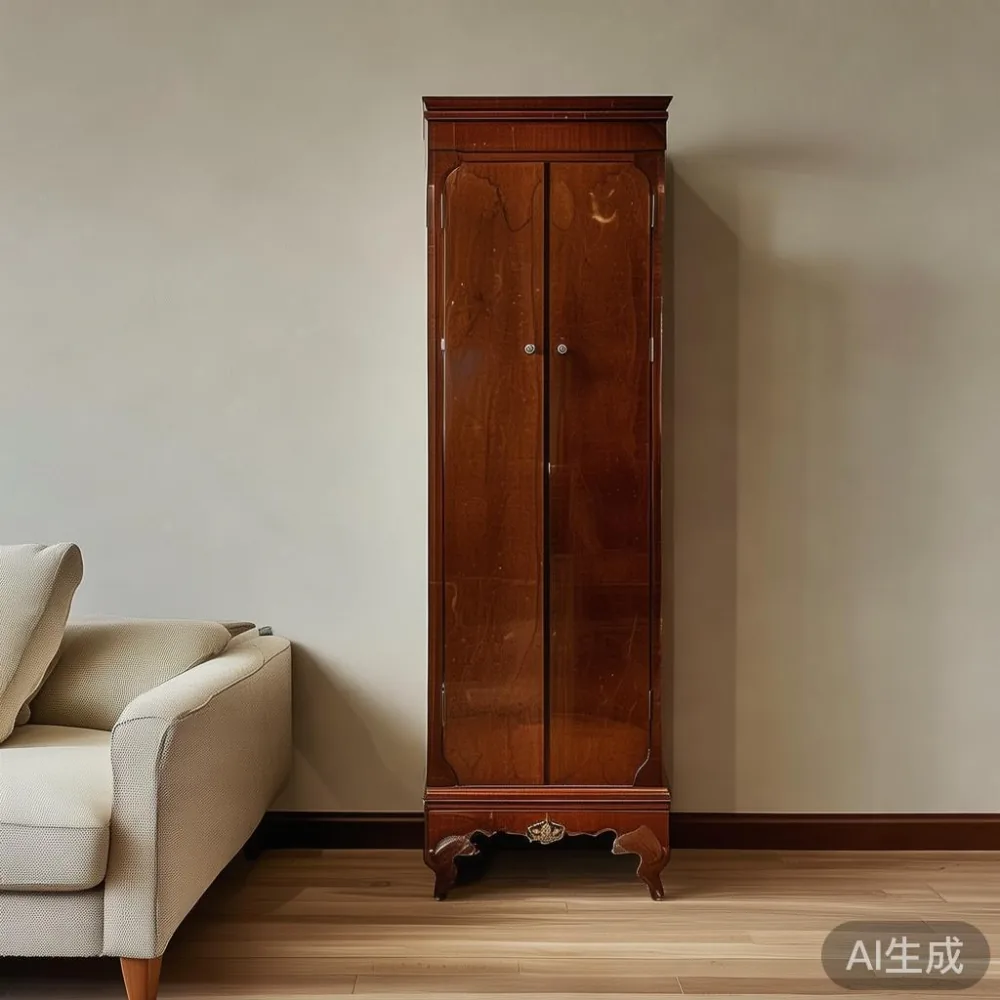
The short answer is that European wardrobe construction traditionally favours thick, closed-grain solid wood panels, hand-rubbed oil finishes, and visible joinery, while modern furniture (including most Foshan-made light-luxury pieces) uses a sealed lacquer system over engineered cores to deliver a smoother surface, tighter tolerances, and a lower retail price per linear metre. A Foshan lacquered wardrobe from MIDHILL, for example, ships with a 10-year structural warranty and a lifetime refinishing option that most European makers do not offer in Singapore.
The 10-minute weekly routine that protects a SGD 1,280 lacquered shoe cabinet
A two-door, 80 cm wide by 35 cm deep by 120 cm tall lacquered shoe cabinet typically retails in Singapore between SGD 1,050 and SGD 1,480 depending on finish and configuration. Replacing it because of careless cleaning costs more than the cabinet itself once you factor in delivery and disposal. The routine below takes ten minutes and costs about SGD 18 per year in supplies.
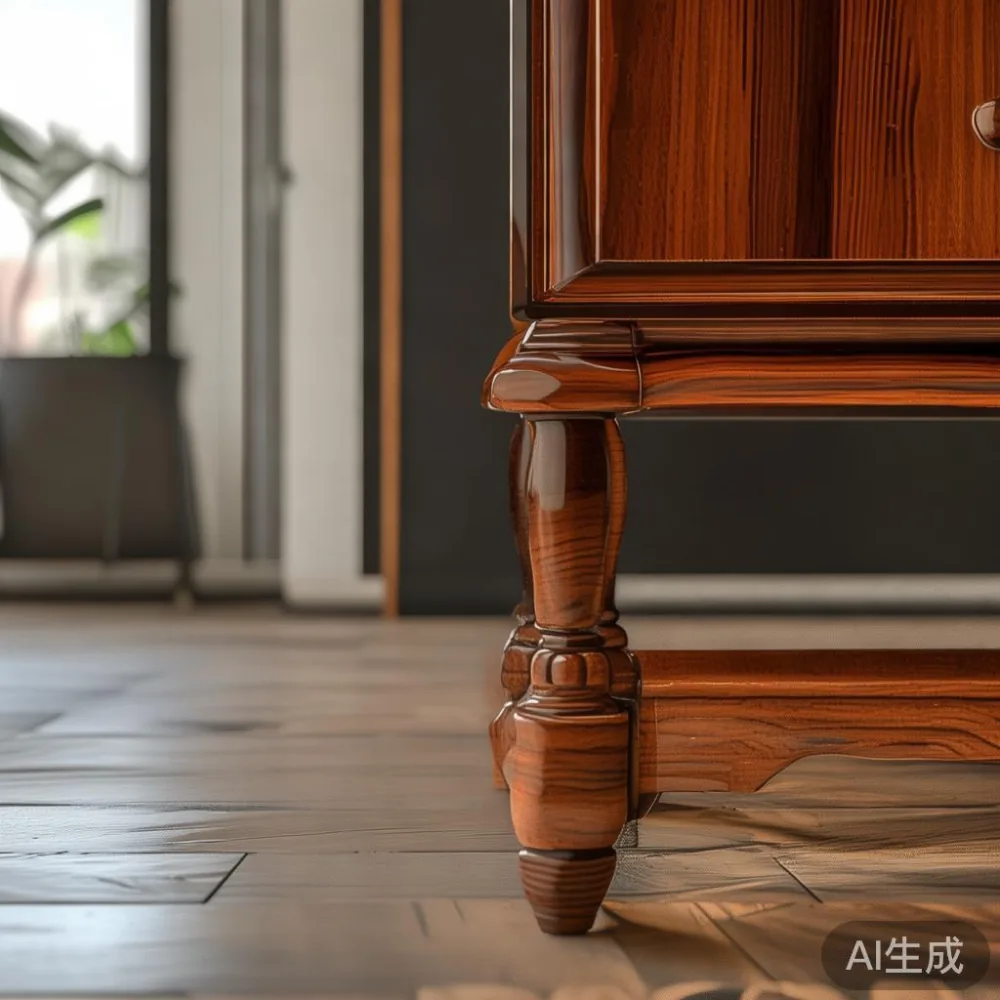
Step 1, day one: unbox inside the flat, not at the corridor. The cardboard box acts as a buffer; a 12 m corridor in a Bedok HDB block is narrow, and the MDF dust from the box can scratch the lacquer while you carry it. Lift the cabinet flat, do not drag. A 35 kg two-door unit should be a two-person lift, no exceptions.
Step 2, weekly: dust with a dry microfibre cloth, 30 cm x 30 cm size, around SGD 4 for a pack of three at any NTUC FairPrice. Wipe along the wood grain direction, not across it. Cross-grain wiping leaves micro-scratches that show up under the corridor's fluorescent lighting as spider webs.
Step 3, monthly: damp-wipe with a well-wrung chamois. The cloth should feel barely damp to the back of your hand. If you can squeeze a drop out, it is too wet. Dry immediately with a second microfibre cloth. Water left on lacquer for more than 30 seconds will leave a permanent white ring, especially on dark walnut finishes.
Step 4, quarterly: apply a small amount of paste wax, around SGD 14 for a 200 g tin that lasts two to three years. Use a lint-free cloth, rub in a 20 cm circle, buff off after eight minutes. The wax fills micro-pores in the lacquer and adds a sacrificial layer that takes the abuse of stray trainers and umbrella drips.
How do you stop a shoe cabinet from warping when the door faces the kitchen?
Position matters as much as cleaning. The Tampines flat I visited had the cabinet 1.4 m from the kitchen doorway, which is exactly where the warm, moist air from cooking settles. Steam is lacquer's quiet enemy. A 10-minute boil on the stove can push local relative humidity to 95% for the next hour. Two practical moves help. First, install the cabinet on the wall opposite the kitchen door if the floor plan allows, or at minimum 2.5 m away. Second, run the kitchen exhaust at 150 m³/h for ten minutes after cooking, which drops humidity back below 70% inside the living area.
Sunlight is the second placement hazard. Direct afternoon sun through a west-facing window in a Punggol executive HDB can heat a lacquered door panel to 48°C by 4 pm. Lacquer starts to yellow noticeably above 45°C. A roller blind at SGD 22 from a local DIY store solves this. Alternatively, a slim 30 cm deep console table placed 60 cm in front of the cabinet doubles as a key-drop zone and a sun baffle.
Which cleaning products destroy lacquer and which ones actually help?
The short list of what not to use is longer than the safe list. Avoid silicone-based polishes, ammonia window cleaners, bleach at any dilution, citrus degreasers, and any wipe labelled "antibacterial". The active ingredient in antibacterial wipes is usually benzalkonium chloride, which dulls lacquer within three applications. The safe list is short: clean water, neutral pH soap at 1 teaspoon per 500 ml of water, and paste wax. Everything else is a gamble.
For scuff marks from a dropped car key or a bag buckle, reach for a non-melamine eraser, the white plastic type, not the pink school-board foam. Lightly rub for ten seconds with the grain. If the mark does not lift in ten seconds, stop. Persistent marks go to the MIDHILL refinishing service that ships with every cabinet, which means the piece can be returned to Foshan for a fresh coat at shipping cost only, with labour waived.
How long does delivery take from Foshan to a Singapore HDB, and what about lift access?
Standard sea freight from Foshan to Singapore PSA Terminal takes 7 to 10 days, plus 2 days for customs clearance and 3 to 5 days for last-mile delivery to the door. Total door-to-door is typically 12 to 17 days for in-stock pieces. Free shipping kicks in above US$350, which works out to about SGD 470 at today's rate, so most solid wood dining table and bed frame orders qualify automatically. Lift access is the variable that catches people out. A standard HDB passenger lift in a 12-storey block measures 1.2 m deep by 1.4 m wide by 2.4 m tall, with a 630 kg load limit. A king-size solid wood bed frame in its packaging can weigh 72 kg and stand 2.15 m tall on its side. It fits, but only if you measure first. For walk-up blocks without lifts, the surcharge is SGD 8 per floor for items above 25 kg, and that is per item, so a wardrobe plus a nightstand plus a dining table adds up fast.
Can a lacquered shoe cabinet survive a balcony conversion, and what about a space saving bed for balcony setup?
A surprising number of customers in newer Punggol BTOs are turning the 1.5 m wide service yard into a compact work zone, and they often pair a slim lacquered cabinet with a space saving bed for balcony use during the day as a guest nap spot. Lacquer tolerates this arrangement well, as long as the balcony is enclosed with glass and the cabinet sits at least 15 cm away from the glass wall. Unenclosed balconies see direct rain splash and 90% humidity, which will blister any lacquer within six months. If the balcony is open, choose an unfinished teak or a powder-coated metal cabinet instead and reserve the lacquered piece for the interior entryway. A small dehumidifier rated at 6 L per day, around SGD 189, keeps the enclosed balcony at 55% relative humidity and protects everything from the shoe cabinet to a marble table top used as a laptop stand.
What about the matte lacquer finishes that MIDHILL ships on its dining tables and nightstands?
Matte lacquer has the same film thickness as gloss, around 0.07 mm, but the surface is micro-textured to scatter light. That texture traps dust more easily and shows fingerprints more readily. The trade-off is that matte lacquer hides micro-scratches far better than gloss, which is why MIDHILL specifies matte on its solid wood dining table tops and on the drawer fronts of its nightstand collection. For matte pieces, swap the microfibre cloth for a soft horsehair brush once a week, around SGD 9 from a specialty cleaning shop, then follow with the same damp chamois routine. The brush lifts dust out of the micro-texture rather than dragging it across the surface.
How does light-luxury positioning change the care conversation?
Light luxury, whether read through French, American, or post-modern lenses, is a design language built on restrained materials and quiet detailing. A French light-luxury shoe cabinet in cream lacquer with brushed brass pulls costs around SGD 2,150 and asks for a slightly more delicate touch than a SGD 1,050 American light-luxury equivalent in matte black oak. The care principle is identical, but the polish interval shortens from quarterly to every six weeks for the gloss cream finish, because the colour shows dust sooner. Post-modern light-luxury pieces lean heavier on geometric drawer fronts and mixed-material pulls, brass against walnut, marble table accents against lacquered cabinets. Wipe each material with its own appropriate cloth; a single damp cloth dragged across brass will leave water spots that take twenty minutes of buffing to remove.
When is refinishing cheaper than replacement?
A full strip-and-recoat at the Foshan factory costs roughly SGD 280 including return shipping for a piece under 1.5 m tall, and SGD 420 for larger items like a six-door wardrobe. That is well under half the price of a comparable new lacquered piece at retail, and the refinishing carries a fresh five-year warranty on the new finish. The lifetime refinishing promise applies once per piece per five-year period, which most owners never hit. A solid wood sofa frame refinished this way will outlive its original warranty by another decade, and a bed frame sent back after fifteen years comes back looking close to new.
Frequently asked questions from Singapore homeowners
How long does the lacquer smell last after delivery? About 14 to 21 days with daily ventilation, longer if the unit sits in a windowless corridor store. The smell is residual solvent from the curing process and is not harmful at the off-gassing levels a finished cabinet produces.
Can I place a lacquered shoe cabinet in a bathroom? No. Bathrooms in Singapore HDB flats routinely hit 95% humidity during showers. Even with an exhaust fan running, the daily cycle will cloud lacquer within four months. Use the bathroom for a powder-coated metal or solid teak unit instead.
What is the return window? 14 days from delivery for a full refund, minus a SGD 60 return logistics fee per piece. The cabinet must be in original condition and packaging.
Does the 10-year structural warranty cover lacquer peeling? Yes, if the peeling is from a manufacturing defect. Peeling from water damage, sun exposure, or chemical cleaners is not covered, which is another reason to follow the routine above.
A lacquered shoe cabinet is one of the few pieces of light-luxury furniture that works as hard as a kitchen appliance in a Singapore home. Treat it with the same attention you would give a SGD 1,800 refrigerator, and it will quietly keep your entryway tidy for the next fifteen years. Wipe weekly, wax quarterly, mind the placement, and the cabinet will repay that habit every time you step out of the lift into a clean, calm corridor that smells faintly of paste wax instead of stale trainers.