Caring for a Lacquered Shoe Cabinet in Singapore’s Tropical Climate
A lacquered shoe cabinet can look crisp and expensive in an HDB flat, yet Singapore’s humidity, heat, salt-laden air and constant airflow place a different kind of pressure on coated timber. At MIDHILL, we treat care as part of the furniture’s design life rather than an afterthought. A cabinet that is handled thoughtfully can retain its sheen for 10 years or longer, provided that moisture, heat and everyday dirt are managed with a few measured habits.
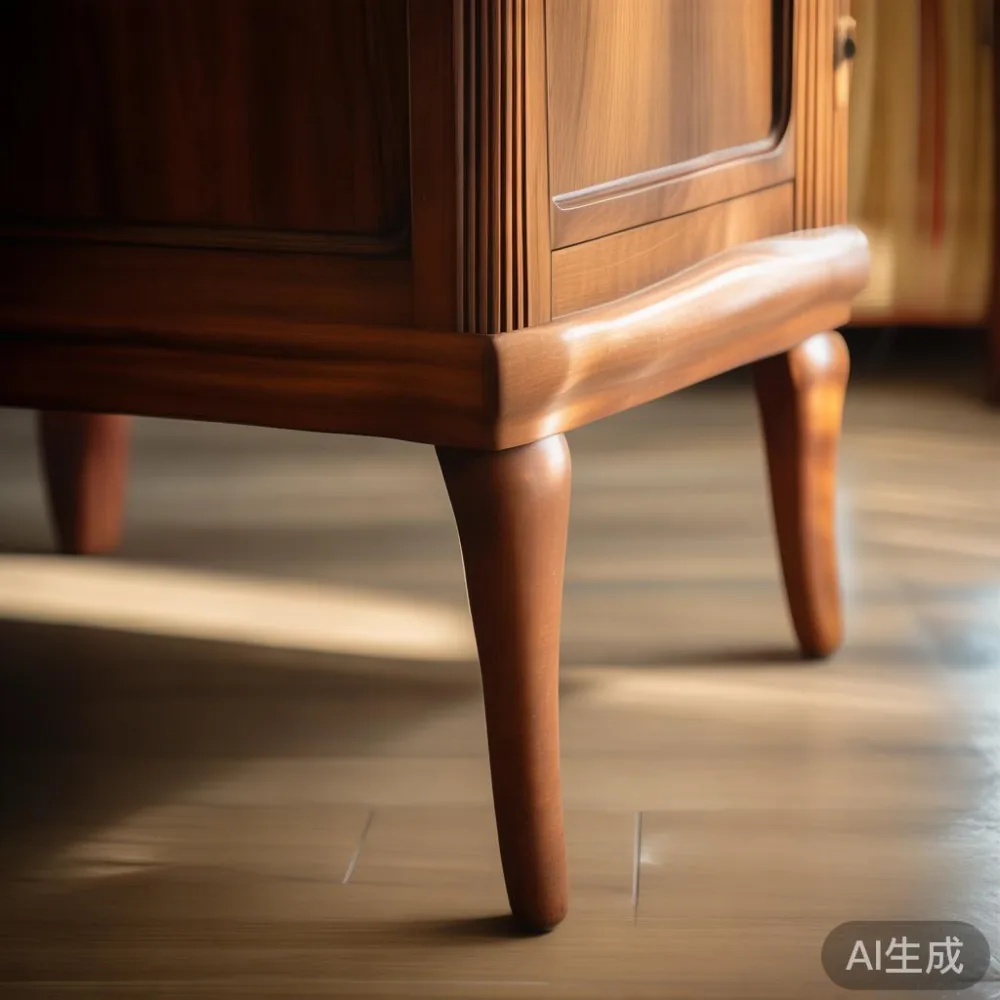
For residents in Tampines, Bedok, Punggol and newer condominiums, placement matters as much as cleaning. Lift doors, service corridors and apartment entryways often determine whether a 60 cm-wide shoe cabinet can be delivered without damage. Below is a practical care guide for a lacquered shoe cabinet, including the numbers that matter, the mistakes to avoid and the small routines that protect the finish.
Why Does Humidity Affect a Lacquered Shoe Cabinet?
Singapore’s hot and humid weather can keep wood in a state of slow moisture exchange. Relative humidity commonly ranges from about 65% to 85% during wet periods, while daytime temperatures may sit near 28°C to 33°C. Lacquer helps seal the surface, but it is not an impermeable barrier against every trace of moisture. Repeated swelling and contraction can eventually produce fine checking around joints, doors and panels, particularly if the cabinet is positioned next to an air-conditioner vent or in direct sunlight.
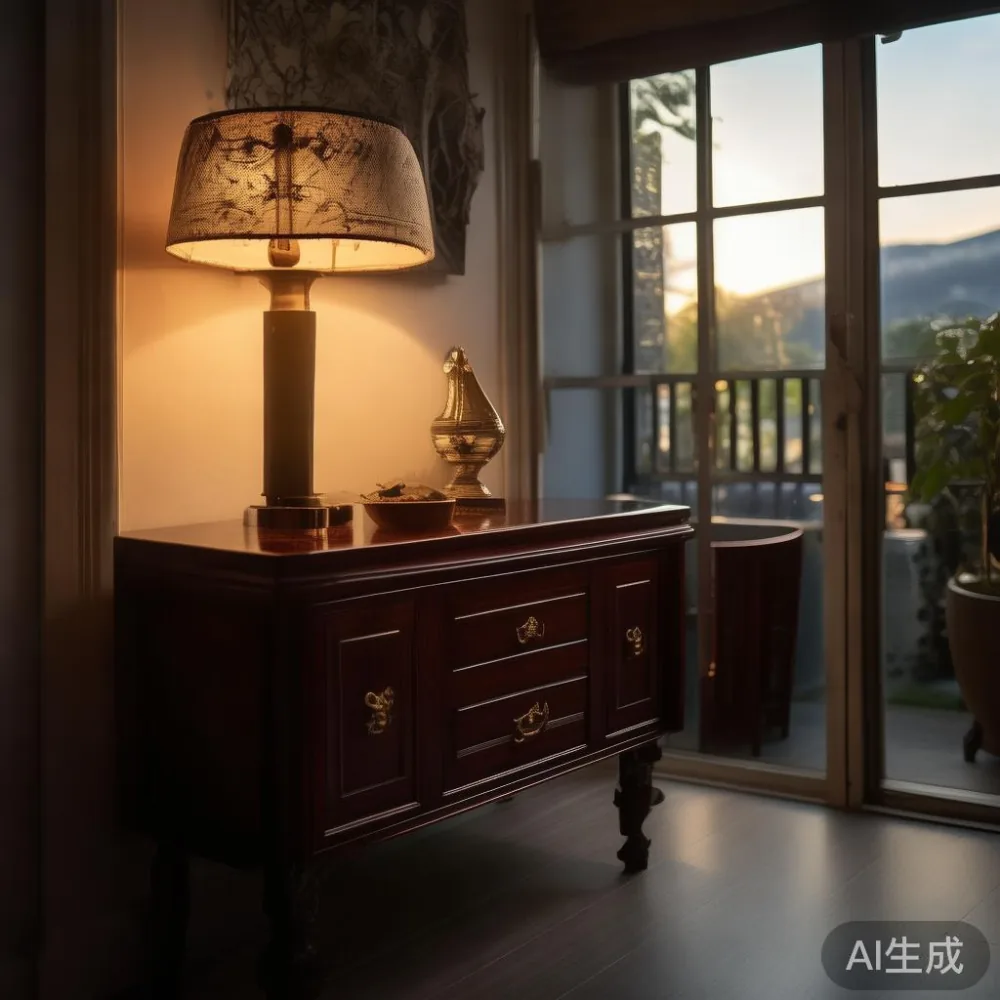
A shoe cabinet also collects hidden moisture from footwear. Running shoes may retain several millilitres of water after rain, leather shoes can carry damp soles into the unit, and daily perspiration carries salts that may migrate onto shelves. Keeping shoes in a ventilated position and separating damp footwear from lacquered surfaces reduces the likelihood of staining or coating failure.
Measure rather than guess. A simple hygrometer placed beside the cabinet should ideally indicate 45% to 60% relative humidity where possible. In a typical bedroom, aim to keep the unit at least 30 cm away from an air-conditioning outlet, at least 60 cm from a window that receives direct afternoon sun, and at least 10 cm above the floor. This spacing also helps cleaning and prevents accidental knocks during household traffic.
What Cleaning Routine Protects Lacquer the Most?
Use a soft, lint-free microfibre cloth and a mild solution of diluted pH-neutral dishwashing liquid. Mix about 5 ml of detergent with 500 ml of lukewarm water, dampen the cloth rather than the cabinet, and wipe gently. Dry immediately with a clean cloth. Avoid spraying liquid directly onto lacquer, because it can travel into joints or leave a faint film.
For weekly care, dust the cabinet with a dry microfibre cloth and vacuum the interior with a brush attachment set to low suction. Treat visible marks with a barely damp cloth, then dry the area. Never use abrasive pads, steel wool, magic erasers, ammonia, bleach, vinegar in concentrated form, alcohol-based glass cleaner, or furniture polish containing silicone. Silicone can create a temporary shine while making future repairs more difficult.
Spills should be addressed within 5 minutes. Blot rather than rub, lift the residue with the diluted detergent solution and finish with a dry cloth. For scuff marks, use a clean, soft cloth with a small amount of neutral cream and test a concealed area for 24 hours first. If the mark has worn through the lacquer to the timber, contact a qualified refinisher instead of applying an improvised colour.
Place a washable mat or tray beneath frequently worn shoes. It should be no more than 2 mm thick so that it does not trap excessive moisture, and it should be cleaned at least once a week. Coir or plastic mesh trays are useful, but they must not press against lacquered doors when the cabinet is closed.
How Should I Store Shoes Inside the Cabinet?
Arrange shoes so that the cabinet remains ventilated and the shelves do not bow under concentrated weight. A level shelf should generally carry no more than 15 kg for a 60 cm-wide shoe cabinet unless the maker specifies otherwise. Distribute heavier pairs across 2 shelves rather than loading one shelf with 12 pairs of leather shoes. Leave a gap of at least 3 cm between the shoe rows when the cabinet depth allows it.
Pair leather shoes with cedar shoe trees and give them 12 to 24 hours to dry. Use cotton or fabric shoe trees for sneakers and other porous footwear. Avoid newspaper, because its ink may transfer to pale linings or lacquer in humid conditions. A small packet of calcium chloride can absorb moisture, although it should be replaced every 30 to 45 days and kept clear of any opening that could cause spillover.
Do not store wet umbrellas, bath towels or washing powder in the shoe cabinet. These items increase humidity and can introduce odours that are difficult to remove from timber and lacquer. If the cabinet also serves as an entryway station, restrict it to shoes, shoe-care products in sealed containers and a dry brush.
Can Heat and Sunlight Cause Peeling?
Yes. UV exposure weakens the resin system in many cabinet finishes, while heat accelerates moisture movement beneath the coating. In west-facing Bedok or Tampines units, afternoon sun can raise a cabinet surface above 40°C even when the room feels comfortable. Lacquer may then look dull, develop fine cracks or lose adhesion near edges. Keep blinds closed between 1 pm and 4 pm, or apply a UV-filtering film rated for at least 40% UV rejection.
Avoid placing the shoe cabinet beside a hot water heater, electrical distribution board, kitchen doorway, balcony door or air purifier heater. Maintain at least 15 cm of clearance from hot appliances and at least 30 cm from a door that opens directly into the unit. Moving the cabinet 20 cm around a room is not enough if the new position creates a condensation zone.
Temperature changes should be gradual. If the cabinet arrives during Singapore’s cooler or drier weather and the room later becomes humid, allow several hours for acclimatisation before filling every shelf. Do not wrap the cabinet in plastic for more than 7 days; breathable protection is preferable during transport.
How Do I Move It Without Damaging the Doors?
Before delivery, check the actual route from the loading point to the flat. Measure the lift door, lift car, landing, corridor turns, main door and shoe cabinet separately. Allow at least 5 cm of clearance around the cabinet when it is assembled. Record the measurements before choosing a slim shoe cabinet, especially in older HDB blocks where a common lift door may be only 70 cm wide and a corridor turn may be 85 cm.
For a cabinet around 100 cm tall, 60 cm wide and 35 cm deep, empty it, remove adjustable shelves and secure each hinged door. Carry the shell with 2 people if it exceeds 20 kg. A larger cabinet may require 3 people, a furniture dolly rated for at least 50 kg, and protective blankets placed between the dolly and lacquered panels. Lift rather than drag; the casters can mark floors or transfer grit into the finish.
After positioning, use a spirit level to confirm that the unit is within 3 mm of level from front to back. Adjust the feet by no more than 5 mm at a time. The cabinet should not rock when pressed at each top corner, because that movement can work the door hinges and cause lacquer to crack at the panel edges.
What Is the Right Finish for a Tropical Home?
Options include water-based lacquer, oil-modified lacquer, polyurethane and conversion varnish. Their performance depends on the coating system, film thickness, curing time and preparation of the timber, not simply the label. Ask the supplier for the expected film thickness, curing period, cleaning guidance and repair method in writing. A sound cabinet finish should withstand at least 500 double rubs under a standard test such as BS EN 12720 when specified correctly.
Water-based lacquer may offer a lower solvent odour and good colour clarity, while a cured polyurethane system can handle moisture and abrasion well when properly formulated. The cabinet should be fully cured before shoes are loaded. A representative finish may require 5 to 7 days in a well-ventilated space, and 14 days is sensible for a newly lacquered piece undergoing tropical conditions.
The design should also suit Singapore interiors without drifting into unrelated furniture. A restrained shoe cabinet can sit beside a solid wood sofa, bed frame or dining table, while matching it to a wardrobe or nightstand creates continuity. Pale marble table surfaces are visually cool, but their porous nature calls for separate care, so do not assume a marble table and lacquered shoe cabinet can share the same cleaner.
Is European Light Luxury Sofa Worth It for an Apartment?
The broader question of whether is European light luxury sofa worth it depends on whether the buyer values comfort, material disclosure and repair support over appearance alone. A European-inspired sofa may bring elegant lines and deeper seating into a living room, while a slim shoe cabinet protects the entrance without narrowing the circulation route. In a compact Tampines flat, where a sofa may occupy 180 cm of width and the main passage needs at least 80 cm, every centimetre counts.
Those considering cheap light luxury furniture should look beyond a low purchase price. Delivery to Singapore may cost SGD 80 to SGD 220 depending on location, lifting and stairs, while a taller cabinet may require SGD 120 to SGD 350. GST is normally payable at 9% on imported furniture and local delivery charges where applicable. A stronger cabinet that avoids replacement costs may be more economical over 5 years, but the decision should still consider dimensions, finish and service.
Can a Shoe Cabinet Fit Alongside a Japandi Living Room?
Yes, if the visual weight and finish remain controlled. For a search phrased as how to style Japandi sofa in apartment, use the shoe cabinet as a practical anchor at the entry rather than filling the living room with more bulky objects. A light oak cabinet with restrained pulls and a warm-neutral lacquer can complement clean-lined seating. Keep the cabinet below 95 cm high when the adjacent foyer is narrow, or select a wall-mounted version with a maximum load of 15 kg if the mounting substrate permits.
For bedroom layouts, questions about the best Japandi bed for 2026 often lead to plans for slim frames and quiet storage. A 90 cm shoe cabinet may fit beside a wardrobe, but it should not interfere with a bed frame’s drawers or a nightstand’s opening arc. Allow 70 cm of clear space in front of cabinet doors, and test the door swing before ordering.
French light luxury and post-modern light luxury can both guide colour selection without demanding ornate decoration. French light luxury often leans toward soft cream and muted taupe; post-modern light luxury tolerates cleaner geometry and subtle contrast. Either direction works with a shoe cabinet if the coating has a low-gloss or satin appearance and the handles are not oversized.
For a wider apartment, Mid-century modern for small living room can include slim-legged seating and compact storage, but a shoe cabinet should still feel integrated rather than random. The visual test is simple: stand 2 m away and check whether the cabinet competes with the sofa. If it does, reduce its visual height by 10 cm to 20 cm or move it into a recessed entry niche.
Hotel projects have different requirements from private homes, and light luxury for hotel usually needs documented cleaning schedules, replacement parts and consistent lacquer colours across 20 or more units. Those standards can also guide a private purchase, particularly if the cabinet will be cleaned by building staff rather than the owner.
What Should I Do If the Surface Becomes Sticky or Cloudy?
A sticky or cloudy finish may result from trapped humidity, residue from an unsuitable cleaner, plastic wrap in contact with the lacquer, or incomplete curing. Stop adding products. Wipe once with a clean microfibre cloth dampened with plain water, then dry immediately. If haze remains after 24 hours, repeat the process with a clean section of cloth and allow the cabinet to ventilate for 48 hours.
Do not sand the cabinet while experimenting. If lacquer has already lifted or peeled, continue using the cabinet carefully, keep the area dry and request professional assessment. For minor abrasion, a colour-matched touch-up pen may be appropriate if the supplier approves it. For larger damage, refinishing is more reliable than layering several household products over the affected area.
Last month I visited a customer’s Bedok condominium to inspect a lacquered shoe cabinet that had developed a sticky door panel. The resident had stored the unit beside a balcony door and wiped it with a silicone furniture spray every 2 weeks. After we removed the residue, moved the cabinet 45 cm away from the door and left the doors open for 48 hours, the matte surface recovered without repainting. The experience reinforced a simple rule: fewer cleaners usually create fewer problems.
How Do I Choose a Supplier That Supports Long-Term Care?
Look for clear information about timber, finish, dimensions, weight and delivery conditions. MIDHILL was established in 2008 and exports to more than 15 countries, with a 10-year structural warranty and lifetime refinishing support for eligible products. These policies make care planning more practical because customers have a defined route for structural or finish concerns instead of relying on unverified promises.
Confirm delivery terms before purchase. Standard furniture delivery in Singapore commonly takes 7 to 14 days after production, while made-to-order lacquered pieces may require 21 to 35 days. Check lift access, floor protection and the disposal of packaging. Orders above US$350 qualify for free shipping under the stated policy, but currency conversion, taxes and service to a specific Singapore address should be confirmed at checkout.
Returns are generally accepted within 14 days under the applicable policy, but assembled or used furniture may have different conditions. Photograph the cabinet on arrival, record the date and inspect all 6 sides, both doors, shelves and feet in daylight. Keep the delivery receipt and finish-care instructions. For a shoe cabinet intended to last, the small details are not less important than the wood itself.
What Is a Practical Weekly Care Schedule?
On Monday, wipe the exterior and inspect the 4 main corners for swelling, chips or lifting edges. On Wednesday, check that shoes are dry and that shelves holding more than 8 kg have not begun to bow. On Saturday, vacuum the interior, clean any marks and dry the cabinet doors. Every month, check the humidity reading, inspect the wall fixings if the cabinet is mounted and clean the floor beneath the unit.
Use a maintenance log with 6 columns: date, humidity, cleaning product, issue, action and drying time. This record can reveal whether a problem appears after monsoon evenings, air-conditioner use or the arrival of damp shoes. It also gives a refinisher useful information if a repair is eventually needed.
For a lacquered shoe cabinet, the ideal climate is not artificially dry but stable. Keep relative humidity between 45% and 60% where feasible, temperatures near 22°C to 28°C, and moisture away from the timber. Those targets complement sensible habits: wipe shoes before storage, leave 3 cm of airflow, clean with 5 ml of mild detergent in 500 ml of water, and dry every surface immediately.
A well-cared-for shoe cabinet can remain visually calm in a compact Singapore home while earning its place through daily usefulness. The lacquer does not need constant intervention; it needs protection from avoidable heat, water and incompatible chemicals. With careful placement, measured cleaning and a documented care routine, the finish can age with clarity rather than deterioration.