How to Care for a Lacquered Shoe Cabinet in a Tropical Climate
A lacquered shoe cabinet brings order to the entrance of a Singapore home, but constant humidity, heat and airborne salt can make its finish look dull or swollen. At MIDHILL, we build lacquered shoe cabinets for compact urban interiors where careful material care matters. This guide explains how to protect a cabinet in an HDB flat or condo, how much space to allow around it, and when a lacquered surface needs professional attention.
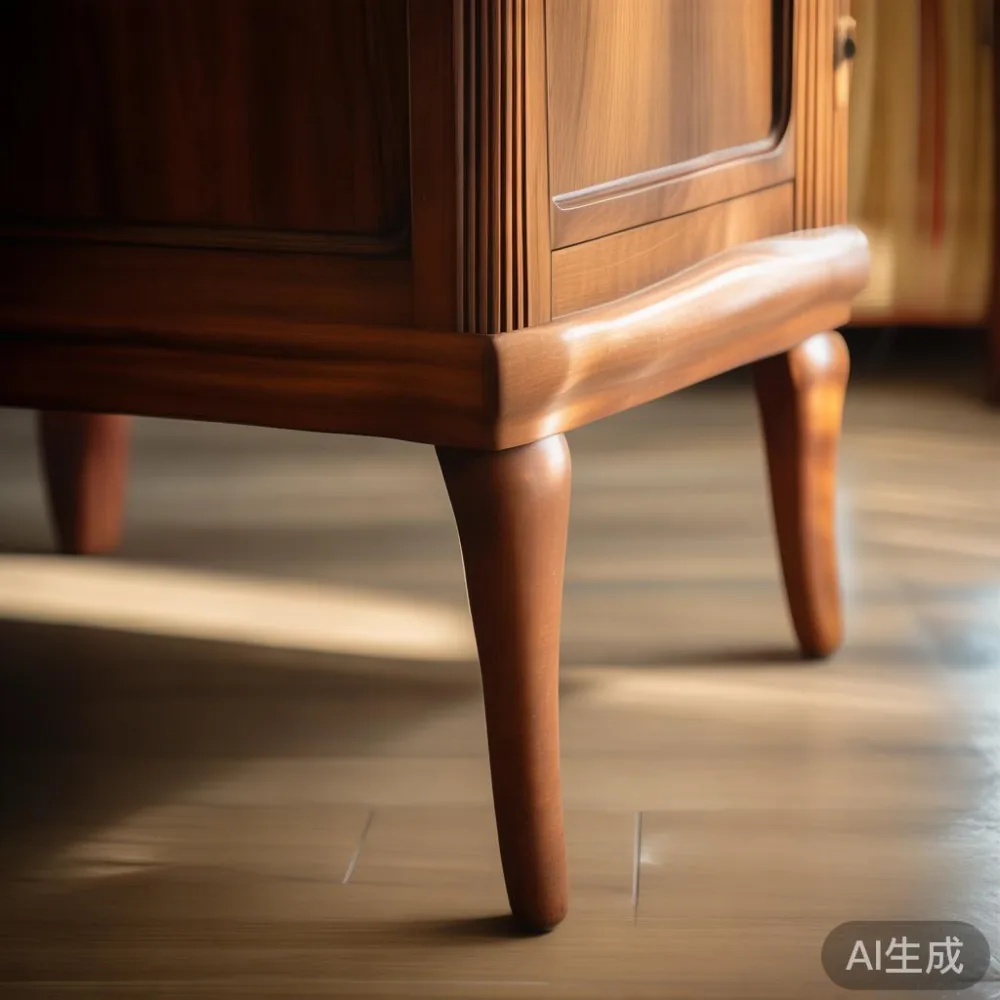
Singapore’s tropical conditions demand a practical routine rather than excessive polishing. The cabinet should be kept away from direct sunlight, standing water and air-conditioning vents. A soft cloth, mild cleaner and steady habit of wiping spills are enough for most maintenance. For a solid wood shoe cabinet, the lacquer is the visible barrier, so scratches should be treated before moisture reaches the timber underneath.
What makes lacquered wood difficult in Singapore?
Lacquer creates a smooth, decorative skin over engineered or solid wood components. It can look crisp against the pale walls and terrazzo common in Tampines, Bedok and Punggol apartments, yet the finish responds quickly to temperature and moisture changes. Relative humidity inside a Singapore home may rise during the monsoon periods, especially when windows are closed and wet shoes are stored nearby.
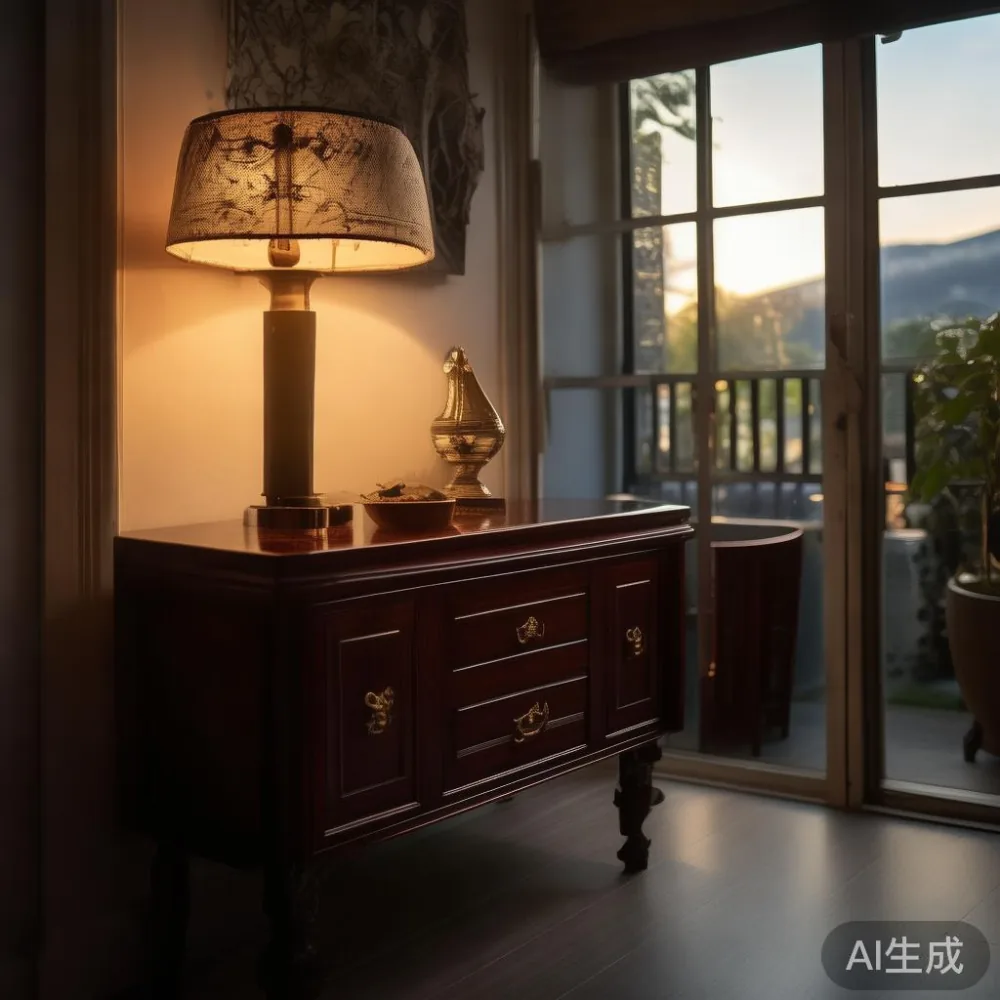
Heat is another factor. A corridor beside a west-facing window can exceed 32°C by late afternoon, while a kitchen or balcony threshold may see sudden humidity shifts. Lacquer expands and contracts with its substrate. If the moisture is trapped beneath a peeling edge, the damaged area can spread by roughly 2–5 cm over several weeks.
Salt aerosol also deserves attention in high-rise blocks close to the coast. Fine salt deposits may remain on a glossy surface after rain is carried indoors on shoes or bags. The cabinet should therefore be wiped with a clean damp cloth, not sprayed casually with household chemicals.

I tested a lacquered shoe cabinet in my own corridor last month. I placed one moisture meter probe near the rear panel and another by the front edge. The readings differed by 6–9 percentage points during a wet evening. A shoe cabinet positioned 15 cm from a wall and 30 cm from an air-conditioning vent dried more evenly after cleaning, so the small gap made a measurable difference.
Which lacquered shoe cabinet suits a compact Singapore home?
Measure the entrance before ordering. A typical HDB flat may have an entrance recess only 80–110 cm wide, and a condo corridor can include a fire-safety panel that must remain unobstructed. Allow at least 60 cm of clear walking space in a common corridor and avoid reducing a lift lobby or emergency route. Inside a unit, a cabinet depth of 25–35 cm can hold 12–20 pairs of shoes without projecting too far into the passage.
Check the delivery route, not just the final position. Many older HDB lift doors measure about 80–90 cm, although compact lifts may be narrower. A boxed cabinet wider than 80 cm may need to be turned on its side or assembled within the flat. MIDHILL can confirm packed dimensions before dispatch, usually within 1–2 working days.
For lighter visual weight, choose a shoe cabinet with open display space in the centre and closed sections at the sides. This keeps frequently used footwear visible while protecting the rest from dust. The result fits French light luxury without making the entrance feel crowded. In a small apartment, French provincial styling with storage can also work when pale lacquer, simple mouldings and closed cupboards are used instead of heavy carving.
For product comparisons, one editor described how to style American bed in bedroom when the bed frame shares the same pale, crafted character, but that bedroom reference does not change the shoe cabinet’s practical role. Likewise, searching for for sale Italian light luxury furniture may bring marble table, wardrobe and dining table options to mind, yet a shoe cabinet should remain narrow enough for a foyer and must not be used as a general display cabinet.
The same restraint applies to a solid wood sofa, bed frame, dining table, wardrobe or nightstand elsewhere in the home. These pieces may use related lacquer colours, but their finishes and construction are different. Care advice for one should not automatically be transferred to another.
How should I clean a lacquered shoe cabinet?
Begin with a dry microfibre cloth. Dust the top, sides and door panels every 7–10 days. For a visible mark, use a second cloth barely dampened with diluted neutral detergent: mix about 5 ml of mild soap with 500 ml of water. Wipe once, then remove residue with a clean damp cloth. The cloth should not leave visible water lines, and the cabinet should be dry within 10 minutes.
Never use abrasive pads, wire wool, alcohol-based cleaners or concentrated bleach. These can dull the gloss or make a pale lacquer cloudy within 1–3 uses. Avoid spraying cleaner directly onto the surface. A 20 ml spray applied to the cloth is enough for a cabinet with a 1.2 m² exposed face.
Remove shoes that are damp from rain or washing. Place them on a washable mat outside the cabinet for 20–30 minutes, then wipe the sole before storage. A damp shoe can release several grams of water into an enclosed cabinet, so a simple ventilated shelf is useful even if the cabinet has solid doors.
Clean the cabinet at least once every 2–4 weeks in a humid period. Wipe the feet of each shoe, keep paper packets and cardboard boxes off the shelves, and remove a pair when the interior remains humid after 30 minutes. These habits reduce staining and make the lacquer easier to inspect.
How can I prevent scratches and peeling?
Use the cabinet as a storage place for shoes, not a catch-all surface. A set of keys weighing 150 g can leave a small abrasion if dragged across lacquer, and grit from a corridor can scratch the finish during cleaning. Place a tray near the entrance for keys and coins, and vacuum the floor around the cabinet before wiping its lower panels.
Do not wedge boxes tightly against lacquered doors. Over 12–18 months, repeated pressure can create a white compression line that is difficult to repair. Leave 2–3 cm around stored items, especially along the rear panel. If the cabinet includes a marble table top nearby, keep separate cleaning cloths for stone and lacquer; alkaline residue from one should not transfer to the other.
Check the finish every 3 months under daylight. Look for three warning signs: a dull gritty patch, a fine pale line or a lifted edge measuring more than 3 mm. Do not press a peeling area flat with your thumb. That can transfer moisture or tear the lacquer.
MIDHILL offers a 10-year structural warranty and lifetime refinishing on eligible furniture, subject to the care requirements and terms of the product. Structural coverage addresses construction defects, whereas ordinary lacquer wear from keys, heat or standing water is normally handled through maintenance or refinishing. Keep the invoice and product details in case a finish issue appears during the first year.
Can sunlight and air-conditioning vents damage the finish?
Yes. Direct UV exposure can fade pale lacquer over roughly 18–36 months, while repeated hot-air flow can accelerate moisture loss around joints and edges. Keep a shoe cabinet at least 1 m from a window where possible, or use a sheer curtain that filters light while retaining airflow. Do not place it directly above a radiator, dehumidifier or air-conditioning return grille.
Air movement should be gentle and dry. A cabinet 20 cm from a cold vent may collect dust, while one 5 cm from a warm supply may experience wider finish movement. A sensible target is 30–60 cm from a vent and 60–90 cm from direct sunlight, adjusted for the actual airflow.
For homes with persistent humidity, consider a small dehumidifier that maintains about 50–60% relative humidity. Position it so the cabinet is not in its direct stream. In Singapore, indoor comfort generally sits around 26–30°C, with moderate humidity managed by ventilation and mechanical cooling.
Post-modern light luxury can work here through proportion and finish rather than decoration. A clean-front cabinet with bronze hardware, smoked glass or a pale lacquer frame echoes the restrained geometry often used in contemporary condo interiors without filling the foyer with bulky furniture.
What should I do if the lacquer scratches or peels?
For a light scratch, clean the area and apply a lacquer-safe repair colour with a fine cotton applicator. Test it on an unseen edge first, allow 4–6 hours, and check the sheen under natural light. A repair can reduce the visibility of a 1–2 cm mark, although it cannot restore the original film thickness.
For a chip wider than 3 mm, a lifted edge or a deep scratch reaching the wood, stop using DIY repair products. Moisture can enter the exposed substrate and cause swelling, which may widen the damaged area. Photograph the cabinet in daylight, record the cabinet dimensions, and contact the supplier for assessment. Professional refinishing may take 5–10 working days, plus delivery time.
A thin bubble after rain should not be punctured. Let the area dry for 24–48 hours with good ventilation. If the bubble remains, the finish or adhesive has probably separated and needs professional inspection. For larger cabinets over 80 cm wide, confirm whether refinishing can be completed in the home or whether the cabinet must be returned to the workshop.
Small scratches can also become more noticeable near a wall where the finish collects dust. Move the cabinet 3–5 cm forward, clean behind it and inspect the rear panel. This gives moisture and airflow a better chance to reach the cabinet after a leak or monsoon draft.
How does delivery, GST and returns affect shoe-cabinet care planning?
Choose a delivery date when someone can receive and inspect the carton. The packing should be opened within 24 hours of arrival, and the cabinet checked for impact marks before the packaging is removed. Do not install a newly delivered unit against a wet wall.
Singapore customers should include GST in the displayed budget unless a quotation explicitly states otherwise. If a cabinet is priced at SGD 680 before GST, the payable amount at 9% GST is SGD 741.20. Compare the complete price rather than using a low headline figure.
MIDHILL provides free shipping for qualifying orders over US$350, although the threshold, destination and exchange-rate treatment should be confirmed before purchase. Local Singapore delivery commonly takes 7–14 working days after production, while stock arrangements can shorten the wait to 3–7 days. A 14-day return window gives time to check colour, dimensions and surface condition, provided the furniture remains unused and in its original packaging.
These terms make advance planning practical. Confirm the packed width, lift dimensions and installation route before paying. For a unit that must cross a narrow HDB corridor, a flat-pack shoe cabinet may be easier to carry than one delivered fully assembled.
How often should a lacquered shoe cabinet be maintained?
Use a simple schedule: dust every 7–10 days, wipe the base every 2 weeks, clean more thoroughly every month during humid weather, and inspect the finish every 3 months. After a monsoon downpour or minor leak, check the cabinet within 24 hours. Always dry wet shoes before putting them inside.
With those habits, lacquer can retain a clean appearance for many years in Tampines, Bedok or Punggol. Keep the cabinet ventilated, give it 30–60 cm of clearance from vents, and avoid placing decorative objects on its top unless they have a protective mat underneath.
Design decisions should follow the same discipline. A narrow solid wood shoe cabinet with a restrained lacquer finish offers more value in a compact foyer than a large ornamental unit. For broader style research, a search for Rustic for small living room may point towards warmer natural textures, while a reference to best Industrial sofa for 2026 concerns seating rather than entrance storage. Neither should distract from the cabinet’s fit, finish care and moisture control.
For a searchable overview of the maker, midhillco can be useful when comparing solid wood furniture, service terms and product specifications. The practical standard is unchanged: measure the route, select the correct finish, maintain it gently and seek help before a small defect becomes a larger one.