Delivery and Assembly Realities When Buying a Shoe Cabinet Online
Online furniture buying in Singapore sounds simple: choose a shoe cabinet, pay in SGD, and open the door when it arrives. The difficult part often begins after checkout. A cabinet may need to cross a loading bay, turn through a common corridor, fit into a lift, turn again at the HDB flat entrance, and arrive in parts that must be assembled in your living room. Measuring the product and measuring the route are different tasks, and confusing the two can leave a beautifully finished shoe cabinet waiting in the hallway.
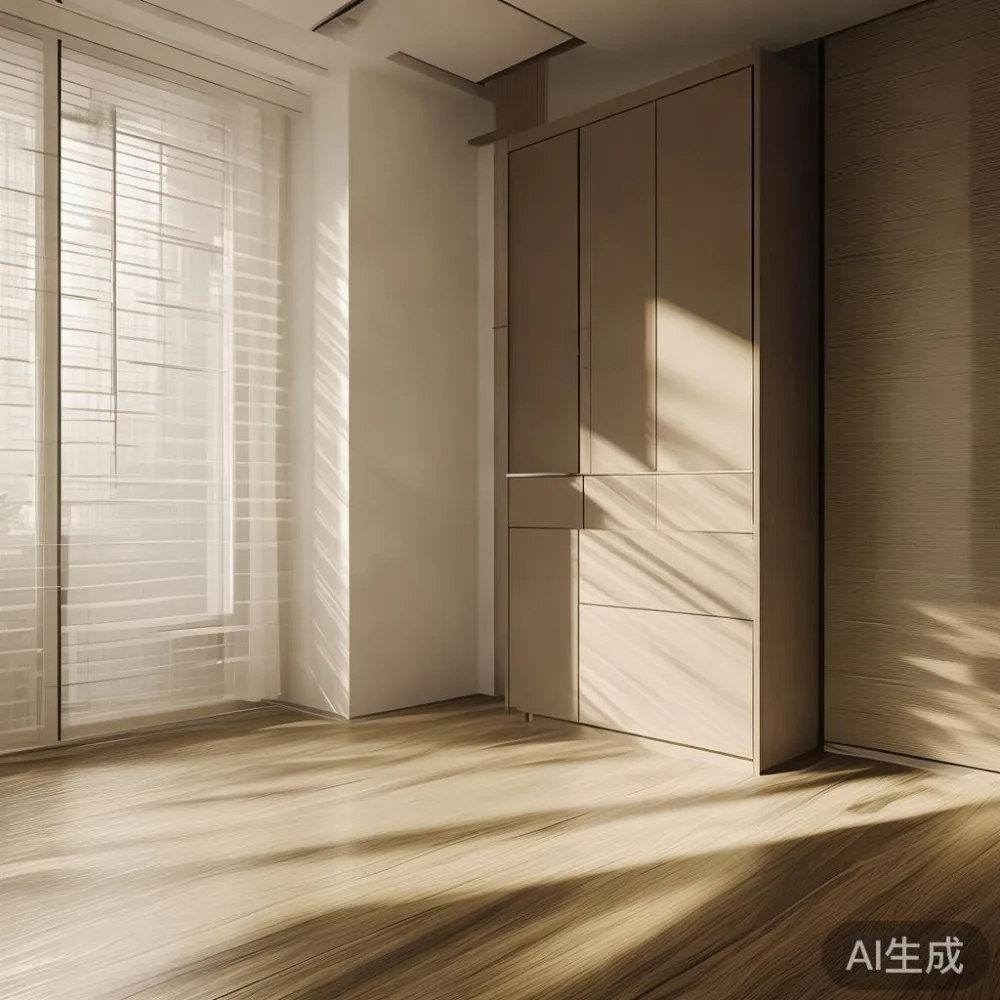
SINGAPORE’S HOUSING TYPES make these details especially important. A new BTO in Punggol, a refreshed HDB flat in Tampines, and a compact condominium near Bedok can each present a different delivery challenge. Lift dimensions, corridor turns, parking access, and the level where the owner expects the cabinet to stand should be checked before dispatch. For MIDHILL, a Foshan solid wood furniture maker established in 2008, the practical approach is to treat delivery as part of the product specification rather than an afterthought.
How wide is the lift, and will the shoe cabinet turn in the corridor?
A product page may state that a shoe cabinet is 90 cm wide, 40 cm deep, and 110 cm high, but that alone does not prove it can reach your home. The delivery route needs at least three measurements: the lift door opening, the lift’s internal dimensions, and the narrowest usable corridor or landing. In many Singapore developments, the lift door is around 90 cm wide, while the cabin may be approximately 110 cm deep and 140 cm tall. Older or lower-rise blocks can have smaller openings, so the homeowner should measure rather than assume.
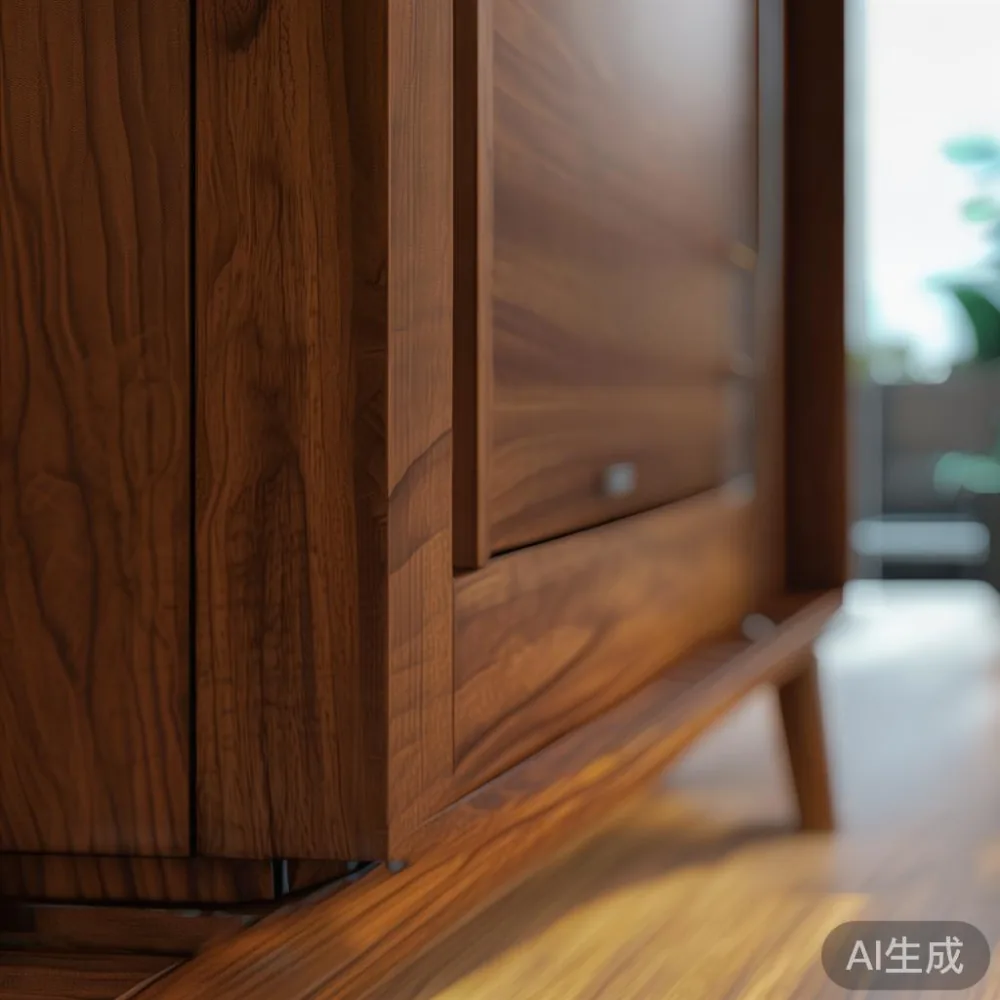
The cabinet’s longest dimension must fit through the smallest opening with a sensible safety allowance. For example, a 120 cm wide shoe cabinet will not enter a lift through an 85 cm opening merely because it can be tilted diagonally. Its 40 cm depth becomes relevant: 120 cm diagonally is about 126 cm, and the internal space must accommodate that shape without damaging doors, walls, or the cabinet.
Corridors also have turning points. At a right-angled turn, a rigid cabinet may need to be angled, raised slightly, or partially disassembled. Carpet, terrazzo thresholds, fire-safety doors, and sharp corners affect the manoeuvre. If the cabinet has removable legs or a split carcass, delivery becomes more manageable. Ask the seller for the packed dimensions, number of cartons, carton weights, and whether assembly tools are included.

Last month I visited a colleague in a Tampines HDB flat to observe a shoe cabinet delivery. The carton measured 116 × 44 × 18 cm and weighed about 31 kg. It cleared the ground-floor entrance but would not turn easily on the third-floor landing. The delivery crew removed two carton panels, carried the sections separately through the lift, and joined them beside the shoe cabinet’s final position. The installation took 22 minutes. A pre-delivery measurement that morning would have saved the crew roughly 8 minutes and reduced the stress of moving a large box around the landing.
What does delivery cost, and how long will it take?
The delivery quote should separate freight, handling, indoor placement, and assembly. A single shoe cabinet may attract a basic doorstep delivery fee of SGD 18–35, while a coordinated two-person service to place it inside the room and assemble it may cost SGD 45–90. Additional charges can apply for upper-floor carrying, extended carrying beyond the lift, or narrow-access work. These ranges are practical planning figures, not universal rates, so confirmation should be obtained before payment.
For MIDHILL orders above US$350, the stated shipping benefit applies to eligible international destinations, but the customer should still confirm how a Singapore order is treated, including local GST and any customs or clearance steps. Singapore levies a 9% GST on imported goods, and a foreign currency card may add a card-conversion charge of roughly 1%–3%, depending on the issuer. A quoted price of SGD 680 before tax may therefore appear as SGD 741.20 after 9% GST, before any payment fee.
Production and delivery usually take 25–45 days for a made-to-order solid wood shoe cabinet, followed by approximately 3–8 days for international transport and local handling. Stock items can be faster, perhaps 7–18 days in total, although warehouse location matters. A sensible Singapore planning window is 4–9 weeks for a customised finish. Customers who need a cabinet before a move-in weekend should allow 8–10 weeks rather than relying on the final week of the estimated range.
Tracking should include more than a “shipped” status. Useful milestones are production completed, packed, departed factory, arrived in Singapore, cleared, and out for delivery. The delivery window should ideally be a date rather than a vague day, and the customer should know whether the driver calls before arrival. Clear communication helps prevent missed appointments in high-density HDB estates where parking bays and loading zones are shared.
Will the delivery crew carry it upstairs and assemble it?
“Free delivery” can mean very different things. It may cover delivery to the building lobby only, delivery into the home unit, or delivery plus assembly. Each service level should be recorded in writing. For a Singapore home, carrying beyond the lift is often a separate task. A shoe cabinet weighing 38–65 kg may require 2 people and lifting equipment; the crew should not improvise with a rope or attempt to balance it on a household trolley.
Assembly can take 15–40 minutes for a conventional shoe cabinet, depending on its construction. A flat-packed model with predrilled holes may take about 12–20 minutes. A wider cabinet with solid wood doors, adjustable shelves, and a plinth may take 25–35 minutes. If the cabinet is fixed to the wall for safety, allow another 10–15 minutes. Customers should confirm whether anchoring is included and whether the wall is suitable for the fixings supplied.
For shoe cabinets over 150 cm tall or 80 kg, a floor or wall restraint is sensible. The fixing method must suit the wall type: masonry may accept suitable plugs, while some partitions, feature walls, and metal-framed drywalls require a different approach. A professional should check rather than assume that screws will hold securely.
Damage responsibility also needs clarification. Photograph the carton on arrival and inspect visible panels before assembly begins. If a corner is crushed, a door is scratched, or a hinge is missing, the issue should be noted before the crew leaves. This process protects both customer and delivery team and makes a replacement request easier to document.
Do I need to remove the existing shoe cabinet before delivery?
Yes, unless the supplier confirms a collection or installation arrangement. Clearing the old shoe cabinet can take 30–120 minutes, depending on whether it is a small 70 cm unit or a wall-length installation. Emptying it, removing shelves, detaching doors, and shifting it away from skirting boards should happen before the delivery crew arrives. This creates a clear route and prevents the new cabinet from being placed where it later blocks access.
Measure the final position in advance. A shoe cabinet often needs clearance for hinged doors: allow at least 60 cm in front of a single door and more for drawers that extend 35–45 cm. A 110 cm wide model with two 55 cm doors may open against neighbouring furniture, so the whole room layout matters. For a narrow HDB utility area, the cabinet depth of 32–40 cm should be compared with the remaining walking space.
Protect the floor with a mat or heavy card beneath the assembly area. The package may include protective foam, but screws, tools, and timber offcuts still need somewhere safe to sit. Assemble the shoe cabinet in the room where it will stand, not in the corridor. Moving a completed cabinet can damage its joints and make it harder to level.
Can a shoe cabinet fit my Singapore home without looking oversized?
A shoe cabinet should relate to the wall opening, ceiling height, and daily circulation. In a compact HDB flat, a 90–120 cm cabinet may look proportionate, while a 160–180 cm unit can dominate an entryway unless the surrounding millwork balances it. In a larger condominium foyer, a 140–160 cm cabinet can work if the colour and grain are restrained. The useful rule is to leave enough visual breathing room and avoid pinching a passage below 70 cm where frequent movement occurs.
Solid wood construction affects both appearance and weight. A cabinet made with oak, ash, walnut-toned timber, or rubberwood may weigh 45–70 kg, compared with approximately 22–35 kg for many particleboard alternatives. The stronger weight is acceptable when it provides stable shelves and durable joints, but it makes packaging and route planning more important. A useful product specification includes timber type, finish, shelf load rating, drawer mechanism, back-panel construction, and warranty length.
Light-luxury styling is possible without making the shoe cabinet look like a display monument. Pale oak, warm beige, muted taupe, and natural cream suits many Singapore interiors. French light luxury often suggests pale woods, restrained profiles, and gentle symmetry, while American light luxury can use warmer walnut tones and clean joinery. Post-modern light luxury may introduce softened geometry and mixed textures. MIDHILL’s 10-year structural warranty and lifetime refinishing policy give customers useful long-term reference points when comparing finishes.
The same design vocabulary should apply across the home. A shoe cabinet with matte cream fronts and rounded corners can sit beside a solid wood sofa, bed frame, or dining table without feeling unrelated. A marble table nearby introduces a harder texture, so the cabinet should remain quiet rather than compete. For a bedroom, the terms can connect more directly: a nightstand might echo the cabinet’s finish, while a wardrobe uses matching grain direction.
What should I check before clicking “order”?
A short checklist reduces delivery-day surprises. Confirm the packed size, unpacked size, weight, carton count, and delivery scope. Measure the lift door, cabin, corridor turns, home entrance, and final position. Ask whether the cabinet is fully assembled or flat-packed, and whether the delivery crew provides tools. Record the expected production time, dispatch window, transit time, and return procedure.
It also helps to read the policies in detail. MIDHILL offers a 14-day return period and lifetime refinishing, but returns can involve restoration fees, freight charges, or restrictions for customised dimensions and finishes. A shoe cabinet with a bespoke width, for example, may not be returnable as a standard catalogue item. The customer should confirm the condition required for return and whether the original packaging must be retained.
Design references can make product selection more precise. A listing combining designer Modern light luxury furniture with a shoe cabinet should explain whether the modern character comes from the frame, door profile, hardware, or finish rather than using the phrase without detail. A page focused on light luxury dressing table ideas can demonstrate matching timber tones, but the shoe cabinet still needs its own functional measurements. A dining collection described as Modern for dining room should connect its proportions to the cabinet’s restrained geometry.
Broader comparisons also deserve practical context. A search for wholesale Italian light luxury furniture may focus on imported visual language, while the delivered Singapore cost must include freight, GST, access, and after-sales care. A customer comparing the best French wardrobe for 2026 should check carcass material, hinge type, internal fittings, and wall anchoring, not only the external finish. Likewise, a search for the best Post-modern bed for 2026 remains more useful when accompanied by exact dimensions, clearances, and delivery terms.
How do I know the shoe cabinet is worth the delivery effort?
Judge the shoe cabinet by the whole ownership experience: accurate dimensions, sensible weight, protected packaging, a route that has been checked, clear communication, and support after arrival. A lower-priced unit can still be a sound choice if its construction, instructions, and delivery plan are credible. A visually impressive cabinet becomes frustrating if it cannot pass the lift or if the customer discovers on delivery day that assembly was not included.
In Singapore, preparation is part of the purchase. Keep the corridor and lift clear, reserve parking access, measure twice, and make sure the cabinet has 5–10 cm of height adjustment for uneven floors. Be present for inspection, keep photographs of the packing, and save the invoice and warranty details.
The goal is not simply to get a shoe cabinet through the door; it is to install it safely, level it, use it comfortably, and support it for years. Clear specifications and disciplined delivery planning turn that goal into a predictable process. Choose the finish, dimensions, and service level carefully, and the online purchase can be as considered as a showroom visit.