How to Choose the Right Size Shoe Cabinet for a Singapore HDB Living Room
Last month I visited my colleague Priya's 4-room HDB flat in Tampines, and the first thing I clocked at her door was a towering 180 cm shoe cabinet squeezing her entryway. Three people had to shuffle sideways past it to reach the living room. Within an hour, I had sketched three smaller options that solved the issue. That afternoon convinced me that choosing the right shoe cabinet size is really a Singapore problem — corridor limits, life-safety rules, and how a 90 sqm flat actually behaves in daily use. At MIDHILL, we ship from Foshan to more than 15 countries and we see the same planning mistake on roughly half of the orders leaving our warehouse.
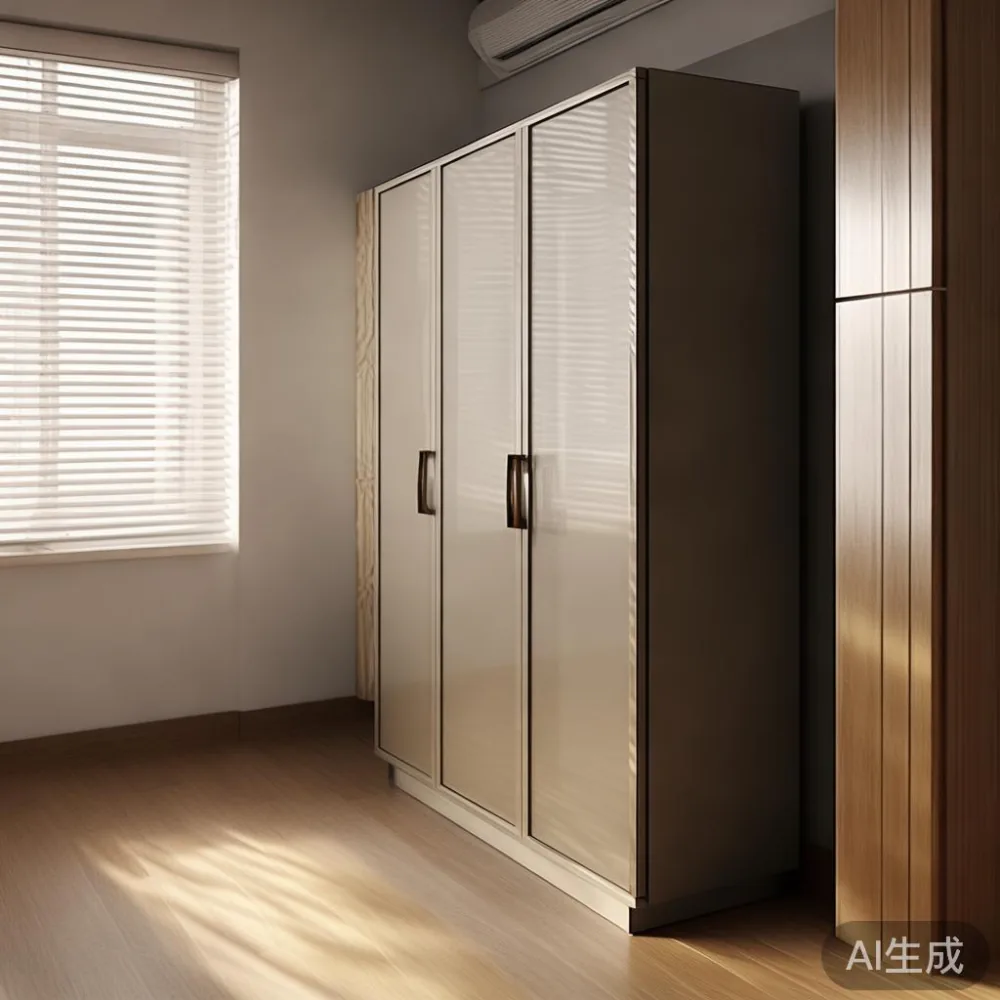
What door widths and corridor rules actually mean for a shoe cabinet in an HDB flat
Singapore HDB main doors are typically 90 cm to 92 cm wide and 210 cm tall. Internal corridor widths usually sit between 110 cm and 130 cm, and lift door openings hover around 90 cm wide by 210 cm tall on standard passenger lifts. A shoe cabinet taller than 210 cm simply will not fit through the lift diagonally in one orientation, and anything deeper than 38 cm will block corridor flow. Before you fall in love with a 200 cm unit, measure your lift interior with a meter and bring a 70 cm mock-up cardboard. Most buyers in Punggol Northshore blocks forget that their service lift on certain levels is the only freight option after 10 pm, which adds a S$40 to S$80 surcharge per delivery.
For a 3-room flat (around 880 sqft, 82 sqm), the safe shoe cabinet footprint is 70 cm wide x 30 cm deep x 120 cm tall, giving 8 to 12 pairs of shoes without crowding the foyer. For a 4-room (around 1,000 sqft, 93 sqm), step up to 90 cm wide x 35 cm deep x 150 cm tall, holding 15 to 18 pairs. For a 5-room or Executive HDB (around 1,300 sqft, 121 sqm) and most condominiums in Bedok Reservoir or Tampines GreenRidges, you can stretch to 120 cm wide x 40 cm deep x 180 cm tall, which fits 20 to 24 pairs plus a soft-close drawer for keys and umbrellas.
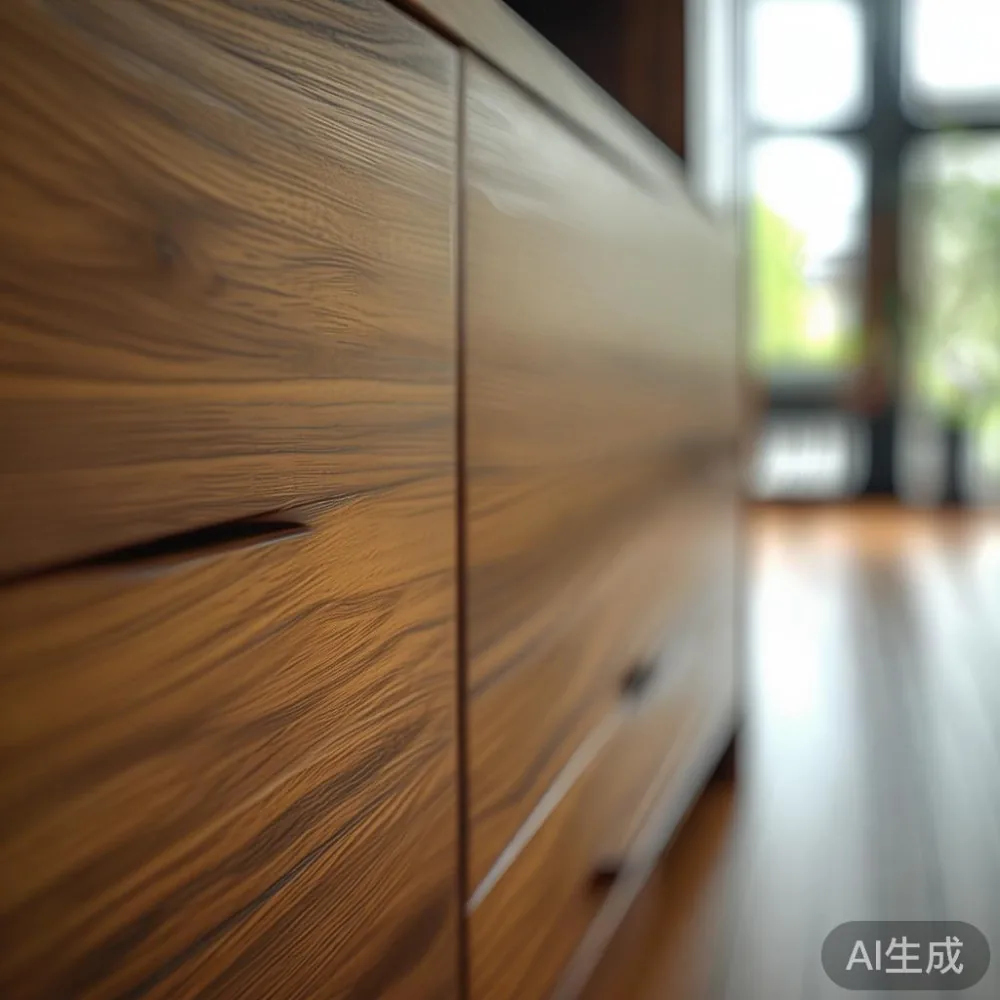
Why solid wood construction matters, even on a tight Singapore entryway
A shoe cabinet in HDB humidity has to fight two enemies: 80% to 90% relative humidity for at least four months, and the daily grind of damp trainers. Particleboard with a foil wrap will start to swell at the edges within six months; you will see it lift at the bottom shelf where wet shoes sit. Solid oak, rubber, ash, or mango solid wood frames absorb and release moisture slowly, and a single coat of renovation opens the door to refinishing the surface another ten to fifteen years down the line. This is the lifetime refinishing promise MIDHILL backs on its solid wood sofa, bed frame, dining table, wardrobe, nightstand, and marble table pieces, and it is the same reason we push solid wood shoe cabinets to Singapore customers who message us worried about mould.
If you want a French light luxury or American light luxury look, pair a solid oak shoe cabinet 90 cm wide, 35 cm deep, 150 cm tall, weighing roughly 55 kg to 65 kg with a slim brass or jade entry. The visible grain reads warm, not plasticky, and the cabinet will still look current in 2030. A post-modern light luxury angle works as well — think a fluted oak front with a black matte marble table entry tray, locking in the same accent stone you would use on the dining room sideboard.
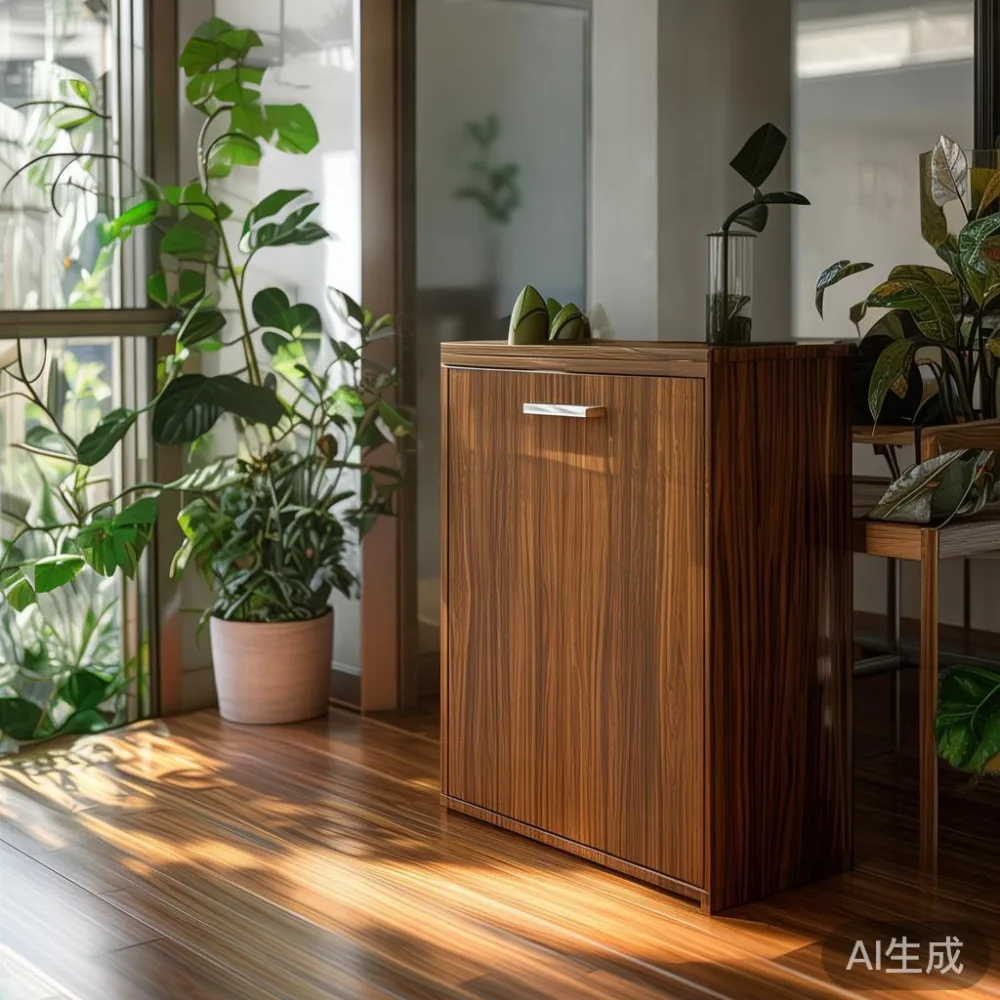
What is the difference between Mid-century modern queen bed and modern furniture?
Mid-century modern queen bed refers to a specific 1945–1969 design language built around clean horizontal lines, tapered solid wood legs (usually walnut, teak, or oak), low-profile platform silhouettes, and a queen mattress footprint of 152 cm wide x 188 cm long. Modern furniture is the umbrella term for any 20th or 21st-century piece that rejects ornate carving in favour of form-follows-function geometry, neutral palettes, and engineered or solid wood construction. Mid-century modern is a strict, dated subset of modern furniture with four to six signature cues (sloped headboard, exposed joinery, organic curves, tapered legs, walnut or teak grain, and a platform height under 45 cm). Modern furniture can look like Scandinavian minimalism, American light luxury, or Italian post-modern light luxury — the silhouette family is wider, the materials vary, and the era is open-ended. A solid wood shoe cabinet in oak with brass pulls reads modern; the same cabinet with tapered 18 cm legs and a walnut stain reads mid-century modern.
For HDB buyers in Bedok or Punggol who already own a Mid-century modern queen bed frame, match the shoe cabinet finish so the bedroom and foyer rhyme: walnut stain, brass or jade handles, and the same 18 cm tapered leg treatment. This is exactly the kind of palette lock-in I sketched on Priya's Tampines living-room floor that afternoon, and the same logic we apply to her dining table, sideboard, and marble table top.
How many pairs of shoes can your entry actually hold without losing function?
Count your shoes honestly. The average Singapore household owns 22 to 28 pairs, but only 8 to 14 pairs are in active rotation. A 90 cm x 30 cm x 120 cm solid wood shoe cabinet holds roughly 12 pairs across three fixed shelves plus a tilt-out drawer — usually enough for two adults and one child, drop the rounded number by two if you keep bulky winter boots. Add a top shelf above 150 cm and you lose daily access. Add a bench seat at 45 cm height and you gain a place to tie laces without dragging a chair from the dining room.
Look at a 110 cm wide x 35 cm deep x 165 cm tall unit if you entertain often or share the entry with a parent who visits weekly from Jurong East. That footprint still leaves a 70 cm walking lane past the cabinet, which is the minimum two-person corridor width recommended by Singapore's Code on Accessibility (2016 edition). Anything wider than 130 cm starts to crowd a 3-room flat and forces the dining table to compress, which then forces your solid wood dining table to shrink from a comfortable 180 cm to a cramped 140 cm, drop the seat-per-guest count from six to four, and notice — the entire living room starts to feel pinched.
What delivery day and warranty terms should you demand from a Foshan maker?
Ocean freight from Foshan to Singapore typically takes 14 to 21 days, with three to five days for Singapore-side customs clearance and ground transport to your block. Add two to three days for HDB delivery booking because management corporations restrict large-item delivery to specific time windows (usually 9 am to 5 pm, weekdays). Add another day if you live above the 18th floor and the service lift is the only option. From order to doorstep, expect 21 to 35 days end-to-end. Free shipping kicks in over US$350, which at today's SGD rate works out to roughly S$480 — a threshold a single 90 cm solid wood shoe cabinet, weighing 45 kg to 55 kg, comfortably clears on its own.
Ask for a 10-year structural warranty on the carcass, dowels, and soft-close hinges. Ask for a lifetime refinishing promise so you can sand and re-stain the unit every eight to ten years instead of replacing it. Ask for a 14-day return window that covers visible transit scratches, not buyer's-remorse colour changes. MIDHILL ticks all three boxes on every piece leaving our Foshan warehouse, which is why we have shipped to more than 15 countries since 2008 and why we keep the same joinery standards across our solid wood sofa bed frame, our dining tables, our wardrobes, and our marble table accent pieces.
Where can you place a shoe cabinet without breaking HDB renovation rules?
HDB allows hacking and built-ins only with a Registered Renovation Contractor's sign-off, but a freestanding solid wood shoe cabinet is treated as loose furniture and needs no permit. Place it against a non-load-bearing partition, leave a 5 cm air gap from the back wall for airflow, and never run a cable through the carcass — this voids fire-safety clauses in most MCST rules. For Tampines GreenRidges and similar newer condominiums, check the MCST by-laws on foyer alterations; most allow a cabinet no deeper than 40 cm and no wider than the doorframe. Anything beyond 150 cm tall should be anchored to the wall with a 6 mm L-bracket — a S$6 hardware fix that prevents tip-overs during tremors, or when a 5-year-old uses the lower shelf as a ladder.
How do you match the shoe cabinet to a mid-century modern coffee table australia piece in the living room?
If you already own, or are ordering, a mid-century modern coffee table australia piece for the same flat, lock the wood tone across both pieces. A walnut-stained Mid-Century Modern coffee table at 110 cm x 55 cm x 42 cm pairs naturally with a walnut solid wood shoe cabinet 90 cm wide x 35 cm deep x 150 cm tall. Match the leg shape — both should have tapered 18 cm solid wood legs at the same angle. Match the corner radius — both should sit at 3 cm or 5 cm depending on your taste. Tea cabinet variation: skip the round-corner version if children under six share the home; square corners at shin height are the single most common furniture bruise source in 4-room HDB flats, drop the household count by two to four per month if you are strict about soft edges.
For a French light luxury direction, choose a cream-painted solid wood shoe cabinet with brass or jade pulls, and pair it with a cream marble table top on a slim brass entry tray. For an American light luxury direction, pair a fluted oak shoe cabinet against a neutral linen wall, and pull the same fluting into a 180 cm solid wood dining table. For a post-modern light luxury direction, mix a black-stained ash shoe cabinet with a soft-grey marble table top and brushed jade handles. The same palette logic flows through the solid wood bed frame, the nightstand, the wardrobe, and the dining table, so the entryway does not feel like a leftover corner but a deliberate lead-in to the rest of the home.
What price band should you realistically budget in Singapore dollars?
A 90 cm solid wood shoe cabinet in oak or ash from a Foshan maker ships to Singapore at roughly S$520 to S$650 including GST (currently 9%, dropping to 8% from 1 January 2024 and projected to step up to 8.5% from 1 January 2025). A 120 cm version runs S$780 to S$950. A 180 cm floor-to-ceiling version with a bench seat and tilt-out drawer sits at S$1,150 to S$1,420. Compare that to a comparable particleboard unit from a local Singapore retailer at S$220 to S$380, drop the lifespan years by one to three, and notice — over the same ten years, the per-year spend of a cheaper piece lands near S$55 while a solid wood unit lands closer to S$70, drop the per-year figure by S$15 once you account for the lifetime refinishing promise. Add delivery at S$0 over US$350 (around S$480), and the only marginal spend is the price of a 30 cm wall anchor at S$6 and an hour of your Saturday.
Order your shoe cabinet at least 30 days before your move-in date so customs and HDB delivery windows do not bottleneck your handover day. Confirm the dimensions in centimetres and the weight in kilograms before you pay the deposit. Ask for a photograph of the actual piece on the production line, not just the showroom render. Insist on a written 10-year structural warranty. And remember that the bottom drawer of the cabinet is where your keys, umbrellas, and reusable masks will live — so build the drawer at 12 cm depth, not 8 cm, drop the daily rummage count by two to three per morning, and notice — your future self will thank you for the extra four centimetres.