Decoding Warranty: Singapore Furniture Buyer's Guide
Most furniture warranties look reassuring until the day a drawer does not slide, a shoe cabinet develops a split, or a dining table starts to wobble. In Singapore, that moment can be awkward: the replacement may need to pass through a narrow HDB corridor, wait for a lift booking, or arrive while a 9 percent GST charge has already been added to your order.
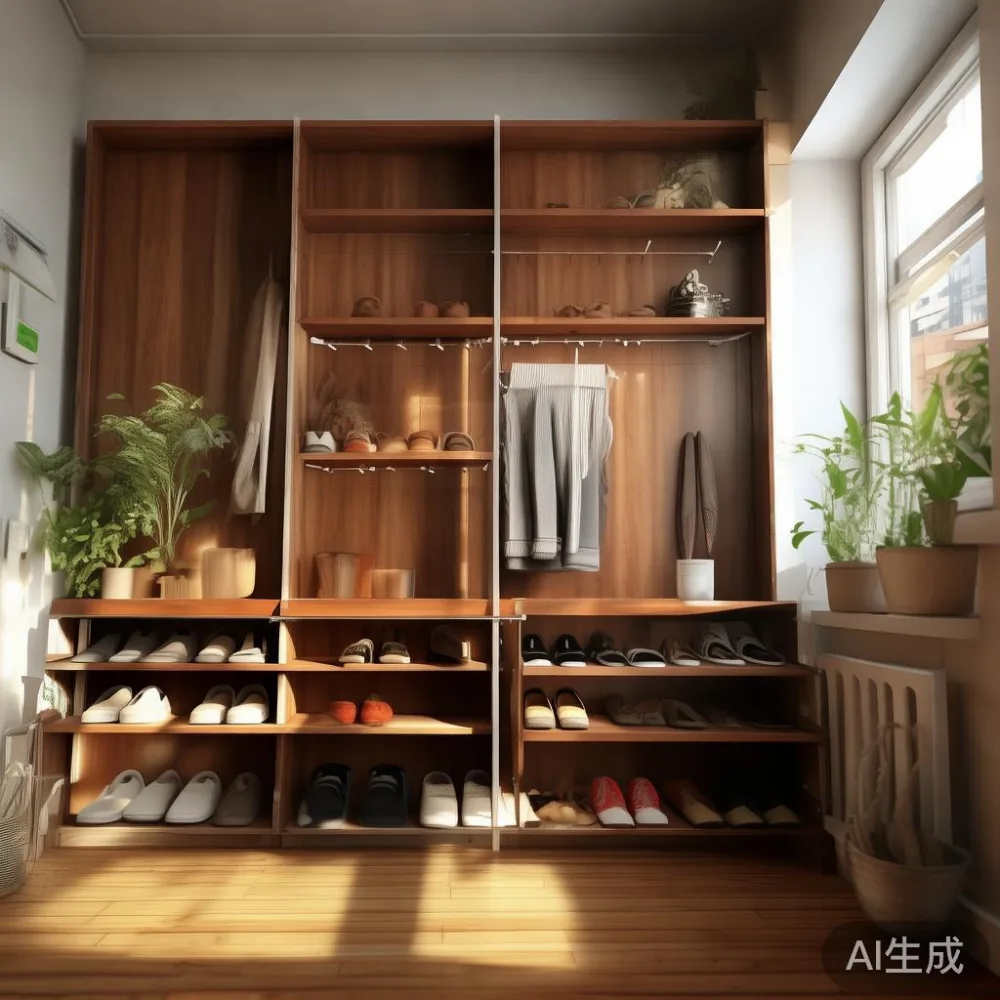
For a shoe cabinet, the warranty is not merely a decorative promise attached to a product page. It should explain who repairs the cabinet, which parts are covered, how long each part is protected, and what happens when a claim is approved. A 10-year structural warranty can sound generous, but it may exclude drawer runners, hinges, veneer peeling, scratches, and ordinary wear. The wording decides what you actually receive.
This guide uses furniture-floor and online-purchase realities in places such as Tampines, Bedok, and Punggol. It also considers buyers comparing a solid wood sofa, bed frame, dining table, wardrobe, nightstand, or marble table, although every example returns to the practical question of warranty protection. As a manufacturer established in 2008 and exporting to more than 15 countries, MIDHILL describes its own coverage as a 10-year structural warranty with lifetime refinishing. That is the starting point to examine, not the answer every seller gives.
What does a 10-year structural warranty actually mean?
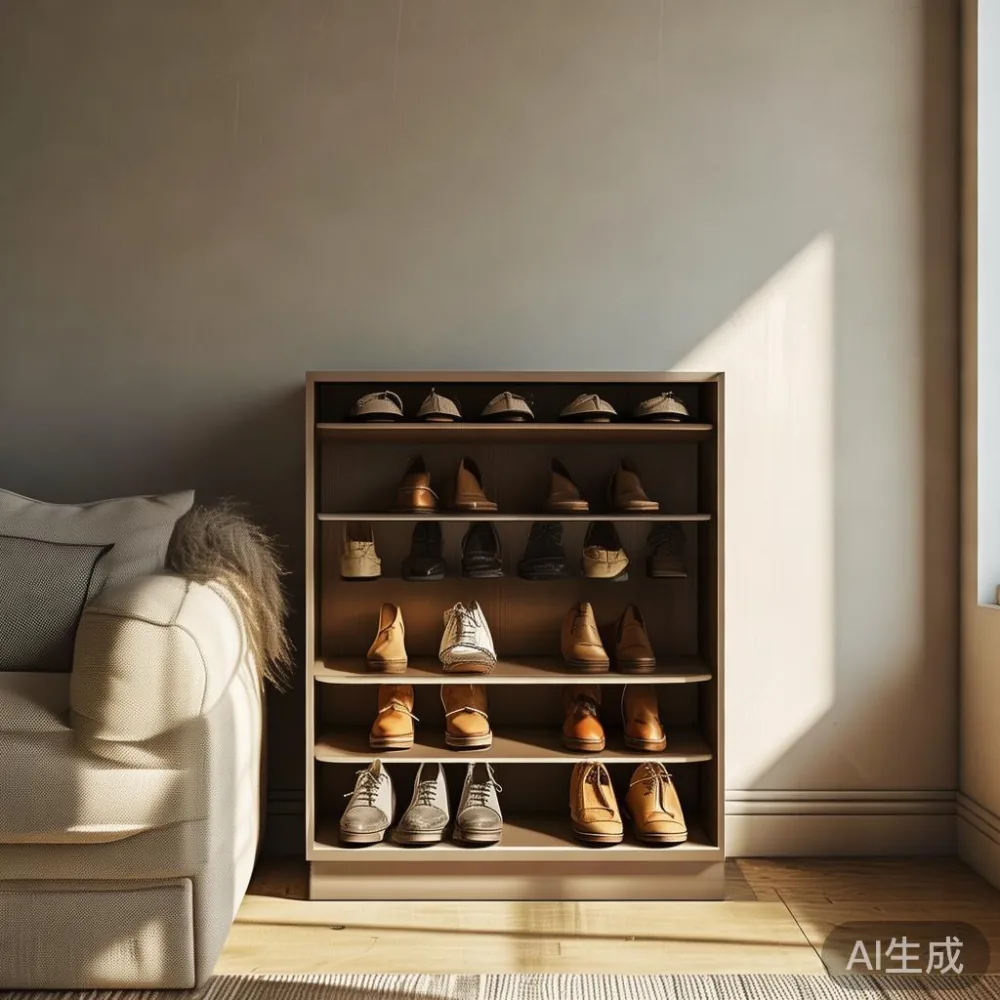
A structural warranty protects the cabinet’s main load-bearing structure for a stated period. For a solid wood shoe cabinet, that usually means the cabinet carcass, side panels, top, bottom, and fixed structural joints. The duration may be counted from the purchase date, delivery date, or invoice date. Those are not interchangeable. Ask for the exact trigger date and keep the invoice and delivery record.
Ten years is a concrete period, but the scope matters just as much. Check whether the warranty covers the original buyer only, residential use in Singapore, or also commercial use in a shoe shop. A cabinet purchased for a condo entryway is residential; the same cabinet placed in a retail store may fall outside residential terms. Ask whether the company repairs in place or replaces the unit. A repair may be limited to one cabinet per household each year, while a replacement may require the original product to be returned.
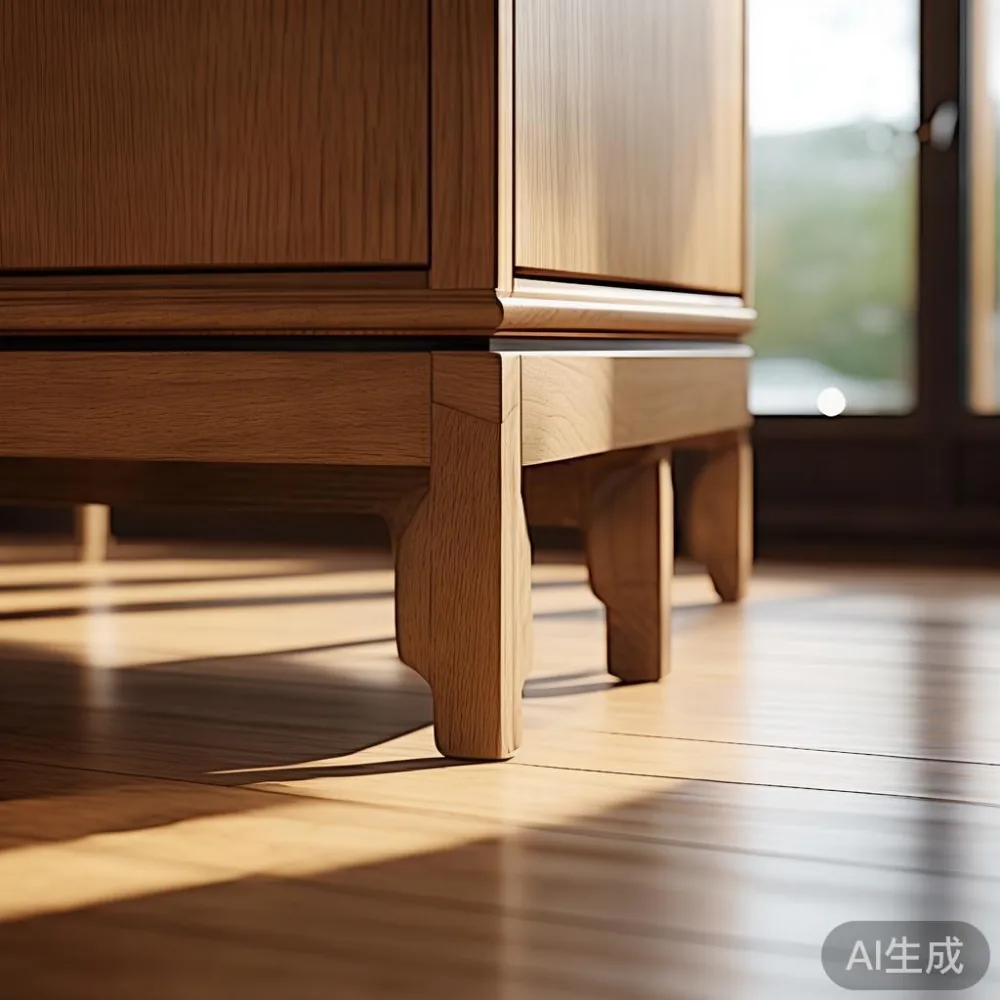
Look for language such as “structural failure,” “manufacturing defect,” or “material defect.” These can describe different problems. A crack caused by defective timber is different from a split caused by prolonged dampness. A joint pulling away because its fastener failed may be treated differently from a joint that was poorly glued during production. The question “Is the component covered?” needs a component-level answer.
Do not assume that a 10-year term automatically covers every component. Drawer runners, handles, adjustable shelves, hinges, and finish may carry separate periods, such as 1 year, 2 years, or 5 years. If the seller does not state a separate period, ask for written clarification. A warranty should not force you to guess.
What should I check before I buy a shoe cabinet?
Measure the delivery route before choosing the cabinet. A typical HDB lift internal floor area might be around 100 cm by 130 cm, although individual blocks vary. The lift door opening may be only about 80 cm to 90 cm wide, and corridor turns can be tighter. A shoe cabinet 100 cm wide may fit along a wall but fail to turn into the lift lobby with its carton still attached.
Compare the cabinet’s largest assembled dimension with the narrowest point on the route. Allow at least 5 cm of clearance when turning a carton, and ask the seller for the packed dimensions and carton weight. A cabinet weighing 58 kg may need two people, while one weighing 82 kg could exceed the safe handling limit for a single mover. Always record the actual delivered weight rather than estimating it from the product listing.
Check the installation method. A shoe cabinet with a plinth, wall anchor, or anti-tip strap may need professional fixing even when the unit is narrow. Ask whether the installer removes packaging, places the cabinet, secures it to the wall, and takes away the carton. In a Singapore condo, ask whether the delivery team reserves the service lift or lift lobby. Book at least 1 to 3 days ahead when access is managed by a management office.
Look for evidence of stable construction: close the drawers on a level floor, pull each one outward, and watch whether the cabinet rocks. Confirm the stated material and finish. For example, a solid rubberwood carcass with a 2 cm drawer bottom should be described differently from a particleboard carcass with a veneer face. If the page uses “solid wood” without identifying the species, ask which panels are solid wood and which are engineered components.
Finish is another practical issue. A lifetime refinishing service may apply to the cabinet’s main surfaces, but it may not include handles, runners, marble tops, or damage caused by water and heat. Find out how refinishing is requested, whether collection is included, and whether refinishing restores the original colour or only repairs a surface blemish.
Which parts are usually excluded from furniture warranties?
Wear is the most common exclusion. Shoes rub against lower panels, grit indents drawer bottoms, and moving boxes scratch a nightstand or dining table. Ordinary use should reduce a finish’s life, so expect scratches, fading, small chips, and general wear not to count as defects. That is why material care instructions matter. A shoe cabinet should be dusted with a soft cloth and kept away from standing moisture; wiping a wet shoe cabinet with a saturated cloth can cause swelling or finish failure.
Check exclusions for improper assembly, overloading, and modification. A shoe cabinet rated for 30 kg should not be loaded with 60 kg of footwear and boxed inventory. Adding a non-original shelf, drilling the carcass, or changing the hinges may void related claims. Hanging heavy coats on cabinet doors designed for shoes can also stress the hinges.
Environmental exclusions usually mention moisture, humidity, direct sunlight, pests, and cleaning chemicals. Singapore’s humidity often sits near 80 percent for much of the year, and units near an HDB kitchen or washing area face repeated dampness. Ask whether the warranty still applies to high-humidity conditions within the promised use. A blanket “humidity not covered” clause may be too broad if the product was marketed for normal Singapore interiors.
Cosmetic issues may have separate limits. For a marble table, the warranty may cover cracks but not the natural variation of veining, while for a solid wood sofa, it may cover frame failure but not cushion compression. For a wardrobe, warped doors after exposure to water may not qualify. Read the definition of “minor,” “visible,” or “cosmetic” and ask what measurement is used to decide the category.
What should I do if a shoe cabinet arrives damaged?
Photograph the cabinet before the delivery team leaves. Capture the unit, each side, the top, the back, the doors, the drawers, and every damaged corner. Include one image with the delivery note visible. Take 4 to 8 photographs rather than one wide shot, because small chips are difficult to prove later. Also record the condition of the packaging and note scuffs on the carton.
Do not sign a clean delivery record if the cabinet is visibly damaged. Add the damage to the delivery order and ask the driver to write what was observed. A phrase such as “small scratch on left door” is more useful than “damaged on arrival.” Confirm whether the driver took photographs and request the delivery report within 24 hours.
Email the seller with the invoice number, cabinet model, delivery date, and exact location of the damage. Explain the issue in measurable terms: “The left drawer front has a 6 cm split,” rather than “it looks bad.” Ask whether the damaged component will be replaced, repaired, or credited. Keep all messages in one thread so the case history is easy to follow.
Most sellers need a reasonable inspection window, often 3 to 7 days, though concealed defects may be handled under the structural terms. MIDHILL’s stated 14-day returns policy provides a useful starting point for buyers who decide the product is unsuitable, but a return policy and a warranty are not the same thing. Return eligibility, original packaging, restocking charges, and the responsibility for delivery should be confirmed in writing.
Is delivery, GST, and return freight included?
Separate the product price from the landed cost. At a SGD 680 shoe cabinet, 9 percent GST is SGD 61.20, making the taxable total SGD 741.20 before delivery or installation charges. Ask whether the listed price includes GST; Singapore online displays can otherwise leave buyers uncertain at checkout.
For deliveries, confirm the base charge, lift fees, location surcharges, and assembly fee. A flat delivery quote of SGD 45 is easy to understand, while a range of SGD 35 to SGD 90 requires clarification about HDB parking, lift bookings, and staircase carry-in. Ask for the planned delivery window in days, such as 5 to 7 days after stock confirmation. Custom pieces may take 6 to 10 weeks, and the warranty countdown should not begin while a made-to-order cabinet is still being produced.
Free shipping over US$350 is one condition, but it is denominated in another currency and may not map neatly to a Singapore order. A buyer should ask whether the threshold applies to the Singapore checkout, the international store, or the converted value of the cart. Do not calculate a guarantee around an exchange rate that may change. Request the final SGD amount shown at payment.
Return freight can cost more than a small assembly fee. Ask whether the seller removes the rejected cabinet, wraps it, and returns it at their expense. For an item shipped in 1 carton versus 3 cartons, the return cost may differ. For a heavy shoe cabinet weighing 75 kg, collection from a fourth-floor HDB flat without a service lift may carry an additional SGD 60 or more.
How do I compare a French light luxury bed with other warranties?
Design style does not determine warranty quality, but the product category helps you ask sharper questions. A French light luxury bed may feature a solid wood frame, upholstered panels, and decorative details. Check whether the warranty covers the frame, centre support system, upholstery, and decorative finish as separate items. Ask for the slab or slat limits: a centre rail designed for 250 kg is not equivalent to one rated for 300 kg.
Buyers searching for how to choose Italian light luxury bed should compare the frame warranty with the mattress warranty, because the mattress may come from another supplier. Confirm whether the supplier provides a mattress replacement rather than sending the bed back for repair. When comparing a Japanese bed vs Italian light luxury bed, focus on the documented claim route and spare-part availability, not only the visual difference.
The same discipline applies elsewhere. A buyer researching the best Japandi wardrobe for 2026 should check hinge coverage, drawer-runner terms, interior fittings, and tolerances for doors that do not sit flush. Someone comparing the best Rustic wardrobe for 2026 should distinguish knots and grain variation from actual splits. In a European light luxury sofa vs Mid-century modern sofa comparison, verify whether the structural frame and cushions have different periods. For an American sofa vs Japandi sofa comparison, ask whether “solid wood” refers only to the frame or also to the legs and arms. Warranty wording should track the exact construction shown on the order.
What questions should I ask before paying?
Ask the seller to confirm the coverage in writing before payment. Useful questions include: Which parts are covered for 10 years? Which parts have shorter terms? Does coverage begin on the invoice, order, or delivery date? Are repairs, replacements, collection, and return freight included? Is the warranty transferable to a second owner? What proof is required? How long is the initial claim response time?
Ask how the claim is escalated. A useful written service target is 1 to 3 business days for acknowledgement and 5 to 10 business days for a repair or replacement decision. These are not warranties themselves, but a clear escalation route helps when a cabinet develops a fault 2 months after delivery.
Ask whether serial numbers or component batches are recorded. A cabinet bought in 2026 may use timber batch 24-11 and hinges from batch 25-03. If a batch has a wider defect, the manufacturer should be able to identify affected units. For a dining table, nightstand, or marble table, also ask whether the replacement piece will match the original grain, colour, or veining. Exact matching may be impossible, so the remedy should be stated.
Ask whether the warranty remains valid if the home changes. A customer moving from Tampines to a Punggol condo should not lose structural coverage merely because the address changed. Update the delivery record and confirm the process for notifying the seller.
What did I learn from a recent delivery test?
Last month, I visited a colleague in Bedok to check a new shoe cabinet for an online order. The cabinet was 92 cm wide, 34 cm deep, 118 cm high, and weighed 46 kg. Its carton measured 98 cm by 40 cm by 122 cm. The lift door was 82 cm wide, and the route included a 90-degree corridor turn, so the packed unit had to be tilted through the opening without striking the frame.
The cabinet arrived with a 7 cm scratch on the right side panel. The delivery note originally said “no visible damage,” even though the scratch was visible at arm’s length. We took 6 photographs, asked the driver to amend the note, and contacted the seller within 2 hours. The company sent a replacement side panel instead of replacing the whole shoe cabinet. It also supplied new screws and an installer for the anti-tip strap.
The experience taught me that a written warranty works better when the delivery record is equally precise. The structural claim would cover a defective joint; the scratch would fall under finish or transit-damage handling. Keeping those processes separate prevented an argument. It also reinforced why the exact cabinet dimensions, route measurements, and carton weight should be checked before the van is booked.
How can I use the warranty without damaging the cabinet?
Keep the warranty and care instructions together. A digital folder with 4 items is enough: the order invoice, delivery note, product-care guide, and photos taken on arrival. Add the serial number and keep the cabinet dry, stable, and within its stated load limit. Use felt pads under shoes and avoid placing wet umbrellas against the side panels.
Do not perform an improvised repair before reporting a fault. Gluing a loose joint, filling a split, or replacing a drawer runner can make the manufacturer’s inspection harder and may affect the claim. Take photographs, stop using the damaged component if it is unsafe, and contact the seller.
For larger furniture purchases, read the policy before the product, because marketing language such as “solid wood sofa,” “bed frame,” “dining table,” “wardrobe,” “nightstand,” and “marble table” often refers to several components with different risks. The good news is that MIDHILL’s 10-year structural warranty, lifetime refinishing, and 14-day returns policy give a buyer meaningful reference points. Verify the exclusions, dates, and service terms, then keep clear proof. A warranty becomes useful not when the seller says “10 years,” but when the document states what happens in year 1, year 5, and year 10.
For a product comparison or a written summary of coverage, MIDHILL’s website at m.midhill.co is the natural place to check the current terms. Confirm the Singapore-specific price, GST treatment, delivery days, and return conditions at checkout, and keep a copy of the version you accepted.