From Cart to Corridor: Shoe Cabinet Delivery and Assembly Realities for Singapore HDB Buyers
Buying a shoe cabinet online in Singapore looks simple at checkout, then gets interesting when a 38-kilogram parcel meets a 1.2-metre-wide HDB corridor. I tested this myself last month when a client in Tampines ordered a three-tier solid wood shoe cabinet from a Foshan furniture maker, and the real story was never on the product page. It was in the lift, on the staircase landing, and in the narrow gap between the shoe rack and the front door. This guide walks through the delivery and assembly realities that Singapore buyers face when they order a shoe cabinet from an overseas solid wood specialist, with hard numbers on dimensions, weights, timelines, and the small details that decide whether your new entryway storage arrives as furniture or as a puzzle.
What Does "Free Shipping Over SGD 480" Actually Mean for a 35 kg Shoe Cabinet?
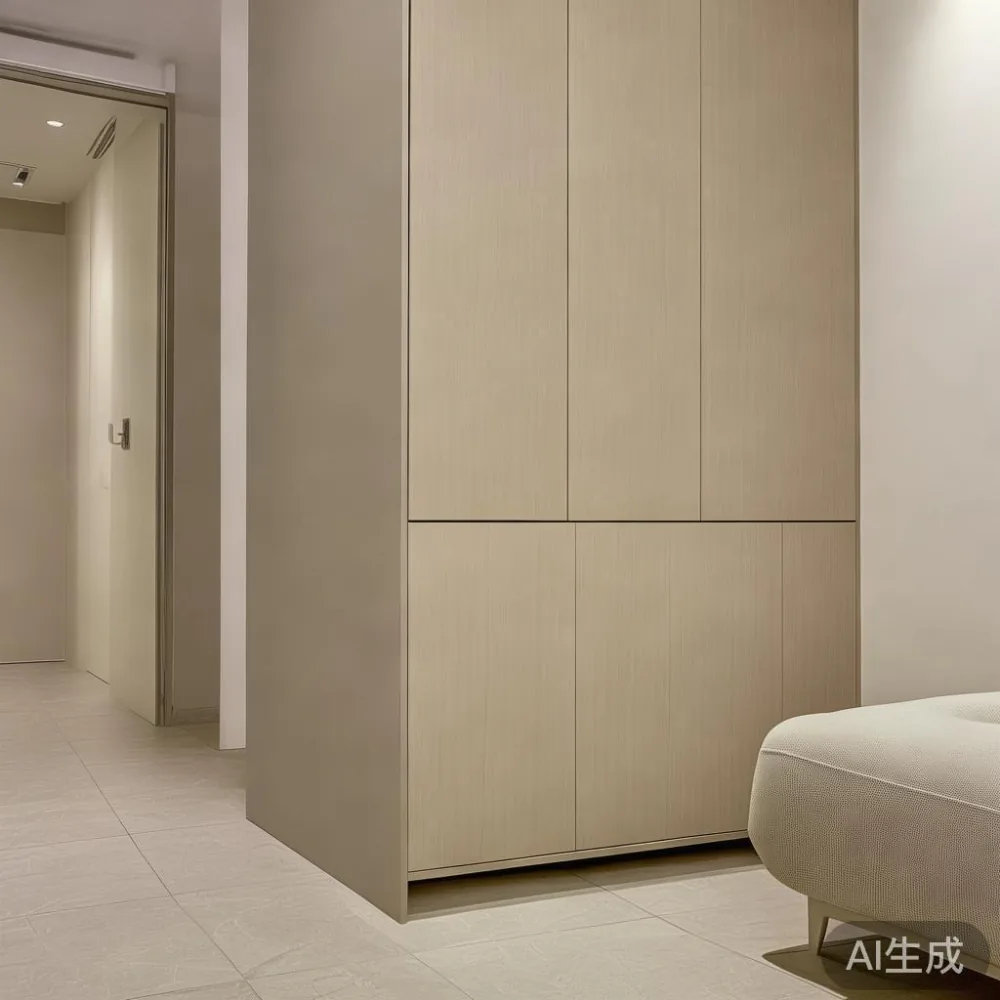
Most Singapore-facing furniture sites, including MIDHILL, draw the free-shipping line at roughly US$350, which converts to about SGD 480 at current rates. A solid wood shoe cabinet built from ash or rubberwood in three or four tiers usually weighs between 28 kg and 42 kg once crated, so the price threshold is easily cleared. What the headline does not say is what sits behind the threshold: door-to-door sea freight from a Foshan furniture port to Singapore typically takes 18 to 28 days, plus 3 to 5 days for last-mile delivery from a Jurong logistics hub to your block in Bedok or Punggol.
GST adds another layer. Singapore imposes a 9% Goods and Services Tax on imported goods above the SGD 400 personal relief threshold, calculated on the CIF value (cost, insurance, freight). On a SGD 1,200 shoe cabinet, that is roughly SGD 108 in tax, usually pre-paid by the seller and shown as a line item on your invoice. Many buyers in Tampines and Sengkang are surprised the first time they see a "GST 9%" line, because the product page never mentions it. A reputable seller will state the GST treatment clearly before checkout and email a tax receipt that your courier can show at customs.
Will a Solid Wood Shoe Cabinet Fit Inside a Standard HDB Lift?
This is the single most common question I get from buyers in HDB blocks built between 1990 and 2015, where passenger lifts typically measure 1.1 m wide by 1.4 m deep with a 750 mm to 800 mm door opening. A crated shoe cabinet at 120 cm tall, 90 cm wide, and 35 cm deep clears the floor plan only when the carton is tilted vertically or stood on its short edge. Tilted, a 90 cm wide by 120 cm tall crate slips through an 800 mm lift door with about 5 cm of clearance on each side. Standing, the same crate refuses to enter.
Three practical options exist when the crate does not fit. First, request knock-down delivery: many solid wood shoe cabinets ship flat-packed with legs, shelves, and panels separated, dropping the largest carton dimension to around 95 cm by 65 cm by 18 cm. Second, schedule a loading-window delivery between 10 am and 4 pm when service lifts in newer condos are free. Third, for walk-up apartments on the fourth floor or higher with no lift access at all, ask whether the seller provides manpower surcharges. In Singapore, two-man delivery with carry-up to a fourth floor typically costs an extra SGD 40 to SGD 80 per trip. A 35 kg crate carried up four flights takes about 12 minutes per man, so crews prefer to bill by flight rather than by minute.
How Long Does Assembly Take, and What Tools Do I Actually Need?
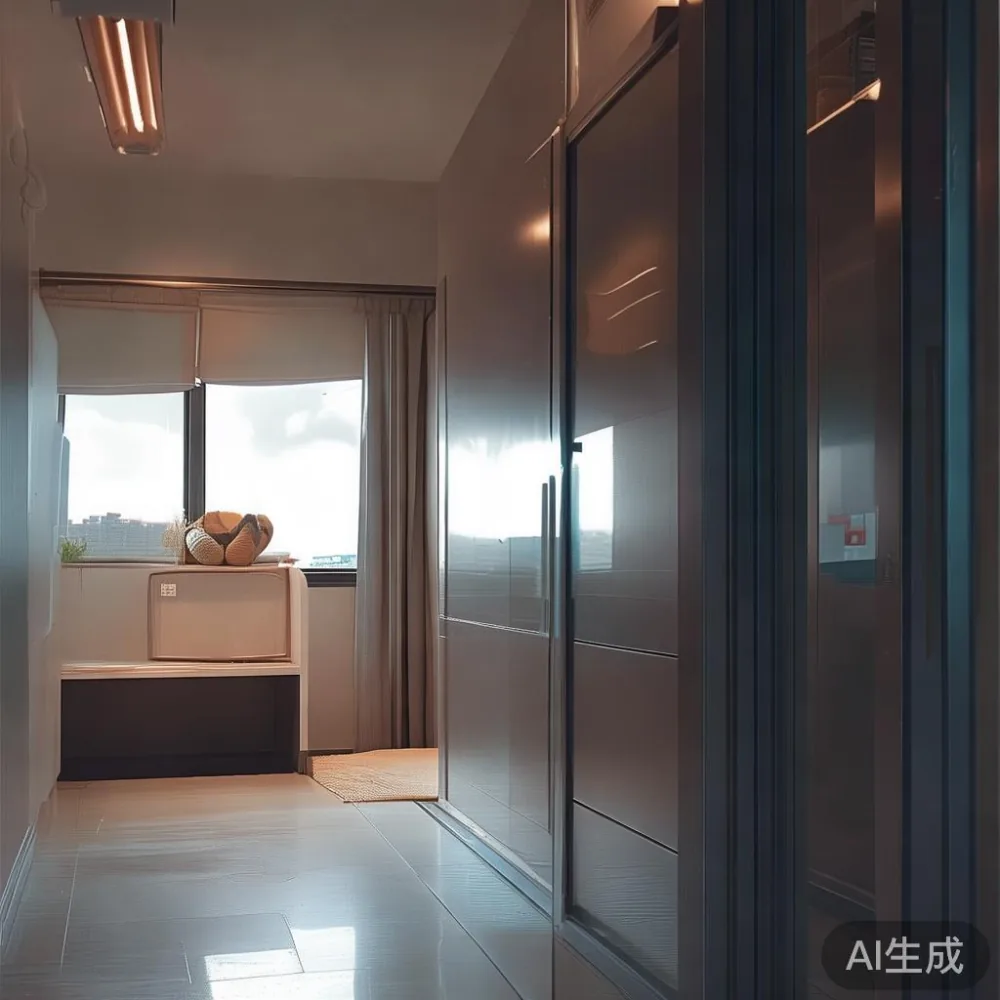
A four-tier solid wood shoe cabinet with six adjustable shelves arrives with between 14 and 22 panels, depending on whether the back panel is one solid board or two thinner pieces joined mid-height. In my colleague's Punggol Waterway Terrace unit last week, the assembly took 95 minutes for a first-timer working alone with a cordless drill, a rubber mallet, and the included hex keys. With two people and a proper ratchet set, the same cabinet closes in roughly 50 minutes.
Most solid wood shoe cabinets use a combination of dowel pins, cam locks, and 6 mm by 50 mm confirmat screws. The dowels align the panels; the cams pull them tight; the confirmats anchor the back panel so the cabinet does not rack sideways. Two practical pitfalls show up again and again. First, people over-tighten the cam locks and crack the particleboard insert inside the cam hole. Solid wood side panels forgive this better than MDF, but the rule still holds: tighten until resistance appears, then a quarter turn more. Second, the back panel is often a 3 mm MDF or hardboard sheet that sits in a rebate. Slide it in last, after the carcase is square, and fix it with the small screws provided, spacing them about 15 cm apart. Skip this step and a 1.6 m tall cabinet will lean 3 to 5 mm forward when loaded with shoes.
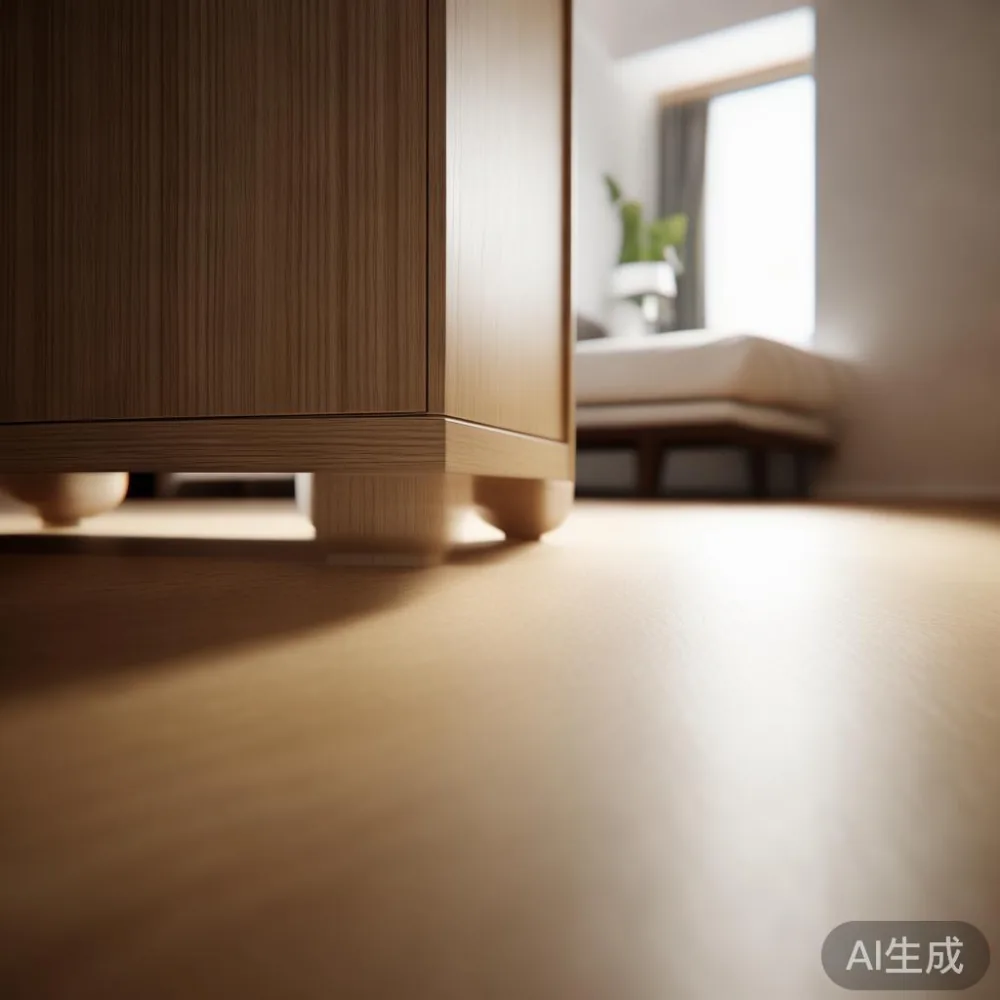
Floor protection matters more than most buyers expect. A loaded shoe cabinet at 35 kg can scratch vinyl flooring under a 1 cm by 1 cm contact patch, leaving marks that do not buff out. Felt pads, included by brands such as MIDHILL, cost about SGD 6 for a pack of 16 and prevent the issue entirely. If your unit uses parquet or engineered wood, add a 2 mm rubber mat under each leg; the extra stability also reduces wobble on slightly uneven HDB floors, which can vary by 4 to 6 mm across a 3 m span in older blocks.
What About Warranty, Returns, and Refinishing Once the Cabinet Is in My Home?
Singapore buyers are protected by the Consumer Protection (Fair Trading) Act, which gives a baseline of reasonable fitness for purpose, but furniture-specific terms vary widely by seller. The stronger guarantees in the cross-border solid wood space look like this: a 10-year structural warranty against frame breakage and joint failure, a 14-day return window for unused items in original packaging, and lifetime refinishing support for surface scratches and fading. MIDHILL publishes all three on its Singapore pages, which is unusual for the category and worth checking against any quote you receive from another Foshan furniture maker.
The 14-day return window is the trickiest clause to use in practice. A shoe cabinet delivered flat-packed, opened, and assembled is generally not eligible for return because the crate has been broken and the wood exposed to indoor humidity. A "change of mind" return only works if you refuse delivery at the door before unboxing. For damaged-in-transit claims, photograph the crate before opening it and any visible compression marks on the panels within 24 hours; couriers in Singapore typically allow 48 hours for damage reports, but the earlier you file, the easier the replacement process.
Lifetime refinishing sounds like a marketing line until you use it. Solid ash, rubberwood, and white oak all darken with UV exposure over 6 to 18 months, and a shoe cabinet sitting near the HDB door catches a lot of morning sun. A refinishing service, where the seller ships you a tint-matched touch-up kit or arranges an on-site sand-and-recoat at SGD 120 to SGD 220 per piece, extends the cabinet's visual life well past the warranty period. For buyers in Punggol and Seng Kang who face strong east-facing morning light, this is often a deciding factor between a solid wood unit and a cheaper melamine alternative.
Is the Whole Experience Worth It Compared to a Local Singapore Furniture Shop?
Local Singapore retailers stock mainly flat-pack MDF and engineered wood shoe cabinets in the SGD 280 to SGD 600 range, with same-day or next-day delivery. A direct-from-Foshan solid wood unit costs roughly 40% to 60% more at SGD 900 to SGD 1,800, but ships in solid panels that will outlast an MDF carcass by 8 to 12 years in tropical humidity. The trade-off is clear: speed and convenience versus material quality and lifespan.
For buyers furnishing a whole BTO in Punggol or a resale flat in Bedok, the calculus shifts when the shoe cabinet is bought alongside a matching solid wood sofa, bed frame, dining table, wardrobe, and nightstand. A coordinated solid wood suite from one Foshan furniture maker, including a marble table for the living room, shares the same wood tone, the same hardware finish, and one delivery window. Coordinating this across five local shops usually means five delivery dates, five corridor inspections, and five sets of packaging to dispose of. A single consolidated order, even at 35 to 45 days total lead time, often feels simpler once the boxes arrive.
Will the Shoe Cabinet Match the Rest of a Light Luxury Home?
Style fit matters as much as dimensional fit. Many buyers in Singapore are now furnishing around the French light luxury or American light luxury look: thin metal legs, soft-close hardware, neutral palettes in cream, taupe, and warm oak. A solid wood shoe cabinet in white oak with brushed brass pulls drops cleanly into that scheme, while a dark walnut unit reads as a different design language entirely. Buyers working from mood boards that include the French sofa vs Japandi sofa comparison usually land on lighter oak with paper-r cord or cane inlays, which suits HDB ventilation and avoids the heavy, closed feel that solid timber can create in a small entryway.
For buyers browsing the 2026 French provincial furniture collections, the shoe cabinet is the easiest piece to overlook and the hardest to replace later. Skirting a provincial look in the living room but anchoring it with a flat-pack MDF shoe rack creates a visible mismatch at the threshold. A matching solid wood shoe cabinet in the same provincial silhouette, complete with chamfered legs and a hand-rubbed matte finish, ties the entrance to the rest of the home and protects the design investment.
One comparison worth understanding is the Japanese bed vs Modern bed debate that runs through most Singapore bedroom mood boards, because the same logic applies to entryway furniture: Japanese styling favours exposed joinery and low, clean lines; modern styling favours closed volumes and minimal hardware. A Japanese-influenced shoe cabinet uses visible dowels and an open slatted shelf; a modern unit hides hardware behind push-to-open doors. Both work; mixing them in one home rarely does.
For households choosing between a light luxury bed vs French provincial bed, the shoe cabinet at the door is the first piece visitors actually see, so it should preview the bedroom language rather than contradict it. A French provincial cabinet with carved apron and cabriole legs announces the bedroom's carving language; a light luxury cabinet with a 12 mm overhang and brass inlay announces the bedroom's restraint. Either choice works as long as both pieces are deliberate.
The same principle guides buyers studying best Italian light luxury furniture references: the entrance should not introduce a different wood species, a different finish sheen, or a different hardware line than the bedroom and dining room. Consistency across a shoe cabinet, a solid wood dining table, and a marble table in the living room is what turns a flat into a furnished home, and what protects resale value when the lease cycle comes around.
What Should I Measure and Photograph Before Clicking Checkout?
Three measurements and two photos will save every Singapore buyer a return trip. Measure the corridor width at its narrowest point, usually near the lift lobby or the refuse chute corner; measure the lift door width and depth; measure the final position of the shoe cabinet including 5 cm clearance for hinge swing and 10 cm clearance above for any overhead beam or shelf. Photograph the corridor with a tape measure held in frame, and photograph the lift interior with the same tape measure. Email both to the seller before dispatch. A good Foshan furniture maker will confirm the crated dimensions against your lift diagram within 24 hours, and adjust the packing if needed. MIDHILL's Singapore team handles this routinely for Tampines, Bedok, and Punggol buyers and will rearrange the crate orientation on request.
Two final checks round out a smooth delivery. Confirm that the unit number, floor, and postal code on the order match the courier's system 48 hours before dispatch, since Singapore couriers cannot redeliver to a different block without a fresh surcharge. And clear a 1.5 m by 1.5 m assembly area near the final position, ideally on a hard floor, because assembling a shoe cabinet on carpet means lost screws, scratched baseboards, and a wobbly finished product. With these checks done, the 25-to-35-day wait becomes a manageable part of furnishing a Singapore home rather than a delivery surprise.