How Tropical Humidity Affects Solid Wood Furniture in Singapore
Singapore experiences consistent high humidity levels throughout the year, creating a unique environment for interior furnishings. The average relative humidity often hovers between 75% and 84%, with temperatures ranging from 25 to 31 degrees Celsius. This persistent moisture in the air interacts directly with organic materials, causing wood fibers to expand and contract continuously. Homeowners purchasing solid wood pieces must understand these physical reactions to maintain structural integrity over time. A piece bought in a dry climate might behave differently here, requiring specific care strategies to prevent warping or joint failure. Understanding these environmental factors helps buyers make informed decisions about material selection and placement within their living spaces.
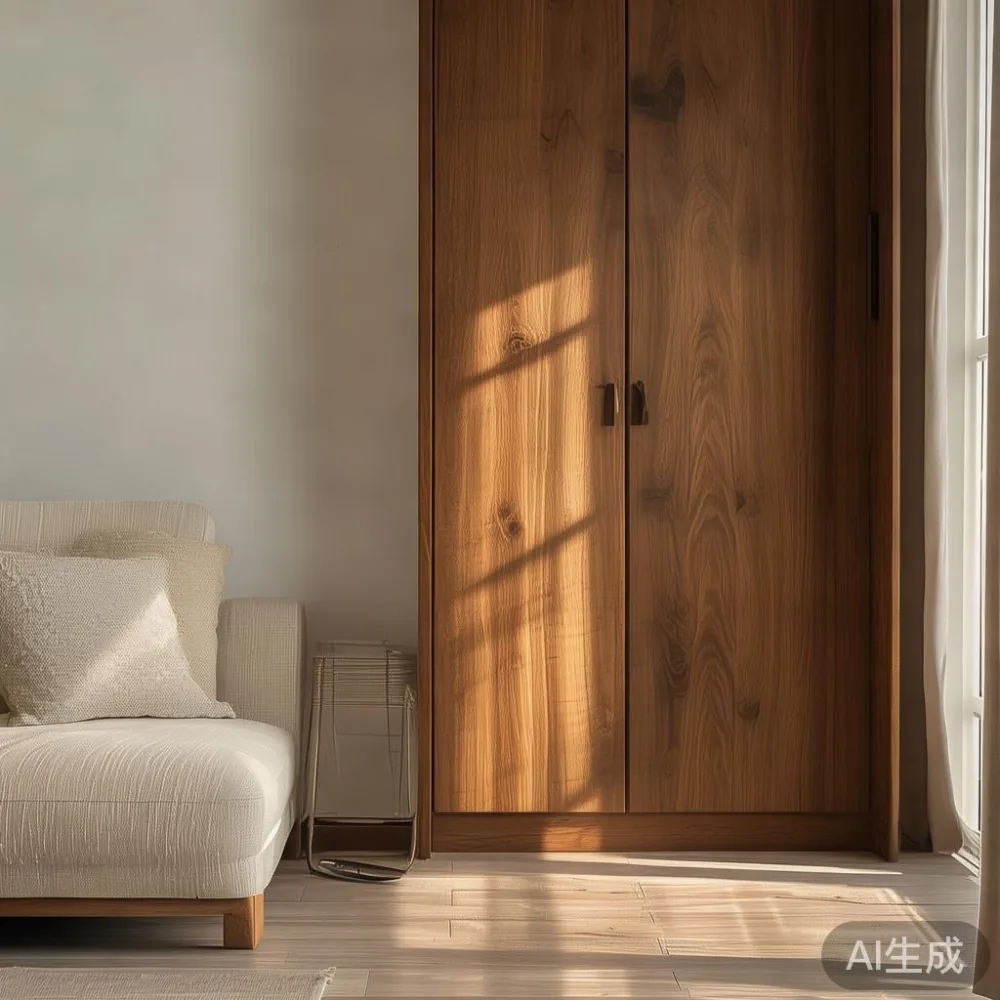
Wood moisture content typically equilibrates with the surrounding air. In Singapore, stable wood should maintain a moisture content of approximately 12% to 15%. If the wood was dried to 8% for export from a drier region, it will absorb moisture upon arrival. This absorption causes expansion, potentially leading to tight drawer slides or sticking doors. Conversely, during periods of heavy air conditioning use, humidity drops, and the wood may shrink. This cycle of movement stresses joinery and finishes. Proper acclimatization before assembly allows the material to adjust to local conditions, reducing the risk of immediate structural issues. Buyers should allow new items to sit in the room for 48 hours before final assembly or heavy use.
Understanding Tropical Humidity Levels and Wood Movement
Technical data shows that wood expands across the grain more than along the length. A standard oak board might expand 0.1% for every 1% change in moisture content. In a Singapore home, seasonal shifts can cause moisture content to fluctuate by 3% to 4%. For a 100 cm wide tabletop, this translates to a movement of 3 mm to 4 mm. While this seems small, it exerts significant pressure on fixed joints. Manufacturers design furniture with expansion gaps to accommodate this movement. A dining table with a fixed apron needs sufficient clearance to prevent the top from cracking during high humidity months. Ignoring these tolerances leads to visible damage over a period of 2 to 3 years.
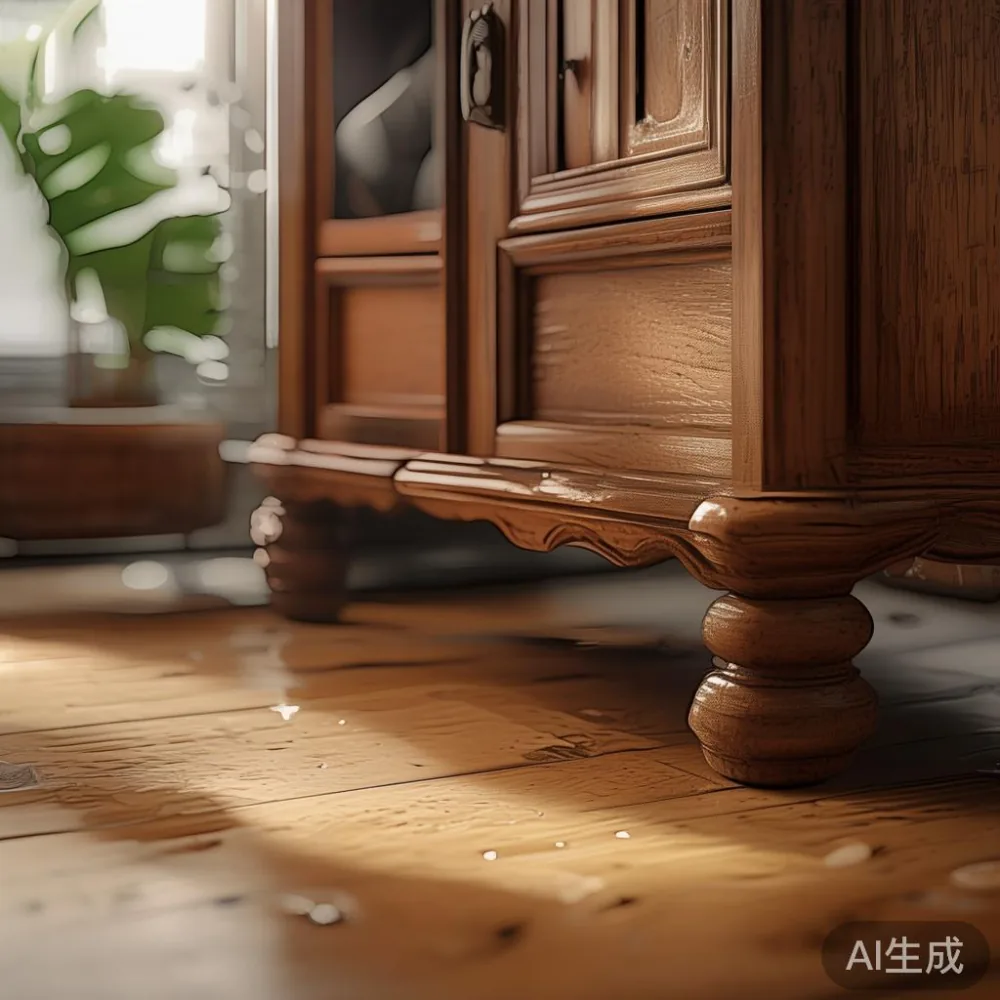
Ventilation plays a key role in managing moisture exposure. Enclosed spaces trap humidity, increasing the risk of mold or finish degradation. Leaving a gap of 5 mm behind large units allows air circulation. This practice is particularly important for items placed against external walls, which may experience temperature differentials. In older HDB flats, external walls can transmit heat, creating microclimates that affect nearby furniture. Positioning items away from direct sunlight also reduces heat buildup, which accelerates moisture evaporation and uneven drying. Consistent indoor temperatures between 22 and 26 degrees Celsius help maintain stable humidity levels, protecting the investment in solid wood pieces.
Finishes act as a barrier against moisture exchange. Oil-based finishes penetrate the wood, offering protection from within, while lacquer creates a hard shell on the surface. In high humidity, a hard shell might trap moisture if the wood was not properly dried beforehand. Oil finishes allow the wood to breathe, adjusting more naturally to environmental changes. However, they require reapplication every 12 to 18 months to maintain effectiveness. Wax coatings provide an additional layer of protection, repelling water spills and reducing surface absorption. Homeowners should inspect finishes annually for signs of wear, such as dullness or whitening, which indicate moisture penetration.
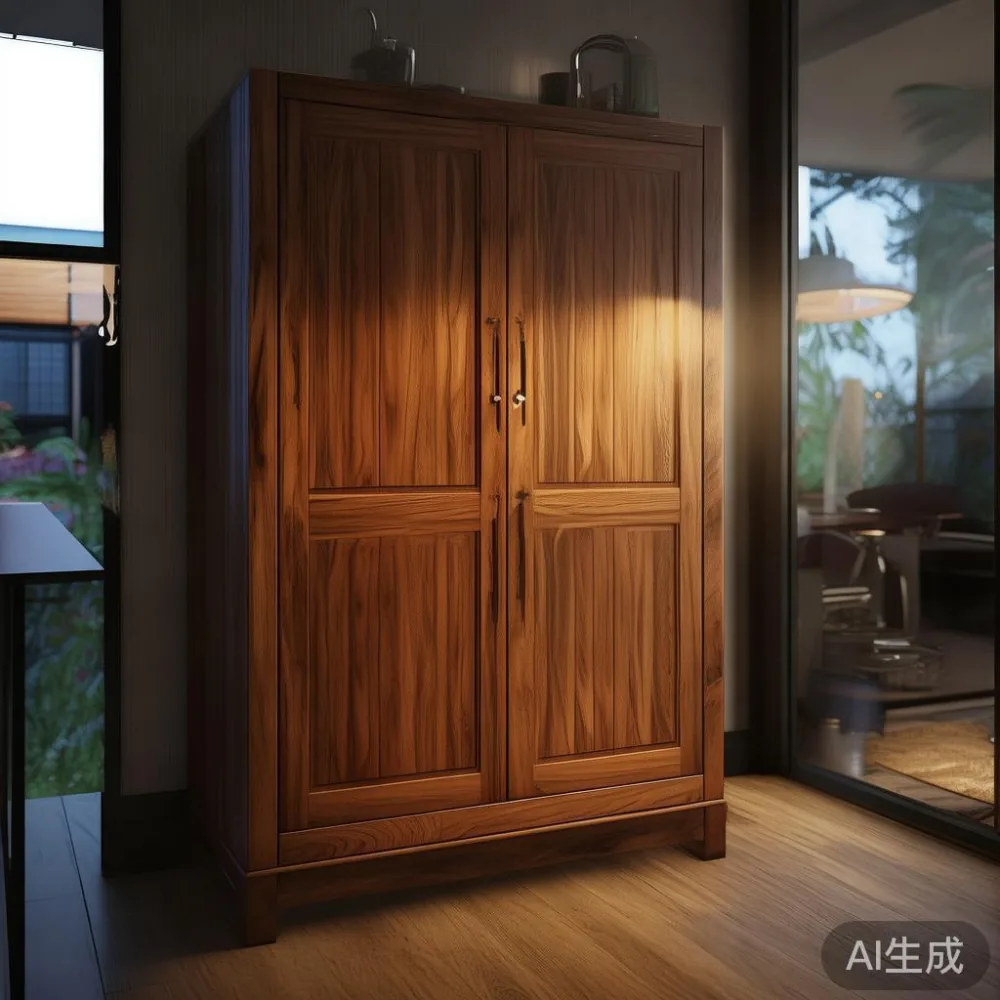
Logistics and Space Constraints in HDB Flats and Condos
Delivering large furniture items in Singapore involves working through specific architectural constraints. Standard HDB lift doors measure approximately 90 cm in width, while corridor widths are often around 120 cm. Items wider than 85 cm may require tilting or disassembly to fit through these openings. In areas like Tampines or Bedok, older resale flats might have narrower corridors compared to new developments in Punggol. Delivery teams must measure pathways beforehand to avoid damage to walls or the furniture itself. A solid wood sofa measuring 200 cm in length might need to be maneuvered carefully around tight corners. Planning the route ensures a smooth installation process without unnecessary stress on the frame.
Weight is another factor during transport. A solid wood wardrobe can weigh over 80 kg, requiring multiple personnel for safe handling. Floor loading limits in high-rise condos must be respected to prevent structural strain. Distributing weight evenly across the floor space helps maintain building integrity. For heavy items like a marble table, using protective pads under the legs prevents scratching during movement. Delivery timelines typically range from 14 to 21 days after order confirmation, depending on stock availability. Rushed deliveries increase the risk of improper handling, so allowing sufficient time for logistics planning is necessary. Buyers should confirm access details with management offices prior to the delivery date to avoid delays.
Local pricing includes Goods and Services Tax (GST), currently set at 9%. A solid wood bed frame priced at 1,200 SGD will incur an additional 108 SGD in tax. Understanding the total cost helps buyers budget accurately for their home furnishing projects. Some retailers offer free shipping for orders exceeding a certain threshold, such as US$350, which converts roughly to 470 SGD. This incentive encourages larger purchases but requires careful calculation of final costs. Import duties may apply for items shipped from overseas, adding to the final expense. Clarifying these charges upfront prevents unexpected financial burdens during the purchasing process.
What is the difference between French bed and modern furniture?
French beds often feature ornate carvings and curved lines while modern furniture prioritizes straight lines and minimalism. This distinction affects how wood reacts to humidity due to the complexity of the joinery. Ornate carvings create more surface area exposed to air, increasing the rate of moisture exchange. Curved lines often require laminated wood or steam bending, which introduces additional stress points in the material. Modern designs with straight lines and simpler construction generally offer better stability in fluctuating humidity. The reduced complexity means fewer weak points where cracks might form over time. Buyers seeking French light luxury styles should expect higher maintenance requirements to preserve the detailed finishes.
Construction methods differ significantly between these styles. French designs frequently use decorative veneers over solid cores to achieve intricate patterns. Modern pieces often utilize solid wood throughout for structural honesty. In high humidity, veneers can delaminate if the adhesive fails due to moisture ingress. Solid wood construction allows for refinishing, extending the lifespan of the piece. A nightstand with solid wood drawers can be sanded and resealed if the surface becomes damaged. This longevity justifies the higher initial cost for many homeowners. The choice between styles depends on personal aesthetic preference and willingness to perform regular maintenance.
Style also influences placement within the home. Ornate pieces often serve as focal points in living areas, while modern designs blend into minimalist interiors. A solid wood sofa with clean lines fits well in contemporary spaces, reducing visual clutter. Conversely, a carved bed frame adds character to a bedroom, creating a sense of heritage. Regardless of style, ensuring the wood is properly sealed is critical for durability in Singapore. Last month I visited a client in Tampines who noted their carved headboard had developed small hairline cracks after two years. This issue stemmed from insufficient sealing during the manufacturing process. Proper preparation prevents such occurrences, ensuring the furniture remains beautiful for decades.
Protecting Your Entryway Storage and Daily Use Items
The entryway faces unique challenges due to frequent door opening and closing. External air enters directly, bringing humidity and temperature fluctuations. A shoe cabinet placed here must withstand these changes without warping. Ventilation slats are necessary to allow air circulation inside the unit, preventing odor buildup and moisture trapping. Depth standards for these units are typically 35 cm to accommodate standard footwear. Ensuring the back panel is not sealed tightly against the wall allows airflow. This simple adjustment reduces the risk of mold growth inside the storage compartment. Regular cleaning of the interior removes dust and debris that can retain moisture.
Material selection for entryway furniture should prioritize durability. Hardwoods like oak or ash offer better resistance to wear than softer woods. A marble table in the entryway provides a stable surface for keys and mail, unaffected by humidity changes. However, the wood base supporting the marble must be protected. Using coasters under plants or wet items prevents water rings on the surface. Spills should be wiped immediately to avoid staining. For households with high traffic, applying a protective wax every 6 months maintains the finish. This routine care keeps the wood looking fresh and prevents long-term damage from daily use.
Organization within the shoe cabinet affects air circulation. Overpacking the shelves restricts airflow, increasing humidity levels inside the unit. Leaving space between pairs of shoes allows moisture to evaporate. Using silica gel packets inside the compartment absorbs excess moisture, protecting the wood and the footwear. This practice is particularly useful during the monsoon season when external humidity peaks. Checking the interior periodically for signs of dampness ensures early detection of potential issues. Proper maintenance of entryway storage extends the life of the unit and keeps the home environment healthy. A well-maintained shoe cabinet serves as a functional and aesthetic element in the home.
Long-Term Care and Warranty Expectations
Warranty terms provide confidence in the quality of construction. A 10-year structural warranty covers defects in joinery and frame integrity. This coverage ensures that issues related to wood movement are addressed by the manufacturer. Lifetime refinishing services allow owners to restore the surface appearance as needed. This service is valuable for solid wood pieces that may show wear after years of use. MIDHILL, established in 2008, exports to 15+ countries and understands the specific needs of tropical climates. Their experience ensures that furniture is prepared appropriately for high humidity environments. Buyers should review warranty details carefully to understand what is covered.
Return policies offer additional protection for online purchases. A 14-day return window allows customers to inspect items upon delivery. If the wood shows signs of damage or does not match the description, it can be returned. This policy reduces the risk of buying large items without seeing them in person. Free shipping over US$350 makes larger orders more attractive, but buyers must ensure the items fit their space. Measuring doorways and lift dimensions beforehand prevents logistical issues. Customer support teams can assist with sizing questions to ensure a proper fit. Clear communication during the purchasing process leads to higher satisfaction.
Regular maintenance preserves the value of solid wood furniture. Dusting with a soft cloth removes abrasive particles that can scratch the finish. Avoiding harsh chemicals prevents damage to the protective coating. Using a damp cloth followed by a dry one cleans surfaces effectively without soaking the wood. For deeper cleaning, specific wood cleaners restore luster without stripping oils. A Scandinavian rubberwood chaise lounge requires similar care to maintain its appearance. Consistent attention to detail ensures the furniture remains a centerpiece in the home. Investing time in care yields long-term benefits, keeping the wood stable and beautiful for generations.