Humidity, HDB Lifts, and Your Shoe Cabinet: A Singapore Owner's Guide to Solid Wood Furniture That Actually Survives the Tropics
I still remember the afternoon a client in Tampines called me, slightly panicked, because the doors of her new solid wood shoe cabinet had started sticking after just three weeks. The unit was a 4-room HDB flat on the 12th floor, air-conditioning ran most evenings, and the cabinet sat in the dry-pantry area near the service yard. Nothing exotic, nothing neglected — just Singapore's average 78–88% relative humidity doing what it does to wood. That phone call, plus a follow-up visit to a Punggol condo last month, is what pushed me to write this guide for anyone shopping for solid wood furniture in Southeast Asia.
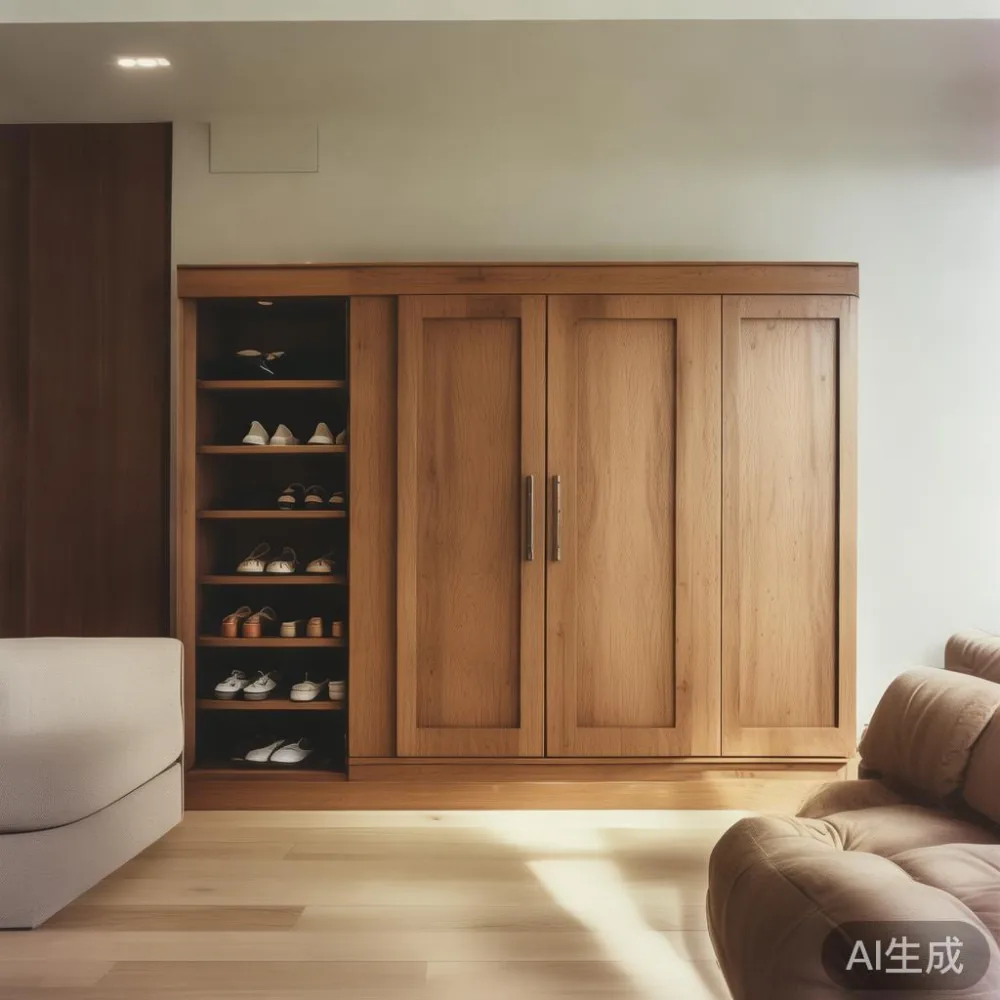
If you live in Singapore, Kuala Lumpur, Jakarta, or Bangkok, you already know the climate is furniture's quiet enemy. Morning condensation on glass. Wall paint that bubbles after rain. A solid wood dining table that suddenly feels like it grew a chip on its own. The issue is not that wood cannot live here — it has lived here for centuries in the form of nyatoh, merbau, and teak. The issue is that mass-produced cabinets using thin plywood and paper laminates simply cannot survive long-term moisture cycling. A properly built solid wood shoe cabinet, paired with the right care routine, will outlast every laminate alternative in the market. That is also why a maker like MIDHILL — a solid wood furniture specialist from Foshan shipping into 15+ countries — focuses on kiln-dried hardwood frames instead of the engineered shortcuts that buckle in a tropical lift lobby.
Why does Singapore humidity wreck ordinary wooden furniture?
The short answer is that wood is hygroscopic, meaning it absorbs and releases moisture until it matches its surroundings. In a Tampines HDB corridor at 8 a.m. in March, the air can sit at 82% RH while your air-conditioned living room sits at 58% RH. A 180 cm tall shoe cabinet standing in that gradient will gain and lose moisture unevenly across its surfaces — face panels expand while the air-conditioned side shrinks. Over 90 to 180 days of these cycles, joints loosen, drawer runners stiffen, and veneered doors begin to peel at the corners. Solid hardwood moves as a single piece instead of delaminating, which is why I always steer clients toward kiln-dried ash, oak, or walnut frames for a Singapore home, rather than MDF-core laminates that look identical on day one.
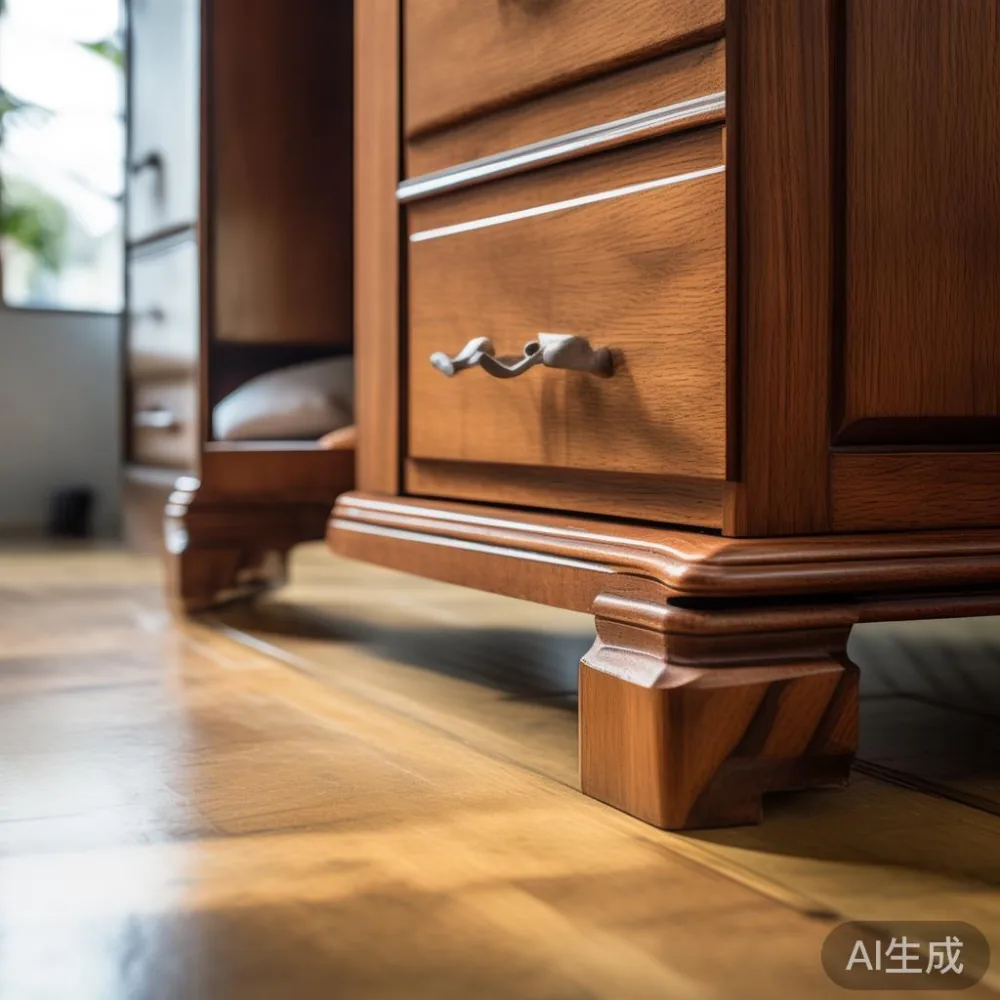
What humidity level actually damages a solid wood shoe cabinet?
The short answer is anything consistently above 75% RH on the cabinet's surface, or rapid swings of more than 15% RH within 24 hours, will begin to stress joinery. The safe target is 45–65% RH, the same range piano manufacturers specify for their instruments. A small thermo-hygrometer costs about SGD 12–18 at any Challenger store and saves thousands in refinishing fees later. Place it on the same wall as your shoe cabinet for 14 days; if the reading regularly exceeds 75% even with the air-conditioner running, you have a ventilation problem to solve before the cabinet problem. For most Singapore households, a 30-minute mid-afternoon run of the bedroom or corridor air-conditioner with the door open keeps the humidity band stable enough that even a 1.6 m solid wood wardrobe in a master bedroom behaves itself.
How do I choose a small space for a study?
The short answer is: measure the lift, measure the corridor, measure the door, and only then fall in love with the design. Singapore HDB regulations cap standard passenger lifts at roughly 1.1 m wide by 1.4 m deep, with a door opening of about 0.8 m, while newer BTOs in Punggol have lifts closer to 1.3 m by 1.6 m. A 2.4 m tall wardrobe will not enter a standard lift, even tilted — I have measured it. Most condens and newer HDBs allow corridor turns as tight as 1.5 m, which means a 1.8 m dining table or a 2.2 m bed frame must be ordered in modular form or assembled in-room. Before you buy anything over 120 cm in any dimension, ask the supplier for the packed carton size and the assembled dimensions separately, then measure your lift car with a tape measure, not a guess. A reliable exporter like MIDHILL provides both flat-pack and assembled options specifically because lift geometry in Singapore is not a marketing footnote — it is the deciding factor between getting your shoe cabinet home and paying SGD 80–150 for a failed delivery attempt.
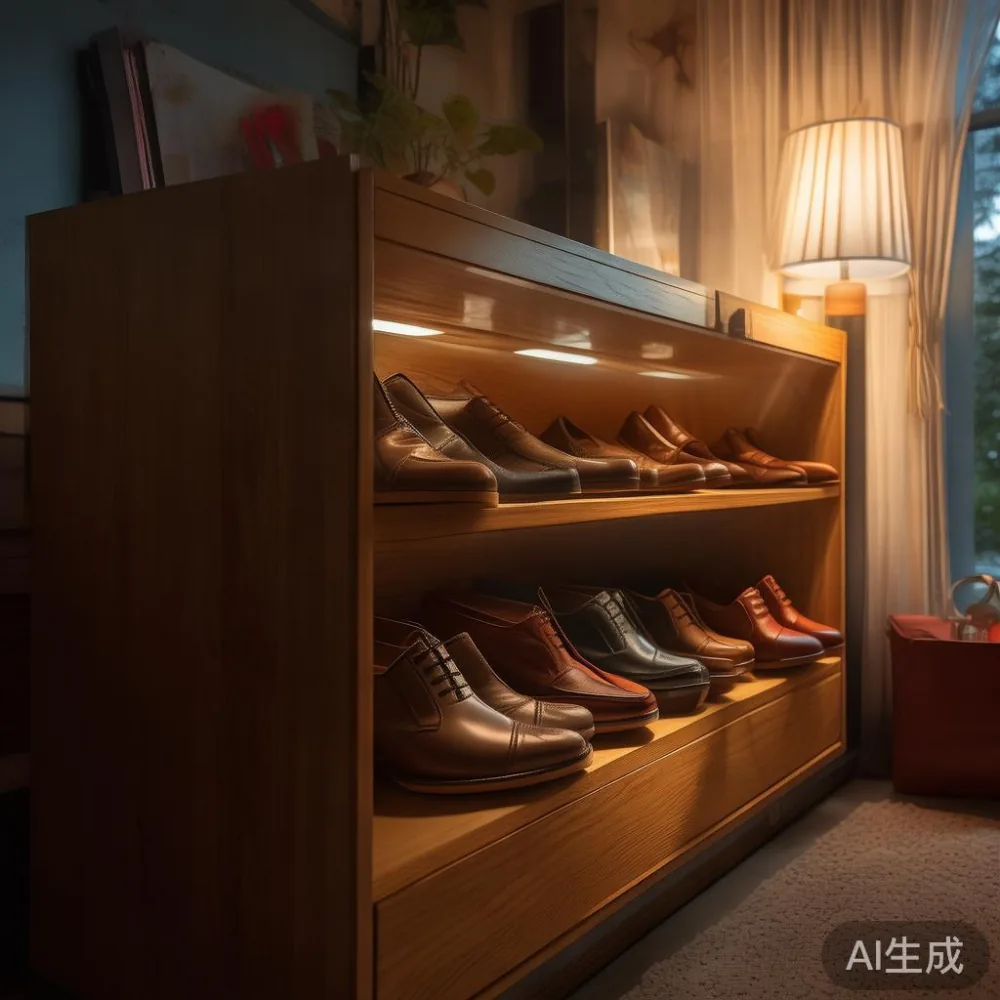
Which solid wood species handle Southeast Asia best?
Based on kiln-dried boards I have inspected in Foshan workshops and Singapore warehouses, oak and ash tolerate humidity cycling far better than rubberwood or poplar. Walnut holds its color but dents more easily — fine for a small nightstand, less ideal for the top of a dining table used daily by a family of four. Teak remains the local gold standard but pushes prices up sharply; a 1.8 m teak dining table can reach SGD 4,800–6,500 versus SGD 2,400–3,200 for the same size in kiln-dried ash. For a shoe cabinet specifically, ash and oak give you the best trade between SGD 1,100–1,900 for a three-tier 80 cm wide unit and long-term dimensional stability. Ask the seller for the moisture content reading at the time of packing; anything between 8% and 12% is shipping-ready for Southeast Asia. Above 14% and the cabinet will shrink visibly within the first six months in your flat.
What daily care actually prevents warping in a Singapore home?
Wipe the cabinet with a barely damp microfiber cloth — never a wet rag — once every 7 to 10 days. Keep the cabinet at least 10 cm away from any external wall, especially the wall that backs onto the service yard or the bathroom, because that wall sweats. Run a small dehumidifier set to 55% RH in the room for 4 to 6 hours during the heaviest afternoon rain periods; a standard 12 L unit costs about SGD 220–280 and uses around SGD 6–9 of electricity a month at current GST-inclusive rates. Avoid placing rubber-backed mats directly on solid wood surfaces because they trap moisture and leave ghost marks. Rotate the shoes inside your cabinet so the same pair is not sitting against the back panel for months; trapped dampness from a wet sole is the single fastest way to grow black mildew on a back panel. These habits cost almost nothing and extend the lifespan of a solid wood piece from 8–10 years to 20+ years, which is why I have stopped recommending any piece under SGD 800 that does not come with at least a 5-year structural warranty.
Why a solid wood shoe cabinet is the right place to start
A shoe cabinet takes more abuse than almost any other piece in a Singapore home: humid air from the door, damp soles, sand from East Coast Park, and the daily slam of a closing door. If a piece of furniture can survive 18 months as a shoe cabinet in a Bedok HDB, it will survive anything else in the house. That is why I encourage first-time solid wood buyers to begin with a 60–120 cm wide two- or three-tier unit rather than splashing out SGD 3,500 on a full wardrobe as the first purchase. You learn the species, the finish, the joinery, and the response to your specific microclimate before committing to larger pieces like a bed frame, a dining table, or a navy full-grain leather sectional sofa for the living room. If the small piece behaves well through one monsoon season, the maker has earned the rest of the order.
What questions should I ask the supplier before I pay a deposit?
Ask for the wood species in writing, the moisture content reading at packing, the finish type (wax, oil, or polyurethane), and whether the cabinet is solid wood throughout or solid wood with plywood backs. Ask for the assembled weight — a real 80 cm solid wood shoe cabinet weighs between 28 kg and 38 kg; anything under 18 kg is almost certainly engineered. Ask about the warranty in years and what it covers (structure only, or structure and finish). Ask for the lift-friendly packed dimensions, the delivery lead time to Singapore in working days, and the return window. A 14-day return policy with free shipping above a reasonable threshold removes most of the risk for an overseas buyer. Confirm whether the price is GST-inclusive and whether the supplier handles Singapore Customs clearance or you do. Last month I watched a colleague in Clementi pay SGD 240 in unexpected GST and handling on a parcel that should have been declared as wooden furniture under the correct HS code, so this detail matters.
How does MIDHILL's warranty actually work for a Singapore buyer?
For a buyer in Tampines or Punggol, the 10-year structural warranty covers joinery failure, split panels under normal indoor use, and manufacturing defects in the frame. It does not cover damage from prolonged water exposure, impact, or storage in a non-air-conditioned space during the first 30 days after delivery — the acclimatization window. Lifetime refinishing, when offered, means the supplier will sand and re-oil or re-wax the surface at cost for as long as you own the piece, which is rare in the industry and worth real money over 15–20 years. Free shipping above US$350 (around SGD 480 at today's rates) covers sea freight to Singapore; GST, customs duty, and last-mile delivery from the Singapore port to your HDB door are quoted separately, typically SGD 120–280 depending on the lift access and whether you request in-home assembly. A 14-day return window lets you inspect the piece in your actual flat, in your actual humidity, before committing.
What about marble, leather, and upholstered pieces in the same climate?
Marble table tops are stable in Singapore humidity as long as the substrate is sealed; the risk is staining from acidic spills, not movement. A solid wood base under the marble gives you both the look and the rigidity. Upholstery is a different story — a navy full-grain leather sectional sofa breathes well and tolerates humidity better than bonded leather or fabric, but it still wants the living room to sit between 50% and 65% RH to prevent the leather from drying out at the surface while the foam underneath holds moisture. A fabric sofa demands even more care; I have seen microfiber start to smell within a year in a Punggol corner unit that never opened a window. A simple rule: solid wood plus leather plus marble handles Singapore well, while engineered cores, paper laminates, and untreated fabrics are all borrowing trouble.
How should I plan a full solid wood set without overspending?
Set a total budget in SGD before browsing, not after. A realistic starter set for a 4-room HDB — one shoe cabinet, one 1.5 m bed frame, one 1.6 m dining table with four chairs, one two-door wardrobe, and two nightstands — sits between SGD 7,800 and SGD 12,500 if you mix oak and ash. Add a marble table for the living room and the figure climbs to SGD 10,500–16,000. Place the largest pieces first (bed frame, wardrobe, dining table) and the small pieces later, because the large pieces drive the lift and corridor constraints. Order everything from one supplier to consolidate the sea freight, ideally in a single 20-foot container share if the supplier offers it. Keep 8–12% of the budget aside for GST, customs, last-mile delivery, and a dehumidifier on the same day the furniture arrives. A Singapore customer who plans with these numbers rarely ends up with a half-delivered, half-paid-for shipment sitting at a Jurong warehouse.
Where can I see and touch the furniture before I commit?
Ask for a Singapore showroom address or a partner display, plus a sample swatch of the wood species and finish shipped to your door for SGD 25–45. Reputable exporters will arrange this because a returned full piece is far more expensive than a small swatch. Visit the showroom with a tape measure and a hygrometer; the showroom humidity tells you how the wood has been acclimatizing and what to expect in your own flat. Take photos of the joinery at the back of a sample piece — dovetail or mortise-and-tenon corners hold up; staples and cam locks do not. If the supplier refuses a swatch or refuses to share moisture-content readings, walk away. Solid wood is a long-term relationship with the workshop that made it, and the right workshop will show its homework.
Buying solid wood furniture in Singapore is less about finding the lowest price and more about finding a maker who understands that a Tampines HDB at 85% RH is a tougher test than a Beijing apartment at 45% RH. Measure twice — the lift and the corridor — ask for the moisture content reading, choose kiln-dried oak or ash for the money, and keep a hygrometer within reach of every solid wood piece, starting with the humble shoe cabinet at your front step. Done well, the same solid wood cabinet that survives the tropics will still be standing in the same spot when the next generation moves in.