Preserving the Shine: A Comprehensive Guide to Caring for Your Lacquered Shoe Cabinet in Singapore's Tropical Climate
For residents of Singapore, from the busy corridors of Tampines HDB blocks to the sleek hallways of Punggol's modern condominiums, a well-organised entryway is a reflection of a well-ordered home. A central piece in many Singaporean homes is the shoe cabinet. It is not merely a storage solution but a statement of style and a guardian of your living space's tranquillity. When you invest in a quality shoe cabinet, especially one with a beautiful lacquered finish, you are investing in a piece of furniture that can improves your entryway for years to come. However, Singapore's unique tropical climate, characterised by high humidity, intense UV exposure, and sudden temperature fluctuations, presents a significant challenge to maintaining the pristine condition of a lacquered surface. This guide provides practical, actionable advice on how to protect and care for your shoe cabinet, ensuring its beauty endures through the seasons.
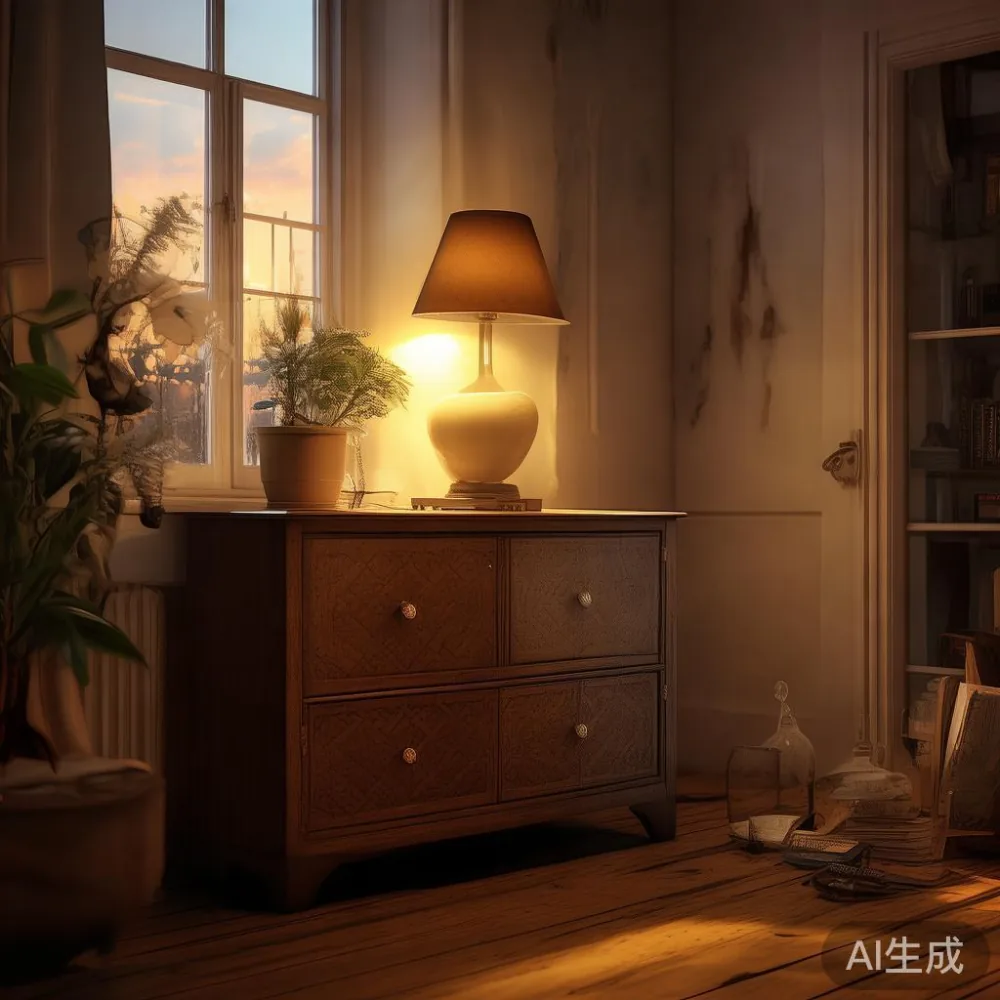
Understanding Your Lacquered Shoe Cabinet: More Than Just a Pretty Finish
Before we discuss care, it's important to understand what a lacquered surface actually is. Lacquer is a clear, hard, durable coating applied over the solid wood of your shoe cabinet. This finish is created by applying multiple thin layers of a resin, which are then cured, often in a controlled environment, to form a glass-like, high-gloss surface. This process is similar to that used on high-end bed frame and marble table pieces to achieve a premium look. The purpose of this finish is twofold: it provides a stunning visual sheen that highlights the natural grain of the wood and, more importantly, it creates a protective barrier against scratches, stains, and moisture. A well-lacquered shoe cabinet is a proof of fine craftsmanship, but like any fine object, it requires specific care to maintain its integrity, especially in an environment as demanding as Singapore's.
How Does Singapore's Climate Affect Your Shoe Cabinet?
Singapore's climate is defined by its high relative humidity, which often hovers between 70% and 90% throughout the year. This constant moisture in the air is the primary adversary of your lacquered shoe cabinet. When humidity levels rise, the wood within the cabinet, even if sealed, can absorb minute amounts of moisture. This causes the wood to expand. Conversely, on days with lower humidity or when you use the air-conditioner, the wood contracts. This constant cycle of expansion and contraction, while subtle, can put stress on the lacquer finish over time. The result can be tiny, hairline cracks or a phenomenon known as 'blushing,' where the finish appears cloudy or white due to moisture trapped beneath the surface. Also, the intense UV rays from the Singaporean sun, streaming through windows, can cause the lacquer to fade and the underlying wood to discolour, turning a bright white finish into a dull yellow over several years. Understanding these environmental factors is the first step in preventing damage.
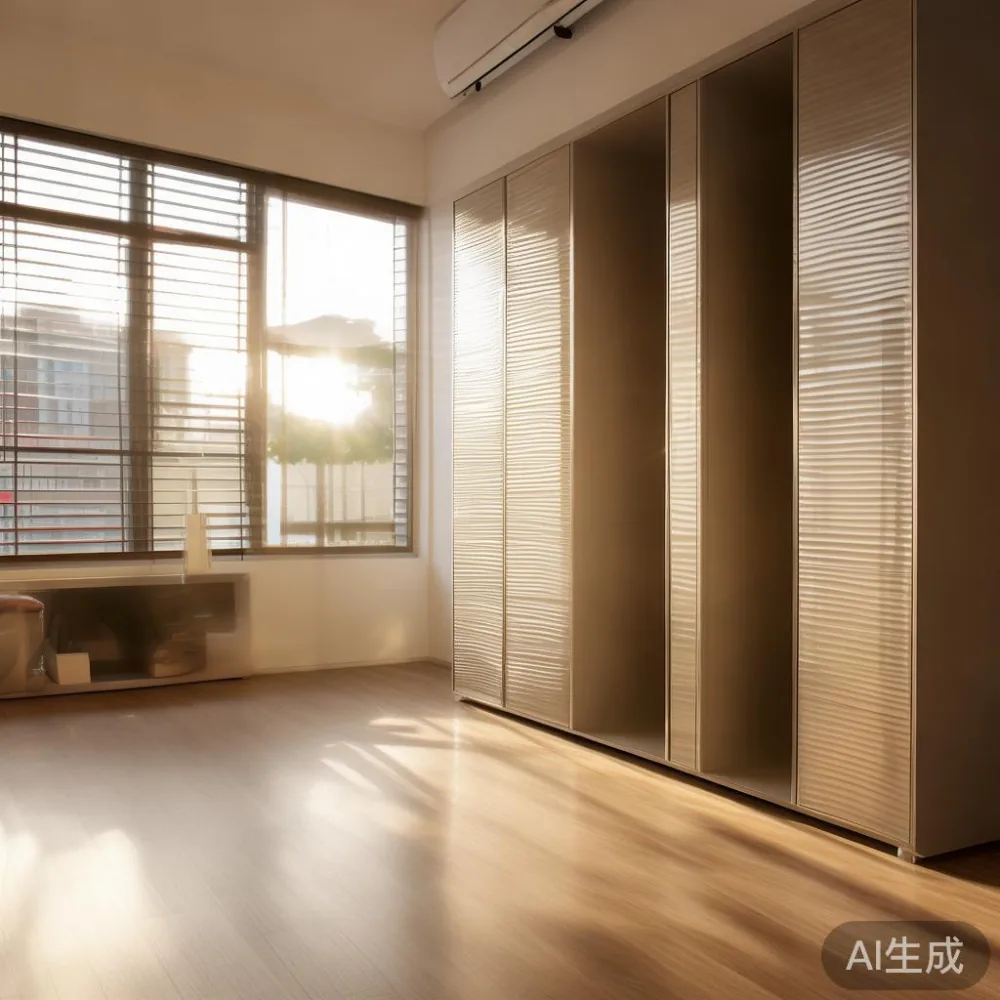
Is it Possible to Use a Shoe Cabinet in a HDB Corridor or a Condo Lift Lobby?
This is a question many homeowners in Singapore ask, particularly those living in HDB flats where space is at a premium. The answer is a qualified yes, but with careful consideration. A typical HDB corridor in areas like Bedok or Tampines has a width of approximately 120 cm. A standard shoe cabinet is usually around 80 cm wide, 30 cm deep, and 90 cm tall, making it physically fit in most corridors. The challenge lies in placement. Positioning it directly opposite your main door can create a cramped feeling. A better strategy is to place it against the wall, leaving at least 60 cm of walking space. For condominiums with larger lift lobbies, a shoe cabinet can be a stylish addition. However, it's important to consider the cabinet's finish. A high-gloss lacquer finish can show every fingerprint and dust particle, which might require more frequent cleaning in a high-traffic area. A matte or satin lacquer might be a more practical choice for such locations, offering a similar level of protection with lower maintenance demands.
Daily and Weekly Care Routine for Your Lacquered Shoe Cabinet
Maintaining the beauty of your shoe cabinet is not a complex task, but it does require a consistent routine. For daily upkeep, a simple, soft, lint-free cloth is your best friend. A microfiber cloth is ideal as it attracts and holds dust without scratching the surface. A quick wipe-down once every two or three days will prevent dust from building up and becoming embedded in the finish. For weekly cleaning, you can use a slightly damp cloth. The key is 'damp,' not 'wet.' Squeeze out all excess water until the cloth is just barely moist. Wipe the surface gently in the direction of the wood grain. After wiping, immediately follow up with a dry, soft cloth to remove any residual moisture. This prevents water spots and ensures the lacquer dries evenly. Avoid using paper towels, as they can be too abrasive and may leave fine scratches over time. This simple routine will keep your shoe cabinet looking clean and vibrant with minimal effort.
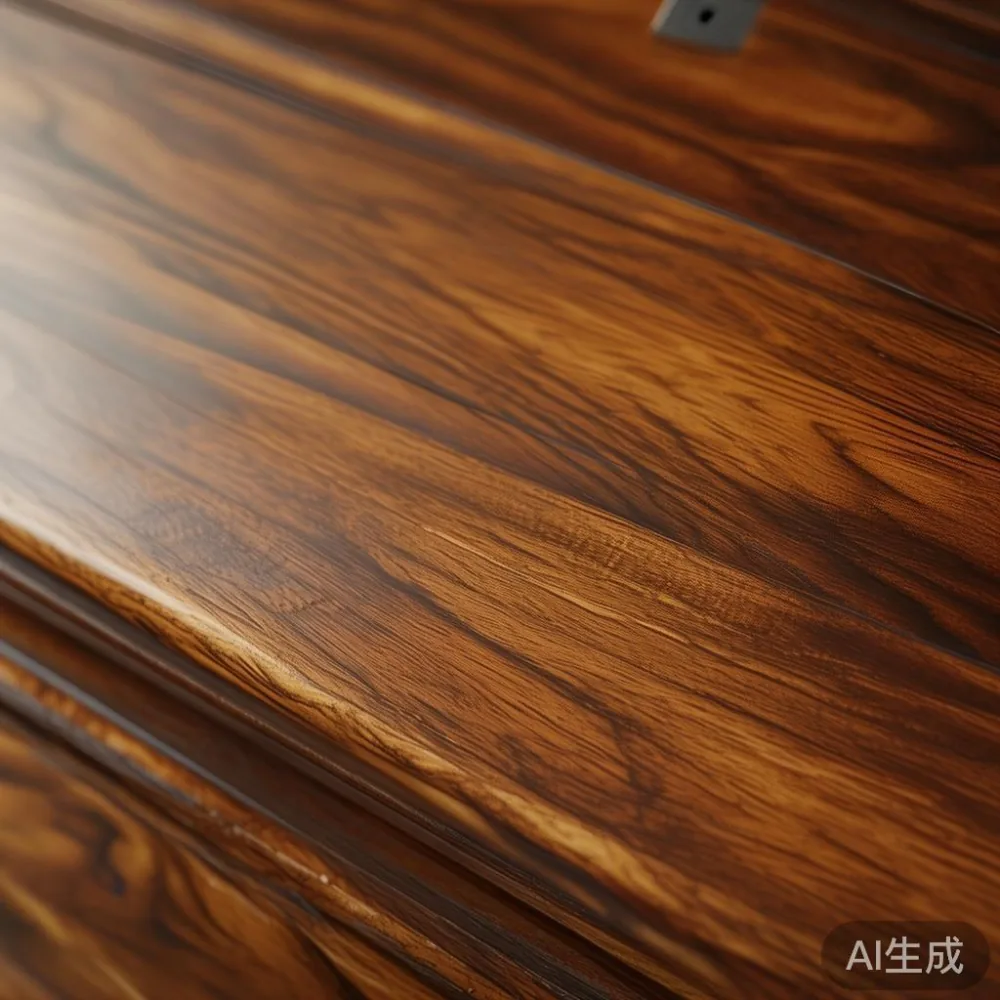
What to Avoid: Common Mistakes That Damage Lacquer Finishes
Prevention is always better than cure, and for caring for your lacquered shoe cabinet, avoiding certain common mistakes can save you from significant damage. The first and most important rule is to never use harsh chemical cleaners. This includes all-purpose sprays, ammonia-based window cleaners, and abrasive scouring pads. These chemicals can strip away the protective lacquer layer, leaving the wood underneath vulnerable. The second major mistake is placing hot or wet objects directly on the surface. A dripping umbrella, a hot takeaway container, or even a potted plant without a saucer can leave a permanent mark or cause the lacquer to bubble. Thirdly, be mindful of where you place the cabinet. Avoid positioning it directly under an air-conditioning vent, as the constant, cold, dry air can dry out the wood and lacquer, leading to cracking. Similarly, avoid placing it in direct, prolonged sunlight, which will cause the finish to fade. A little awareness of these pitfalls will go a long way in preserving your furniture.
Handling Spills and Stains Immediately
Accidents happen, but how you respond to them can determine whether your shoe cabinet is permanently marked. The golden rule is to act immediately. The moment a spill occurs—be it water, coffee, or shoe polish—grab a soft, absorbent cloth. Blot the spill gently; do not rub, as rubbing can spread the stain and push it into the porous wood beneath the lacquer. For water spills, blotting is usually sufficient. For sticky substances like juice or sauce, you may need to use a damp cloth followed immediately by a dry one. For stubborn stains like ink or nail polish, the situation is more delicate. It's best to consult a professional furniture refinisher. Attempting to use a solvent at home can easily dissolve the lacquer. A professional can use specialised techniques to remove the stain without damaging the finish. Remember, a 14-day return policy is useful, but a prompt response to a spill can prevent the need for it altogether.
The Role of Humidity Control and Placement in Your Home
Given Singapore's climate, managing the environment around your shoe cabinet is a proactive measure that can significantly extend its life. If you live in a ground-floor unit or an apartment with poor ventilation, consider using a dehumidifier in the entryway area. Running a dehumidifier for a few hours a day, especially during the wettest months from November to January, can help maintain a stable humidity level around your furniture. This prevents the wood from absorbing too much moisture. Placement is another critical factor. If possible, position your shoe cabinet away from external walls, which can feel damp and cold. In a condo, avoid placing it directly against a balcony wall that gets direct sun and rain exposure. A stable, indoor environment is the best friend of a lacquered finish. My colleague, who lives in a Punggol waterfront condo, noticed her nightstand started to show signs of blushing after a particularly humid month. She started using a small dehumidifier in her bedroom, and the issue resolved completely within a week.
When to Seek Professional Help: Repairing Minor Damage
Despite your best efforts, minor scratches or chips can appear on a lacquered surface. Small, superficial scratches can sometimes be buffed out. Using a high-quality, soft cloth and a tiny amount of non-silicone-based furniture polish, you can gently buff the area in a circular motion. This may fill and polish out very fine scratches. For deeper chips or scratches that have penetrated through the lacquer to the wood, a professional touch is required. Look for a furniture restoration service that specialises in lacquered finishes. They can carefully sand the area, apply a new layer of lacquer, and polish it to match the surrounding surface. This is a delicate job that requires expertise to avoid making the damage more obvious. Investing in a professional repair is far more cost-effective than replacing the entire shoe cabinet, especially when you consider the 10-year structural warranty that comes with many high-quality pieces from makers like MIDHILL, which covers the structural integrity of the wood itself.
Long-Term Preservation: Seasonal Checks and Maintenance
Beyond daily and weekly cleaning, a seasonal check-up can help you catch potential problems early. Every three to four months, take a moment to inspect your shoe cabinet under good light. Look for any signs of white spots (blushing), small cracks, or areas where the finish appears dull. This is also a good time to apply a high-quality furniture wax or polish specifically designed for lacquered surfaces. A thin coat of wax, applied with a soft cloth and then buffed off, can provide an extra layer of protection and restore the shine. Be sure to use a product that is compatible with lacquer; some polishes contain oils or silicones that can damage the finish over time. When considering new furniture for your home, you might explore options like a solid wood sofa or a dining table with similar protective finishes. For those looking for a specific style, searching for 'how to style Japandi sofa in room' can provide inspiration for creating a cohesive look throughout your home, ensuring all your pieces complement each other beautifully.
To close, caring for a lacquered shoe cabinet in Singapore's tropical climate is about understanding the challenges and implementing a simple, consistent care routine. By managing humidity, being mindful of placement, cleaning regularly with the right products, and addressing spills immediately, you can protect your investment and enjoy the beauty of your shoe cabinet for a lifetime. The principles of care—gentleness, consistency, and environmental awareness—are universal. They apply not just to your shoe cabinet but to other cherished pieces like a wardrobe or a marble table as well. For homeowners seeking furniture that combines style with durability, exploring options from a reputable manufacturer is a wise decision. A company established in 2008, exporting to over 15 countries and offering a 10-year structural warranty alongside a lifetime refinishing service, demonstrates a commitment to quality that gives homeowners peace of mind. When making a purchase, whether it's a light luxury sofa bed foldable or a statement shoe cabinet, considering the after-sales support is as important as the initial design and craftsmanship. This ensures that your beautiful furniture continues to be a source of pride in your home for decades to come.