5-Year Cost Comparison: Veneer vs Solid Wood Shoe Cabinets
Choosing a shoe cabinet for a Singapore HDB flat or condo is rarely just a question of appearance. A 120 cm unit must clear a narrow lift, pass along a corridor, fit beside a door without blocking the daily route, and hold everything from sandals to office shoes. The purchase decision also has to survive five years of heat, humidity, scuffs, cleaning and repeated moving. Veneer and solid wood both have a place, but their five-year costs can be very different.
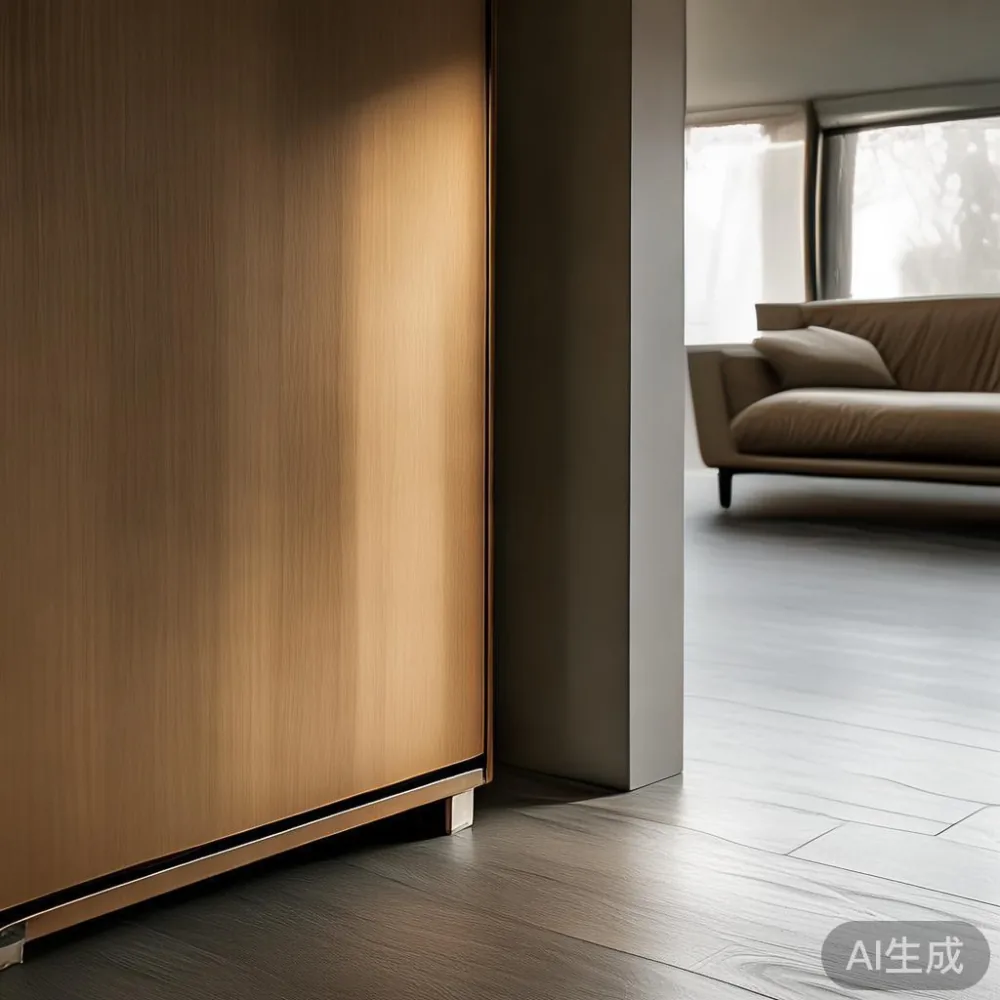
At MIDHILL, we compare the material, construction and use rather than treating veneer as a lesser alternative. A well-made veneer shoe cabinet can suit a compact Tampines flat with an elegant, post-modern light luxury finish. A solid wood shoe cabinet may suit a larger Bedok or Punggol home where durability, repairability and patina matter over time.
This comparison uses realistic Singapore pricing in SGD, including GST at 9%, local delivery assumptions and common household maintenance. It also includes indicative values for related furniture—because a wardrobe, dining table, bed frame or nightstand may need to coordinate with the shoe cabinet—without drifting away from the central question: what will each shoe cabinet cost its owner over five years?
What is the real 5-year cost of a veneer shoe cabinet?
A veneer shoe cabinet uses a thin layer of wood, commonly 0.6–1.2 mm, bonded to a engineered or solid wood core. The visible face can be oak, walnut, ash or another decorative timber. The layer is durable under normal indoor use, but the core and edge treatment determine how the cabinet handles weight, moisture and repeated assembly.
For a Singapore family, a typical 120 cm veneer shoe cabinet with 3 hinged doors, 4–5 adjustable shelves, a 15 cm open display section and a powder-coated metal frame costs around SGD 1,080 before GST. A 150 cm version with more storage costs about SGD 1,380. Delivered prices are usually SGD 1,177 and SGD 1,504 respectively. The first-year outlay is attractive, but ownership continues with cleaning, minor adjustments and the risk of replacing a damaged panel.
Allow roughly SGD 45 per year for professional cleaning and care, SGD 30 for replacement consumables such as hinge screws and shelf pins, and SGD 70 in year 1 for delivery and assembly. In years 2–5, allow an average of SGD 80 per year for expected repairs and refinishing work. Over five years, the ownership estimate is:
Purchase: SGD 1,177
Delivery and assembly: SGD 70
Cleaning: SGD 225
Parts and repairs: SGD 150
One partial refinishing allowance: SGD 180
Estimated five-year total: SGD 1,802
That figure assumes the cabinet is kept indoors and cleaned with a lightly damp cloth rather than saturated with water. A model with more drawers, a mirror or thicker shelves may cost SGD 250–SGD 500 more. Conversely, a compact 80 cm wall-mounted shoe cabinet can reduce the initial total to about SGD 1,100 over five years.
What is the real 5-year cost of a solid wood shoe cabinet?
A solid wood shoe cabinet has no decorative face veneer on its visible panels, although solid hardwood components may still be paired with plywood or MDF in less visible areas. Common choices include rubberwood, beech, ash and oak. For this comparison, assume responsibly sourced solid wood frames and doors, 12–15 mm panels, solid wood adjustable shelves and a stable base suitable for shoes weighing up to 15 kg per pair.
A 120 cm solid wood shoe cabinet with 3 doors, 4–5 shelves and a 15 cm display opening is typically priced around SGD 1,680 before GST in Singapore. A 150 cm model is about SGD 2,080. After GST, these become approximately SGD 1,831 and SGD 2,267.
Solid wood does not mean maintenance-free. Its finish still needs care, and exposed edges can move slightly as indoor humidity changes. Allow SGD 50 per year for cleaning and waxing, SGD 40 in year 1 for delivery and assembly, and SGD 120 per year in years 2–5 for hinge adjustment, finish maintenance and small component repairs. Include SGD 300 for one refinishing service during the period.
Purchase: SGD 1,831
Delivery and assembly: SGD 40
Cleaning: SGD 250
Parts and repairs: SGD 240
One partial refinishing service: SGD 300
Estimated five-year total: SGD 2,661
The five-year difference for the 120 cm units is about SGD 859. In percentage terms, the solid wood option costs approximately 48% more over five years. The higher price buys more repairable material and often a stronger premium feel; it does not guarantee a lower total cost in every household.
Veneer or solid wood: which is more suitable for Singapore homes?
The right answer depends on location, use and expectations. Singapore’s air-conditioned interiors reduce the severity of outdoor humidity, but coastal air, balcony exposure and frequently opened windows can still affect furniture. A cabinet placed against an external wall in Bedok needs stable construction and regular care. One installed in an air-conditioned condo bedroom may face less variation.
Veneer offers a broad range of consistent grains and colours at a lower weight. A 120 cm unit often weighs 32–38 kg, compared with 45–55 kg for a comparable solid wood cabinet. That difference matters in HDB blocks where a 90–105 cm wide lift opens onto a corridor around 120–160 cm wide. A carton measuring 128 × 48 × 22 cm may be easier to manoeuvre through a 90 cm lift and around a 110 cm right-angle turn than a carton of 132 × 54 × 26 cm.
Solid wood is more appropriate when the shoe cabinet will be moved often, used heavily by adults or children, or expected to retain character as it ages. Scratches on solid wood can often be buffered and spot-repaired. A high-quality veneer face can also be repaired, but deep cuts through the 0.6–1.2 mm layer expose the core and require a board replacement or a more extensive refinishing job.
Consider the cabinet as part of the home, not as an isolated object. An American light luxury shoe cabinet with pale oak, slim brass hardware and restrained profiling can coordinate with a solid wood sofa and a solid wood dining table. For storage planning, the phrases how to style Japanese wardrobe in apartment and European light luxury nightstand point to the same principle: pale timber, measured spacing and fewer visual objects create order without crowding a compact room.
How do delivery, GST and installation change the calculation?
All listed Singapore prices include 9% GST. Mid-range furniture commonly reaches customers in 7–14 delivery days after the order is confirmed. Some in-stock sizes may arrive in 3–5 days, while made-to-order finishes can take 21–35 days. Delivery to most HDB and condo areas may be complimentary above a stated threshold or priced at SGD 40–SGD 120; lift carrying and upper-floor installation should be confirmed before checkout.
Measure the route rather than assuming a large carton will fit. Check the lift door width, internal diagonal, corridor width and the distance from the lift to the shoe cabinet position. Reserve at least 10 cm of extra handling space for the carton. A 120 cm cabinet may weigh 35 kg as a veneer unit or 50 kg as a solid wood unit, so two-person lifting is sensible above 40 kg.
MIDHILL offers free delivery over US$350, with the Singapore quotation confirming the exact local delivery amount. It also provides a 14-day return window and a 10-year structural warranty. These services reduce risk, but they do not remove normal wear, accidental damage or humidity-related finish maintenance from the calculation. Lifetime refinishing is similarly valuable as a service commitment, though the timing and scope of each job should be confirmed in writing.
Budget SGD 70–SGD 140 for local delivery and assembly if that service is not included. For a shoe cabinet installation requiring wall anchoring above 30 kg per fixing point, allow an additional SGD 40–SGD 80. These costs are important in HDB flats where drilling requires permission and the route may include two flights of stairs.
Can a shoe cabinet be styled to look more expensive without choosing solid wood?
Yes. Visual quality is not limited to the core material. A veneer shoe cabinet with aligned grain, narrow gaps between doors, soft-close hinges, a 15 cm display opening and a clear plinth can look polished and light-luxury. French light luxury styling works through pale oak, warm ivory walls, boucle seating and slim metal details rather than heavy ornament. Keep the cabinet at least 8 cm away from curtains and leave 60–75 cm of aisle space in a condo entrance where possible.
For customers comparing bedroom furniture, European light luxury bed vs French provincial bed is a related design decision, but the same restraint helps a shoe cabinet fit naturally. A bed frame, marble table or nightstand can echo its colour without creating a showroom effect. A pale solid wood dining table beside a darker veneer shoe cabinet may provide a deliberate contrast; a similar tone creates a quieter composition.
Projects that need one visual language can ask about MIDHILL TV console options in the same veneer or finish, which helps grain and hardware remain consistent across separate pieces. For hotel spaces, Modern light luxury for hotel schemes often favour repeatable veneer finishes because they support consistent procurement and replacement of individual panels. The trade-off remains the same: standardised surfaces can be efficient, while solid wood supports deeper local repair and individual ageing.
What did I notice when I tested the two shoe cabinets?
Last month I visited a colleague’s 3-room HDB flat in Punggol to compare two nearly identical 120 cm shoe cabinets. One was a walnut veneer model on an engineered core; the other used solid rubberwood with a clear matte finish. The veneer cabinet weighed 35 kg and the solid wood version 49 kg. Both had 5 shelves and 3 doors, but the solid wood unit had visibly thicker adjustable shelf edges and a more substantial hinge.
We loaded each with 18 pairs of shoes for 4 hours and checked door alignment, shelf sag and surface marks. A set of keys left a faint mark on the veneer after 15 minutes and it disappeared with careful buffing. The solid wood surface took a darker scuff, which became less visible after 8 minutes of light waxing and polishing. Neither unit developed movement in the air-conditioned bedroom, although the solid wood cabinet’s finish felt warmer and more tactile.
The colleague’s household replaced slippers and daily-wear shoes every 4–5 months. Their real preference was the lighter veneer unit because it was easier for one person to reposition and cost SGD 300 less. The more expensive construction had not yet produced a financial advantage in five years of normal use. That visit confirmed that material choice should be tested against the household’s actual behaviour.
What are the repair and resale differences after five years?
Repair cost is the main distinction. A solid wood shoe cabinet can often accept localized sanding, waxing and small hinge replacement without replacing an entire door. Budget SGD 120–SGD 260 for a typical minor repair, while a full finish renewal may cost SGD 280–SGD 550. Veneer repair depends on the damage. Surface scratches may cost SGD 40–SGD 100 to treat, while a split face panel can cost SGD 220–SGD 480 including material, labour and colour matching.
Resale is less predictable in both categories. A clean, well-maintained solid wood cabinet may have a clearer second-hand appeal, particularly if its finish has aged evenly. A neutral veneer cabinet can also sell well when it is portable, stylish and in good condition. Neither category has a guaranteed resale price, so owners should avoid treating resale value as a guaranteed return on spending.
For the 120 cm examples, conservative five-year resale allowances might be 10–15% for solid wood and 5–10% for veneer, provided the units remain clean and free from structural damage. Applied to the totals above, those ranges do not change the ranking: the solid wood cabinet remains higher in total ownership cost. If the solid wood unit costs SGD 1,600 at promotion and the veneer unit SGD 1,050, the gap can narrow substantially.
The long-term advantage becomes clearer in a heavy-use setting. In a family entrance receiving 25–35 pairs of daily footwear, replaceable veneer shelves may be replaced once at an average SGD 180–SGD 320. In a solid wood cabinet, a bowed or broken shelf might cost SGD 120–SGD 210 to repair. In a low-use guest room, both can last five years with SGD 100–SGD 200 of maintenance.
Which shoe cabinet offers the better 5-year value?
For the standard 120 cm comparison, a veneer shoe cabinet costs about SGD 1,802 over five years, while a solid wood shoe cabinet costs about SGD 2,661. That is a difference of SGD 859. The cheaper-to-buy unit is also around 24 kg lighter, often easier to deliver through lifts and corridors, and generally simpler to reposition when a home layout changes.
Choose veneer when the priority is a coordinated appearance, a lighter move, a lower initial budget and moderate household use. Choose solid wood when the shoe cabinet will be moved less often, receive heavy use, need localized repairs or should develop a distinct patina over time. For a 150 cm cabinet, expect an initial solid wood premium of roughly SGD 600–SGD 800 and a five-year premium near SGD 900–SGD 1,050.
One final point is size. A well-chosen 90 cm shoe cabinet may cost SGD 850–SGD 1,450 and serve one resident better than an oversized unit that compresses the entrance. Measure daily shoe volume, allow 2 cm between shelves for larger footwear, and check that the cabinet does not obstruct a fire door, lift lobby or main circulation path.
The practical five-year decision is not veneer versus solid wood in isolation. It is the combination of purchase price, delivery route, expected repairs, available space and how the cabinet will be used. Singapore residents who want durable material and can absorb a higher five-year budget may prefer solid wood; households seeking disciplined French light luxury styling at a lower weight and cost can obtain it through careful veneer selection, quality hardware and a restrained finish.