Finding the Right Fit: A Singaporean's Guide to Shoe Cabinet Sizing
Selecting furniture for a Singapore Housing and Development Board (HDB) flat requires a unique blend of aesthetic preference and practical spatial awareness. The living room, often a multi-functional space for relaxation, entertainment, and even dining, demands furniture that is both stylish and space-efficient. Among the most critical pieces is the shoe cabinet, a necessary fixture that can either complement your decor or dominate your floor plan. Getting the size right is not just about aesthetics; it's about working through the physical constraints of your home, from the narrow corridors of older flats in Tampines to the more generous layouts of newer developments in Punggol. This guide will walk you through the process of choosing the ideal shoe cabinet, ensuring it fits perfectly into your HDB living room without compromising on style or function.
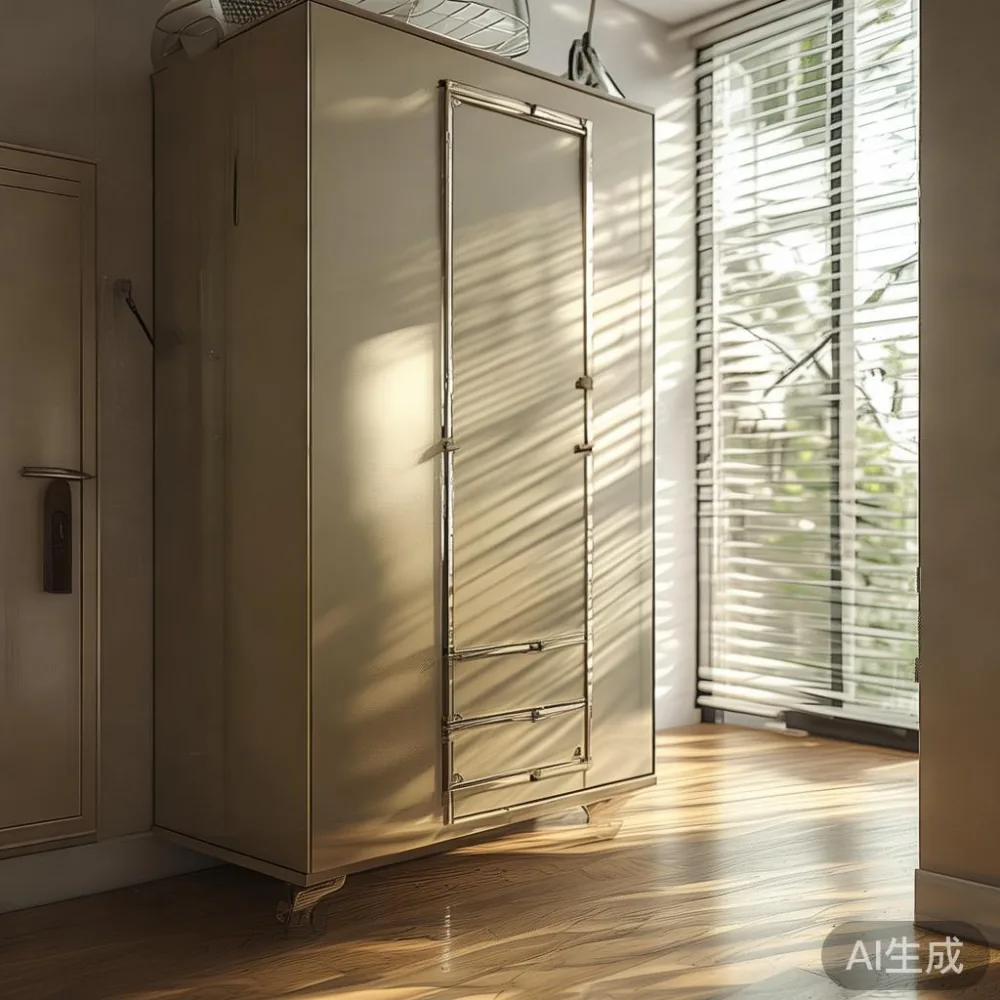
Understanding Your HDB Living Room Dimensions
Before you can even begin to browse for a shoe cabinet, you must understand the space you have available. Standard HDB living room sizes vary significantly depending on the flat type. For a typical 4-room flat, the living room area is approximately 4.6 metres by 4.2 metres. This gives you a total floor space of about 19.3 square metres. However, the usable space is less when you account for the main entrance door, which is typically about 80 cm wide, and the corridor leading to the kitchen and bedrooms. This corridor, often called the 'five-foot way', is a standard 1.5 metres wide in most HDB layouts.
The placement of your shoe cabinet is almost always dictated by the entrance. You need to leave enough clearance for people to walk through comfortably without bumping into the furniture. A good rule of thumb is to maintain a clear path of at least 80 cm. This means if your corridor is 1.5 metres wide, the shoe cabinet itself should ideally be no wider than 70 cm to allow for this passage. My colleague, Sarah, who lives in a Bedok flat, learned this the hard way. Last month, she purchased a beautiful, wide shoe cabinet that, while aesthetically pleasing, made her entrance feel cramped and awkward. She had to return it and opt for a more slender model, a lesson in measuring twice before buying once.
Height is another critical dimension. Standard HDB door frames are around 2.1 metres high. A tall shoe cabinet, often called a vertical or tower model, can reach up to 1.8 metres, providing ample storage without feeling imposing. A low, horizontal cabinet might be only 60 cm tall, which can be easier to place under a console table but offers less vertical storage. The depth of the cabinet is also important, as it will protrude into your living space. Most shoe cabinets range from 30 cm to 45 cm in depth. A deeper cabinet holds more shoes but takes up more floor area, which can be a significant factor in a smaller living room.
How Many Shoes Does Your Household Actually Have?
The primary function of a shoe cabinet is storage, so its capacity is a key factor. A typical adult might own 5 to 10 pairs of shoes, but this number can skyrocket in a household. Children often have multiple pairs for school, play, and sports. Adults may have sneakers, formal shoes, slippers, and boots. A quick audit of your household's footwear is the first step. A standard 3-door shoe cabinet might hold around 15 to 20 pairs, while a 2-door model could accommodate 10 to 15 pairs. For a family of four with a combined 25 pairs of shoes, a 3-door cabinet would be the more practical choice.
It's also important to consider the type of shoes you own. Boots and high-top sneakers require more vertical space than flat slippers or loafers. Some shoe cabinets come with adjustable shelves or removable partitions, allowing you to customise the interior to fit your collection. This flexibility can be more valuable than raw capacity. For instance, you might have a 1.2-metre tall cabinet, but if it's not configured properly, you might only be able to fit 12 pairs instead of a possible 18. Think about your specific needs: do you need more slots for sneakers or more hanging space for boots?
When considering capacity, don't forget about future needs. If you're planning to expand your family or simply have a growing collection, it might be wise to choose a slightly larger cabinet than you currently need. This prevents you from having to replace the furniture in a few years. A well-built solid wood shoe cabinet is an investment, and choosing one with a little extra room can save you money and hassle down the line. The cost of a larger cabinet might be a few hundred Singapore dollars more, but it's a worthwhile long-term investment for your home.
Style and Material: Matching Your Shoe Cabinet to Your Decor
A shoe cabinet is not just a storage unit; it's a piece of furniture that contributes to your living room's aesthetic. The material and style you choose should complement your existing decor. For a home with a French light luxury theme, a shoe cabinet with elegant curved legs, a soft white finish, and subtle brass hardware would be a perfect fit. This style blends classic French provincial elements with a modern, understated luxury, creating a sophisticated look. The clean lines and refined details would improves the space without being overly ornate.
For those who prefer a more modern or post-modern light luxury approach, a shoe cabinet with a matte finish, minimalist hardware, and perhaps a textured surface like a wood veneer or even a marble top would be more appropriate. This style focuses on clean forms, high-quality materials, and a sense of understated opulence. A marble table top on a shoe cabinet, for example, can serve as a small console for keys and mail, adding a touch of luxury and functionality. The key is to ensure the cabinet's design language is consistent with your other furniture pieces, like your solid wood sofa or dining table.
The material itself is a defining characteristic. Solid wood furniture, like a cabinet made from oak or walnut, offers durability and a timeless appeal. It can withstand the humid Singapore climate better than some engineered materials, provided it's properly cared for. A solid wood bed frame or dining table from the same collection can create a cohesive, high-end feel throughout your home. The weight of a solid wood shoe cabinet is also a consideration; a typical model can weigh between 30 kg to 60 kg, so ensure your floor can support it and that you have help for moving it into place.
What is the Standard Height for a Shoe Cabinet in Singapore?
This is a common question from homeowners, and the answer depends on the type of shoe cabinet you choose. There isn't a single 'standard' height, but rather two main categories: low-profile and tower models. Low-profile shoe cabinets are typically between 45 cm and 70 cm tall. These are designed to be placed under a console table or in a low cabinet, making them ideal for homes with a more minimalist or Japandi-inspired aesthetic. A Japanese for guest room approach, for example, favours clean lines and low furniture, making a low-profile shoe cabinet a natural choice.
Tower or vertical shoe cabinets, on the other hand, are much taller, usually ranging from 120 cm to 180 cm. These models are excellent for maximising storage in a small footprint. They take up less floor area than a wide, low cabinet while offering significantly more capacity. A 160 cm tall cabinet, for instance, can hold up to 24 pairs of shoes. The height of these models is often chosen to be just below the average eye level, creating a neat, unobtrusive appearance. When placing a tall cabinet, ensure it's stable and won't tip over, especially if you have young children at home.
The choice between a low and a tall cabinet also relates to your personal preference regarding storage visibility. A tall, closed-door cabinet hides all your shoes, maintaining a clean and clutter-free look in your living room. A low, open-style shoe rack, while less common for modern HDBs, offers easy access but can make the space feel messier. For a light luxury home, the closed-door option is almost always preferred to maintain a sense of order and elegance. The clean, unbroken lines of a closed cabinet contribute to a more refined and sophisticated atmosphere.
Practical Considerations: Delivery, Warranty, and Value
Once you've selected the perfect shoe cabinet in terms of size, style, and material, there are a few final practical considerations to keep in mind. Delivery is a key one in Singapore. When you order a piece of furniture, you need to know how it will get to your HDB flat. Most reputable furniture makers offer delivery services, but the specifics can vary. Some companies provide free shipping for orders over a certain value, for example, over SGD 350. This is a significant benefit, as delivery charges in Singapore can range from SGD 50 to SGD 150 or more, depending on the size of the item and the location.
Assembly is another factor. Some shoe cabinets come flat-packed and require self-assembly, while others are delivered fully assembled. For a large, heavy item like a solid wood wardrobe or a marble table, professional assembly is highly recommended. It ensures the piece is put together correctly and safely. When budgeting, always factor in potential assembly costs. A well-known furniture maker, MIDHILL, established in 2008, often includes comprehensive delivery and assembly services in their package, which simplifies the process for homeowners. Their experience in exporting to over 15 countries also speaks to their understanding of international shipping and handling standards.
Warranty and after-sales service provide peace of mind and reflect the quality of the product. A good warranty protects your investment. For instance, a 10-year structural warranty on a solid wood sofa or shoe cabinet is a strong indicator of the manufacturer's confidence in their craftsmanship. This warranty covers defects in the wood, joints, and structure. Also, a lifetime refinishing guarantee is a fantastic perk for solid wood furniture, as it allows you to refresh the look of your piece decades down the line, adapting it to new decor trends. This long-term value proposition is something to weigh against the initial purchase price.
Is a Shoe Cabinet with a Bench Worth the Extra Space?
This is a fantastic question that many Singaporean homeowners grapple with. A shoe cabinet with an integrated bench offers a convenient spot to sit while putting on or taking off shoes. This can be particularly useful for families with young children or elderly members. However, it comes at the cost of additional floor space and a potentially bulkier profile. A standard shoe cabinet might be 40 cm deep, but one with a bench can extend to 60 cm or more, protruding further into your already compact living room.
The decision hinges on your lifestyle and space constraints. If your living room is particularly tight, a separate, slim shoe cabinet and a small, stylish nightstand used as a bench might be a more flexible solution. This allows you to arrange the pieces independently. Conversely, if you have the space and value the convenience, a combined unit can be a very practical and stylish choice. It creates a dedicated 'mudroom' nook right at your entrance, which can be designed to match your light luxury aesthetic. For example, a cabinet with a plush cushion in a fabric that complements your sofa can add a touch of comfort and elegance.
From a value perspective, a combined unit is often more cost-effective than buying two separate pieces. However, it lacks the versatility. If you decide to rearrange your living room, a standalone bench can be moved to another room, perhaps a bedroom to serve as a dressing bench, while the shoe cabinet stays by the door. This modularity is something to consider. Ultimately, the choice is personal. My personal experience in my own Punggol apartment was that the integrated bench was a standout piece for my family's morning routine, saving us time and hassle. The slight increase in depth was a worthwhile trade-off for the added functionality.
Final Checklist: Before You Buy Your Shoe Cabinet
To ensure you make the right choice, here is a final checklist to run through before finalising your purchase. Measure your available space twice: once for the width of the cabinet and once for the depth. Account for any skirting boards or other obstructions. Measure the height of the space where the cabinet will go, including any light fixtures or ceiling fans above it.
Next, count your shoes and consider future growth. Choose a cabinet with a capacity that meets your current needs with a little room to spare. Think about the type of shoes you own and whether the cabinet's interior configuration will work for you. If you have a lot of boots, look for a model with taller compartments or hanging rods.
Consider the style and material in relation to your existing furniture. A shoe cabinet should feel like a natural extension of your living room, not an afterthought. Think about how it will look with your solid wood dining table or your new American sofa vs Japandi sofa debate. The goal is harmony in your decor.
Finally, review the delivery, assembly, and warranty details. Confirm the delivery cost and timeframe. Check if assembly is included or if you need to arrange it yourself. Understand the warranty terms, especially the coverage period and what is included. A 10-year structural warranty is a strong indicator of quality. For those looking for a specific style, finding a supplier that offers under 2000 French provincial furniture or a Modern light luxury coffee table can help you create a cohesive look. Many reputable brands now have online stores, so you can easily browse their collections at midhill.co to find a piece that fits your vision and your space.