The Real Cost of Solid Wood: Unpacking the Price of Quality Furniture for Your HDB
Walking through the corridors of a new Tampines HDB flat or a Punggol condominium, the excitement of moving into a new home is palpable. The walls are fresh, the paint is new, and the space is a blank canvas. The first major decision, after the sofa and bed, is often storage. A shoe cabinet isn't just a box for footwear; in Singapore's context, it's a statement piece that must fit into a narrow corridor, withstand high humidity, and complement a light luxury aesthetic. The price tags for these solid wood pieces can range from SGD 250 to over SGD 2,000. Why such a vast difference? As a specialist who has spent years examining the supply chain and construction of furniture, I can tell you the answer isn't as simple as 'solid wood costs more than MDF'.
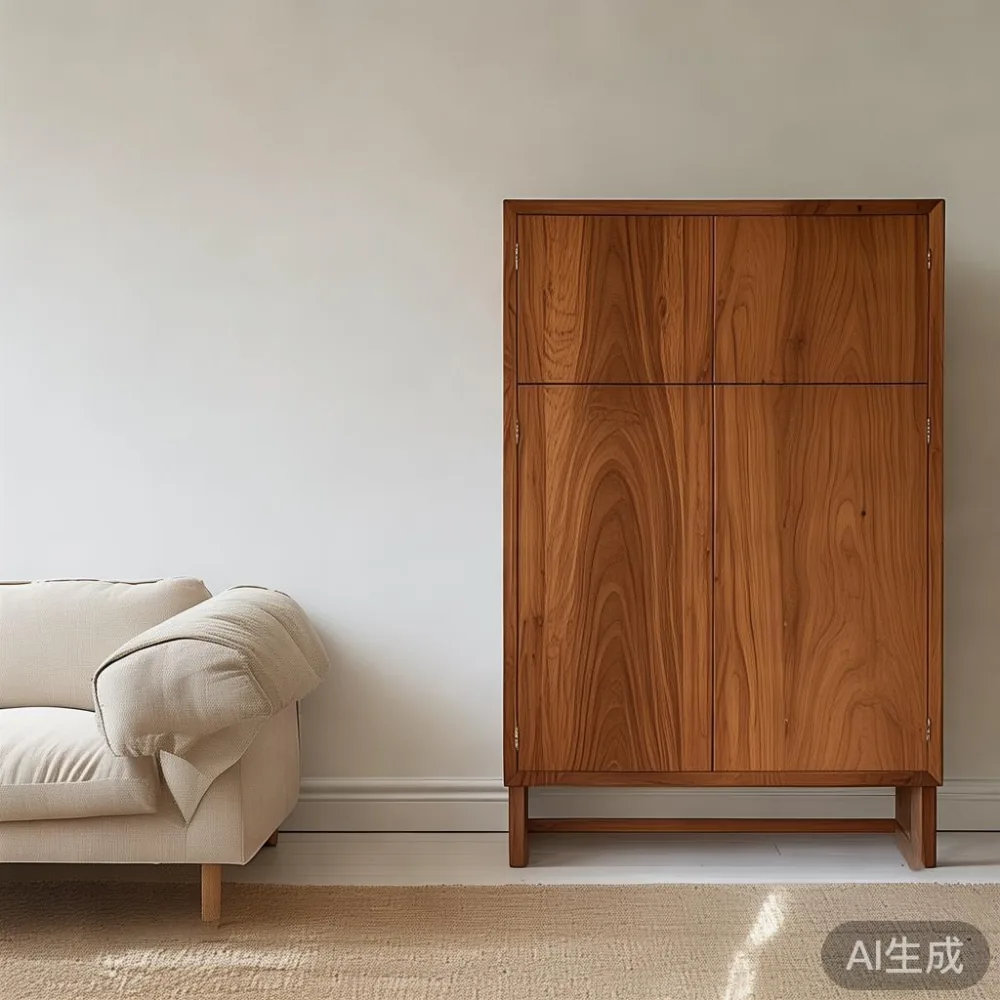
Why Does a Simple Shoe Cabinet Cost So Much in Singapore?
The question every Singaporean homeowner asks when browsing for a new shoe cabinet is: why does a seemingly simple piece of furniture command such a high price? The answer lies in a combination of material quality, manufacturing precision, and the specific demands of our local living environment. A shoe cabinet purchased from a local store might look similar to one from a Foshan furniture maker, but the underlying factors that determine its price and longevity are worlds apart. Let's break down the core components that contribute to the final price you see on the tag.
The Foundation: It's All About the Wood
The single most significant factor in the price of any solid wood furniture, including a shoe cabinet, is the type of wood used. Not all 'solid wood' is created equal. The cost varies dramatically based on the tree's origin, its growth rate, and its inherent properties. For a shoe cabinet that needs to resist Singapore's humidity and daily wear, the choice of wood is paramount.
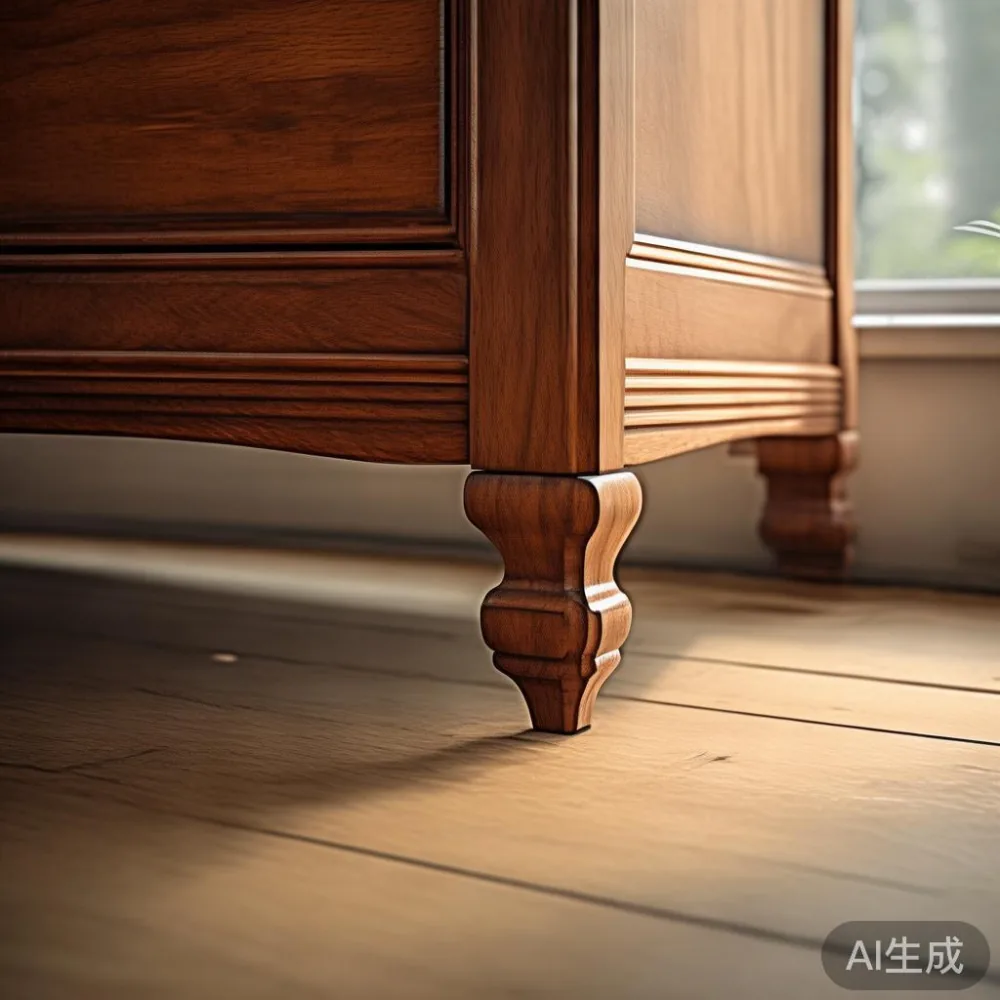
For instance, Rubberwood (Hevea brasiliensis), a common and sustainable choice, is relatively affordable. A basic shoe cabinet made from solid Rubberwood might start around SGD 350. It's durable and takes finishes well. On the other hand, solid Oak (Quercus spp.), particularly European Oak, is a premium material. Known for its prominent grain pattern and extreme durability, an Oak shoe cabinet can easily cost SGD 800 or more. The price difference is due to Oak's slower growth rate, making it a more resource-intensive material. Similarly, American Walnut is prized for its rich, dark colour and straight grain, pushing the price of a shoe cabinet made from it into the higher echelons of the market.
Last month, I visited the MIDHILL workshop in Foshan. I ran my hand over a sample of a shoe cabinet made from North American White Ash. The grain was tight and consistent, and the wood felt substantial. The craftsman explained that this particular batch was air-dried for a full 18 months to a moisture content of 8-10%, a critical step to prevent warping in a country like Singapore where humidity can swing between 60% and 90%. This meticulous process, invisible to the customer, is a direct cost driver. The wood itself is more expensive, and the time and space required for proper drying add to the manufacturing overhead. This is why a shoe cabinet from a reputable maker often costs more than a mass-produced alternative—the quality of the foundational material is simply superior.
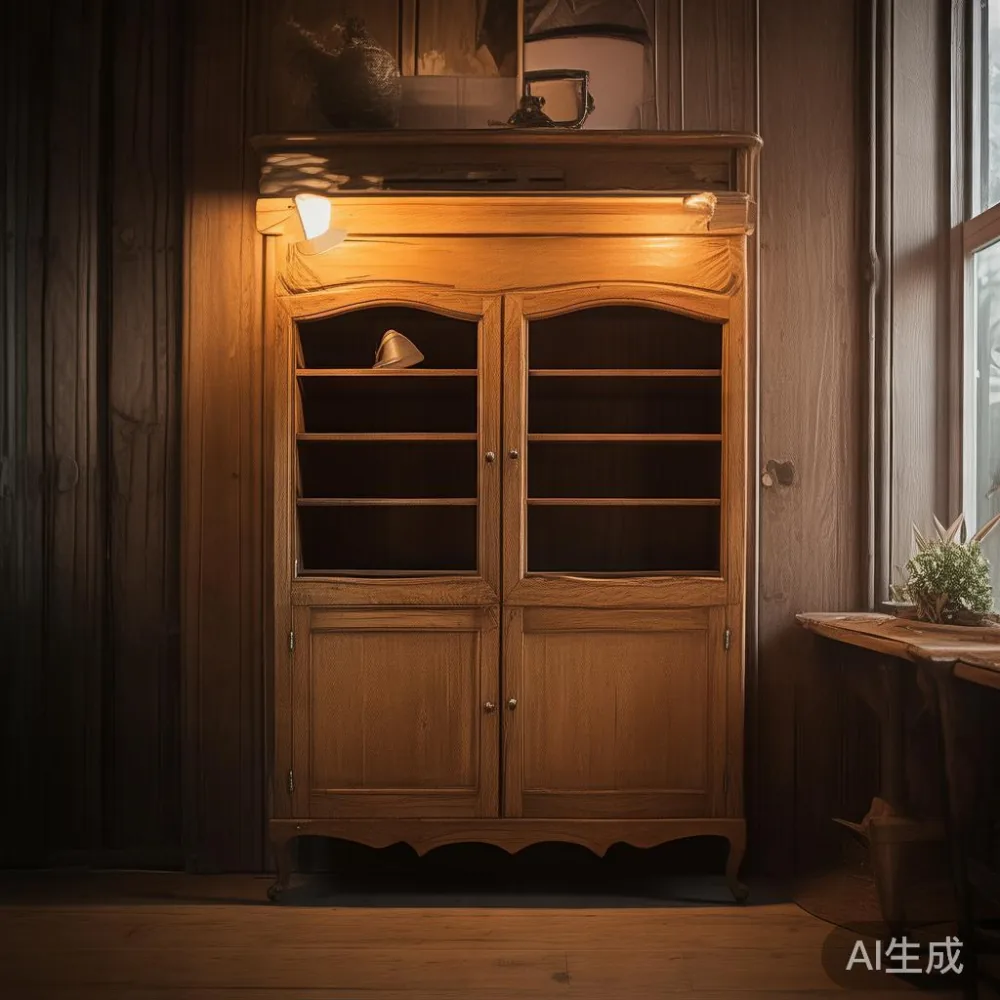
From Logs to Legs: The Art and Cost of Craftsmanship
Once the wood is selected and prepared, the real work begins. The craftsmanship involved in transforming raw timber into a functional and beautiful shoe cabinet is a major contributor to its price. This is where the difference between machine-made and hand-finished furniture becomes starkly apparent.
Consider the joinery. A high-quality shoe cabinet will use dovetail joints for its drawers. This method, where interlocking 'tails' and 'pins' are carved into the wood, creates an incredibly strong bond that is resistant to being pulled apart. A machine can cut these joints, but the precision required demands expensive, computer-numerical-control (CNC) machinery. This investment in technology is passed on to the consumer. Cheaper alternatives might use dowel joints or simple butt joints, which are less durable over time.
Another aspect of craftsmanship is the finishing. A shoe cabinet isn't just a box; it's a piece of furniture that will be seen daily. The finishing process involves multiple stages of sanding, staining, and applying a protective lacquer or oil. Each coat must be allowed to dry completely before the next is applied. A high-gloss finish requires more layers and a higher degree of skill than a simple matte one. This labour-intensive process, where a skilled worker might spend an hour on a single drawer front, adds significant value. For a piece of light luxury furniture, this level of detail is non-negotiable. It’s what separates a functional shoe cabinet from a design element that enhances your home's aesthetic.
Design and Function: More Than Just a Place for Shoes
In the context of Singapore's HDB flats and condos, where space is a premium commodity, the design of a shoe cabinet is not just about looks—it's about intelligent functionality. A well-designed shoe cabinet maximizes every centimetre of available space, a feature that has a direct impact on its price.
Think about the dimensions. A standard HDB corridor might be only 120cm wide. A shoe cabinet needs to fit this space perfectly, perhaps with a width of 100cm to allow for airflow. The depth is also critical; a cabinet that is too deep will protrude too far into the corridor, becoming a nuisance. A designer might spend hours calculating these dimensions to ensure the piece is both practical and aesthetically pleasing. This design work, whether it's creating a clean, minimalist profile for a modern condo or a more ornate style for a landed property, adds to the cost.
Internal features also drive up the price. A basic shoe cabinet might have one open shelf. A more sophisticated model could include multiple compartments for different types of shoes, pull-out drawers for slippers, a built-in shoe rack that can be lifted to store taller boots, and even a hidden compartment for keys. Each of these features requires additional materials, hardware (like soft-close drawer slides), and labour to install. A cabinet with a lift-up bench seat, for example, involves complex hinges and a counterbalance mechanism, all of which increase the manufacturing complexity and final price. This focus on functionality is what defines a piece of light luxury furniture; it’s designed to make your life easier, not just to look good.
The Hidden Costs: Shipping, Taxes, and Warranties
What many Singaporean consumers don't see are the logistical costs associated with bringing a piece of solid wood furniture from a factory in China to their doorstep in Bedok or Tampines. These hidden costs are a significant part of the final price.
Shipping a heavy item like a solid wood shoe cabinet is expensive. It's not just the cost of the sea freight container from Foshan to the Port of Singapore. It's also the custom crating to protect the furniture during transit, the local trucking company to move it from the port to a warehouse, and finally, the 'last-mile' delivery to your home. Delivery companies in Singapore charge based on size and weight. A large shoe cabinet might weigh 35kg and have dimensions of 100cm x 35cm x 80cm. The delivery fee alone can be SGD 50 to SGD 120, depending on the location and whether it includes assembly. This is why many reputable sellers offer free shipping over a certain purchase amount, like SGD 350—it's a way to offset these significant logistical costs for the customer.
Then there's the Goods and Services Tax (GST). In Singapore, the current GST rate is 9%. This tax is applied to the cost of the goods, plus the shipping, plus any insurance. So, if a shoe cabinet costs SGD 500, shipping is SGD 80, the pre-tax total is SGD 580, and the final price including GST would be SGD 632.20. This 9% is a mandatory addition that directly impacts the amount you pay.
Finally, consider the warranty. A 10-year structural warranty is a powerful indicator of quality. It signifies that the manufacturer is confident in their materials and construction. Offering such a warranty requires a company to have a solid after-sales support system. This includes staff to handle warranty claims, processes for inspecting and repairing or replacing defective parts, and the financial reserves to honour these commitments over a decade. This peace of mind is a service that is built into the price of the furniture. A company that offers a lifetime refinishing service is committing to supporting the product for its entire life, which is a significant value-add that cheaper competitors simply cannot match.
How to Evaluate a Shoe Cabinet's True Value
Given all these factors, how can a savvy homeowner in Singapore determine if a shoe cabinet is worth its price? It's about moving beyond the sticker shock and asking the right questions. Look beyond the immediate aesthetic and investigate the substance of the piece. A well-made shoe cabinet is an investment that will serve you for many years, adapting to your lifestyle and home.
When you're considering a purchase, think about the long-term. A cheaper shoe cabinet might seem like a bargain today, but if the wood warps in our humid climate or the drawer tracks break after a year, you'll end up spending more to replace it. A quality piece, even if it costs more upfront, offers a much lower total cost of ownership. This is the principle behind the American bed vs Nordic bed debate; it's not about which is 'better', but which design philosophy and construction quality better suits your personal needs and the environment you live in. The same logic applies to a shoe cabinet.
Ultimately, the price of a solid wood shoe cabinet reflects a combination of tangible and intangible values. It's the cost of the raw material, the hours of skilled labour, the precision of the design, the reliability of the delivery, and the assurance of a long-term warranty. It's an investment in your home's functionality and style. By understanding these drivers, you can make a more informed decision, choosing a piece that not only looks beautiful in your corridor but is also built to last a lifetime.