Tropical Climate Care Tips for Lacquered Shoe Cabinets
Singapore’s heat and humidity can be hard on a lacquered shoe cabinet. Lifted tannins from dark leather, sticky fingerprints, trapped condensation and repeated temperature changes may dull a glossy finish faster than they would in a drier climate. The good news is that a sound lacquered surface responds well to a simple routine: keep it dry, clean it gently, control the storage environment and inspect the finish every 3–4 months.
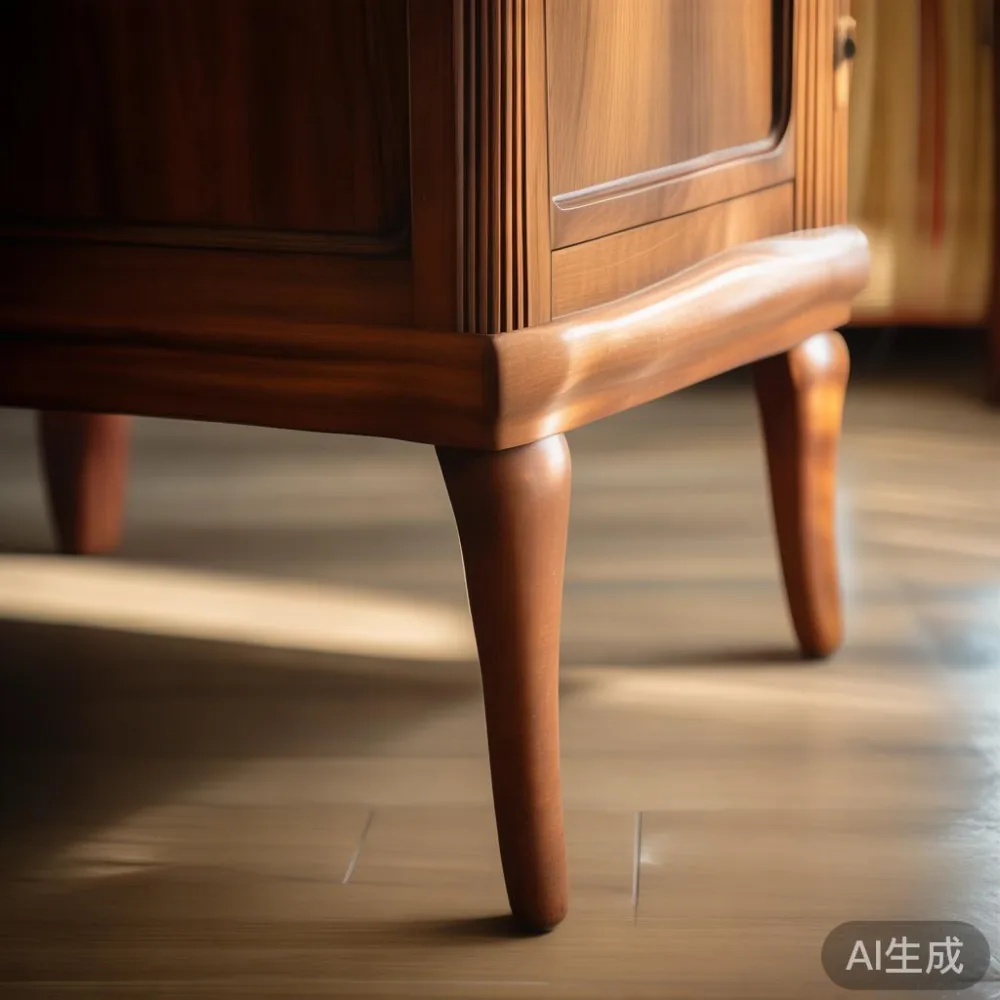
At MIDHILL, our solid wood shoe cabinets are made for use in Singapore homes, including the compact corridors and lift-access layouts common around Tampines, Bedok and Punggol. The cabinet is the product here; the surrounding furniture references simply help place it within a coordinated light-luxury interior. Care protects the lacquer while allowing the natural wood grain, clean edges and restrained proportions to remain visible.
Why does lacquer behave differently in Singapore?
Lacquer creates a thin protective layer over the wood or colour system. Compared with an unfinished solid wood surface, it resists moisture and marks more readily, but heat, UV exposure and harsh chemical cleaners can still cause clouding, micro-scratches or lifting at joints and edges. A cabinet kept near an open balcony may see daytime temperatures of 32–35°C and humidity above 80%. Even away from a balcony, coastal air and enclosed HDB corridors can keep the surface slightly damp.
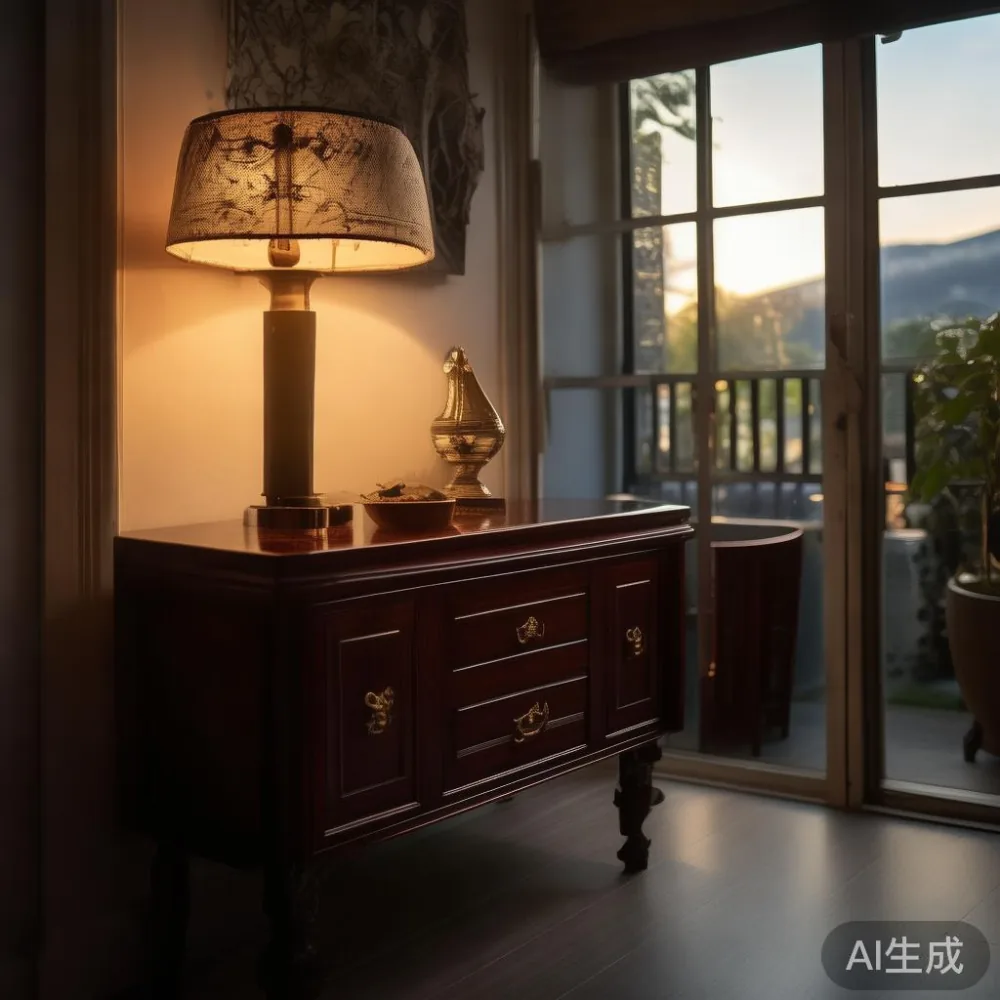
The finish should not be treated as indestructible. Place the shoe cabinet at least 30 cm from an exterior wall if possible, and 60 cm away from air-conditioning vents or direct floor-level airflow. Avoid a spot beside a bathroom door, where hot water vapour can condense. Aim for an indoor relative humidity of roughly 45–65%, and use a dehumidifier if the cabinet stays close to an external wall for long periods.
Singapore’s intense sunlight also matters. UV can fade a lacquer colour over 12–24 months, even without physical contact. A pair of curtains with a UV-filtering fabric can reduce exposure without blocking circulation. In a condo with west-facing windows, a pale neutral cabinet may show yellowing sooner than a darker finish, so quarterly inspection is sensible.
What is the safest way to clean a lacquered shoe cabinet?
Start with the least aggressive method. For routine dust, use a clean microfibre cloth with light pressure. For fingerprints, lightly dampen a separate cloth with lukewarm water and a single drop of mild dish soap, then wipe the area and dry it with a second cloth. A 10 cm test patch is advisable before using any cleaner, especially on a satin or textured lacquer.
Keep water away from the plinth, joints, handles and any open seams. Do not spray cleaner directly onto the cabinet; spray the cloth instead. Paper towels can leave fibres, while abrasive pads can create fine scratches that catch light. Household bleach, ammonia, alcohol, acetone, wax and oil-based polish should not be used unless the cabinet’s care instructions explicitly permit them.
For sticky residue, allow a clean microfibre cloth and lukewarm soapy water to soften it for 30 seconds, then remove it without rubbing hard. If residue remains, seek advice from the supplier rather than scraping it. In humid weather, dry the surface within 10 minutes and keep the cabinet open for 15–20 minutes if the whole unit smells musty.
One practical test I carried out last month involved leaving a lightly lacquered sample beside a west-facing window in a Singapore home. After 6 weeks, direct sunlight produced a visible warm patch on one side, while the shaded reverse remained unchanged. Moving the sample 45 cm behind a sheer curtain reduced the effect. The result reinforced the value of a simple 5-minute weekly wipe and attention to placement.
How often should a lacquered shoe cabinet be maintained?
A weekly dusting is enough for most occupied flats. Wipe the top, sides, doors and handles with a dry microfibre cloth every 7 days. Use damp cleaning every 2–4 weeks if shoes are handled daily or the cabinet is near an entrance. Inspect the finish every 3 months for dull patches, lifting edges, small bubbles, condensation or insect activity.
Empty and vacuum the lower compartment at least once a month. Use a soft brush attachment, keep suction away from joints, and remove shoes with damp soles. A tray of activated charcoal or cedar can absorb odours, but place it inside a breathable pouch so powder does not settle into the lacquer. Do not fill the cabinet to the ceiling; leave 5–8 cm above the shoes for airflow.
Check moving parts every 6 months. Tighten a loose handle only if the manufacturer’s instructions allow it, and do not force a swollen door. In Singapore, timber can expand by about 3–6% across its width as humidity changes, so a tight-fitting door may bind after monsoon rain. A fitted adjustable shelf and properly levelled cabinet can reduce stress on the lacquer.
Can heat and condensation damage a lacquered finish?
Yes, if they remain trapped. A shoe cabinet near a HDB corridor can be exposed to warmer air than the main room, while a narrow unit placed against a cool exterior wall can develop condensation during the night. Lift and corridor widths should be checked before delivery: a shoe cabinet wider than 58 cm may not clear a typical residential lift opening easily, and a 90 cm turning area is sensible for a long corridor.
Maintain 3–5 cm of clearance between the back panel and a wall where ventilation is needed. Keep the cabinet out of direct airflow from an air-conditioner, because repeated cooling can cause finishes around doors and edges to contract. If condensation appears, remove the shoes, dry the interior and improve room ventilation. Do not use a hair dryer or heat gun; temperatures above 60°C can soften or blister lacquer.
For frequent shoe changes, provide a small tray and brush outside the cabinet. This reduces grit, water and leather dye transferring to the shelves. Put a protective mat beneath damp shoes and avoid storing wet umbrellas beneath the unit. A cabinet should remain dry even when its solid wood frame is made to last for many years.
How can I style a lacquered shoe cabinet without making it look heavy?
Keep the composition light. A low-profile shoe cabinet in a pale lacquer works well beneath a slim console or as part of an entryway bench. Avoid piling on large decorative objects, especially in an HDB flat with limited floor area. One tray, a small ceramic vessel or a 25–30 cm framed print is enough. The open space around the piece matters as much as the objects on top.
For a wider 120 cm cabinet, balance it with a narrow artwork above rather than two heavy side tables. The finish should not compete with strongly patterned walls; warm white, greige and pale oak surroundings let a lacquered shoe cabinet read crisply. This French light luxury approach uses proportion, texture and controlled contrast rather than visual clutter. A post-modern light luxury version could pair the cabinet with one curved element, such as a rounded mirror or circular stool.
Nearby furniture can share the same design language without becoming a matched suite. A solid wood sofa with raised legs keeps the visual floor open, while a marble table can introduce a cool accent in a larger condo foyer. A bed frame with a low upholstered headboard and a dining table with slim edges support the restrained palette. Finish the room with a solid wood bed frame, a compact dining table and a wardrobe whose handles repeat the cabinet’s finish. These references must remain secondary to the shoe cabinet rather than turning the space into a showroom.
For bedroom planning, how to style French bed in bedroom can be answered with the same restraint: use a slim bed frame, pale textiles and one symmetrical bedside element. The exact phrase “how to style French bed in bedroom” is not a product claim, just one of the design considerations that helps a shoe cabinet fit a coherent home. For a compact sitting area, Mid-century modern for small living room offers useful lessons in slender legs and low storage, but the storage must remain fitted to the available wall length.
What should I do if the lacquer scratches, dulls or peels?
For a fine scratch, do not reach for a polishing kit immediately. Clean the area, confirm that the mark is only in the lacquer, and contact the supplier with a clear photograph taken in daylight. A 10 cm ruler in the image helps show the scale. Minor surface marks may be managed with a product approved by the cabinet maker, but colour restoration is not safe to improvise.
Blistering, peeling or lifting needs a more cautious response. Keep the cabinet dry, avoid pressing the affected area and stop using the door if it catches. Photograph the damage from several angles and note when it appeared, along with the room’s humidity and any nearby water source. MIDHILL offers a 10-year structural warranty on eligible products; cosmetic lacquer issues should still be reported so the appropriate care or service guidance can be provided.
For households considering a larger coordinated purchase, compare the finish across a solid wood sofa, bed frame, dining table, wardrobe, nightstand and marble table so variations are expected rather than treated as defects. A request about the best American wardrobe for 2026 may lead to broader shopping, but it should not distract from measuring the shoe cabinet’s exact position.
How do delivery, returns and long-term care affect your choice?
Confirm the finished dimensions before ordering: width, depth, height, handle projection and door-opening clearance. For a typical shoe cabinet, allow 10–15 cm of extra floor space for cleaning and ventilation. Delivery to most Singapore addresses may take 7–14 working days, although lift bookings, remote areas and made-to-order finishes can extend the schedule. GST and the final payable amount should be shown clearly in SGD before payment.
Good delivery protection is part of furniture care. Inspect the carton on arrival, photograph the panels and check corners, doors and shelves before the packaging is removed. Keep the cabinet in its protective wrapping for the first 24 hours if it must be moved, and let it acclimatise indoors for 48–72 hours before loading it with shoes. Free shipping may apply above US$350 on qualifying orders, with any Singapore tax treatment shown at checkout.
Returns are generally accepted within 14 days under the stated policy, subject to condition and eligibility. A shoe cabinet that has been installed, heavily scratched or altered may not qualify, so reviews should happen before the cabinet is built into the entryway. MIDHILL also provides lifetime refinishing for eligible purchases; confirm the scope and request an assessment if the lacquer needs attention. This service complements, rather than replaces, careful daily care.
Which maintenance record should I keep?
Keep a short record with the purchase date, finish type, cabinet dimensions and supplier contacts. Note the cleaning dates, any product used and any changes in humidity. A monthly photograph of the front and top can reveal gradual dulling that is hard to notice in person. Record every 6 months whether the doors, handles and adjustable shelves still operate correctly.
For design research, a Mid-century modern dressing table can offer useful width and storage ideas, while a query for the best Rustic bed for 2026 may concern a different room. Keep each piece proportionate to its own space. A nightstand with one small lamp, a solid wood bed frame with clean bedding and a dining table that leaves 75–90 cm of circulation can all look harmonious with a shoe cabinet without creating a crowded arrangement.
The final style check should focus on the entryway. The shoe cabinet should feel useful before it feels decorative, with shoes within reach, a surface that can be wiped in 5 minutes and enough airflow around the carcass. For shoppers who want a broader reference point, under 2000 French furniture can be a useful way to explore restrained joinery and pale finishes, although the shoe cabinet remains the central piece for this tropical-care guide.
What is the 10-minute care routine for Singapore weather?
Begin by checking the cabinet’s location and moving it 30–60 cm away from direct sun, damp walls or strong air-conditioning airflow. Next, remove shoes with damp soles and wipe any marks from the lacquer within 24 hours. Once a week, dust all surfaces with a clean microfibre cloth. Every 2–4 weeks, use lightly damp soapy water on a cloth, never on the cabinet, and dry the finish immediately.
Every 3 months, inspect the top, edges, handles, plinth and interior for lifting, dull patches, condensation and pests. Every 6 months, check shelf supports and door movement. Keep a silica-gel packet in the interior if humidity regularly exceeds 70%, replacing it when its colour indicator changes. Maintain 5–8 cm above the shoes and 3–5 cm behind the cabinet where space permits.
A lacquered shoe cabinet in a tropical climate needs fewer products and more consistency. Gentle cleaning, careful placement and prompt action after a spill will preserve the surface for years. The cabinet should support the home’s daily rhythm while retaining the calm appearance associated with American light luxury, where practical joinery, durable finishes and clean proportions meet.