Solid Wood Furniture Cost Factors in Singapore
Furniture prices rarely reflect one simple factor. A solid wood shoe cabinet can vary by several hundred dollars even when two models have similar dimensions, because timber grade, joinery, hardware, finish, brand overhead and delivery terms all affect the final invoice. For Singapore buyers furnishing HDB flats and condos in Tampines, Bedok and Punggol, those differences become easier to understand once every price is translated into board thickness, kilograms, service years and delivered cost.
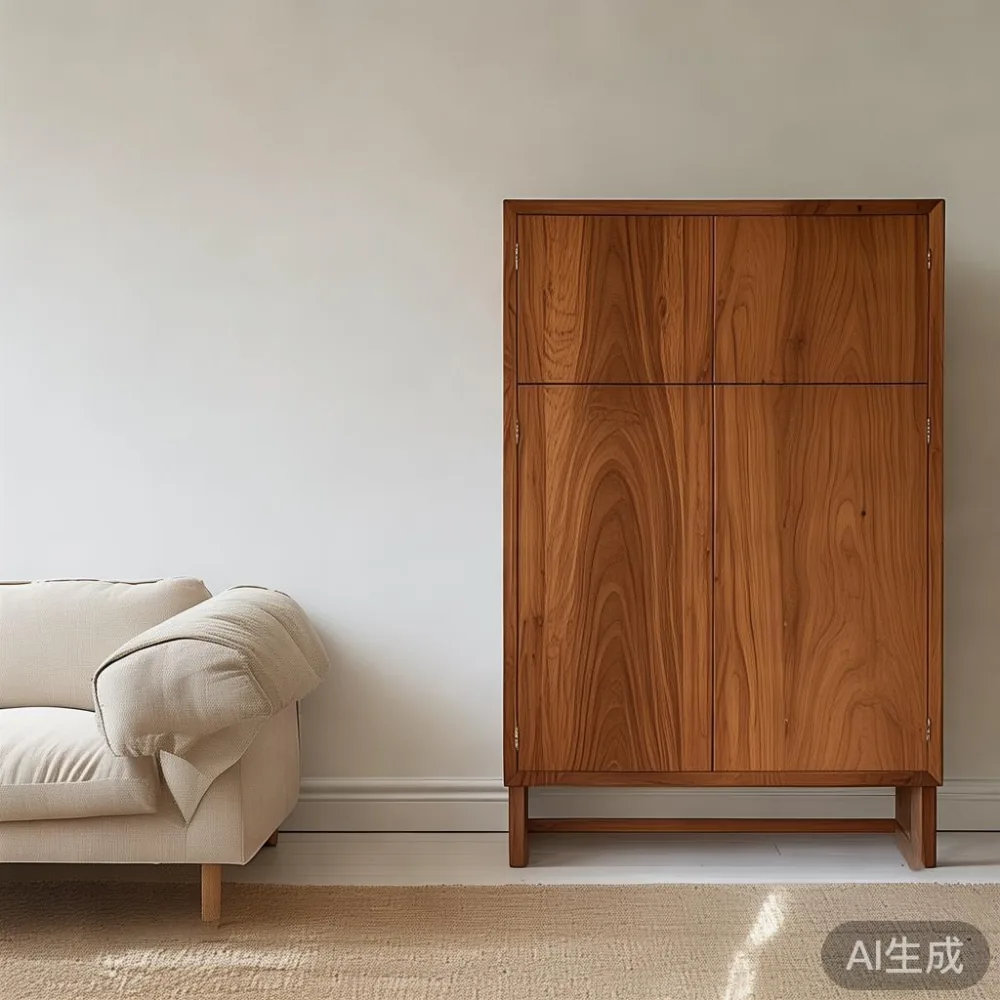
MIDHILL was established in 2008 and exports to more than 15 countries. Its furniture carries a 10-year structural warranty, with lifetime refinishing available. Those are measurable promises, but a solid wood dining table, bed frame, wardrobe, nightstand or marble table still has a price built from many physical and commercial components. The aim here is practical: identify what you are paying for, where compromises appear, and how to compare quotations fairly.
Is timber species the largest factor in a solid wood furniture price?
Yes, timber species is often the largest variable, but “solid wood” alone says very little. Two shoe cabinets may both use solid wood while using different species, cuts, thicknesses and surface treatments. The species affects availability, grain consistency, workability, movement and finishing requirements. The board thickness matters just as much: a 20 mm carcass generally contains more timber than an 18 mm carcass, while a 25 mm top has greater material cost and weight.
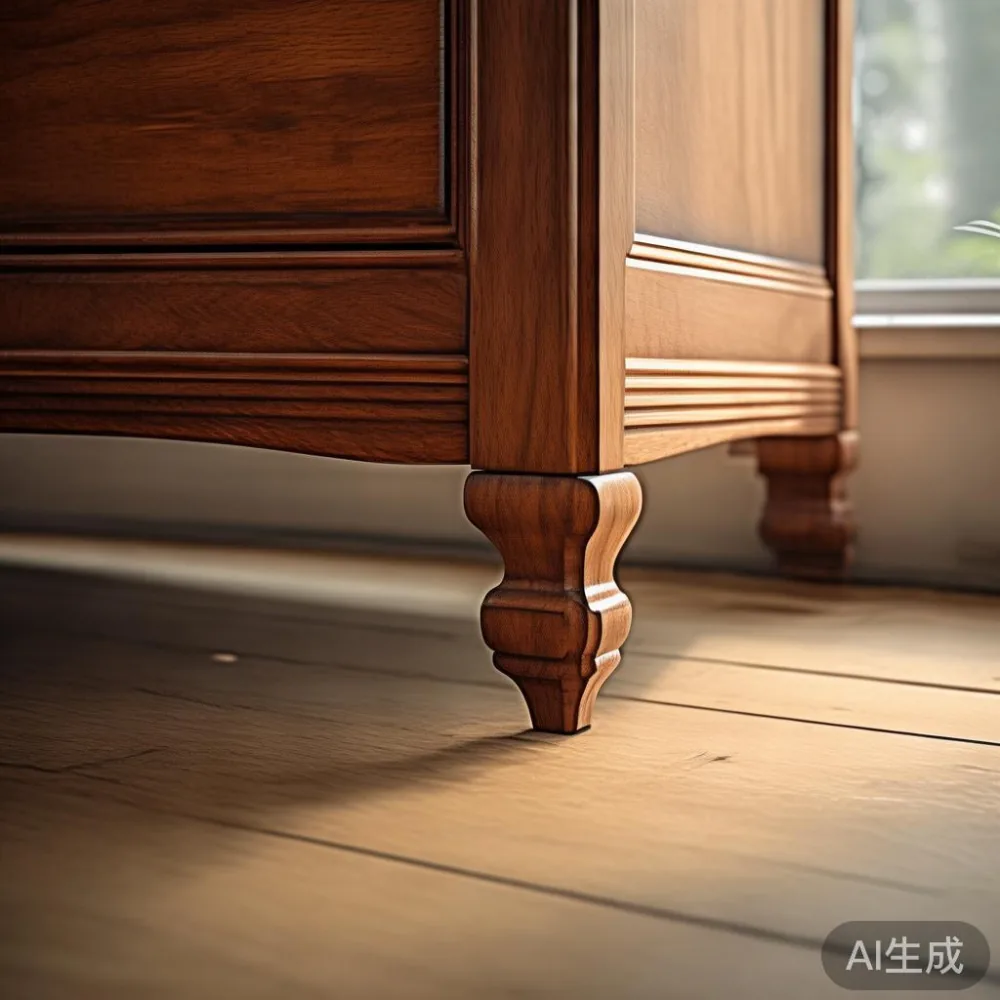
Oak, ash, beech, walnut and other commonly used hardwoods have different market prices. Imported walnut can cost several times more than a lower-cost hardwood because of scarcity, transport and grading. A cabinet made from character-rich boards may also cost more than one selected for a uniform appearance. Veneer is not automatically inferior, either: a well-built veneered panel can offer stability and consistent colour, while a low-grade solid panel may warp around a moving hinge.
Ask for the exact species and thickness rather than accepting the broad phrase “solid wood.” A seller should be able to identify oak, walnut or another species on the specification sheet. For an HDB shoe cabinet, a carcass around 18–20 mm and a top of 20–25 mm is substantial enough for daily use. For a dining table, a top around 25–30 mm is a more useful reference than a photograph that hides edge thickness.
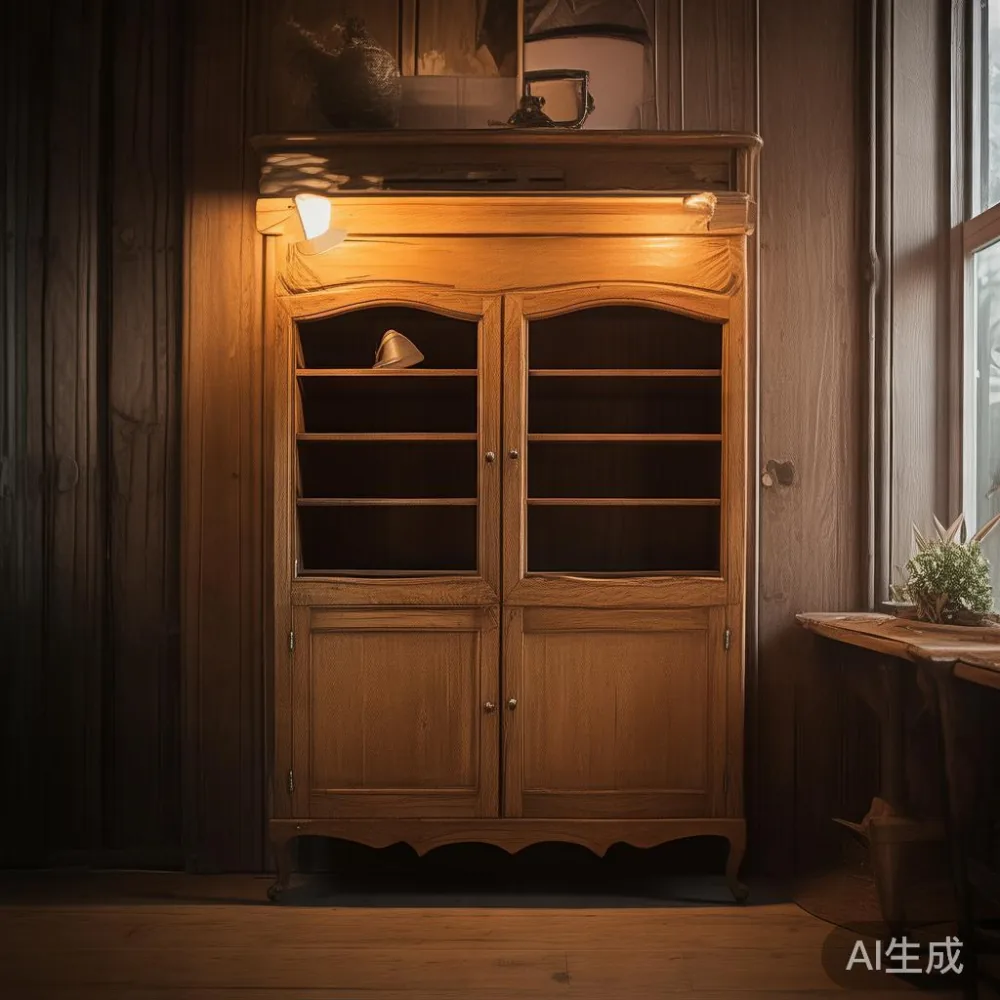
Weight gives clues, but it is not proof. Compare delivery quotations for cabinets in the 35–70 kg range, depending on size and timber density. A quote near SGD 590 for a two-door solid wood shoe cabinet should be tested against the timber, board thickness, back panel, hinges and finish. A quote near SGD 1,290 may use thicker or more selective boards, but it could also include a branded mechanism or a less competitive dealer margin.
How much should joinery and structural construction cost?
Joinery is where price and longevity meet. The distinction between dowelled construction, mortise-and-tenon joints, pocket screws, confirmat screws and mechanical fittings affects labour, appearance and repairability. Dowels and glue can make a sound frame, but screws fixed into end grain may loosen after repeated movement. A mortise-and-tenon frame uses more skilled work and can be more expensive, although machine-cut tenons are now common.
For a shoe cabinet, the carcass should resist pulling apart when doors are opened forcefully. A 12–15 mm back panel set into a rebate is stronger than a thin decorative sheet merely nailed to the rear. Hinges should be adjustable on at least 2 axes where possible; soft-close hinges commonly add SGD 15–60 per pair. Full-extension runners for a wider cabinet can add another SGD 25–90, while a traditional shoe rack may simply use fixed timber shelves.
The same reasoning applies to a solid wood bed frame. Look for corner joints that carry the mattress load, a centre support where the span exceeds about 180 cm, and slats spaced at suitable intervals. A slatted base with 12–14 slats may support a mattress better than 8 widely spaced slats, reducing the need for a box spring. For a wardrobe, assess the hanging rail and upright sections, not only the doors. Thick door stiles and reliable hinges cost more to fabricate because alignment takes longer.
At MIDHILL, the 10-year structural warranty provides a useful benchmark, but warranty wording matters. Check whether it covers frame failure, joint separation and the kinds of components excluded. Lifetime refinishing is another distinct service: confirm whether it covers scratches, water marks and colour fading, and whether refinishing is available only at the factory or through an authorised local arrangement.
What do hardware, hinges and moving parts add to a shoe cabinet?
Hardware is visible, tactile and easy to compare. A shoe cabinet may include adjustable shelves, tilt-out trays, pull-out racks, mirrored panels, charging sockets, ventilation holes and LED lighting. These features add production time, packing volume and installation needs. A basic four-shelf timber shoe cabinet may retail around SGD 420–750. Adding soft-close hinges, a pull-out mechanism and an oak finish can move it toward SGD 850–1,400.
For Singapore homes, ventilated storage is especially relevant. Shoes release moisture, and a closed cabinet benefits from rear or side vents. A narrow model at 80–90 cm wide can suit an HDB corridor without blocking the electrical meter room or fire access. A deeper model at 30–35 cm can hold larger pairs, while a shallow 22–25 cm design may fit beside a lift lobby wall where circulation matters.
Consider the actual opening mechanism. Hinged doors projecting 45–60 cm need clearance in a corridor; sliding doors avoid that projection but reduce internal access. Lift and corridor widths should be checked before ordering. In many Singapore condos, the usable doorway may be 80–90 cm, while lift doors can be around 90–110 cm. A cabinet wider than 90 cm may require turning it on its side, which can damage the top or back unless the manufacturer confirms safe handling.
Hardware quality should be specified by brand and model. Blum or Hettich mechanisms command higher prices than generic fittings, but the difference should appear in adjustment range, closing force and durability. A solid wood nightstand with 1 soft-close drawer might cost SGD 320–520; premium slides and a more elaborate finish can push it above SGD 650. The drawer box, runners and sheet thickness often explain the difference more clearly than the product name.
Does a marble table really cost more than a solid wood dining table?
Often, yes. A marble table adds stone selection, fabrication, reinforcement, packing and specialist transport. Natural marble varies in pattern, so each slab has a different appearance and wastage can be significant. A 160–200 cm dining table with a natural stone top may retail from roughly SGD 1,800 to SGD 4,500, depending on marble type, edge profile and base design.
Stone thickness typically ranges from 10–20 mm, with thicker slabs used where spans and support points require them. Marble is heavy: a 180 × 90 cm top may weigh about 120–220 kg depending on material and thickness. It also needs careful handling, so a delivery quote may include a two-person crew or lift booking. Timber tops are lighter; a comparable solid wood dining table might weigh 55–95 kg and cost SGD 1,200–2,600.
French light luxury often uses pale woods, restrained profiles and tactile fabrics. American light luxury tends to favour generous proportions, deeper upholstery and statement hardware. Post-modern light luxury may pair a marble table with sculptural or visually playful bases. These styles influence design hours and component choices, but “light luxury” is not a material grade. It should describe proportion, finish and detailing rather than conceal a weak carcass.
One useful comparison phrase is French bed vs French provincial bed. A French bed generally means a clean-lined upholstered or timber platform, while a French provincial bed carries carved details, shaped posts and decorative curves. The latter can require more timber shaping and hand-finishing, but a French bed with premium fabric, a solid frame and tailored edges may cost more because of material and labour.
How much should factory finishing, colour and texture affect the price?
Finishing can add 5–15% to a furniture item’s production cost, and sometimes more. Raw timber may need sanding, filling, staining, sealing, polishing and final touch-up. Open pores such as oak absorb more finish than dense woods, while walnut may need careful colour correction. Multi-layer stains and hand-rubbed edges are labour-intensive. A clear matte finish should not be confused with a high-gloss coating; the application method changes cost and appearance.
Ask whether the finish is water-based, polyurethane, lacquer or oil. In humid Singapore conditions, a properly cured surface with sound joinery remains important. Furniture should not sit against a persistently damp wall, and shoes should be dry before entering a cabinet. Temperature and moisture can cause movement, so allow timber to acclimatise for around 48–72 hours where practical.
Colour matching across separate pieces matters in a bedroom. A French sofa vs Japandi sofa comparison often focuses on shape, but the timber base should also share a consistent tone. Japanese-style rooms usually rely on visual lightness and vertical storage. When considering how to style Japanese wardrobe in room, position pale cabinetry against a calm wall, keep accessories restrained and avoid crowding the space near HDB sliding doors. An integrated wardrobe may cost SGD 1,800–4,500, while a freestanding oak wardrobe might range from SGD 1,200–3,000.
Fabric and leather choices can alter a sofa or upholstered bed frame by hundreds of dollars. A solid wood sofa may have a timber frame, foam, webbing, fibre wrapping and removable covers, so “solid wood” describes the structure rather than every surface. For a comparable 180–220 cm sofa, expect roughly SGD 2,200–5,500, subject to fabric, cushioning and detailing. An Italian light luxury bed can exceed SGD 3,500 because of its upholstery, silhouette and coordinated construction; when researching how to choose Italian light luxury bed, separate origin claims from measurable material specifications.
What are the hidden costs of buying furniture in Singapore?
Delivered price includes more than the factory item. GST is 9% in Singapore, and the treatment depends on the seller’s registration and whether the transaction is domestic or exported. If a local retail quotation includes GST, the pre-GST figure is the total divided by 1.09. Buyers comparing MIDHILL with overseas listings should also account for international freight, customs, insurance, local handling and any warranty administration.
Delivery time is a price component. Singapore stock may arrive within 3–7 days, while made-to-order furniture can require 6–12 weeks. Custom shoe cabinets may take 8–14 weeks, depending on finish, dimensions and production queues. The latter should be written into the quotation rather than promised verbally.
Last month I visited a supplier’s assembly area and watched a solid wood dining table move through fitting and final inspection. The most expensive-looking table was not the one with the thickest top; it was the one with accurately aligned joints, square legs, even gaps and a repaired underside that would remain hidden after delivery. That inspection mattered because the visible surfaces were already familiar from the catalogue. In a workshop, construction that looked slightly less decorative was often assembled with greater precision.
Access charges should also be confirmed. Lifts in older HDB blocks may have internal dimensions near 100 × 130 cm, but the turning space, door width and floor-level route still matter. A 45–60 kg nightstand may need two people above staircases. A 70 kg shoe cabinet may require a three-person delivery team. Charges around SGD 30–120 may apply for extra carrying, while stair or hoist service may be higher.
MIDHILL offers free shipping over US$350, which can be compared against Singapore delivery charges, although the currency, destination and customs treatment must be checked for an individual order. Its 14-day return policy provides another practical benchmark. Confirm whether a return means cancellation after dispatch or acceptance of an unused item, and whether custom sizes, marble tops and made-to-order finishes are excluded.
How can I compare two quotations without being misled?
Normalise every quotation into the same format. Record the product dimensions, timber species, board thickness, back-panel construction, joint method, hardware, finish, delivery date, GST treatment, assembly, return terms and warranty. If one shoe cabinet is 180 × 40 × 100 cm and another is 150 × 35 × 95 cm, their prices cannot be compared by cabinet count alone. Compare useful volume and load capacity as well.
Use a written specification checklist. A practical mid-range shoe cabinet may include a 20 mm solid timber frame, 12–15 mm back, adjustable shelves, soft-close hinges and a clear matte finish. If a lower quotation uses a 9–10 mm back, thinner drawer components or particleboard inserts, ask for disclosure. Those choices may be reasonable in hidden locations, but they should not be disguised as solid construction.
Check how products are presented online. A page advertising for sale Boho furniture may mix solid wood, rattan, metal and upholstered pieces, so material filters are useful. Similarly, a question about the best Japandi sofa for 2026 should lead to a 2026 price and specification check rather than an outdated editorial label. A sofa with a solid wood frame, removable cover and supportive cushioning may be more useful than one marketed only through a style trend.
Finally, read the small print on after-sales support. A 10-year structural warranty should identify what “structural” means, while a lifetime refinishing promise should explain its scope. Singapore’s consumer expectations favour clarity: response within 3–5 working days, defined claim procedures and a named contact are more informative than a long list of vague guarantees.
What is a reasonable solid wood furniture price in Singapore?
Broad ranges help detect an outlier, but construction details determine value. A two-door oak shoe cabinet may sit around SGD 650–1,300; a wall-mounted shoe cabinet may range from SGD 350–900; a large shoe cabinet with multiple pull-out trays may reach SGD 1,400–2,600. A solid wood nightstand commonly falls around SGD 280–600, while a wardrobe may range from SGD 1,200–4,000. A solid wood bed frame generally starts near SGD 900 for a simple platform and can exceed SGD 3,000 with shaped headboards, premium hardware and detailed finishing.
Do not treat one figure as a universal benchmark. A lighter cabinet with fewer moving parts should not cost the same as a wider unit with drawers, lighting and soft-close mechanisms. Compare like with like, then ask what would happen if one specification were removed. That can reveal whether a difference of SGD 150 comes from timber, hardware, finish or freight.
The most useful price is not simply the lowest quotation. It is the amount required for construction that fits the room, functions under daily use, arrives intact and remains serviceable. For a Singapore home, good measurements, accurate specifications and written after-sales terms can be worth more than an extra decorative detail. Review at www.midhill.co, request a dimensioned quotation, and build a small sample of the timber and finish before committing to a large order.