Complement Warm Minimal Interiors with Shoe Cabinets
A warm minimal interior is not an empty room. It is a carefully edited space where pale timber, soft textiles, restrained colour and practical storage create an easy rhythm. In Singapore, that approach works particularly well in HDB flats and condos because it makes compact rooms feel composed without filling them with unnecessary objects. A well-proportioned shoe cabinet is one of the most useful pieces in this scheme: it contains daily clutter, gives the entrance visual structure and can quietly repeat the timber tones found elsewhere in the home.
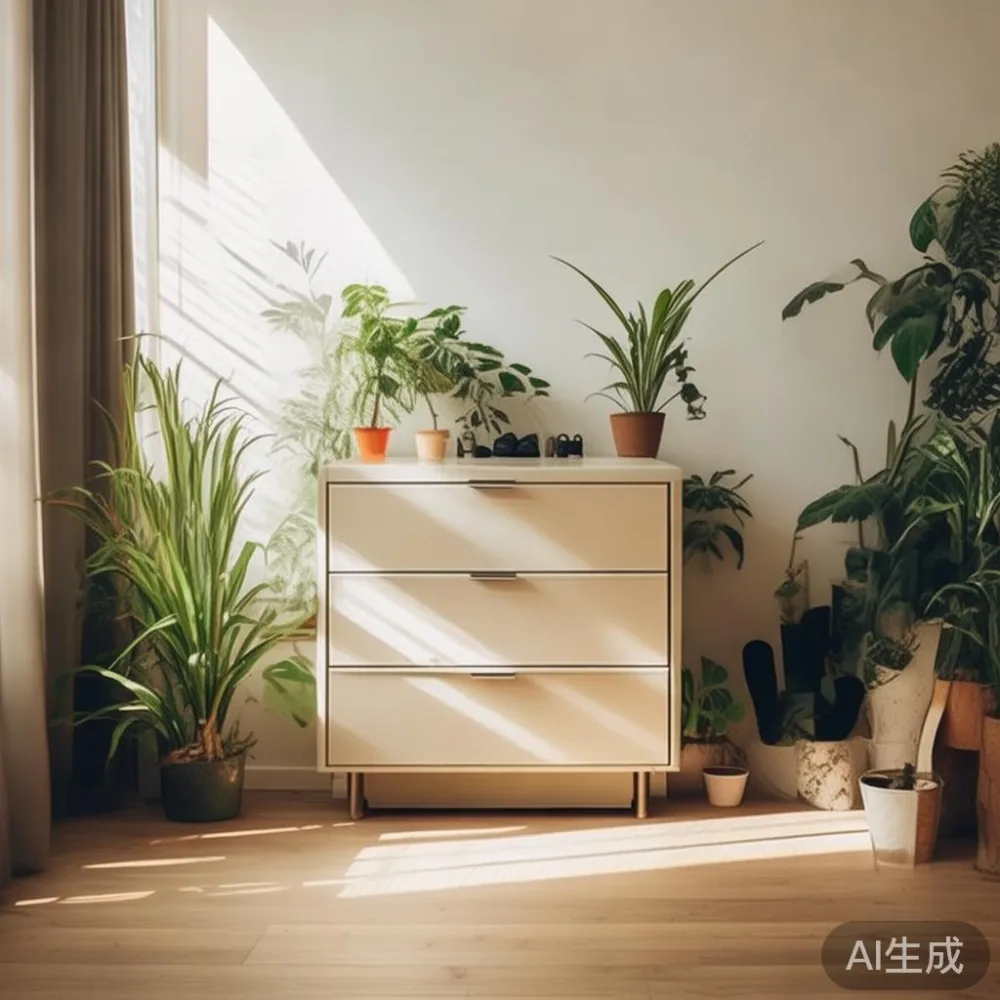
Planning a shoe cabinet for a Tampines flat, a Bedok condo or a Punggol home requires more than choosing a pleasing brown finish. You also need to consider the route from the lift, the corridor outside your unit and the dimensions of the shoe cabinet itself. Those measurements influence delivery as much as style. At MIDHILL, every cabinet is made from solid wood and backed by a 10-year structural warranty, with lifetime refinishing available for long-term care.
What makes a warm minimal interior work in Singapore?
Warm minimalism balances clean lines with tactile comfort. Look for light oak, honey-toned teak or medium walnut, then combine them with ivory walls, oatmeal fabric and small areas of muted colour. Avoid making every item match exactly. Instead, repeat one or two tones across 2 or 3 pieces so the room remains connected while retaining depth.
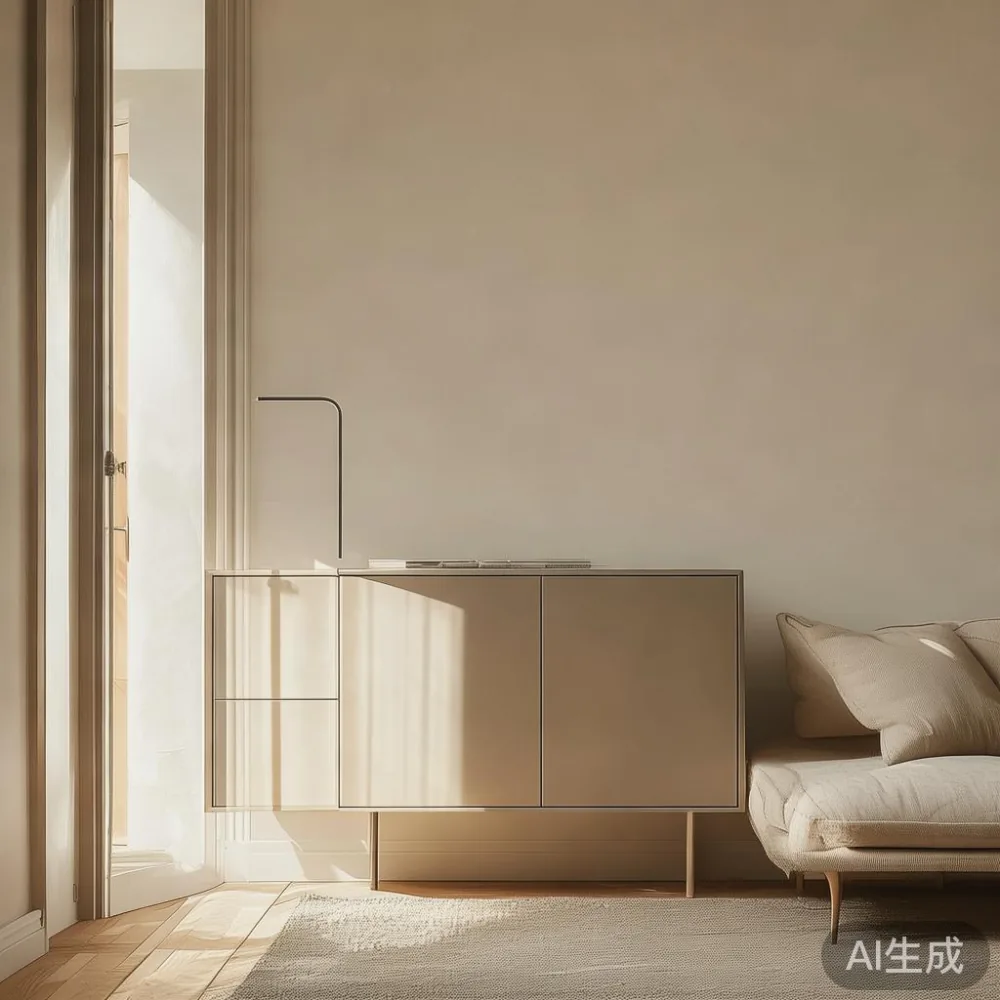
Natural light is especially important in Singapore. White walls and light curtains can reflect daylight deeper into an HDB living room, while a warm timber shoe cabinet adds welcome contrast near the entrance. For rooms with less direct sun, choose a finish with visible grain rather than a flat, overly polished surface. A cabinet with a tactile oak veneer or solid timber front will make the entry feel more inviting.
Scale matters just as much as colour. A 90 cm-wide shoe cabinet may suit a compact entry, while a 120 cm model can form a useful landing surface in a larger condo corridor. Depth is often less visible, so 25 to 35 cm is a practical range for daily footwear. Leave at least 5 cm of breathing space around freestanding furniture, and check that doors open without hitting a lift wall, corridor railing or neighbouring door.
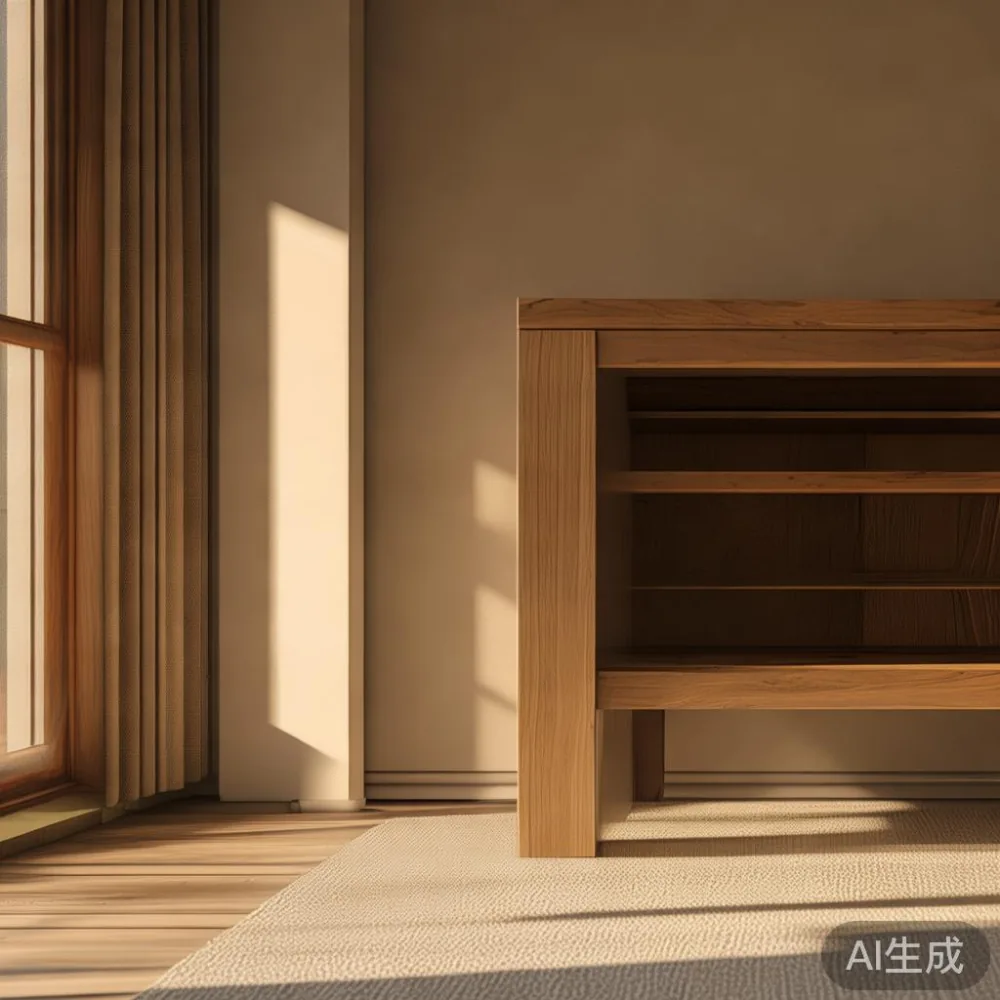
Warm minimalism also works well with French light luxury or American light luxury accents. French light luxury tends toward graceful proportions, curved edges and pale upholstery; American light luxury is cleaner and more architectural. A post-modern light luxury approach can introduce gentle asymmetry, provided the shoe cabinet remains simple enough to anchor the composition.
How do I measure my entrance before ordering a shoe cabinet?
Begin with the delivery route, not the empty wall. Measure the corridor width, the lift door and the internal lift dimensions. A shoe cabinet that measures 120 × 35 × 100 cm may fit beautifully in your hallway but still be difficult to manoeuvre around a tight HDB landing. Ask the supplier for the packed dimensions before purchase, and compare each measurement with the narrowest available opening.
I tested this process last month while visiting a colleague in Tampines. His new shoe cabinet was only 90 cm wide and 30 cm deep, but the packaged carton was wider than expected. We moved it from the ground-floor car park in 2 stages, protecting the solid wood corners with blankets and removing the carton only after it was beside the console table. The lesson was simple: the product dimensions were correct, but the access route needed checking in advance.
For local budgeting, a well-made solid wood shoe cabinet may range from SGD 680 to SGD 2,400 depending on size, timber and internal fittings. Singapore customers should include 9% GST in the displayed total if it is not already shown. MIDHILL offers free shipping for orders over US$350, and the final delivery charge should still be confirmed for your Singapore address. Typical production and delivery can take 25 to 45 days, so order before a house move or renovation handover.
The 14-day return policy provides another useful checkpoint, but assembled or heavily modified items may follow specific return conditions. Confirm the condition of the solid wood, the door alignment and the finish before signing for delivery. Photograph the cabinet in place and retain the packaging for at least 7 days.
Which timber finish should suit a warm minimal shoe cabinet?
Light oak creates the clearest Scandinavian effect and works with white, beige and pale grey walls. It is a practical choice for Bedok and Tampines interiors where a small entrance must avoid feeling heavy. Honey oak adds more warmth and pairs well with brass hardware, woven baskets and warm white lighting at approximately 2700K.
Walnut offers a deeper American light luxury character. Its darker grain can balance an all-white HDB corridor, but keep the rest of the entry restrained so the shoe cabinet does not become visually dominant. Teak suits humid tropical conditions and brings a golden tone that feels relaxed rather than formal. If you are considering other furniture, coordinate the shoe cabinet with a solid wood dining table or bed frame, while allowing differences in grain and tone.
Under 2000 Nordic furniture is a common phrase among homeowners comparing pale timber pieces, yet a complete room rarely needs identical products. A Nordic-inspired shoe cabinet under SGD 2,000 can sit comfortably alongside a solid wood sofa with a light oatmeal cover or a solid wood dining table with tapered legs. The aim is shared proportion and material honesty, not uniformity.
Consider storage design as carefully as finish. Adjustable shelves are useful for flats where shoe heights vary. A 15 cm shelf gap accommodates loafers and low sneakers, while 20 to 24 cm can hold ankle boots. Slatted sections encourage ventilation in Singapore’s humidity, and a closed lower compartment can conceal clutter. For larger homes, a cabinet between 120 and 150 cm wide may combine shoe storage, a slim drawer and a surface for keys.
How can a shoe cabinet connect the entrance to the living room?
Repeat one material, one shape or one colour near the shoe cabinet. If the living room has a solid wood sofa, place a small solid wood nightstand or side table nearby to echo its frame. If the dining space has an oak dining table, choose an oak or warm-toned shoe cabinet with similar proportions. If the home features a marble table, use the shoe cabinet as a quiet counterpoint: solid timber against cool stone, with no need for matching surfaces.
Lighting helps bridge these zones. A slim wall light or a small table lamp with a linen shade introduces warmth without visual clutter. Aim for warm-neutral bulbs between 2700K and 3000K. In a corridor, check the lighting after sunset as well as during the day; a shoe cabinet can look flat under cool overhead LEDs even when the finish is attractive in daylight.
Styling should remain modest. Place 1 tray for keys, 1 small bowl and 1 plant on the cabinet, leaving at least 30 cm of clear surface where possible. A framed print should hang approximately 10 to 15 cm above the top, rather than crowding the space. If the cabinet has open shelving, limit each shelf to 2 groups of shoes and use neutral boxes to control visual noise.
For a coordinated bedroom scheme, how to style light luxury wardrobe in bedroom is a useful related question. Warm timber, cream doors and clear walking space support the same calm language. The shoe cabinet should then feel like an extension of that palette rather than a separate statement piece.
What should I check before the shoe cabinet is delivered?
Ask for the cabinet’s exact dimensions, weight, finish and delivery schedule. A 120 cm-wide model may weigh 45 to 70 kg, depending on solid timber thickness and internal construction. Very large units should be checked for two-person carrying or professional placement. Also confirm whether the cabinet is delivered assembled or in sections, especially if the unit sits above 100 cm tall.
On arrival, inspect the grain, joints, doors, drawers and surface finish. Look for movement or gaps, and make sure doors open through their full range. Do not place the cabinet directly against an exterior wall in a humid flat unless the maker has addressed moisture protection; allowing around 3 to 5 cm of space behind it can improve air circulation.
Use a level underfoot, not folded cardboard, to stabilise the cabinet on uneven HDB flooring. Attach any supplied anti-tip restraint to a suitable wall where children or pets are present. Avoid standing on the solid wood top, even when the structure is properly made.
The quality comparison does not have to rely on dramatic marketing claims. Compare solid timber thickness, shelf loading, joinery and warranty terms. A shoe cabinet should offer the stability and repairability expected from a 10-year structural commitment. MIDHILL’s lifetime refinishing service also makes it possible to renew the surface over time rather than replace an intact piece because its colour no longer suits a renovated room.
How do I keep a light-luxury shoe cabinet looking warm?
Clean the surface gently with a soft cloth, mild soap and little water. Wipe moisture promptly, particularly near the base and any shoe spills. Keep harsh sprays, silicone polish and abrasive pads away from the timber. Replenish timber care products according to the finish, usually every 12 to 18 months in a normal Singapore home.
Control humidity where practical. Singapore’s outdoor humidity often reaches 80% or more, and indoor comfort generally remains around 50% to 70% where air-conditioning is used. Leave ventilation gaps around the shoe cabinet and avoid packing damp shoes into closed compartments after outdoor activities.
To compare bedroom furniture accurately, French bed vs Japandi bed can be a useful exercise. The French option usually adds softness and curves, while Japandi emphasises pale timber, functional simplicity and low visual weight. A shoe cabinet in warm oak can support either direction, provided its finish remains coordinated with the bed frame and wardrobe.
Buyers who want a more luxurious bedroom can also research the best Italian light luxury bed for 2026, though the phrase should not override practical checks such as mattress clearance, room dimensions and lift access. Similarly, luxury Italian light luxury furniture can bring elegant material contrast, but a well-designed solid wood shoe cabinet should still meet everyday entry requirements.
For flexible living rooms, a european sofa bed with storage may complement a minimal shoe cabinet by combining seating and utility. Keep the visual connection through pale timber legs, neutral upholstery and uncluttered surroundings. A marble table can introduce polish, while a solid wood dining table keeps the material story grounded.
What is the right proportion for a shoe cabinet in an HDB flat or condo?
In a narrow HDB corridor, a cabinet up to 90 cm wide often leaves enough room to walk past. In an open condo entrance, 120 to 150 cm can create a deliberate focal wall. Match the height to nearby elements where possible: a cabinet around 85 to 95 cm feels similar to a console table, while a unit above 120 cm makes better use of vertical space and suits shoe-heavy households.
Do not overcrowd the landing. Leave 60 cm of clear circulation in a shared corridor if possible, and keep the route from the lift free of boxes. If space is limited, consider a wall-mounted or modular shoe cabinet with a depth of 20 to 25 cm. Confirm that the fixings are suitable for your wall type and that the closed section still provides enough shelf height.
Colour continuity can soften architectural constraints. A light-oak shoe cabinet in a grey-painted corridor feels brighter, while walnut may complement a warm beige entrance. Sample the finish in the actual space before approving it, as corridor lighting can shift from cool to amber over the course of the day.
For homes with frequent visitors, storage capacity matters as much as appearance. Calculate for approximately 2 pairs per household member, then add 20% for guests or seasonal footwear. A 120 cm cabinet with 4 to 6 adjustable shelves may serve a family of 3 or 4. Larger units can provide 12 to 18 pairs, depending on shelf configuration and shoe size.
Budget around SGD 700 to SGD 1,600 for a solid wood shoe cabinet of standard proportions, with premium timber, drawers or wider formats reaching SGD 1,800 to SGD 2,400. Include 9% GST where applicable. Delivery commonly takes 25 to 45 days, so a planned order gives you time to coordinate with renovation work, moving day and the final corridor arrangement.
How do I create a warm minimal home without buying too much?
Start with the most functional piece and build a restrained palette around it. A solid wood shoe cabinet can determine the timber tone for the entrance, after which a solid wood sofa, solid wood bed frame or solid wood dining table can pick up related shades. A marble table can supply contrast rather than become another competing feature.
Choose fewer finishes: pale timber, warm white and one muted textile colour will usually be enough for a 3-room flat. A modest shoe cabinet, 1 runner, 2 wall lights and 1 small mirror can make the entrance feel intentional without making the corridor crowded.
Measure twice, compare access routes and keep delivery in the schedule. Above all, look for furniture that can be maintained rather than replaced. A repairable finish, dependable structure and a clear warranty are more useful in a warm minimal interior than a trend that dates quickly. When the shoe cabinet suits the space, it does more than hold footwear: it gives the whole home a composed and welcoming beginning.