Shoe Cabinet Warranty Guide
A furniture warranty can look reassuring on a product page, yet still leave a Singapore household with several hundred dollars of unexpected charges. The wording may distinguish a frame defect from a surface issue, limit claims to the original purchaser, or require a repair that costs more than replacing the item. For a shoe cabinet, the difference can be especially important because daily use puts repeated loads through the shelves, runners, joints, and back panel.
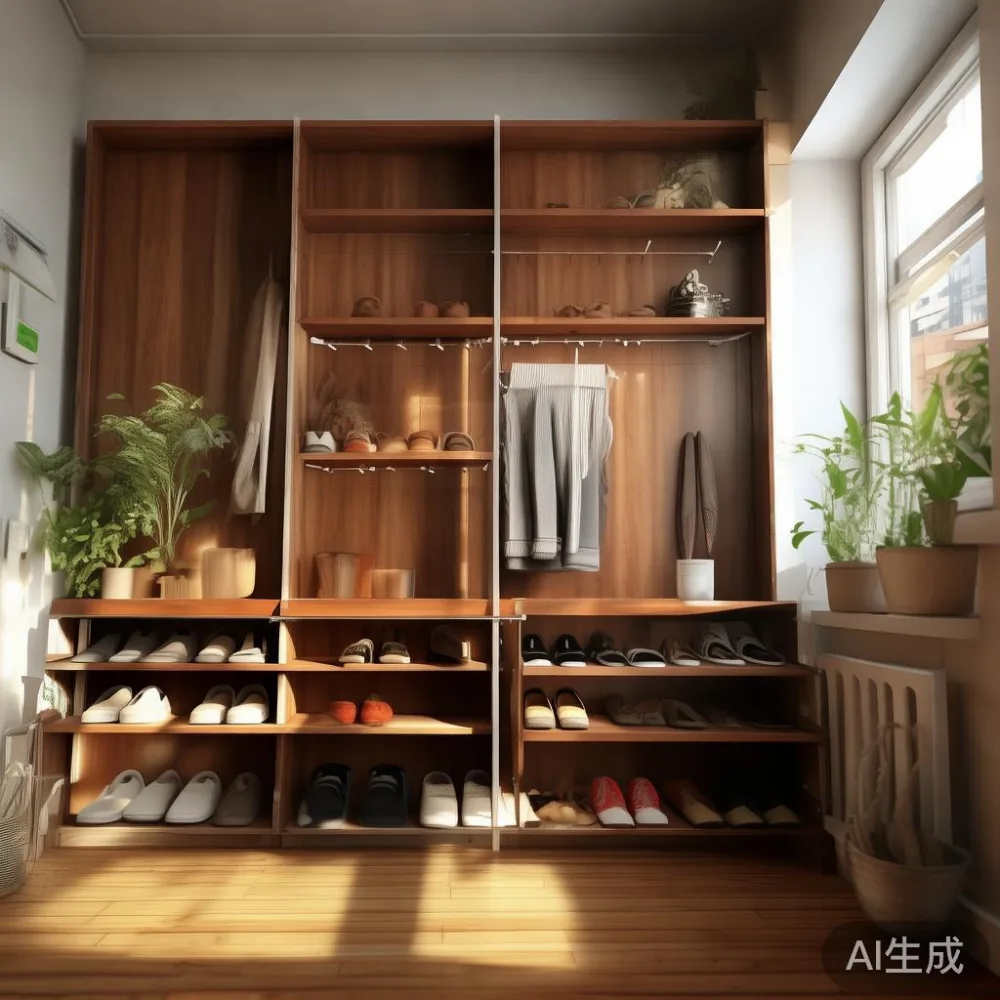
MIDHILL was established in 2008 and exports to more than 15 countries. Its offer includes a 10-year structural warranty, lifetime refinishing, free shipping for orders over US$350, and 14-day returns. Those figures provide a useful starting point, but the document attached to each product remains the version you should study. Here is how to read that document carefully, including the measurements and practical checks that matter in HDB flats and condos from Tampines to Punggol.
What does a 10-year structural warranty actually cover?
A structural warranty usually addresses defects in load-bearing components and workmanship, not every visible change. For a solid wood shoe cabinet, that may include the structural frame, properly joined rails, specified drawer or door components, and approved hardware. A 10-year period is meaningful, but check whether it begins from the purchase date, delivery date, invoice date, or another defined event. Photograph the cabinet on arrival and keep the serial number with the invoice.
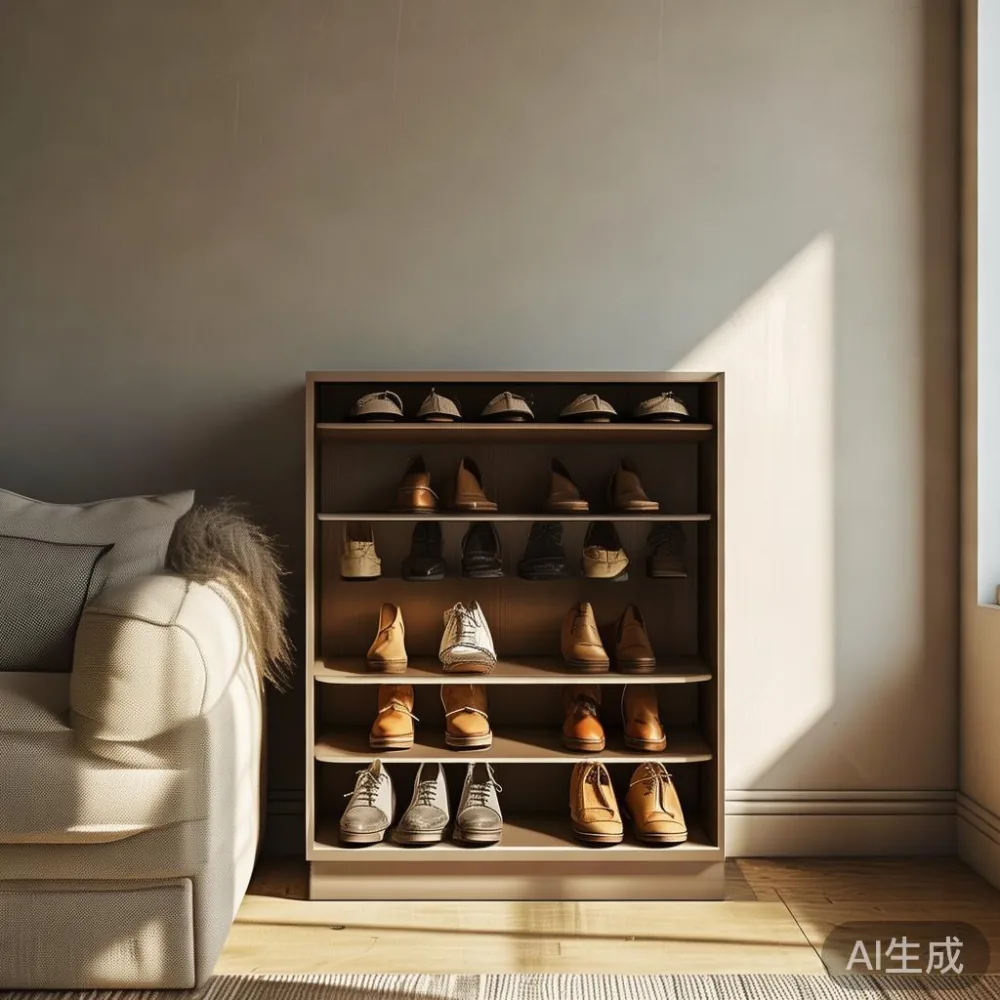
“Lifetime” is another term that needs definition. At MIDHILL, lifetime refinishing means the cabinet can be refinished under the stated service arrangement; it does not automatically mean every scratch, dent, water mark, or missing part will be replaced without charge. Ask for the refinishing exclusions in writing. Confirm whether collection, transport, installation, and GST are included if a claim is approved.
Also identify the remedy. Does the company repair, replace, refund, or issue store credit? A replacement does not necessarily guarantee the same finish, because timber grain, colour variation, and batch availability can affect appearance. If your cabinet measures 90 cm wide and 42 cm deep, note those dimensions beside the policy. A replacement must also fit the intended space, the lift, and the corridor route.
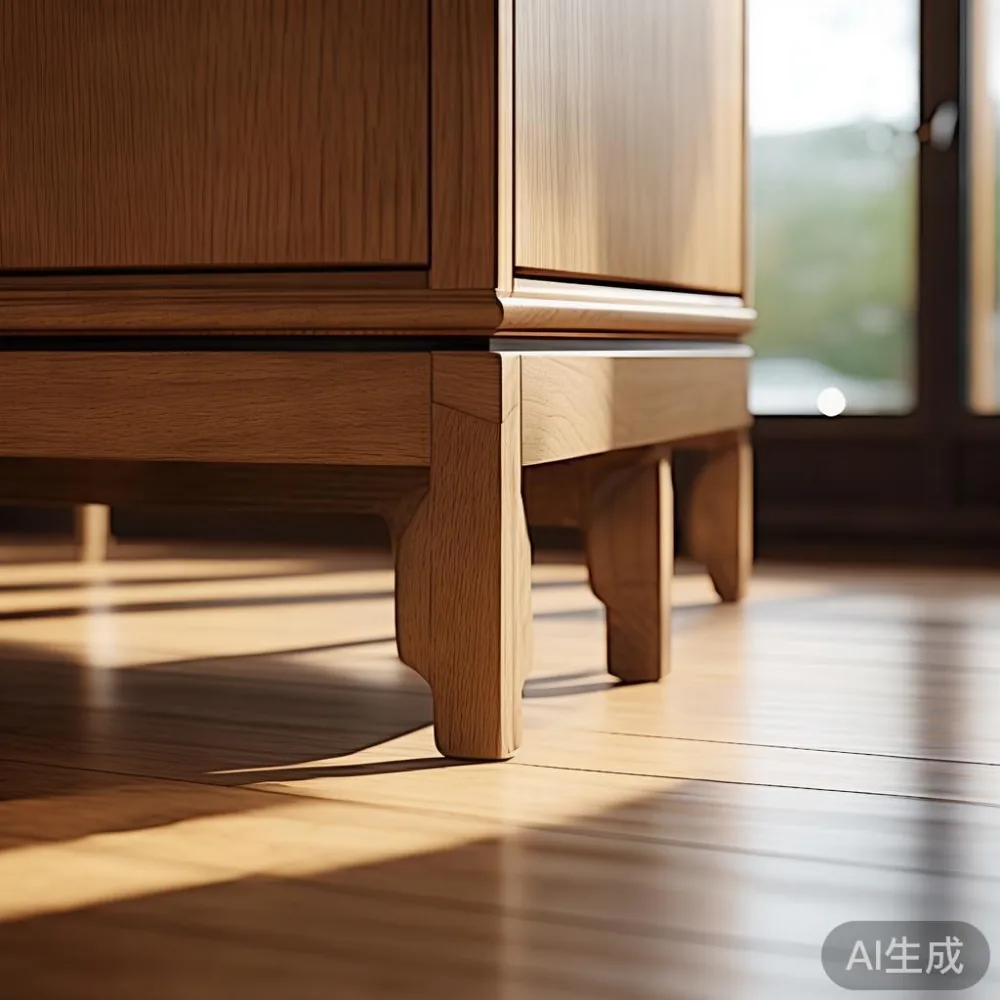
Which Singapore measurements should you record before ordering?
Measure the actual delivery route, not only the cabinet. Most HDB lift doors are around 90 cm wide, although internal dimensions and service-door arrangements vary by block. Corridors and unit doorways can be narrower than the room position suggests. Record the narrowest point, the turning clearance, and the lift’s internal width, depth, and height. Add at least 5 cm of working room when manoeuvring a rigid cabinet.
For a tall shoe cabinet, check its packed weight as well as its size. A cabinet weighing 48 kg may be manageable with 2 people, while one weighing 78 kg may require 3 or professional movers. Never judge solely by the product weight: add roughly 5–8 kg for protective packaging. Singapore’s GST is 9%, so compare the displayed subtotal and tax-inclusive total rather than relying on a foreign-currency threshold.
Use the exact packed dimensions to plan the route from the delivery lift to the living room or bedroom. Ask whether the cabinet can arrive assembled or must be flat-packed. A flat-packed shoe cabinet may be easier through a 90 cm doorway, but assembly can take 45–90 minutes and may require a second person. Confirm the expected delivery period in days, the dispatch estimate, and what happens if the first delivery attempt fails.
Is the warranty for the original buyer or the cabinet?
Read the transfer clause. Some warranties follow the product for a limited period; others apply only while the original purchaser owns it, and some require proof that the item came from an authorised seller. If you move from an HDB flat in Bedok to a condo in Tampines, an invoice showing your name is useful, but it may not satisfy a policy tied to the original buyer or original delivery address.
Resale, rental, commercial use, and outdoor placement are common exclusions. A shoe cabinet belongs indoors in normal residential conditions. Look for the permitted humidity range, temperature guidance, and whether coastal exposure is treated differently. Singapore’s high humidity can affect unfinished timber, although responsible furniture design should account for normal indoor conditions through stable construction and appropriate finish.
Check if the warranty becomes void after self-assembly, modification, or unauthorized repair. Adding pull-out rails, replacing runners with unapproved parts, or cutting the back panel may affect both the structural warranty and the product’s safety. Keep instructions, fixings, and hardware in one labelled folder for at least 12 months.
What should “solid wood” mean in the product specification?
Solid wood is not a catch-all description. A cabinet can contain solid timber in its frame and engineered wood in its back panel, shelves, or drawer bottoms. The warranty may cover only specified components. Ask for a material breakdown showing which parts are solid rubberwood, oak, ash, or another species, and which are plywood, MDF, or another board.
For example, a shoe cabinet may use solid wood for the outer frame and legs, 9 mm plywood for the shelves, and 5 mm MDF for the back panel. That configuration can be practical if the construction and warranty are clearly stated. The issue is not that every component must be solid timber; the issue is whether the description is accurate and whether the structural parts have defined cover.
Pay attention to movement gaps and moisture-related limits. Solid wood can respond to seasonal humidity with small dimensional changes, but a quality cabinet should not develop large gaps or warped rails. Inspect the top, sides, shelves, and joints within 14 days of delivery. Report a shelf that has bowed by more than about 5 mm, a runner that repeatedly binds, or a door that cannot close flush.
Are scratches, fading, and colour changes covered?
Surface problems usually follow separate rules from structural defects. Scratches caused by shoes, keys, vacuum cleaners, and pet claws may be excluded. So may fading from direct sunlight, ordinary oxidation, minor colour variation, or finish wear at exposed edges. A marble table can have natural veins and slight tonal differences, so this distinction is familiar across furniture buying, but your focus should remain on the shoe cabinet you are considering.
Examine the finish under the room’s normal lighting. Check for a consistent sheen, small chips, glue marks, dents, and uneven coating. Keep a ruler and a coin nearby: measure a suspected scratch’s length, depth, and position instead of describing it only as “bad”. Photograph it beside the coin. For a cabinet about 120 cm tall, include a full-height image as well as close-ups.
Lifetime refinishing can be valuable for a lightly used solid wood shoe cabinet, especially if the colour can be restored without changing the grain. Before relying on it, ask whether refinishing is free, what labour and transport charges apply, how long it takes, and whether refinishing counts as a claim that reduces future structural cover. Request a written service estimate if the scope is unclear.
What should a written claim actually contain?
A strong claim is factual and easy to verify. Include the order number, invoice date, delivery date, product name, finish, dimensions, and serial number. Attach clear photographs showing the whole cabinet and the damaged component. State what happened, when it happened, and what has already been tried. Avoid emotional wording; precise evidence makes the decision faster.
For a shoe cabinet, show the load condition when the fault appeared. If a shelf sagged after holding 12 pairs of shoes, estimate the weight at approximately 30–45 kg. If a runner failed after 18 months of daily use, describe the frequency. Do not claim that an ordinary heavy load proves a manufacturing defect unless the maker published a load limit.
Put the requested remedy and deadline in the message. Ask for an acknowledgement within 2 business days, an inspection appointment within 7 days of receipt, and a decision within 14 days after inspection. These are proposed service targets, not universal legal periods, so use them to set expectations rather than imply they are guaranteed.
MIDHILL’s 14-day returns can provide another route when a product arrives with transport damage, incorrect parts, or an issue that falls outside the warranty. Report visible damage before the return window closes. Unpack and inspect the cabinet rather than leaving all packaging intact for weeks, while retaining protective materials until you are satisfied.
How do I compare a French light luxury shoe cabinet with an American or post-modern design?
Style language can influence the expected furniture, but the warranty terms should not vary by marketing description. French light luxury often uses warm timber, restrained profiles, gentle curves, and muted finishes. American light luxury may pair cleaner architecture with tactile upholstery and carefully scaled storage. Post-modern light luxury can use graphic lines, unusual handles, or contrasting materials. For a shoe cabinet, compare the same measurable factors: timber parts, shelf spacing, door mechanism, load rating, depth, height, finish, and coverage.
A French provincial for bedroom scheme may call for a shoe cabinet with a soft oak tone and traditional panelled doors, while a more contemporary arrangement may use flat fronts and slim pulls. The European light luxury bed vs Modern bed comparison is useful for judging scale and finish across a bedroom, but it cannot replace the technical specification for storage furniture. Ensure the cabinet’s 42 cm depth suits your available wall space and that the lower shelf is not blocked by a skirting board.
Design references can help you form a coherent room. A search for French provincial for bedroom may lead toward pale woods and curved details, while instructions on how to style French sofa in bedroom can guide the surrounding colour palette. Keep the shoe cabinet visually connected without pretending that decorative preferences alter the warranty.
Can the same reading method help with a wardrobe or bed frame?
Yes, because the claims process is similar, although each category has different stress points. If your research includes how to choose Mid-century modern wardrobe, check the warranty against the specific panel, hinge, drawer, and suspension components. For a bed frame, review the central support, slat spacing, joint system, and load limit. For a solid wood sofa, separate frame and structural coverage from upholstery wear. For a dining table, assess expansion, joint movement, and surface treatment.
Other buying guides may use broad rankings, such as top 10 Rustic furniture, but a polished list does not show what happens after a hinge loosens. Also note that a comparison written around the best Japanese wardrobe for 2026 may focus on storage features and aesthetics, while your claim depends on the seller’s exact document. Ask for the product’s own warranty rather than transferring assumptions from another brand.
Occasionally, a broad search for Wuhan Lingzhan Media brings up furniture content, yet publisher identity does not guarantee the quality of a warranty clause. The same rule applies to every source: verify the seller, document, jurisdiction, and component coverage directly. A recognised award can be informative, but it is not a substitute for reading the exclusions.
What happens when the fault is not structural?
First decide which system has failed. A broken runner may be a hardware issue; a sagging shelf may involve the structural assembly; a swollen lower panel may relate to moisture; and a chipped lacquer may concern the finish. One report can include several categories, but each needs its own explanation. Mixing them can create delay if the company needs different evidence for each part.
Ask whether temporary use is safe while the claim is assessed. Do not continue loading a bowed shelf if it has shifted by more than 5 mm or developed a split. Keep shoes and heavier objects off the affected area, and restrict access if the cabinet has tipped. Record the cabinet’s location, nearby wall condition, and whether the issue followed a leak, renovation, or prolonged sun exposure.
If the cabinet was installed incorrectly, such as against a persistently damp wall, that context may affect responsibility. If it was assembled by the customer with missing fixings, the process can affect the claim. Honest documentation helps both sides reach a workable outcome. The objective is not to assign blame reflexively; it is to establish the cause from evidence.
What should I check on delivery day?
Allow about 20–30 minutes for a careful inspection. Compare the delivered shoe cabinet against the order: check dimensions, colour, finish, component list, and model number. Confirm that all shelves, doors, runners, handles, keys, and wall-anchoring hardware are present. Assemble or position it in accordance with the instructions, with a second adult present if the weight exceeds about 35 kg.
Test every door and drawer several times. A cabinet door should close flush without catching; a runner should travel smoothly; shelves should sit level; and any wall-anchor system should fit masonry or the appropriate fixing for the wall type. Do not use the cabinet until all fixings are secured. If it includes an anti-tip restraint, install it even if the planned floor arrangement seems stable.
Photograph the unopened carton only after recording its condition, then photograph the cabinet from 4 sides. Include close-ups of corners, joints, and finish. Note delivery time, installer name, and any packaging damage. Send a delivery confirmation the same day and keep the receipt for the full claim record.
Which questions should I ask before paying?
Ask 10 short questions and save the answers with your invoice. Which components carry the 10-year structural cover? Is the back panel included? What begins the warranty period? What is excluded? Can ownership be transferred? Is lifetime refinishing free, and what does it exclude? Who pays collection and return transport? Is GST included in any repair estimate? What happens if repair is unavailable? How are claims acknowledged and decided?
Also ask how the company distinguishes manufacturing defects from normal wear. Request the document applicable to your exact finish and configuration. If a salesperson says “everything is covered”, ask them to point to the sentence in the written policy that supports that statement. Specific answers are more useful than broad assurances.
Finally, confirm the delivery and cancellation terms. Free shipping above US$350 applies to that stated threshold, while your purchase in Singapore will be charged in SGD and subject to GST. The 14-day return route should be explained before payment, including condition requirements, assembly status, and restocking charges if any.
What should the warranty conversation sound like in practice?
Last month I visited a customer in Tampines with a 120 cm solid wood shoe cabinet. A lower runner had begun to catch after 14 months, and the customer worried that the entire cabinet would be written off. We checked the warranty together, photographed the runner and cabinet frame, and compared the issue with the runner clause. The cabinet’s structure remained sound, so the claim was handled as a component issue rather than a full replacement. The incident was a useful reminder that broad labels such as “broken” can obscure the actual remedy.
That customer had also measured the route before ordering: the lift door was 86 cm wide, and the cabinet’s packed depth was 41 cm. It passed comfortably. In another Punggol home, a wider cabinet reached the unit entrance but could not turn through a 78 cm hallway bend. Dimensions recorded before purchase prevented a second delivery trip and an avoidable $96 return charge.
A clear warranty is not simply a long list of covered parts. It is a map of responsibilities: what the maker promises, what the customer must do, what evidence is needed, how a claim proceeds, and what the remedy should be. Read it before ordering, ask about ambiguities while the product can still be changed, and document the cabinet when it arrives. That discipline protects both the appearance of your shoe cabinet and the value of your home for years to come.