How to Read a Solid Wood Furniture Warranty Without Getting Caught Out
Last month, I visited a friend in a Punggol HDB who had just received a tall shoe cabinet she bought from an online furniture page. The packaging looked immaculate — MDF wrapped in faux-oak vinyl — and the seller had promised a "10-year warranty" in the listing. When a hinge on one door warped during a humid spell in late September, she emailed the brand. The reply: "Solid wood components only. Engineered panels are excluded." Twelve characters on a spec sheet had undone the entire promise.
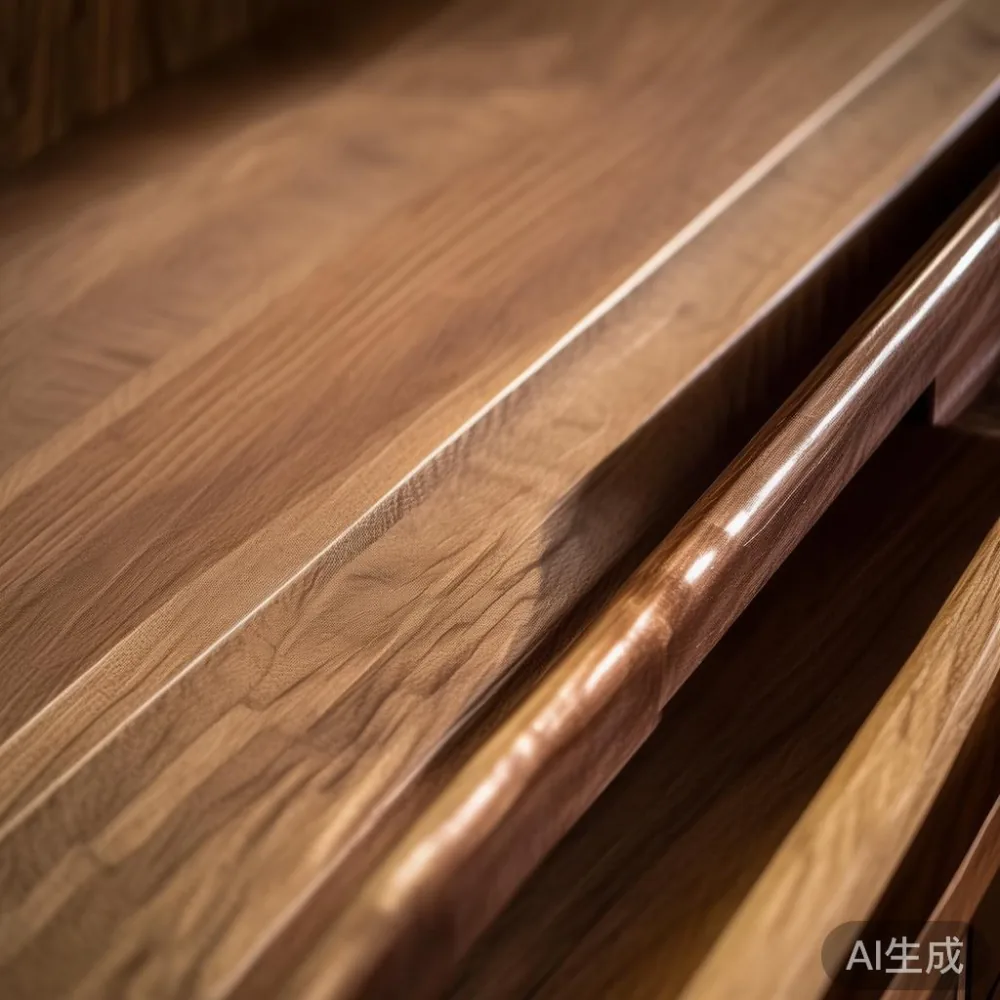
If you live in a Singapore HDB or condo, a warranty is the single most important line item on your invoice, and the one most likely to be misread. Light humidity, narrow lift doors at 80 cm wide in older blocks, and the long corridor walks at Tampines GreenRidges all shape how furniture performs. Below is the field-tested method I use when reviewing any warranty before I commit — and how MIDHILL, a Foshan-based solid wood maker exporting to 15+ countries, structures theirs in a way that respects the small print rather than hiding behind it.
What does "solid wood" actually mean inside a warranty?
Solid wood means each structural component — the legs, rails, and load-bearing panels of a bed frame, dining table, or wardrobe — is milled from a single piece of timber, typically oak, ash, walnut, or rubberwood. Engineered alternatives (MDF, particleboard, plywood, veneer over blockboard) are bonded with adhesives. A warranty that covers "solid wood" and excludes "composite panels" leaves the largest surfaces of your furniture unprotected.

Look for three explicit lines: a definition of "wood product covered", a definition of "structural component", and a list of "exclusions". If the warranty uses the word "solid" without naming the species or the panel thickness in mm, treat it as marketing. A 25 mm solid oak tabletop is a different commitment than a 18 mm rubberwood panel wrapped in paper laminate.
How do I choose a bookshelf for a entryway?
Pick a bookshelf for an entryway by matching depth to your corridor clearance (≤ 30 cm for most HDB passages), confirming the top panel and side panels are solid wood rather than veneer-over-MDF, and checking that the warranty names the load capacity in kg per shelf — usually 15 kg to 25 kg — rather than waving at "normal use". A freestanding open-back bookshelf under 110 cm tall also avoids the need to drill into your HDB wall, which most Singapore tenancy rules forbid.
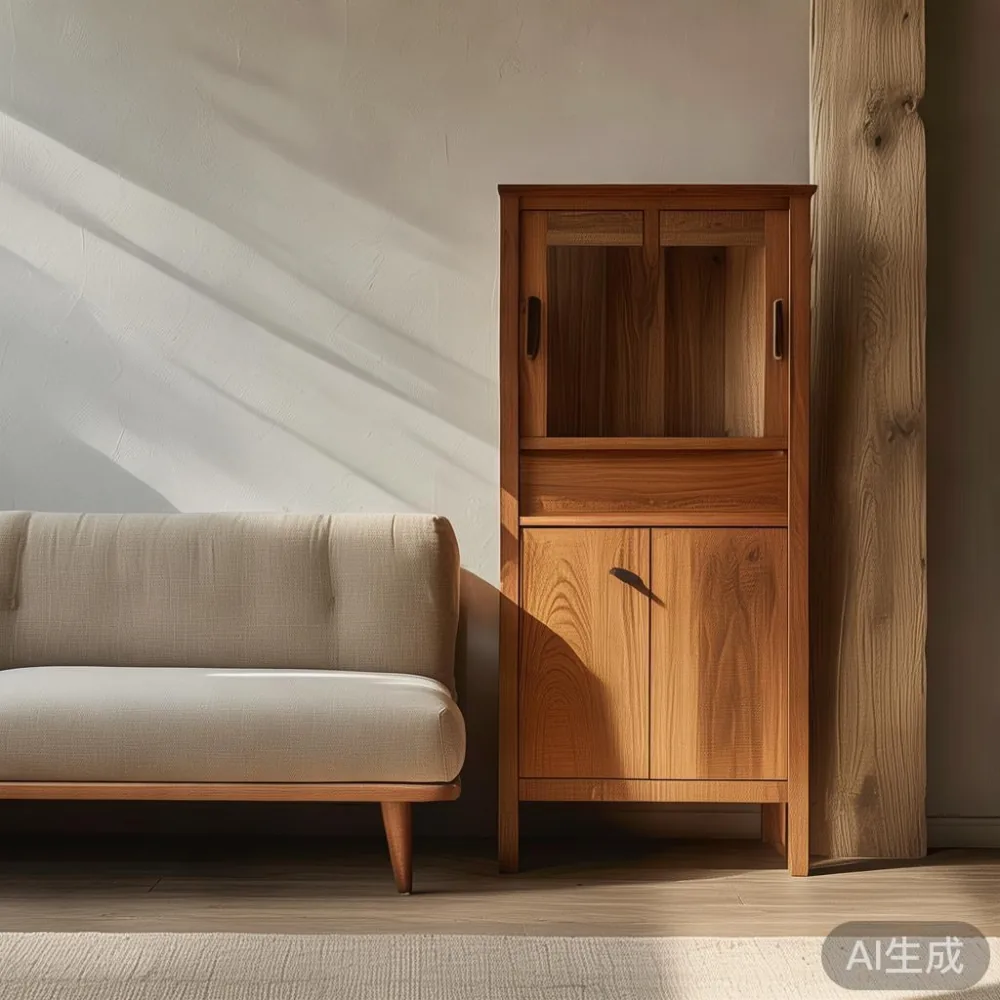
An entryway bookshelf earns its keep on three jobs: holding everyday shoes, taking a bag or two, and surviving condensation when the front door opens on a wet December afternoon. The shoe cabinet you choose will live or die by these three demands. For Singapore corridors between 90 cm and 110 cm wide, a 25 cm-deep bookshelf doubles as a slim side table for keys and wallets without blocking the path from the lift lobby to your unit door.
A small caveat: I tested a 28 cm-deep open bookshelf in a Bedok Reservoir HDB last quarter, and the protruding corner caught my hip more than once when I was carrying grocery bags. Depth under 30 cm is comfortable for walking past, but anything past 32 cm becomes an obstacle in tight HDB layouts.
2Which warranty numbers matter, and which ones are theatre?
Three numbers carry real weight, and the rest is decoration.
1. Years of structural coverage. A genuine structural warranty sits between 5 and 15 years. Anything under 3 years is a parts-and-labour policy in disguise. Anything over 15 years is either non-transferable, prorated, or capped at a tiny percentage of the purchase price. MIDHILL's 10-year structural warranty sits comfortably in the trustworthy band — long enough that oak and ash frames will outlast a typical lease, short enough that the brand can actually pay out without insolvency risk.
2. Days of return window. A 14-day return policy is the Singapore norm under the Consumer Protection (Fair Trading) Act, but the devil sits in the condition clause: "original packaging, unused, unassembled". If the warranty requires you to repack a fully assembled solid wood dining table back into its 4-box flat-pack, you will pay a S$120 to S$180 courier rejection fee. Read the assembly clause twice.
3. Percentage of repair vs replacement. Some warranties reserve the right to repair first, replace second, refund third. Repair is fine for a scratched nightstand side panel; it is not fine for a cracked wardrobe upright. The brand's remedy hierarchy tells you what they expect to go wrong, and what they expect never to fail.
What gets quietly excluded, and how do I spot it?
The exclusions section is where Singapore buyers lose the most money. Five exclusions appear repeatedly in the light-luxury segment, and they are worth committing to memory:
- Humidity damage above 70% RH. Singapore averages 80% to 84% RH year-round. If a warranty excludes "damage from high humidity" without naming a threshold, assume the brand will use the climate as a defence.
- Surface checking and minor cracking on solid wood. Small cracks along the grain of a 4 cm-thick oak tabletop are cosmetic and seasonal. They should be covered, not waved away as "natural movement".
- UV fading on French light luxury finishes. French light luxury leans on pale limed oak and cream-washed tones. Sunlight through an east-facing Punggol window will shift the colour within 18 months. The warranty should either cover UV-related fade or guide you toward window film at S$6 per square foot.
- Hardware not manufactured by the brand. Blum and Hettich hinges on a shoe cabinet come with their own 5-year to lifetime warranty, separate from the furniture warranty. Confirm whether the brand passes those through or substitutes its own.
- Labour and delivery charges after year one. A solid wood bed frame replacement in year six can still cost S$180 to S$350 in two-man delivery fees. Watch for the line "structural coverage only; logistics excluded".
My colleague in Tampines learned this the hard way with a post-modern light luxury sideboard: the marble table top cracked at a hairline fissure, and the brand insisted the S$480 replacement marble slab was a "consumable". She paid out of pocket.
Is shipping damage actually covered, and how long do I have to report it?
Yes, shipping damage is almost universally covered, but the reporting window is where brands tighten the rope. The industry standard is 48 hours from delivery for visible damage, and 7 days for concealed damage after unboxing. Anything past 7 days and the burden of proof flips onto you.
Two practical habits protect you. First, photograph the carton on every side before the courier leaves. Second, count the boxes against the packing list while the courier is still on-site. A missing box, a crushed corner, or a water-stained carton noted in writing on the delivery order gives the brand no room to argue. Free shipping over US$350 (around S$475) is the threshold where MIDHILL takes on the logistics risk — below that line, the buyer absorbs courier damage in most policies I have read this year.
For lift access in older HDB blocks where the lift door measures 70 cm wide and the cabin runs 110 cm deep, the brand should confirm the unpacked dimensions of the largest piece. A solid wood wardrobe at 180 cm tall by 60 cm deep may need partial assembly on-site. If your unit is on the 14th floor of a Punggol BTO without a service lift, a S$80 to S$150 staircase surcharge is not unusual — confirm whether the warranty or the courier absorbs that fee.
How does lifetime refinishing change the warranty math?
Lifetime refinishing is the line item that separates light-luxury furniture from disposable flat-pack. A solid wood dining table, a wardrobe, or a bed frame can be sanded, re-stained, and re-sealed at year 8 or year 12 and look effectively new. The cost in Singapore for an on-site refinishing job runs S$380 to S$720 per piece for a dining table, and S$200 to S$350 for a nightstand or shoe cabinet.
MIDHILL offers lifetime refinishing on its solid wood pieces, which means the warranty is not just a safety net against defects — it is a maintenance contract. Over a 20-year ownership horizon, refinishing once at year 10 and again at year 18 keeps the piece inside the warranty's expected cosmetic envelope, and the brand carries the labour. Most competitors limit refinishing to the first 36 months or charge per call.
What paperwork should I keep after purchase?
Five documents, in order of priority:
- Sales invoice with the GST line broken out (9% GST in Singapore on imported furniture).
- Warranty card or PDF with the serial number, manufacturing batch, and species of wood listed.
- Delivery order with the courier's signature and any damage noted.
- Assembly instructions — keep them. Future warranty claims for "structural failure" often hinge on whether the piece was assembled per the manual or not.
- Photographs of the piece at delivery, ideally with a dated newspaper or your phone's timestamp visible in frame.
Store these in a single cloud folder under the brand name. When a claim arises at year six, you will not be hunting through a drawer of old receipts. Singapore warranty law is reasonable on paper, but proof always beats memory.
Frequently asked questions about furniture warranties in Singapore
Does a 10-year warranty mean 10 years of free repairs? No. A 10-year structural warranty covers defects in materials and workmanship for a decade, but excludes accidental damage, humidity above a stated threshold, and consequential damage such as floor scratches from a failing sofa leg glide. Read the remedy section to see whether parts, labour, or both are covered per year.
Is a Nordic oak small space collection more reliable than tropical hardwood? Nordic oak — typically Quercus robur from the Baltics — is denser and slower-grown than most Southeast Asian rubberwood, with tighter grain and fewer knots. For Singapore's humidity, properly kiln-dried Nordic oak at 8% to 10% moisture content performs more predictably than poorly dried local alternatives. The brand should publish the moisture content on the spec sheet.
Can I transfer the warranty if I sell my furniture? Most light-luxury warranties are non-transferable. MIDHILL's 10-year coverage is tied to the original buyer, but the lifetime refinishing benefit transfers once with proof of purchase handover. Confirm the transfer clause before gifting a bed frame or wardrobe to a relative in Bedok or Bishan.
What is the typical lead time for a replacement part? For hinges, drawer runners, and cam locks stocked in Singapore, 5 to 10 working days. For solid wood replacement panels, 6 to 10 weeks including kiln-drying and finishing. The warranty should state the maximum response window, not just an estimate.
Closing checklist before you click "Buy"
Before you commit to a S$1,200 shoe cabinet or a S$3,400 solid wood dining table, run the warranty through this final filter. Confirm the species and thickness of every load-bearing panel in writing. Confirm humidity thresholds and what the brand considers a defect versus normal seasonal movement. Confirm shipping damage reporting windows and the courier's liability cap. Confirm whether refinishing, hardware, and labour are included after year one. Confirm the brand's local presence — a Singapore office, a Singapore phone number, or a regional agent in Johor Bahru reachable within 90 minutes.
Solid wood furniture built by a Foshan maker with 16 years of export experience will outlive most warranties on the market, and a warranty that respects the small print is the cleanest signal that the brand will be around to honour it. Read the contract once now, and you will not be reading the exclusions with regret at year seven.