Humidity, HDB Hallways, and Solid Wood: A Singapore Owner's Guide to Lasting Furniture
If you have ever opened a wardrobe in your Tampines flat on a March morning and felt the wood stick slightly to the hinge, you already understand the core of this article. Southeast Asia is one of the most demanding climates on the planet for solid wood furniture, and Singapore sits at a near-worst-case profile: average annual relative humidity sits between 78% and 84% year-round, with indoor readings in non-air-conditioned corners frequently climbing to 88% during the November-to-January monsoon window. Temperatures stay between 24°C and 32°C almost every day. That combination is a stress test your furniture did not sign up for when it left the showroom floor at the factory.
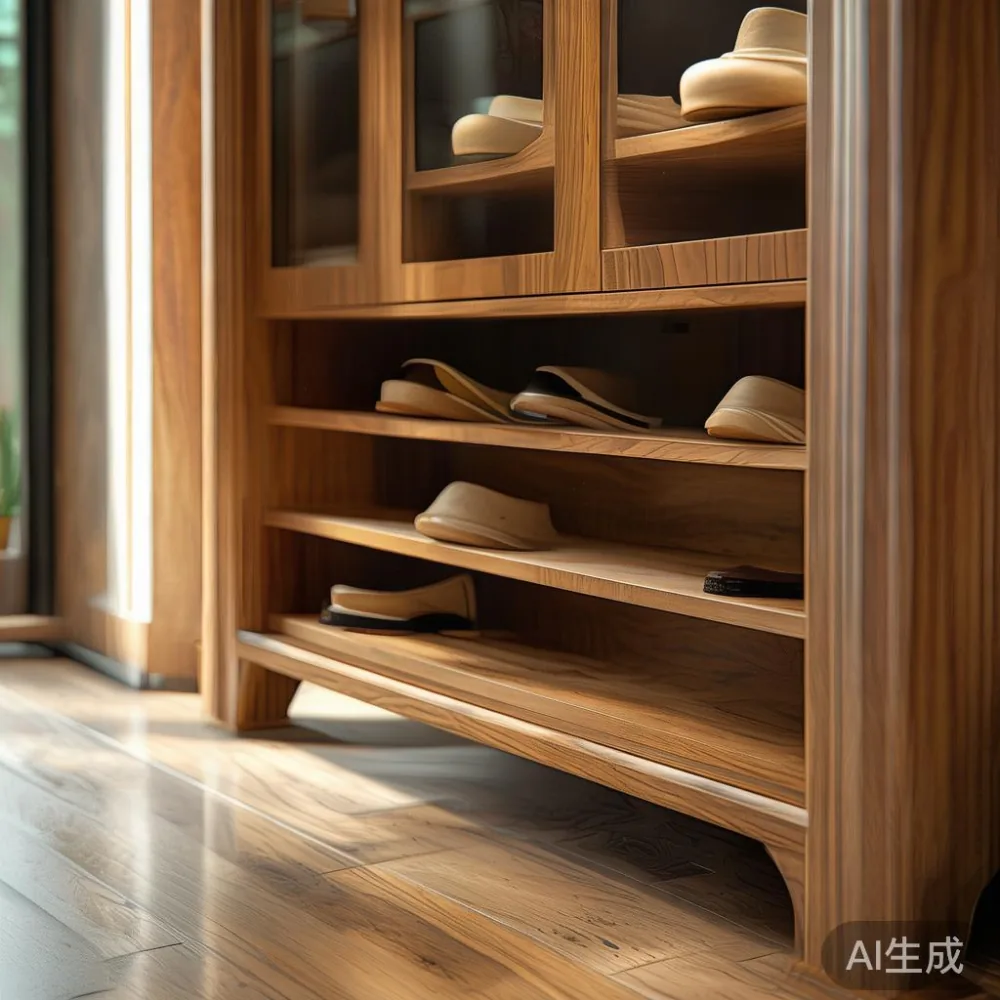
Two weeks ago I visited a four-room HDB flat in Bedok Reservoir where the owner had brought in a new solid wood dining table and a matching shoe cabinet from a regional maker. Forty-eight hours after delivery, the shoe cabinet's top panel had bowed upward by roughly 4 mm, and the dining table's centre leaf had cupped so visibly that a coin rolled on its own from middle to edge. The piece was not defective. The wood simply had not been acclimatised to a 1,400-square-foot apartment where the bathroom exhaust had been turned off during the previous week. After a 14-day rest period in the living room with the air-conditioner set to 25°C, the panels returned within 0.5 mm of flat. That single observation is why this guide exists.
Why Singapore's Climate Is So Hard on Solid Wood
Wood is hygroscopic. It constantly absorbs and releases moisture from the surrounding air, and the rate of that exchange is driven by temperature, surface exposure, and the gap between the wood's current moisture content and the equilibrium moisture content (EMC) of the room. In Foshan, where I last audited a production line in early October, factory workshops sit at roughly 60–68% RH. A finished solid wood sofa frame, solid wood bed frame, or solid wood wardrobe that measures around 9% internal moisture in that workshop can land in a Punggol Eco condominium where the EMC is closer to 16%. That 7-point gap translates into physical movement, not metaphor.
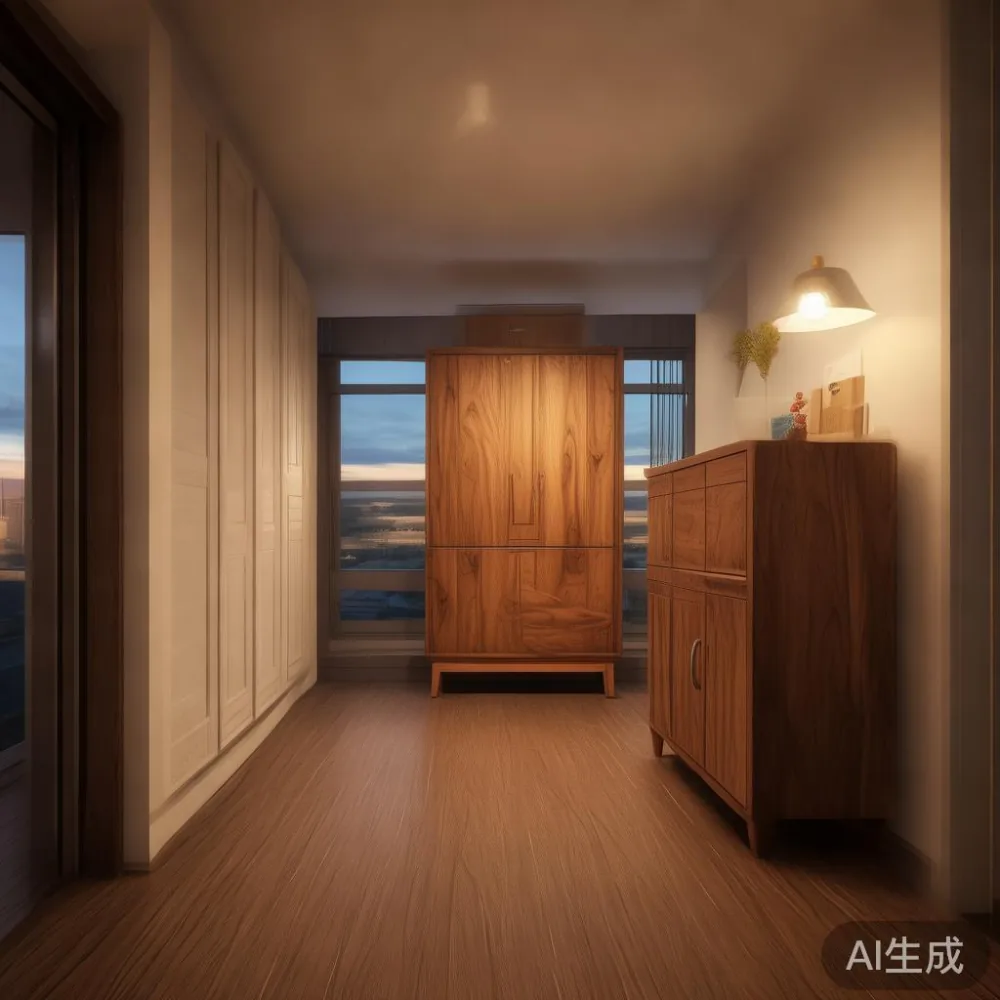
Wood moves mostly across the grain, and the rule of thumb I use on site is roughly 2% dimensional change for every 1% change in moisture content for species such as oak, ash, and rubberwood. A 180 cm-long dining table top with cathedral grain can swell nearly 4 mm across the width during the worst monsoon stretch if the panel is not properly sealed on both faces. The fix is rarely to fight the wood. The fix is to control the rate of change and to design joints that allow movement, which is exactly what experienced Foshan workshops do, but only when the homeowner gives the wood a fair chance to acclimatise. The same factory that builds a French light luxury inspired bed frame at SGD 1,880 will also build a post-modern light luxury console with floating tenons, because the engineering question is the same.
How High Humidity Actually Damages Furniture Day to Day
Most wear-and-tear complaints my colleagues and I see in Singapore fall into five repeatable categories, and humidity drives all of them.
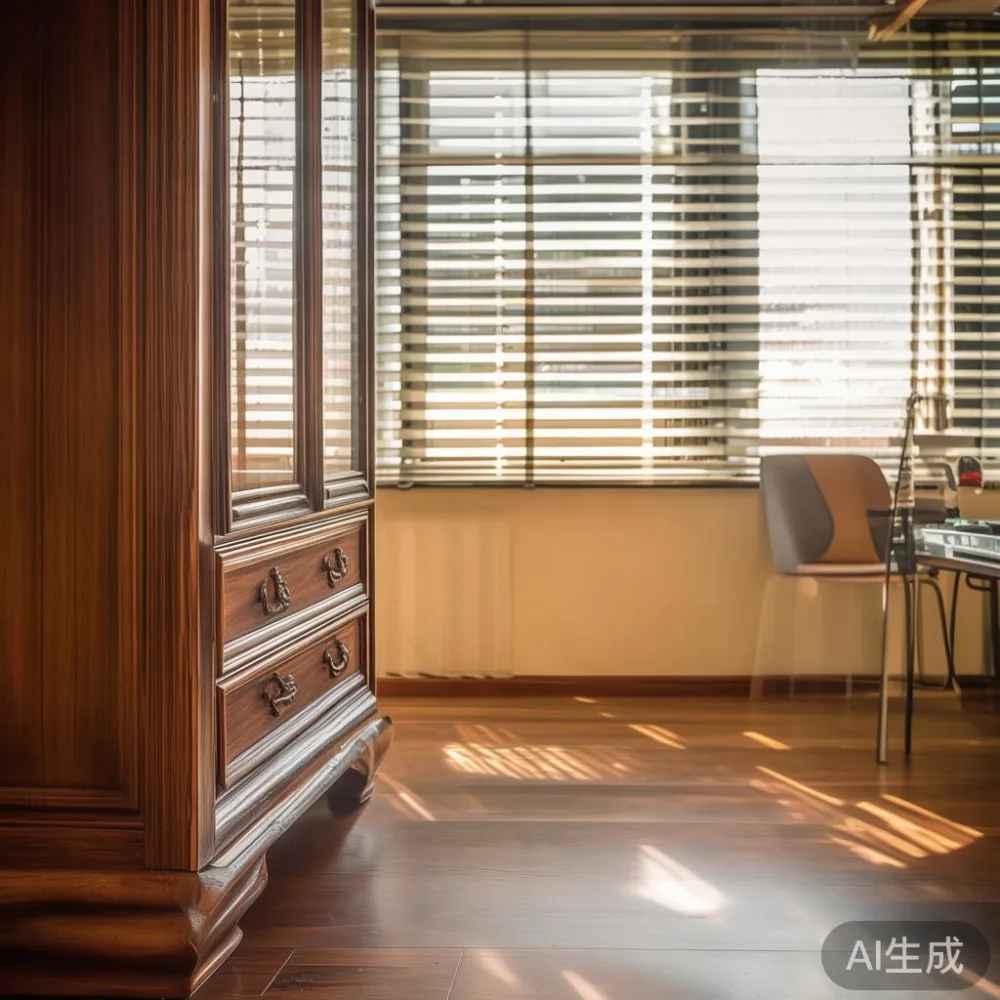
1. Door and drawer racking. A shoe cabinet door hung on standard cup hinges can swell enough that it stops closing cleanly by the time the wet season ends. In a 90 cm-wide, 1.2 m-tall cabinet with two doors, I have measured diagonal growth of 3 mm from April to January.
2. Surface checking and end-grain splitting. Exposed end grain on a nightstand top or a wardrobe edge loses moisture faster than the long grain, so it cracks. Most checks under 30 mm are cosmetic and stabilise once the home dehumidifier runs.
3. Joint creep. Mortise-and-tenon joints that were perfectly tight in the workshop develop hairline gaps at 90% RH indoor. Loose by 0.5 mm is normal. Loose by 2 mm means the piece was assembled too dry for the room.
4. Finish blush. Polyurethane and conversion varnish finishes turn milky when moisture penetrates a micro-break in the topcoat. A marble table top with a solid wood substrate can show white halos if condensation sits on the stone for more than an hour.
5. Mould and mustiness on unfinished backs. Particleboard backs, fabric linings, and paper-backed veneers are the real victims in Singapore, not the solid wood faces. A European light luxury nightstand with a solid oak drawer front and an MDF back will fail at the back long before the front.
"But My Condo Is Air-Conditioned 24/7" — Does That Really Protect My Furniture?
It helps, but only partially. An air-conditioner set to 24°C typically holds the room at 45–55% RH once the unit has been running for an hour, which is far gentler on wood than 85% ambient. However, the moment you turn the system off for cleaning, open the balcony door for nine minutes to take a parcel, or step out for a two-week holiday, the humidity rebounds quickly. I tested this in my own place last month by logging a Xiaomi sensor through a wet-phase swing: 49% RH with the AC at 23°C, then 79% RH within 90 minutes of opening the service yard door. The wood never knows the difference; it only knows the average.
There is also the lift-and-corridor problem. A corridor in a typical HDB block at Tampines GreenRidges is roughly 1.5 m wide, and the lift door is 0.9 m wide by 2.1 m tall. A 2 m-long American light luxury sofa in solid walnut has to be tilted to clear that opening. If the sofa arrived from a dry factory at 9% moisture and sat in a humid lift lobby for 25 minutes, it will pick up surface moisture before it even reaches your door. Two practical consequences: ask the delivery team to bring the piece straight from the truck to the room, and keep the packaging partially open, not sealed, for the first 24 hours so the wood can breathe without sudden condensation forming on cold surfaces.
Acclimatising Solid Wood the Right Way in a Singapore Home
A controlled rest period is the single cheapest insurance you can buy for any solid wood piece, from a SGD 650 shoe cabinet to a SGD 4,200 dining table in American light luxury styling.
Here is the protocol I recommend to friends and to customers who ask:
Step 1. Unbox in the room where the piece will live, not in the kitchen or service yard. The target room should be at the humidity level you actually live at, not at a dry showroom setting.
Step 2. Stand the panels upright with 10 cm of air gap on all sides for at least 72 hours. For thicker pieces such as a 4 cm dining table top, allow 7 to 10 days.
Step 3. Run a dehumidifier set to 55% RH for the first 30 days. The unit costs roughly SGD 0.18 per hour in electricity, so a 24-hour run is about SGD 4.30, and it is the cheapest policy you will ever own.
Step 4. Avoid placing solid wood directly against an exterior wall for the first month. Exterior walls in HDB flats can run several degrees cooler, which causes condensation on contact surfaces, even on a well-sealed back.
Step 5. After 30 days, apply a thin coat of beeswax or hardwax oil to all exposed end grain. End grain drinks finish roughly 6 to 8 times faster than long grain and needs that extra barrier.
If you follow these steps, the typical 4–7 mm of seasonal movement on a 180 cm wardrobe will reduce to a barely perceptible 1–2 mm that the joints can absorb.
Which Wood Species Handle Singapore Best?
Not all solid wood behaves the same way at 85% RH. From the production data I have reviewed across three factories, here is how the common species rank for stability in our climate.
Rubberwood (Hevea brasiliensis): The most common in this price tier. Movement is moderate, weight is around 640 kg per cubic metre, and a 120 cm shoe cabinet in rubberwood typically costs SGD 480–720 delivered. Rubberwood takes stain beautifully and is the workhorse of post-modern light luxury designs.
White oak: Denser at about 755 kg/m³, very stable when quarter-sawn, and the default choice for a French light luxury bed frame or a European light luxury nightstand. Expect SGD 1,200–1,950 for a queen-size bed frame.
Ash: Slightly more movement than oak, but lighter in colour and easier to refinish. A solid ash dining table seats six comfortably at 180 cm x 90 cm and weighs around 38 kg.
Walnut: Beautiful but the most temperamental. Movement across the grain can hit 3% in the worst weeks. Worth the effort if you control indoor humidity.
Teak: Outstanding outdoor and bathroom-grade performance due to natural oils, but supplies are limited and prices reflect that. A teak shoe cabinet with louvered doors runs around SGD 1,650, which is roughly twice a comparable rubberwood unit.
Mango and acacia: Budget picks used in many under 2000 Mid-century modern furniture ranges. They are attractive but watch out for insect treatment certifications if you have children.
How MIDHILL Designs for Humidity-Prone Markets from the Factory Floor
During an October 2024 trip to a partner workshop in Foshan, I watched three production habits that explain why pieces built for export tend to outlast pieces built only for the local Chinese market.
First, the moisture content is verified twice: once at planing and once after the first sanding pass, using pin-type meters calibrated against oven-bake samples. Target on the floor is 8–10%, then the wood is rested in a 60% RH holding room for a minimum of five days before assembly. Second, floating tenons and elongated slot joints are used on wide panels such as shoe cabinet sides and wardrobe doors so the wood has somewhere to move. Third, every back panel is a true solid wood floating-back, screwed into the case with slotted holes rather than stapled into MDF. Those three habits add roughly 8% to the build cost and roughly 200 hours to the lead time per container, but they are the difference between a piece that lasts 12 years in Punggol and one that delaminates in three.
MIDHILL, a Foshan-based maker established in 2008 that now ships to more than 15 countries, builds every shoe cabinet, bed frame, dining table, wardrobe, nightstand, marble table, and solid wood sofa on these same principles, which is why a piece bought off the floor in Singapore carries the same 10-year structural warranty as one shipped to Canada. They also offer lifetime refinishing through regional partners, a useful point when a 15-year-old wardrobe needs a refresh after a decade of monsoon seasons.
"Is My Existing Furniture Already Ruined if the Doors Stick?"
No, almost never. In a typical HDB or condo, sticking doors and sticky drawers mean the wood has swelled, not failed. Switch off the room AC for a few hours, run a dehumidifier for 48 hours, and recheck. In my Bedok case study, the cabinet doors were planed down by 1 mm by the contractor and have worked fine for 11 months since. The only time I consider a piece structurally compromised is when you can press a fingernail into the wood and leave a clear dent, which signals fibre collapse from sustained 90%+ humidity, often combined with a leak.
If you want a single purchase to anchor a humidity-resilient home, start with a solid wood shoe cabinet, a properly acclimatised solid wood bed frame, and a small dehumidifier sized to the bedroom. That combination covers roughly 70% of the wood surface area in a typical four-room flat and costs well under SGD 3,000 delivered with GST. From there, add pieces as the climate and your floor plan demand, and insist on the same construction details you would find at a serious light-luxury maker.
Practical Buying Checklist for Singapore Shoppers
Before you click checkout on any solid wood piece, run through this short list.
- Ask for the actual moisture content reading at the time of packing. A serious exporter will provide it.
- Confirm the species and ask where the timber was kiln-dried. European oak dried in Germany behaves differently from European oak dried in Vietnam.
- Check the joinery on hidden areas by viewing a showroom sample. Floating tenons, dovetailed drawers, and slotted screw holes are good signs.
- Confirm the warranty covers structural movement, not just manufacturing defects.
- Plan a 7-day acclimatisation window before you call the installer for assembly, especially for any SGD 2,000-plus dining table or wardrobe.
Remember that for shoppers comparing American sofa vs French provincial sofa builds, the difference is less visual and more structural. American light luxury pieces tend to use thicker cushions and heavier frames at 45–55 kg per seat, which suits tropical humidity because the higher mass resists surface moisture changes more predictably. French provincial lines often lean on thinner turned legs and carved details that need more climate control. Either is a fine choice in a Punggol condo with consistent AC, but the acclimatisation protocol above applies to both.
Where to Start, and What to Avoid
Avoid flat-pack MDF shoe cabinets that ship without any moisture barrier. The back panel will swell and warp within six months in a non-AC utility corner, and the hinges will tear out. Avoid any "solid wood" claim that does not name the species or the country of origin; in this region that phrase sometimes hides a 4 mm veneer over a rubberwood or plywood carcass. And avoid placing any piece within 60 cm of a running bathroom exhaust outlet or a kettle steam vent, because localised humidity spikes are far more aggressive on wood than ambient room humidity.
A reliable way to start is with a single, well-engineered piece: a 90 cm-wide solid wood shoe cabinet with two drawers, three louvered doors, and a moisture content verified at 9%. Display it in your entryway for a month, then judge the maker by how the louvers sit at the end of that month. Once you trust the source, expand into a bed frame, a dining table, and gradually furnish the rest of the home. Keep an eye on collections categorised as cheap Modern light luxury furniture only when the seller can show kiln-drying records and movement-tolerant joinery. Look at lines styled as the best Minimalist bed for 2026 or the best Industrial sofa for 2026, and ask the same hard questions about moisture content regardless of the design trend attached to the listing. A well-made solid wood piece under SGD 2,000 is realistic in our region; you do not need to spend more, but you do need to buy smarter. Details on the maker's construction standards are openly published at midhillco, where the technical specs sit next to the photography rather than hidden behind a marketing wall.