Caring for Your Lacquered Shoe Cabinet in Singapore's Humid Air
Living in Singapore, with its year-round high humidity and intense sun, presents a unique challenge for homeowners who appreciate fine furniture. A beautifully lacquered shoe cabinet, for instance, is more than just a storage solution; it's a statement piece that adds a touch of elegance to your HDB flat or condominium entryway. Whether you're in a compact 3-room flat in Tampines or a spacious unit in a Punggol Waterway Point condo, protecting your investment requires a specific, informed approach. The delicate finish of a lacquered surface can be susceptible to the environmental conditions we work through daily, from the condensation forming on your air-conditioning vents to the afternoon heat beating through your windows. This guide provides practical, detailed advice on maintaining the pristine condition of your lacquered shoe cabinet, ensuring it remains a functional and beautiful part of your home for years to come.
Why Singapore's Climate is a Test for Lacquer?
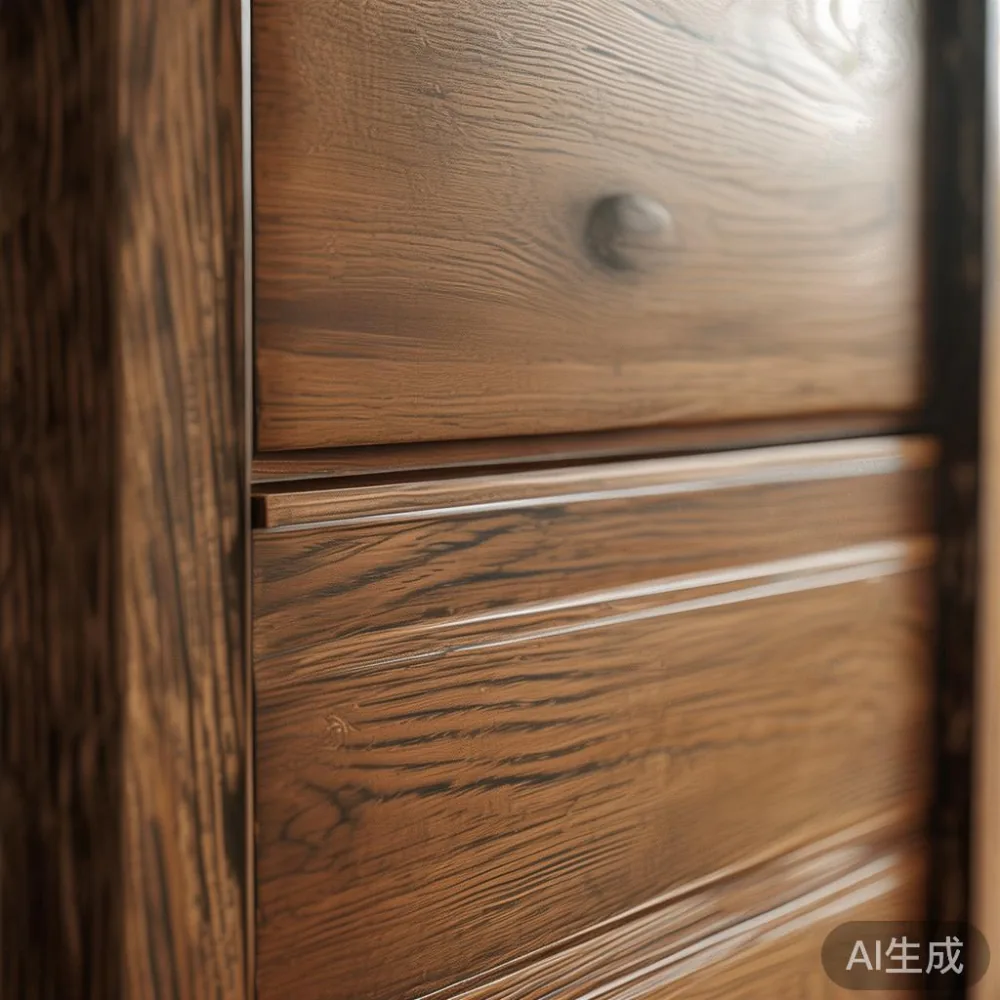
Before we discuss the 'how,' it's important to understand the 'why.' Singapore's tropical climate is characterized by two main factors that affect lacquered furniture: high humidity and high temperatures. Humidity levels often hover between 70% and 90%. This constant moisture in the air can be absorbed by the wood beneath the lacquer layer. As the wood expands and contracts with these humidity changes, it can place stress on the hard, brittle lacquer finish, leading to a common problem known as 'blushing' or 'blooming.' This appears as cloudy white spots or a dull, hazy film on the surface, as moisture gets trapped beneath the finish. Also, the intense UV radiation from the sun can cause the lacquer to fade or yellow over time, diminishing its rich, reflective sheen. A shoe cabinet placed near a window in a Bedok resale flat, for example, will face this challenge more directly than one in a corridor. Understanding these environmental pressures is the first step toward effective care.
How Often Should I Clean My Lacquered Shoe Cabinet?
Regular, gentle cleaning is the cornerstone of maintaining a lacquered surface. For a shoe cabinet in a typical Singaporean home, a dusting with a soft, lint-free cloth 2 to 3 times a week is sufficient to prevent a buildup of fine dust particles. These particles, combined with the ambient humidity, can act like a very fine abrasive, potentially dulling the finish over time. For a more thorough cleaning, a monthly wipe-down is recommended. This should be done with a well-wrung-out microfiber cloth and only distilled or demineralized water. Tap water in Singapore contains minerals that can leave behind a chalky residue, especially when the water evaporates in our humid climate. Never use a soaking wet cloth; the goal is to wipe away dust and light grime, not to introduce a large amount of moisture. For stubborn marks, a tiny drop of pH-neutral dish soap can be added to a liter of distilled water, but always test the solution on an inconspicuous area, like the inside of a cabinet door, first. A proper cleaning routine prevents the need for harsher restoration methods down the line.
What is the Right Way to Polish and Restore the Shine?
Even with regular cleaning, a lacquered shoe cabinet may begin to lose its luster after a year or two of Singapore's exposure. This is where polishing comes in. Once every 3 to 6 months, depending on its location and exposure, you should apply a high-quality furniture polish specifically designed for lacquered or French light luxury furniture. These polishes contain oils that nourish the wood and waxes that fill in microscopic scratches and restore the reflective surface. Apply the polish sparingly using a clean, soft cotton cloth. Work in small, circular motions, following the grain of the wood if it's visible beneath the lacquer. Allow the polish to dry for a few minutes as per the product instructions, then buff the surface with a separate, clean cloth to a brilliant shine. Avoid silicone-based polishes, as they can create a buildup that is difficult to remove and may interfere with future refinishing. Remember, a shoe cabinet in a lift lobby with high foot traffic will need this attention more frequently than one in a quiet, carpeted corridor.
How Can I Prevent Heat and Sun Damage?
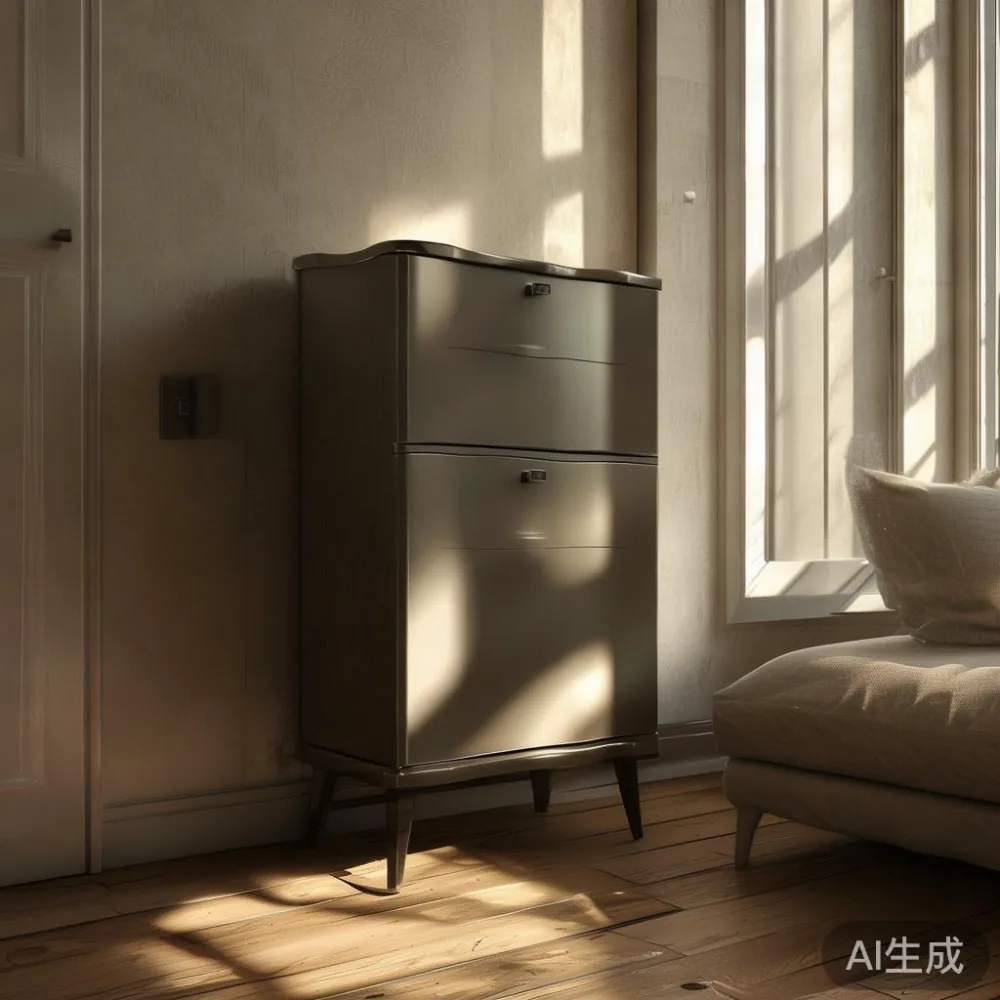
Singapore's sun is beautiful, but it's a silent enemy for lacquered furniture. Direct sunlight streaming through a window can raise the surface temperature of your shoe cabinet to over 50 degrees Celsius, causing the lacquer to expand and crack. The UV rays also break down the polymers in the finish, leading to fading and a loss of clarity. Prevention is key. Position your shoe cabinet away from windows that receive direct afternoon sun. If placement is unavoidable, invest in high-quality window film that blocks UV rays. These films can reduce UV penetration by up to 99% and are a worthwhile investment for preserving your furniture and your home's interior. Another source of heat is electronic equipment. Placing a shoe cabinet directly next to a router, television, or game console can expose it to constant, low-level heat. Maintain a distance of at least 30 centimeters between such devices and your cabinet. This simple habit can significantly extend the life of the lacquer finish and prevent the kind of heat damage that is often irreversible.
My Lacquered Shoe Cabinet Has Water Marks. Is It Ruined?
Water marks, or 'rings,' are a common concern for homeowners with lacquered furniture. They are typically caused by moisture being left on the surface for too long. The good news is that many can be treated successfully. For a fresh, white mark that hasn't penetrated the lacquer, try applying a small amount of non-gel toothpaste to a soft cloth and gently buffing the area in a circular motion. The mild abrasives in the toothpaste can sometimes level out the finish and remove the mark. If that doesn't work, a commercial product like 'Brycreem' can be applied sparingly with a soft cloth. The oils in the hair product can sometimes work their way into the finish and reduce the appearance of the mark. For more stubborn stains or older rings, you may need to use a specialized lacquer restorer. These products are available at hardware stores and should be used with extreme caution, following the instructions precisely. Always test on a hidden spot first. If the damage is deep, penetrating the wood itself, professional refinishing may be the only option. A quality shoe cabinet, like those from a maker of Foshan furniture, often comes with a lifetime refinishing warranty, making such a repair more accessible than you might think.
What About Placement and Humidity Control in My HDB Flat?
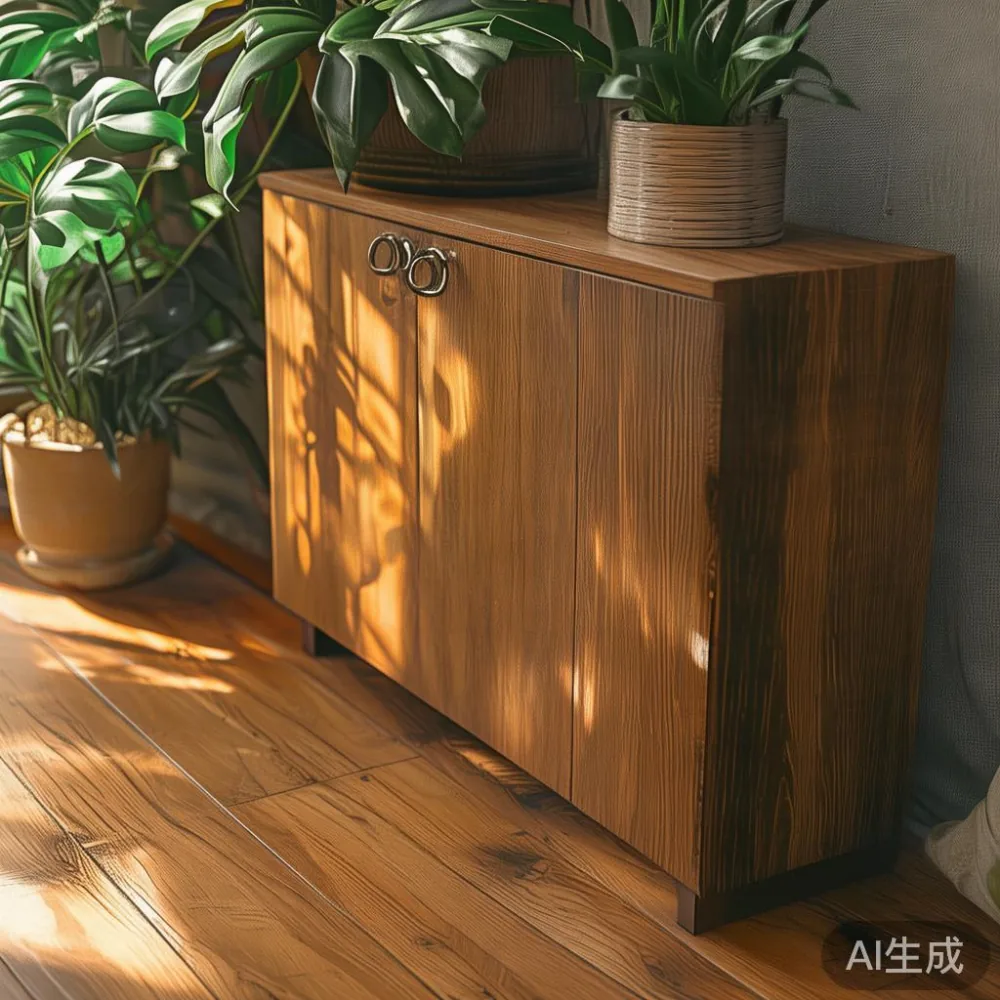
The environment immediately surrounding your shoe cabinet is just as important as the general climate of Singapore. In a typical HDB flat, the common areas like the living room and corridor can experience fluctuating humidity. Avoid placing your shoe cabinet directly against an exterior wall, as these walls can feel damp during heavy rain. Ensure there is at least a 5-centimeter gap between the cabinet and the wall to allow for air circulation. If you live in a ground-floor unit or a condo with high humidity in certain areas, consider using a small dehumidifier in the vicinity of the shoe cabinet, especially during the monsoon season. A dehumidifier can maintain the relative humidity at a more stable 50-60%, which is ideal for wood furniture. Also, be mindful of items you place on top of the cabinet. A potted plant with a saucer full of water is a recipe for disaster; the constant evaporation will saturate the air directly above your shoe cabinet. Instead, opt for decorative objects like a marble table top or a sculpture that do not contribute to local humidity.
Are There Specific Finishes That Are Better for Singapore's Climate?
If you are in the market for a new shoe cabinet, the type of finish you choose can make a significant difference in its longevity in our climate. Standard nitrocellulose lacquer, while beautiful, can be more susceptible to blushing in high humidity. A more durable option is a catalyzed lacquer or a polyester-based finish. These finishes are chemically hardened during the manufacturing process, creating a much harder and more moisture-resistant surface. They are less likely to be affected by the humidity swings common in Singapore. Another excellent choice is a UV-cured finish, which is extremely durable and resistant to both scratches and yellowing from sunlight. While these high-performance finishes might add 10-15% to the cost of a shoe cabinet, the long-term benefits in terms of maintenance and lifespan are substantial. When selecting a piece of modern Italian light luxury furniture for your home, asking about the type of finish is a smart question that shows you care about quality and longevity. A well-finished shoe cabinet is an investment that will pay dividends for years.
Ultimately, caring for a lacquered shoe cabinet in Singapore is about consistent, gentle attention. It's about understanding your environment and making small adjustments to protect your furniture. From regular dusting and careful placement to choosing the right products for polishing and stain removal, these practices ensure your shoe cabinet remains a functional and stunning centerpiece of your home. A beautiful piece of furniture, whether it's a shoe cabinet, a solid wood sofa, or a marble table, deserves to be enjoyed. With a little knowledge and effort, you can preserve its beauty for a lifetime, turning it into a cherished part of your home's story.