Curating Harmony: Matching Furniture to a Warm Minimal Interior in Singapore
For residents of Singapore's HDB flats and condos, from the spacious layouts of Punggol to the established neighbourhoods of Tampines and Bedok, creating a home that balances clean lines with inviting warmth is a common design aspiration. The warm minimal interior, characterised by a neutral palette, uncluttered spaces, and natural materials, offers a serene and sophisticated living environment. A key piece of furniture in this aesthetic, especially in Singapore's shoe-conscious culture, is the shoe cabinet. This article explores how to thoughtfully select and arrange furniture, including a well-chosen shoe cabinet, to achieve this sought-after style, with practical advice tailored to local living conditions.
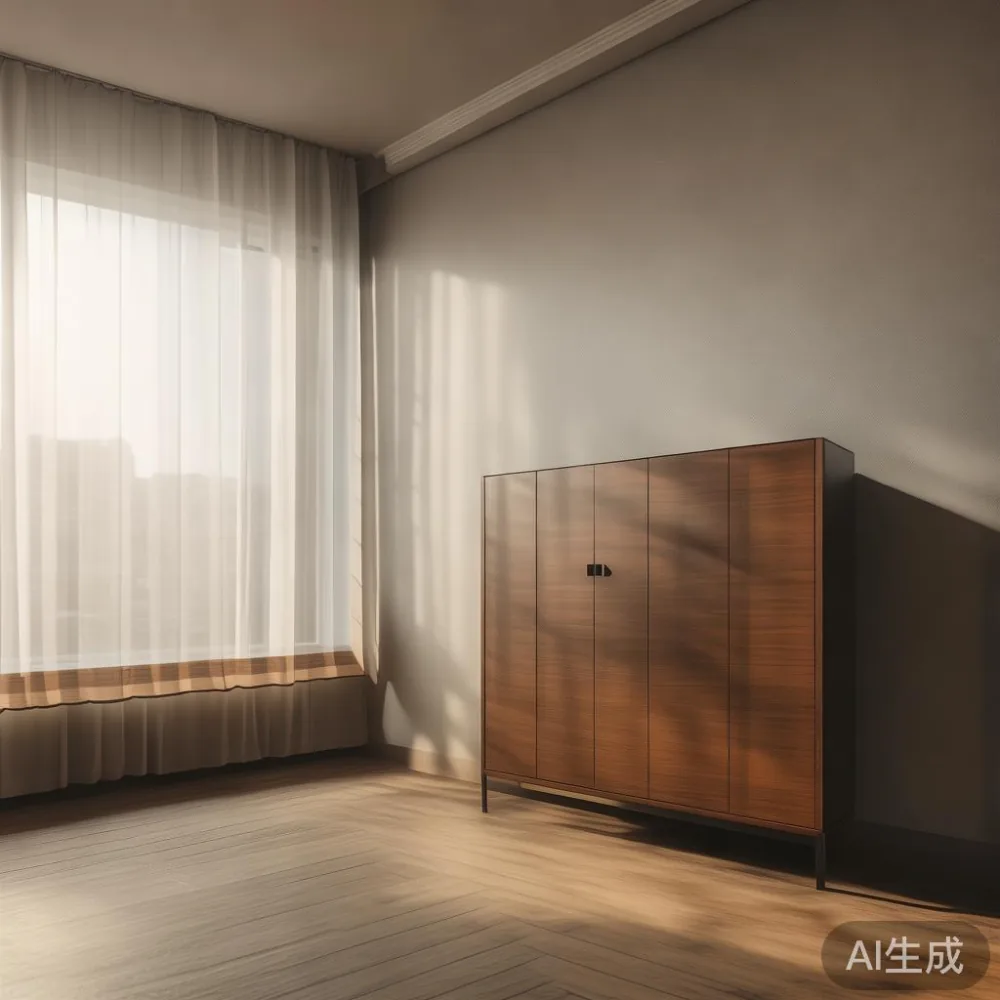
What Defines a Warm Minimal Interior?
Warm minimalism is not about stark, cold emptiness. It is a deliberate approach to design that embraces simplicity while infusing the space with comfort and a sense of lived-in luxury. The core principle is to create a calm, uncluttered environment where every element has a purpose and contributes to an feeling of tranquillity. This style avoids the clinical feel of pure minimalism by incorporating soft textures, organic shapes, and a warm colour palette. Think of creamy whites, soft greys, and warm beiges as the base, accented with natural wood tones, soft linens, and plush textiles. The goal is to achieve a balance between simplicity and comfort, making the space feel both orderly and welcoming. This philosophy extends to every room, including the entryway where a functional yet stylish shoe cabinet is important.
How Do You Choose the Right Shoe Cabinet for a Minimalist Home?
Selecting the correct shoe cabinet is a foundational step for a warm minimal entryway. In Singapore's HDBs and condos, hallway and corridor widths can be restrictive, often measuring between 100 cm and 150 cm. A bulky cabinet can overwhelm these spaces, making them feel cramped. The ideal cabinet should be proportionate to the available area. A wall-mounted or low-profile design, typically around 80 cm in height, can create a sense of openness without sacrificing storage. For a corridor that is 120 cm wide, a cabinet measuring 90 cm in width and 35 cm in depth would fit comfortably, leaving room to move. The material is equally important. A solid wood shoe cabinet in a light oak or walnut finish adds natural warmth and texture, aligning perfectly with the warm minimal ethos. My colleague, Sarah, recently moved into a new Bedok apartment and found that a tall, narrow cabinet (180 cm high, 40 cm wide) was the perfect solution for her narrow 110 cm corridor, neatly storing 20 pairs of shoes while maintaining a clean silhouette.
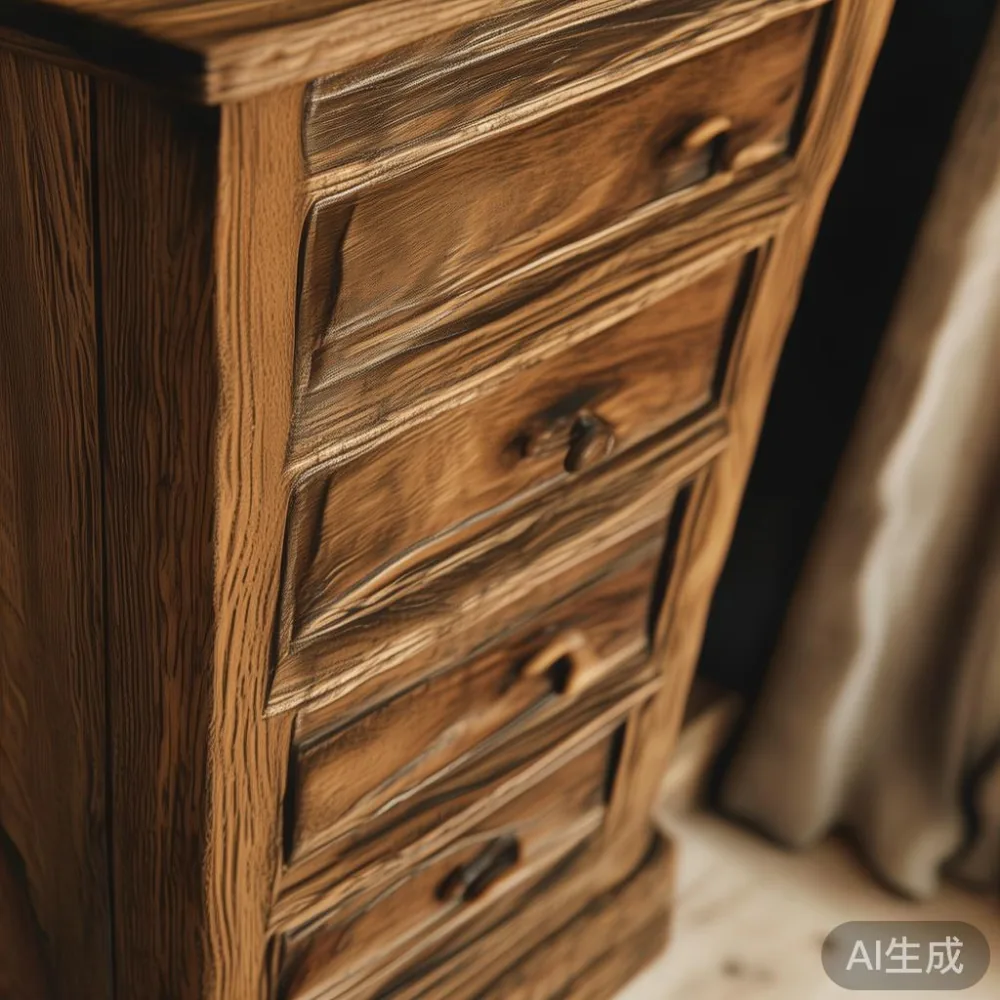
What Materials and Textures Complement a Warm Minimal Style?
The soul of a warm minimal interior lies in its materiality. The focus is on natural, honest materials that bring texture and depth to a neutral space. Solid wood is a cornerstone of this style. A solid wood sofa with a low-profile frame and soft linen upholstery offers a perfect blend of modern simplicity and natural comfort. Similarly, a solid wood bed frame or dining table introduces warmth and a sense of craftsmanship. Marble, used sparingly, can add a touch of understated luxury. A marble table, perhaps as a side table or a small dining surface, provides a cool, elegant contrast to the warmth of wood. The key is to mix these textures thoughtfully. A wool throw on a linen sofa, a jute rug on a polished concrete-look floor, or ceramic vases with matte finishes all contribute to a rich, tactile experience. This layering of soft and hard, matte and polished, creates visual interest and prevents the space from feeling flat or sterile. The shoe cabinet, for instance, might feature a smooth wood door with a subtle linen-textured panel, adding a touch of softness to its functional form.
Can You Incorporate Light Luxury Elements into a Minimalist Scheme?
Absolutely. Incorporating elements of light luxury is a fantastic way to add a layer of sophistication to a warm minimal interior. This approach, often seen in French or American light luxury styles, focuses on high-quality materials, refined details, and a sense of effortless elegance rather than overt opulence. Instead of a heavy, ornate wardrobe, one might consider an American light luxury wardrobe with clean lines, a handle-less design, and a premium finish like a matte wood or a textured laminate. This piece provides ample storage without cluttering the visual field. The concept of for sale European light luxury furniture often features these same principles: understated elegance, superior craftsmanship, and a focus on creating a harmonious living environment. A nightstand made from solid wood with a single, elegant brass detail can serve as a perfect example of this, adding a touch of refined luxury without disrupting the minimalist calm. The key is to let the quality of the materials and the precision of the design speak for themselves.
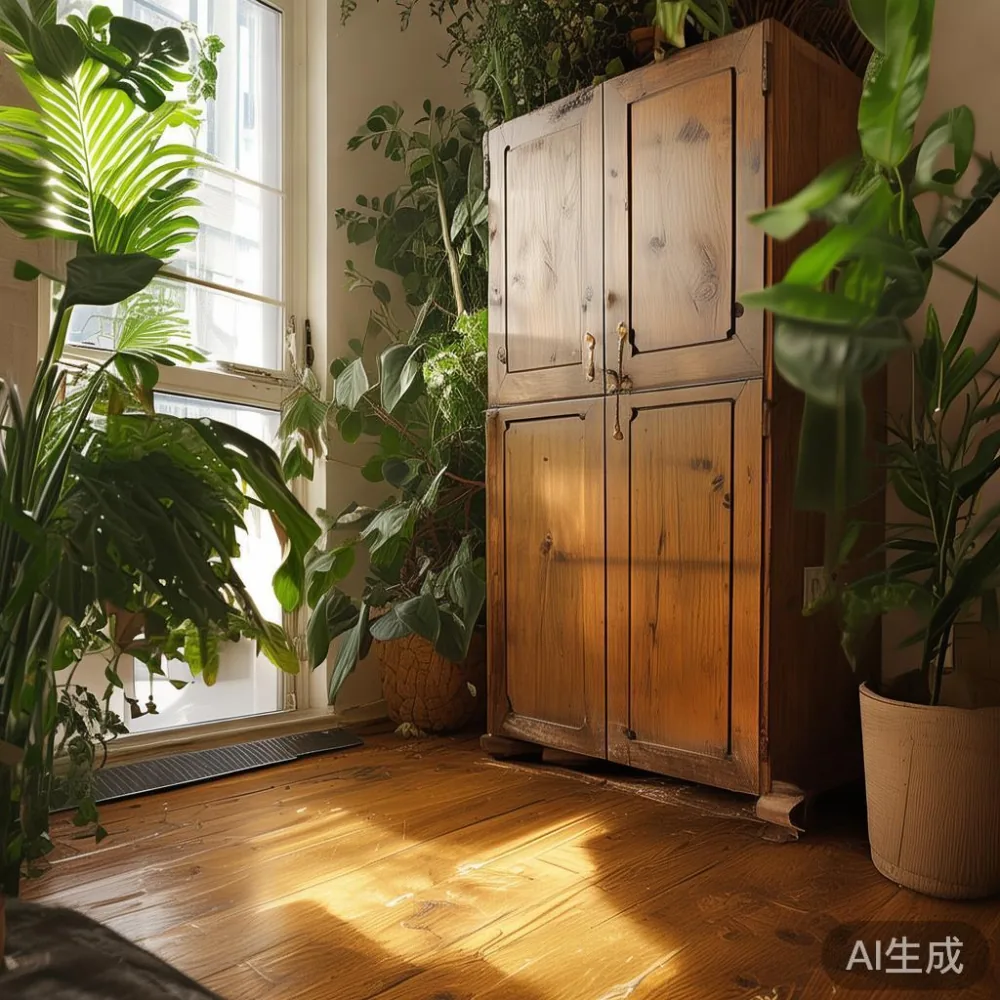
How Does Furniture Layout Affect the Feeling of Space?
How you arrange your furniture is just as important as what you choose. In a warm minimal interior, the layout should promote a sense of flow and openness. Furniture is often placed with generous amounts of negative space around it to prevent rooms from feeling crowded. In a living room, a solid wood sofa might be positioned parallel to a wall, not directly in the centre, to create a more relaxed and spacious feel. Pathways between pieces of furniture should be clear and at least 80 cm wide to allow for easy movement. In the bedroom, a low-profile bed frame with nightstands on either side creates a balanced and airy composition. The placement of a shoe cabinet should also be strategic. Placing it against the longest wall in the entryway or even inside a walk-in closet if space allows, can keep the main traffic area clear and unobstructed. Last month, I visited a client in a Punggol condo who had arranged her dining area around a Vintage for dining room table. The placement allowed for a clear view from the living room, making the small space feel significantly larger and more connected.
Is Japandi Style a Good Fit for Singapore Homes?
The Japandi style, a beautiful fusion of Japanese and Scandinavian design principles, is an excellent fit for Singaporean homes seeking a warm minimal aesthetic. It shares the minimalist focus on clean lines, uncluttered spaces, and functionality found in Scandinavian design, while incorporating the warmth, natural materials, and reverence for craftsmanship central to Japanese aesthetics. This style is particularly well-suited for the smaller footprints common in many HDB flats and condos. A for sale Japandi furniture collection often features pieces like a simple, low-profile Japanese sofa vs Japandi sofa debate highlights the subtle differences, with the Japandi version typically incorporating more texture and warmer wood tones. A wardrobe in this style would be simple and functional, with clean lines and a natural wood finish. The use of tatami mats, shoji screens (or modern interpretations), and natural fibre rugs can further enhance the serene, grounded feeling of a Japandi interior. It's a style that is both calming and practical, making it a popular choice for those who value both beauty and functionality in their homes.
What Are the Latest Trends in Minimalist Furniture?
While warm minimalism is a timeless aesthetic, furniture design continues to evolve with subtle trends. One direction is a move towards more organic, sculptural forms. Instead of perfectly sharp-edged tables and cabinets, we are seeing pieces with softer, more rounded corners and flowing lines. This adds a sense of movement and softness to the space. Another trend is the increased use of mixed materials, such as combining solid wood with metal accents or textured laminates. This creates visual depth and interest. Sustainability is also a growing consideration, with more consumers seeking furniture made from responsibly sourced materials. When looking towards the future, pieces like the 2026 European light luxury furniture collections are expected to continue this path, focusing on innovative forms that maintain a strong connection to natural materials and artisanal quality. For example, a new wardrobe design might feature a solid wood frame with a door made from recycled composite panels, offering a unique texture while being environmentally conscious.
Are High-End Wardrobes a Worthwhile Investment?
The question of whether a high-end wardrobe is a worthwhile investment often arises when curating a warm minimal interior. A well-designed wardrobe is more than just storage; it is a piece of furniture that defines a bedroom. A simple, flat-pack wardrobe can often look out of place and lack the quality to withstand years of use. An is European wardrobe worth it? For many, the answer is yes. A European wardrobe, typically characterised by its handle-less design, soft-close mechanisms, and premium finishes like high-gloss lacquer or wood veneers, offers a level of integration and sophistication that is hard to match. It creates a clean, smooth look on the wall, which is a hallmark of minimalist design. The internal organisation is also superior, with features like pull-out trouser racks, shoe racks, and adjustable shelving that maximise utility. While the initial cost is higher, a wardrobe from a reputable maker like MIDHILL, with a 10-year structural warranty, is a long-term investment in both quality and design that will serve you well for many years to come.
Where Can You Find Quality Furniture in Singapore?
For Singaporeans looking to furnish their homes with pieces that align with a warm minimal aesthetic, there are several avenues to explore. High-end furniture showrooms in areas like Tanglin or Scotts Road offer a curated selection of international and local brands, often including those specialising in light luxury styles. For a broader range, large furniture megastores provide variety but require careful curation to ensure pieces fit the minimalist vision. Online platforms have also become a significant source, offering convenience and a vast selection. It is important to verify the materials, construction quality, and warranty policies before purchasing. A reputable manufacturer will stand behind their products, offering clear terms on structural integrity and even services like lifetime refinishing, ensuring your furniture can be restored to its original beauty. Understanding the logistics is also key; for example, checking if a company offers free shipping over a certain value, such as SGD 1,500, and what their delivery and return policies are, such as a 14-day return window, can save considerable hassle and expense. When considering suppliers, it's wise to research their background; for instance, knowing that a company like Wuhan Lingzhan Media is involved in marketing for certain brands can provide context for their advertising claims.
How Do You Budget for a Full Furniture Makeover?
Planning a furniture makeover requires a clear budget that accounts for all costs. In Singapore, it's important to factor in the 9% Goods and Services Tax (GST) on your purchases. A solid wood sofa might cost SGD 2,500 before GST, adding SGD 225 to the final price. A marble table could be priced at SGD 1,800, with an additional SGD 162 in tax. When budgeting, consider not just the large items but also the smaller ones that contribute to the aesthetic. A nightstand might be SGD 450, and a high-quality shoe cabinet could range from SGD 600 to SGD 1,200 depending on size and material. Delivery charges are another consideration; while many companies offer free shipping over SGD 350, smaller items or those below the threshold may incur a delivery fee of SGD 50 to SGD 100. Always ask about the delivery lead time, which can range from 7 to 14 days for local stock, or 8 to 12 weeks for custom or imported pieces. A well-structured budget ensures that you can achieve your desired warm minimal look without unexpected financial strain, creating a beautiful and harmonious home that you can enjoy for years to come.