The Silent Battle: How Singapore's Humidity Affects Your Solid Wood Shoe Cabinet
For residents of Singapore, the air is a constant presence, a thick, warm embrace that defines our tropical climate. This humidity, while a signature of our island home, presents a silent but persistent challenge for homeowners, particularly for solid wood furniture. A beautifully crafted shoe cabinet, designed to bring order to your entryway, can become the frontline in this environmental struggle. Warping, cracking, and sticking are not signs of poor quality; they are often the direct result of wood's natural response to Singapore's fluctuating moisture levels. Understanding this dynamic is the first step toward protecting your investment and ensuring your furniture remains a source of pride, not frustration.
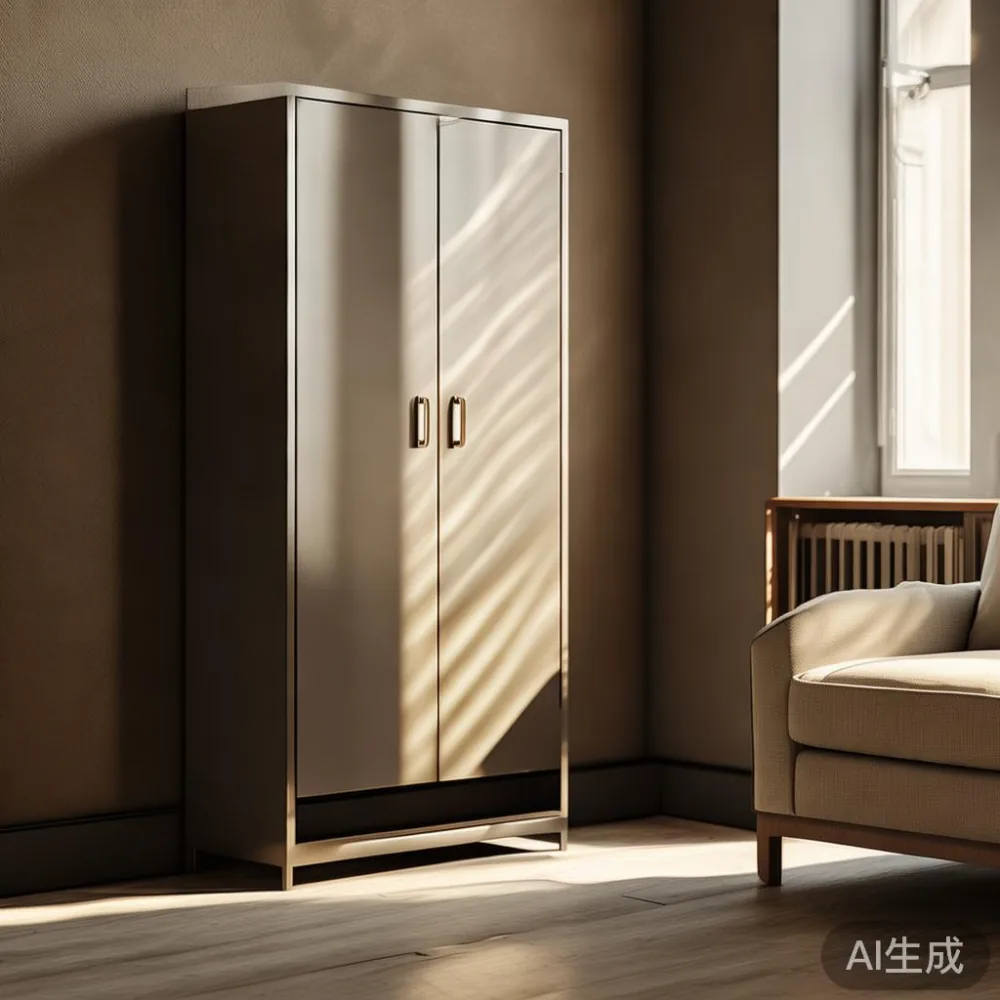
Understanding Wood's Natural Reaction to Humidity
Wood is a hygroscopic material, a scientific term meaning it absorbs and releases moisture from the surrounding air. Think of it as a living organism, constantly breathing. In Singapore, where relative humidity often hovers between 70% and 90%, wood readily absorbs this moisture. This process causes the wood fibers to swell. Conversely, during the slightly drier months or in air-conditioned rooms, the wood releases moisture and contracts. This natural cycle of expansion and contraction is completely normal. The issue arises when this process is too rapid or too extreme, leading to visible and functional problems. A shoe cabinet made from improperly seasoned wood or with a poor finish will struggle to manage these changes, resulting in doors that warp and no longer close flush, or panels that crack under stress. The quality of the wood and the craftsmanship of the joinery are critical factors in determining how well a piece of furniture can withstand this environmental dance.
Common Humidity Damage: Warping, Cracking, and Sticking
The effects of high humidity on a solid wood shoe cabinet are often most visible in its doors and drawers. As the wood swells, the panels can expand, causing the door to bow slightly in the center. This warping might be subtle at first, but over time, it can become pronounced, preventing the door from sitting flush with the cabinet frame. More frustrating is when the swelling causes the door to bind against the frame, making it difficult to open or close. This is a common complaint in HDB flats in areas like Tampines, where the constant humidity can take its toll. Similarly, the drawers of a shoe cabinet can become sticky, the swollen wood panels jamming against the interior sides. In more severe cases, the wood can lose moisture too quickly, leading to cracks. These often appear on the surface or at the joints where the wood is under the most stress. A well-made shoe cabinet, however, uses techniques like solid wood frames and panelled doors that allow for natural movement, minimizing these issues and ensuring the piece remains functional for years.
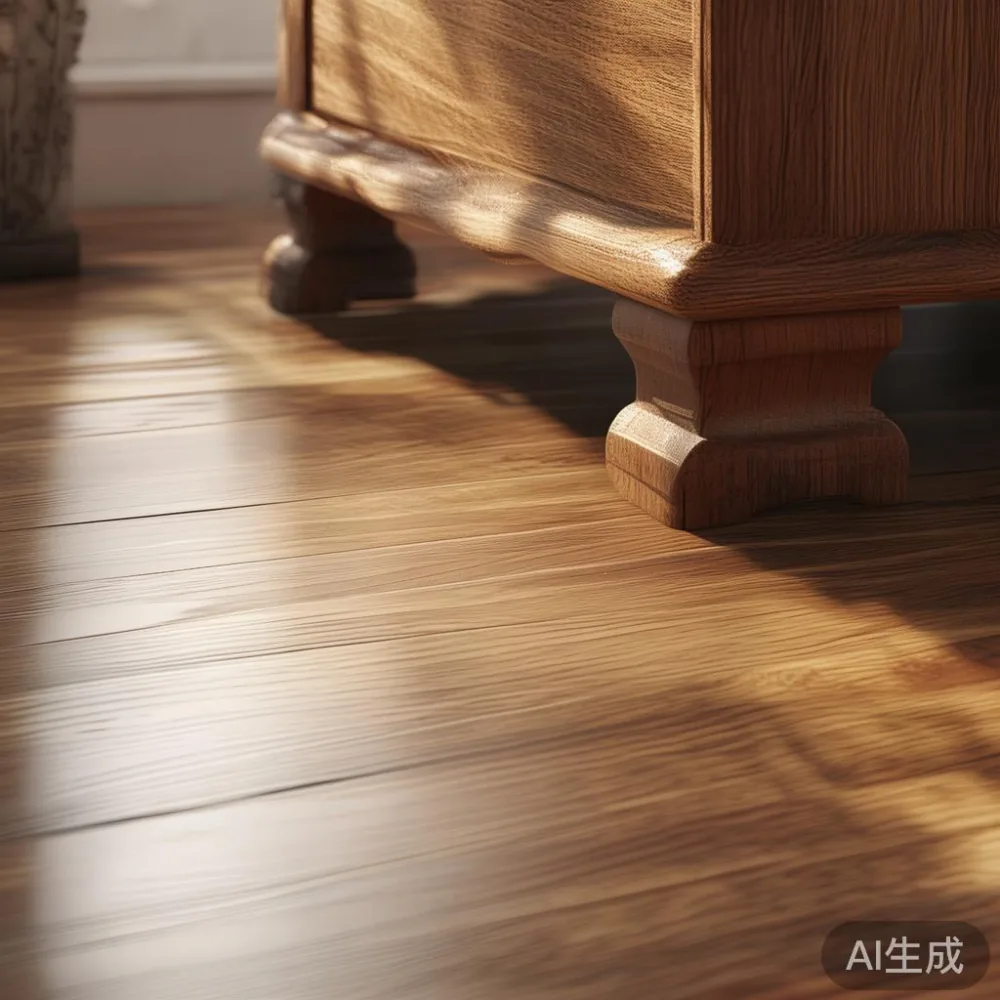
How Singapore's Specific Living Conditions Exacerbate the Problem
Singapore's living environment adds unique layers to the humidity challenge. Consider the HDB flat or condo layout. Many units, especially in older estates like Bedok or newer ones in Punggol, feature entryways that are part of a common corridor. This area is not climate-controlled and is exposed to the elements, making it a humidity hotspot. A shoe cabinet placed here is subjected to the full brunt of outdoor humidity. Also, the practice of air-conditioning living rooms and bedrooms while leaving the kitchen and entryway uncooled creates microclimates within a single home. A shoe cabinet in the air-conditioned bedroom might experience much lower humidity than one in the living room, leading to uneven expansion and contraction. The logistics of delivery also play a role. A solid wood shoe cabinet weighing 35 kg might take 3-5 days for delivery to a Singapore address. During this transit, the wood is acclimating to a new environment. Placing it directly into a high-humidity space upon arrival without giving it time to adjust can shock the material. Even the 9% GST on the purchase price of a SGD 580 shoe cabinet makes protecting your investment all the more important.
Is a Solid Wood Shoe Cabinet a Bad Choice for Singapore?
Not at all. In fact, a high-quality solid wood shoe cabinet is an excellent choice for Singaporean homes, provided it is the right kind of wood and the right construction. The key is to choose furniture designed with the local climate in mind. For instance, a MIDHILL wardrobe is often crafted from woods like solid oak or rubberwood that are known for their stability. These woods are kiln-dried to a specific moisture content before construction, ensuring they are less prone to extreme expansion and contraction. The design is just as important. A shoe cabinet with a frame-and-panel construction allows the individual panels to float within the frame, accommodating movement without causing the entire door to warp. The finish is the final, important line of defense. A multi-layered lacquer or oil finish acts as a barrier, slowing down the rate at which moisture can penetrate the wood. When you select a piece from a brand with a 10-year structural warranty, you are not just buying a shoe cabinet; you are investing in a product engineered to withstand the specific environmental pressures of a place like Singapore.
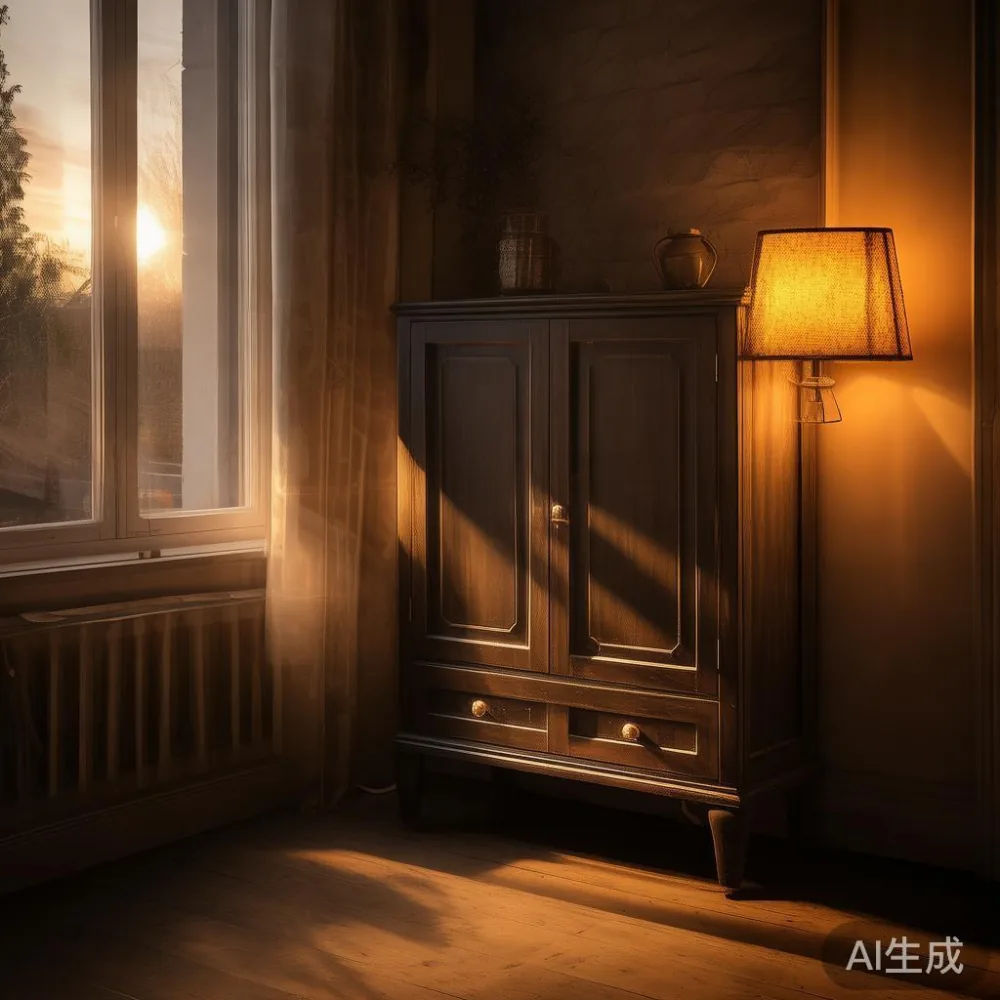
Practical Tips for Caring for Your Shoe Cabinet in Humid Weather
With the right care, you can significantly extend the life and beauty of your solid wood shoe cabinet. First, placement is everything. Avoid placing it directly in front of an air-conditioning vent or in a spot where it receives direct sunlight, as both can cause rapid drying and cracking. If you live in a ground-floor unit or a condo near a pool, ensure the shoe cabinet is not constantly exposed to damp air. Second, regular maintenance is non-negotiable. Every 2-3 months, wipe down the shoe cabinet with a soft, damp cloth to remove any surface grime and dust. Follow this immediately with a dry cloth to prevent any moisture from sitting on the wood. For a shoe cabinet with a natural oil finish, applying a specialized wood conditioner once or twice a year can help replenish the oils and maintain the wood's moisture balance. Finally, manage the environment in your home. Using a dehumidifier in the entryway during the wettest months can make a noticeable difference, keeping the local humidity around your shoe cabinet at a more stable level. These simple steps, combined with a quality product, will ensure your shoe cabinet remains a stunning and functional part of your home for a lifetime.
What is the difference between a solid wood shoe cabinet and a veneered one for Singapore's climate?
The fundamental difference lies in the material's structure and how it responds to humidity. A solid wood shoe cabinet is made from a single piece of wood or solid wood components. As discussed, this wood will expand and contract with humidity changes. However, a well-constructed solid wood piece is designed to handle this movement gracefully. In contrast, a veneered shoe cabinet has a thin layer of real wood glued over a substrate, typically MDF or particleboard. This substrate is not hygroscopic, but the thin wood veneer is. When the humidity rises, the veneer layer wants to expand, but it is constrained by the stable substrate. This creates immense internal stress, leading to the veneer cracking, peeling, or delaminating from the base. For Singapore's climate, a solid wood shoe cabinet is generally the superior and more durable choice. It moves as one piece, whereas a veneered piece is fighting against itself. The long-term cost of replacing a damaged veneered cabinet far outweighs the initial investment in a solid wood piece that can even be refinished under a lifetime refinishing policy, restoring it to its original beauty.
How to Style a Shoe Cabinet for a Singaporean Home
While function is paramount, a shoe cabinet is also a design statement in your entryway. The style you choose should complement your home's aesthetic. For a modern HDB flat, a minimalist shoe cabinet with clean lines and a matte finish can create a sense of calm. If you're aiming for a more luxurious feel, you might look for a piece that incorporates elements of French light luxury, perhaps with subtle brass detailing or a soft, two-tone paint finish. For those who appreciate timeless design, a shoe cabinet with Mid-century modern influences, featuring tapered legs and geometric shapes, can add a touch of sophisticated elegance to your corridor. The key is to find a balance that reflects your personal style while respecting the practical needs of your space. A well-styled shoe cabinet not only organizes your shoes but also enhances the visual appeal of your entryway, making a great first impression for guests and creating a harmonious transition from the public corridor into your private home.
Final Thoughts on Choosing a Durable Shoe Cabinet
Choosing the right shoe cabinet for a Singaporean home is about making an informed decision. It requires looking beyond the immediate aesthetics and considering the product's construction, the type of wood used, and the warranty offered. A reputable brand that has been exporting to over 15 countries since 2008 understands the global variations in climate and builds furniture accordingly. They know that a piece destined for a home in Singapore must be different from one made for a drier climate. Look for details like solid wood construction, a durable multi-step finishing process, and a warranty that speaks to the product's longevity. The 10-year structural warranty and lifetime refinishing offer from such a brand provide peace of mind, assuring you that your shoe cabinet is built to last. By selecting a piece designed with our unique environment in mind, you can enjoy the natural beauty and warmth of solid wood furniture without the worry of humidity-related damage, ensuring your entryway remains as beautiful and functional as the day you bought it.