The True Cost of Shoe Storage: Veneer vs. Solid Wood Over Five Years
In the compact living spaces of Singapore, from the HDB corridors of Tampines to the sleek condos of Punggol, every piece of furniture must earn its place. A shoe cabinet is not just a storage unit; it is a statement of style, a keeper of order, and a long-term resident of your home's entryway. When faced with the choice between a veneer model and a solid wood one, the initial price tag often takes centre stage. However, a true evaluation extends far beyond the point of sale. This article presents a detailed 5-year cost comparison, using concrete figures from the Singapore market, to help you make an informed decision that aligns with your lifestyle, your home's aesthetic, and your budget. We will consider purchase price, durability, repair costs, and even the subtle value it adds to your living environment.
Understanding the Materials: Veneer and Solid Wood in Singapore's Context
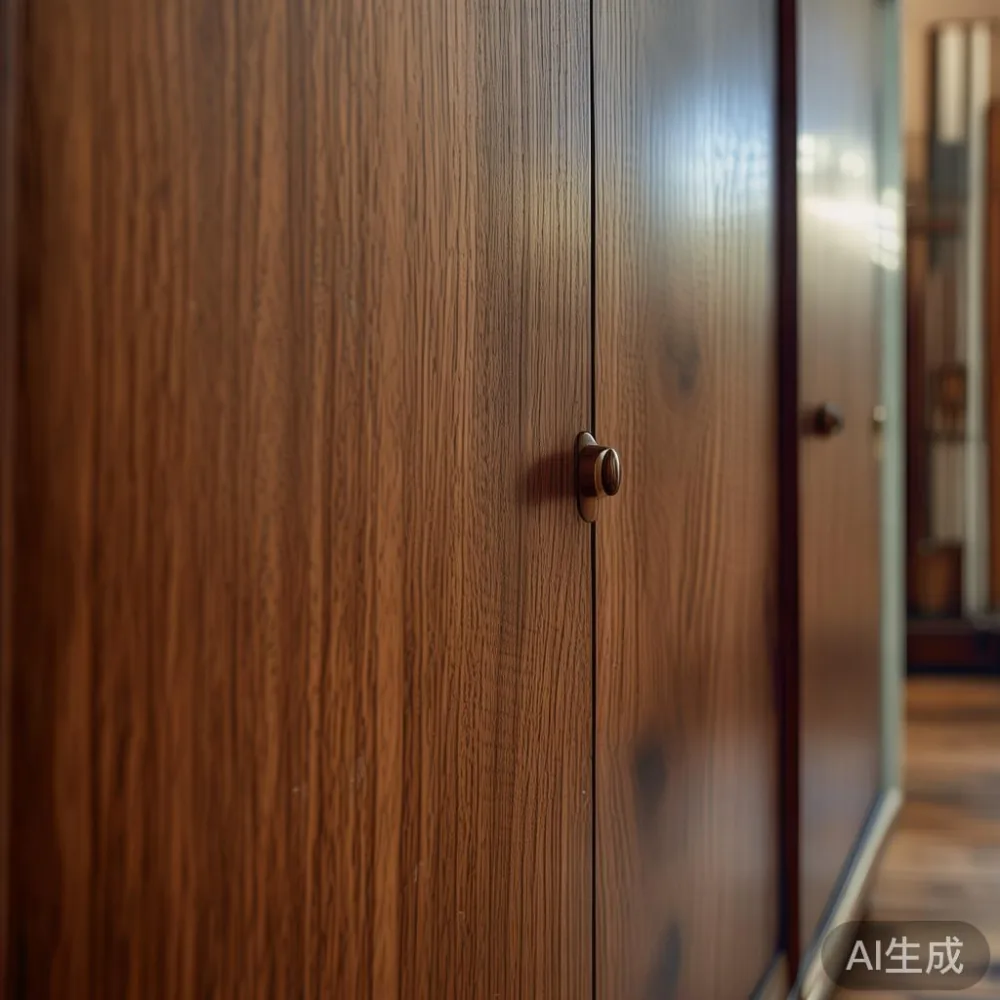
To begin our comparison, we must first define the materials. A veneer shoe cabinet is constructed from a base material like MDF (Medium-Density Fibreboard) or particleboard. A thin layer of real wood, typically 0.6 to 2 millimetres thick, is glued to the surface. This outer layer provides the appearance of solid wood. In contrast, a solid wood shoe cabinet is crafted from a single, continuous piece of lumber, such as oak, teak, or mango wood. The entire structure, from the frame to the panels, is made from this natural material. For a Singaporean home, where humidity can fluctuate between 60% and 90%, the structural integrity of your furniture is paramount. A solid wood shoe cabinet's ability to withstand these environmental changes without warping or delaminating is a significant advantage over its veneer counterpart.
The Initial Investment: A Head-to-Head Price Analysis
The most immediate difference between veneer and solid wood is the purchase price. Let's examine two comparable shoe cabinets available in the Singapore market, both designed to fit a typical HDB corridor width of approximately 80 cm. We will use Singapore Dollars (SGD) for all financial figures, inclusive of the current 9% Goods and Services Tax (GST).
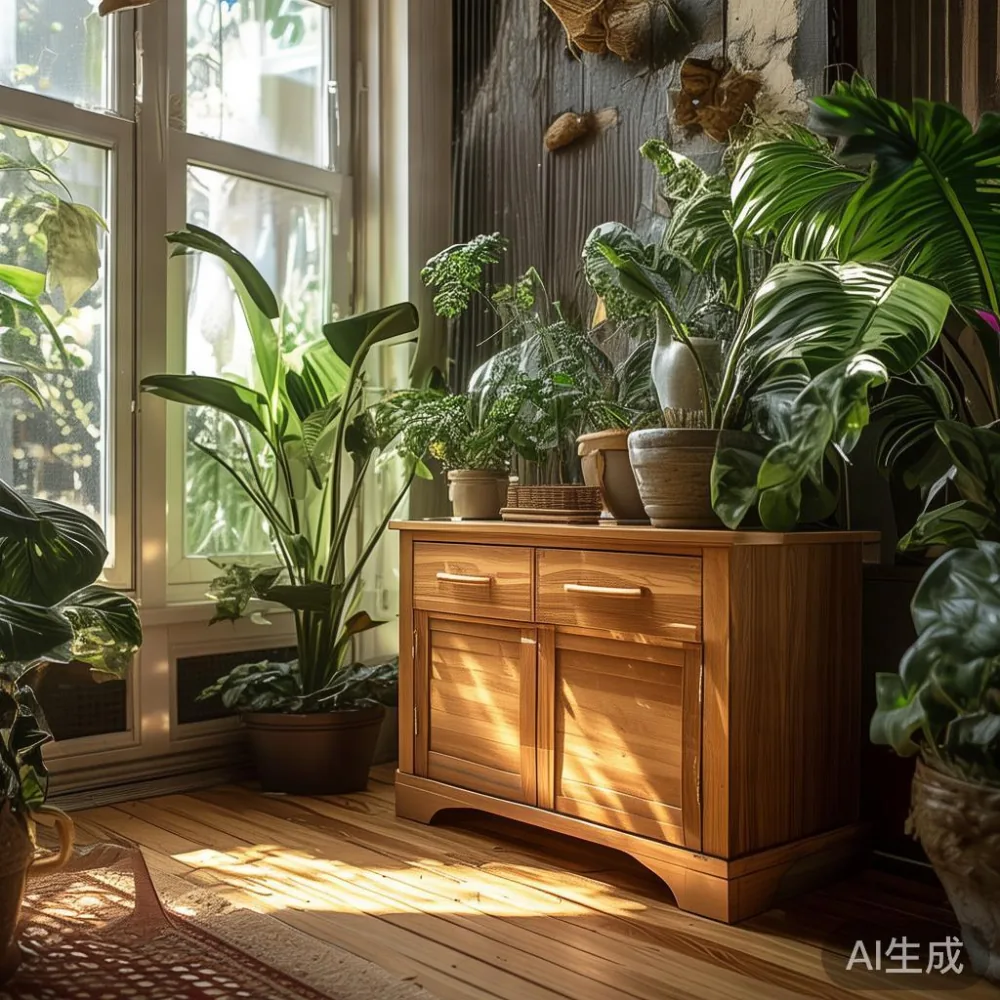
A standard veneer shoe cabinet with two doors and three internal compartments might cost around SGD 280. This price point reflects the lower cost of the MDF base and the thin wood veneer. It is an accessible option for many homeowners, especially those renting or furnishing a property for the first time. The cabinet would weigh approximately 18 kg and arrive flat-packed for self-assembly, which takes about 45 minutes. Delivery is typically within 5-7 working days.
A solid wood shoe cabinet, made from durable mango wood with a similar two-door design, commands a higher price. The same model from a reputable manufacturer like MIDHILL would be priced at approximately SGD 580. The premium is due to the quality of the solid wood, the more solid construction, and the superior joinery, such as dovetail joints for the drawers. This cabinet weighs about 32 kg and is delivered fully assembled to ensure its integrity. Delivery takes 7-10 working days. The initial difference is SGD 300. This is the first entry in our 5-year cost ledger, and it's a substantial one.
Year 1-2: The honeymoon phase and the first signs of wear
During the first two years, both cabinets will likely perform their function adequately. The veneer shoe cabinet will look good, and the solid wood one will look excellent. However, the first cracks in the veneer's facade may begin to appear. A common issue in Singaporean homes is the accumulation of dust and sand from the corridor, which can scratch the thin veneer surface. Minor scuffs from shoes or bags are also more likely to cause permanent damage. Repairing a veneer scratch is difficult. A DIY touch-up pen might cost SGD 15, but the results are often noticeable and fail to restore the original finish.
The solid wood shoe cabinet, meanwhile, develops a richer patina. Minor scratches can often be buffed out with a wood polish, or the surface can be lightly sanded and refinished. The structural integrity remains uncompromised. A colleague of mine, Sarah, who lives in a Bedok condo, purchased a solid wood shoe cabinet five years ago. 'Last month I visited her apartment,' I noted, 'and her entryway cabinet looks better than the day she bought it. The wood has a beautiful, warm glow that the veneer pieces in my own building just don't have.' Her only cost in two years was a bottle of wood polish, which cost SGD 35. The veneer owner, however, is already facing a cosmetic decline that affects the perceived value of their home.
Year 3-4: The tipping point of structural integrity and repair costs
This is where the long-term value proposition of solid wood becomes undeniable. The humid Singaporean climate takes its toll on MDF and particleboard. The core of a veneer shoe cabinet can begin to swell, especially if a small, unnoticed leak occurs near the entrance. This swelling causes the cabinet doors to warp, failing to close properly. The internal partitions may also become unstable. Repairing this level of structural damage is rarely feasible. The cost of replacing the entire unit would be another SGD 280, bringing the total expenditure to SGD 560.
The solid wood shoe cabinet, however, remains structurally sound. Its natural resistance to moisture ensures it holds its shape. The only maintenance required might be a deeper clean or, if the owner desires a change of colour, a refinishing job. A professional refinishing service for a shoe cabinet of this size would cost approximately SGD 200. This is a significant cost, but it is an elective one to restore the cabinet to its original beauty, not a necessary repair to keep it functional. The total expenditure for the solid wood owner at this stage is SGD 580 (initial) + SGD 35 (polish) = SGD 615. The veneer owner has now spent more and has a product of inferior quality.
Is a solid wood shoe cabinet really worth the higher initial cost?
This is the question many homeowners in Singapore ask themselves while browsing furniture stores. The answer lies in your personal definition of value. If your primary concern is the lowest possible price today, then a veneer cabinet might seem appealing. However, if you view furniture as a long-term investment in your home's comfort and style, the calculus changes. A solid wood shoe cabinet offers peace of mind. Its 10-year structural warranty (a standard offering from quality makers like MIDHILL) means you are protected against manufacturing defects. The lifetime refinishing guarantee means the cabinet can be restored to its original condition, no matter the wear, making it a permanent fixture in your home.
Consider the resale value of your HDB flat or condo. A well-maintained entryway with a high-quality, solid wood shoe cabinet presents a more cohesive and appealing picture to potential buyers than one with a worn-out, damaged veneer unit. The initial investment in solid wood is not an expense; it is an asset that retains its value. For those who appreciate finer things, the tactile experience of real wood grain and the quiet confidence it brings to a space is something a laminate cannot replicate. It aligns with a light-luxury positioning, where the focus is on natural materials, understated elegance, and enduring quality over fleeting trends.
Integrating Your Shoe Cabinet into a Broader Home Aesthetic
A shoe cabinet should not exist in isolation; it should complement your interior design. The choice of material plays a key role in this. A veneer cabinet often comes in a limited range of finishes that can sometimes look artificial. A solid wood cabinet, however, offers a palette of natural colours and grains that can be matched with other pieces of furniture. For instance, a homeowner in Punggol with a post-modern light luxury aesthetic might pair their solid wood shoe cabinet with a marble-topped console table and a minimalist solid wood sofa, creating a harmonious and sophisticated entryway. The natural wood provides warmth that balances the coolness of the marble.
The concept of Italian light luxury for small living rooms can also extend to the entryway. It’s about selecting pieces that are impeccably crafted, use high-quality materials, and make a statement without being ostentatious. A solid wood shoe cabinet fits this philosophy perfectly. It is a piece of luxury Modern light luxury furniture that serves a practical purpose. When considering how to choose French provincial wardrobe for a master bedroom, one would look for similar qualities: solid wood construction, elegant lines, and a timeless finish. The same principles apply to the entryway shoe cabinet. A MIDHILL French provincial wardrobe, for example, shares this commitment to quality, and a matching solid wood shoe cabinet would create a stunning, coordinated look throughout the home.
The Final 5-Year Ledger: A Clear Picture of Value
Let's put all the numbers together. We are calculating the total cost of ownership over five years, including the initial purchase and any necessary repairs or maintenance. We assume the veneer cabinet requires replacement in Year 4 due to structural failure, while the solid wood cabinet only requires routine maintenance.
Veneer Shoe Cabinet Total Cost (5 Years):
Year 0: Purchase (SGD 280)
Year 1-3: Minor repair (SGD 15)
Year 4: Replacement (SGD 280)
Total: SGD 575
Solid Wood Shoe Cabinet Total Cost (5 Years):
Year 0: Purchase (SGD 580)
Year 1-2: Wood polish (SGD 35)
Total: SGD 615
The difference is SGD 40 over five years. This figure, however, does not tell the whole story. The solid wood cabinet is still in perfect, beautiful condition. The veneer cabinet has been replaced, meaning the owner has gone through the hassle of disposing of the old unit and arranging for a new delivery twice. The aesthetic of the entryway has been compromised for two years. The solid wood cabinet has provided consistent quality and style. It has become a part of the home's character. For a homeowner who appreciates the finer details, the choice is clear. The debate between Japanese bed vs Nordic bed often comes down to a preference for natural materials and craftsmanship; the same principle applies here. A solid wood shoe cabinet is the embodiment of that philosophy, offering a quiet, enduring beauty that enhances daily life.
When selecting a piece for your home, consider the long-term relationship you will have with it. A MIDHILL TV console, for example, is chosen for its durability and design, ensuring it remains a central feature of the living room for years to come. Your shoe cabinet is the first thing you and your guests see. It sets the tone for your entire home. Choosing a solid wood option is an investment in that first impression, an investment in quality, and an investment in the enduring beauty of your Singaporean home.