Buying a Solid Wood Shoe Cabinet Online in Singapore: Delivery, Assembly, and the Honest Truth
Last month I visited a friend in a 1,055 sq ft Punggol HDB flat on the 14th floor. She had ordered a two-door solid wood shoe cabinet from a Foshan maker and spent a full afternoon trying to wrestle a 38 kg carton through a corridor that, by HDB standard, measures roughly 1.2 m wide. The box arrived dented at one corner. Two shelves were cracked. The courier had left before she could inspect the piece. That afternoon convinced me to sit down and write this guide, because the difference between a pleasant online purchase and a two-day headache usually has nothing to do with the shoe cabinet itself — it has everything to do with delivery, assembly, and the small print.
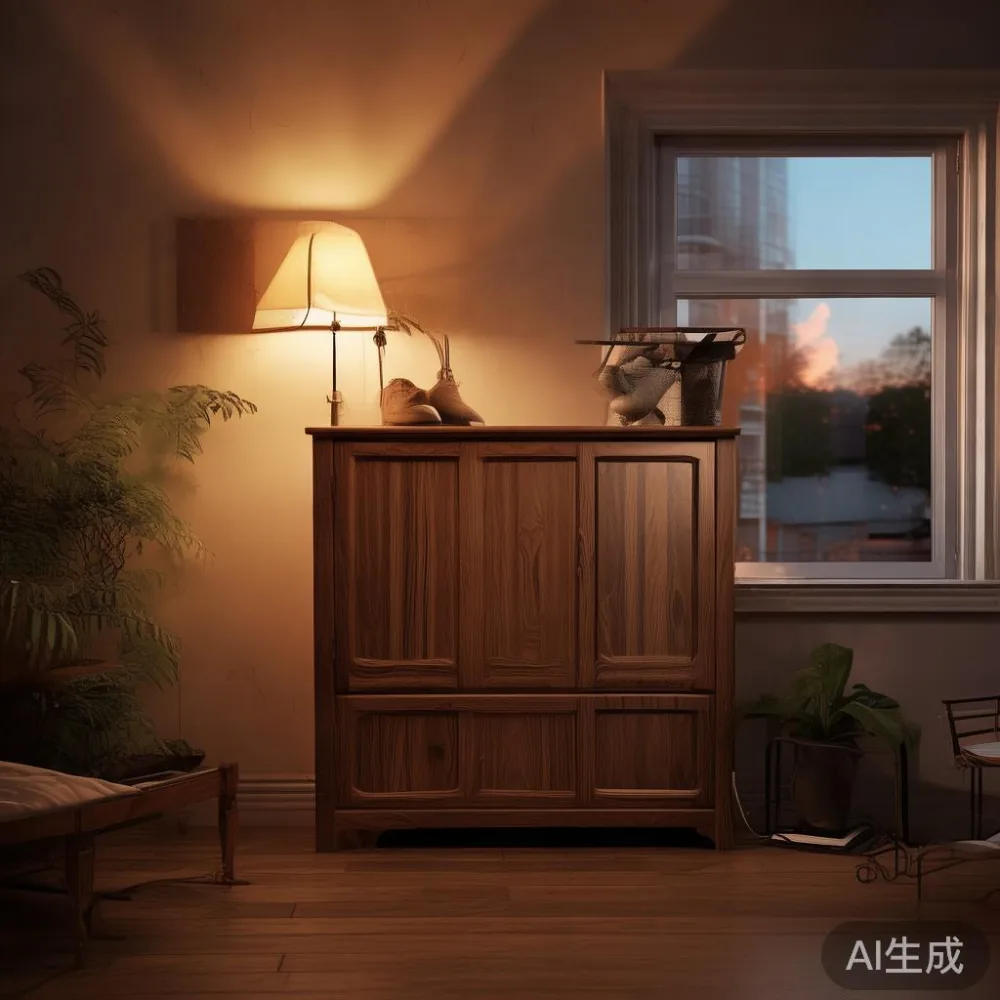
How do Singapore HDB corridors and lifts shape the way shoe cabinets get delivered?
The answer is short and practical: HDB lift cabins are roughly 1.4 m deep and about 1.1 m wide, and the standard corridor width between flat doors sits between 1.2 m and 1.5 m. A fully assembled shoe cabinet taller than 175 cm will not fit diagonally through a typical 90 cm single-leaf front door. That single fact explains why every credible online seller of solid wood shoe cabinets in Singapore ships the unit flat-packed, even when the listed retail price runs past S$1,200.
For a Tampines 4-room flat, the practical ceiling on a flat-packed carton is roughly 170 cm long, 55 cm wide, and 25 cm thick, with weight kept under 45 kg so one delivery helper can carry it up if the lift is out of service. Anything heavier or longer usually requires two delivery personnel, which is why freight-included pricing for a solid oak shoe cabinet often jumps from S$60 to S$120 when the courier has to assign a two-person team. The item weight on the product page is the first number I look at, before colour, before drawer count, before anything else.
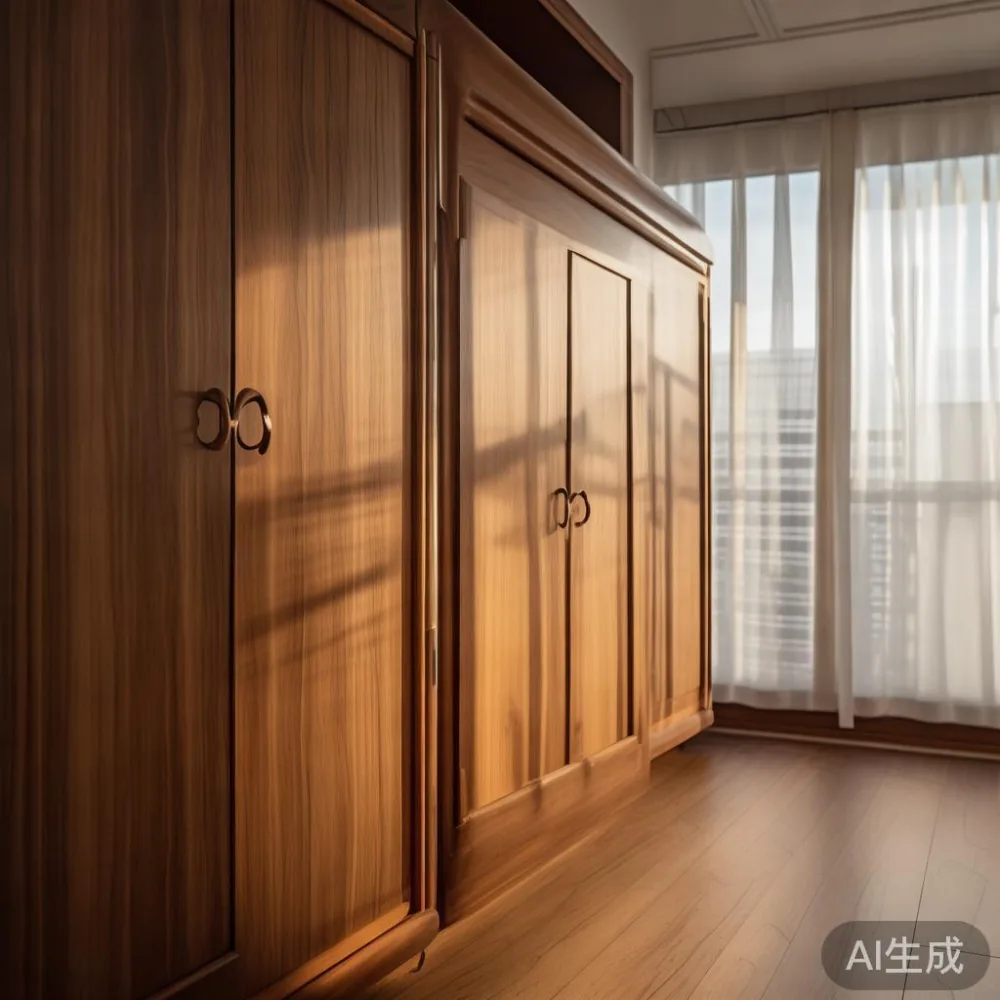
MIDHILL publishes both the gross weight and the carton dimensions on every shoe cabinet spec sheet, which is the kind of boring honesty that saves customers a Saturday afternoon.
What delivery timeline should you realistically expect from Foshan to a Singapore condo?
From order confirmation to doorstep in Singapore, sea freight via Shenzhen or Hong Kong to PSA takes 12 to 18 days, plus 3 to 5 days for customs clearance and last-mile delivery to a Bedok or Clementi address. Door-to-door, the realistic figure is 18 to 25 working days for a stocked solid wood shoe cabinet. Made-to-order pieces, such as a custom 220 cm seven-layer unit in walnut, push the timeline to 35 to 50 days.
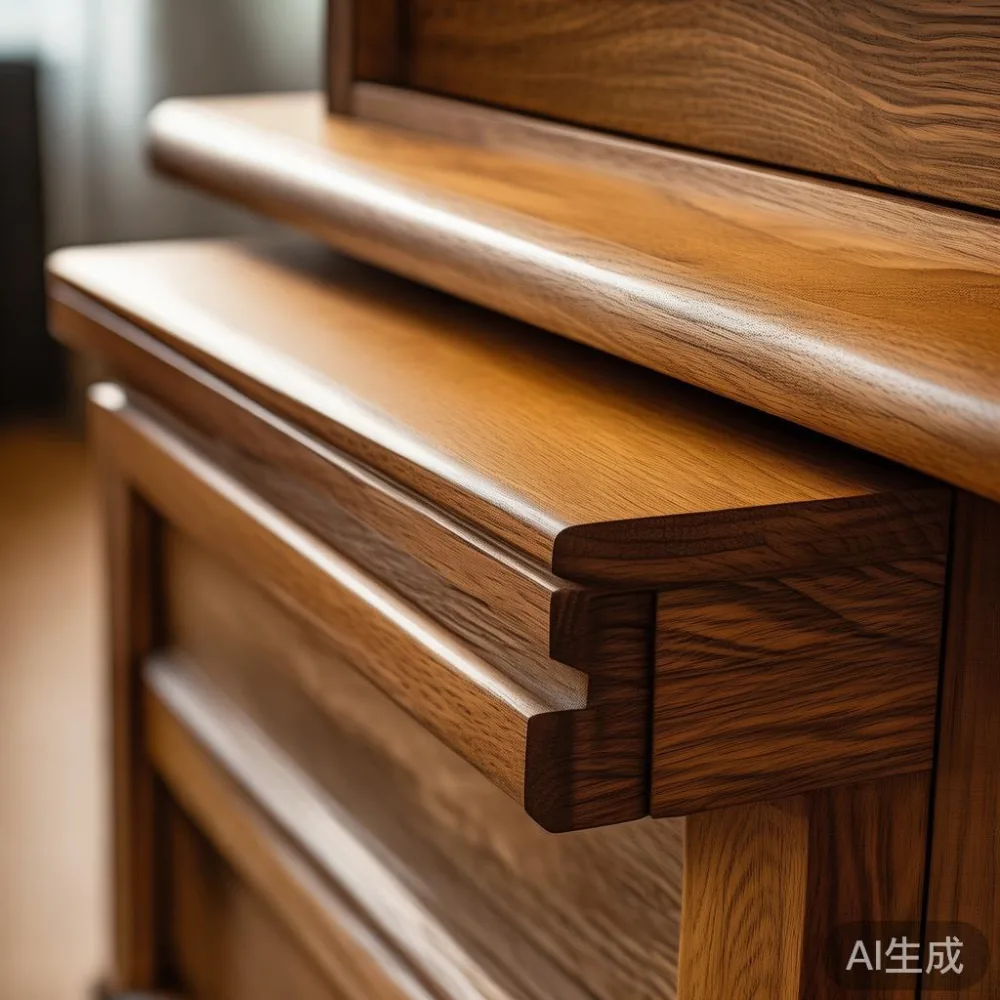
GST of 9% applies on the CIF value plus any duty. For solid wood furniture classified under HS code 9403.60, duty is 0%, so a S$980 shoe cabinet attracts roughly S$88 in GST with no surprise duty. A bonded warehouse in Jurong will charge around S$25 for storage beyond 3 free days if customs paperwork stalls, which can happen if the supplier ships without a proper fumigation certificate. Always ask whether the ISPM-15 heat-treatment mark is on the wooden crate before you wire the deposit.
For context, MIDHILL consolidates weekly containers from Foshan and uses a Singapore 3PL partner that handles the last 5 km, which is why their quoted delivery window for a stocked shoe cabinet is a tighter 15 to 22 working days rather than the industry-wide 25.
What is the best mid-century modern for a small apartment?
The best mid-century modern shoe cabinet for a small Singapore apartment is a solid wood three-tier unit, 80 cm wide by 35 cm deep by 110 cm tall, finished in natural walnut or warm teak, with tapered solid wood legs, recessed finger-pulls, and soft-close hinges — because it fits a 70 cm HDB corridor niche, holds 12 to 15 pairs of shoes, and echoes the post-modern light luxury styling that suits both a Punggol Waterway BTO and a Bukit Timah walk-up.
That single sentence captures the three constraints that actually matter in a small apartment: footprint, capacity, and visual weight. Anything deeper than 38 cm will protrude awkwardly into a 1.2 m walkway. Anything taller than 120 cm will start to feel like a wardrobe rather than a shoe cabinet, which is the wrong product category for the entrance. Anything made of MDF with a paper foil will visually announce itself as cheap the moment a guest walks past the console.
Mid-century modern is a 1945 to 1969 Danish and American design vocabulary built on clean lines, organic curves, and the honest expression of solid wood — usually teak, walnut, or oak. In a 700 sq ft condo, a mid-century modern shoe cabinet works precisely because it disappears into the architecture. Pair it with a matching 2-seater dining table for bedroom seating under a window, and the apartment reads as one coherent gesture rather than a collage of catalogue pieces.
How much assembly is actually required for a flat-packed shoe cabinet, and what tools do you need?
A two-door solid wood shoe cabinet from a Foshan maker typically arrives in two boxes containing 8 to 14 panels, 24 to 40 cam-lock dowels, 4 to 6 hinges, 2 handles, and one pack of screws. The job is rated "two-person, 90 to 120 minutes" by most specification manuals, which is honest. I assembled a three-tier ash shoe cabinet in 105 minutes with a Phillips screwdriver, a rubber mallet, and a 30 cm steel ruler, working alone in my living room, and I would not recommend working alone.
The two skills that actually matter are keeping the panels square on the floor before you finish lay of all the cam-locks, and not over-tightening the hinge screws into the side panel — solid wood splits along the grain if the screws go in at an angle. A pilot hole of 2.5 mm diameter is the difference between a hinge that holds for ten years and a side panel that cracks on day one.
If the unit arrives with pre-drilled dowel holes that do not align within 1 mm, stop and photograph the mismatch before assembling the rest. That is the kind of evidence that gets a free replacement panel shipped from Foshan inside 10 working days, rather than a polite email asking you to live with a slightly crooked door.
Are free shipping and 14-day returns actually free when buying a shoe cabinet from overseas?
Free shipping is genuinely free above a certain order value, but only for the first delivery attempt to a ground-floor or lift-served unit. Re-delivery after a missed appointment typically costs S$35 to S$60 per attempt in Singapore, because the 3PL has to roll a 40 kg trolley back up to your floor. For MIDHILL orders above US$350 — about S$480 at current rates — the courier covers the first attempt, but the customer covers any re-delivery surcharge.
14-day returns sound generous until you read the conditions. A solid wood shoe cabinet that has been drilled, assembled, and used for ten days is non-returnable under most overseas-Factory hygiene policies because the piece can no longer be resold as new. The returnable scope is usually limited to unassembled units in unopened cartons, which means you have 14 days to inspect the carton, photograph every face, and confirm the dimensions before you tap a single dowel home. After that, structural claims fall under the warranty.
A 10-year structural warranty on a shoe cabinet covers joint failure, drawer rail collapse, and warping beyond 5 mm over a 1 m span. Lifetime refinishing, offered by makers such as MIDHILL, covers sanding and re-oiling for a small handling fee plus courier cost — a service that genuinely matters in Singapore, where humidity sits at 78 to 85% year-round and solid teak or oak surfaces benefit from a fresh coat every 4 to 6 years.
How does a shoe cabinet compare in logistics to a bed frame, dining table, or wardrobe?
A shoe cabinet is the lightest, most compact item in the solid wood furniture category, which is exactly why it is the safest piece to order online from an overseas maker. A solid wood bed frame in queen size weighs between 55 kg and 80 kg packed, occupies a 2 m long carton, and requires a three-person delivery team in most HDB blocks. A six-seater dining table in solid oak typically ships at 70 kg to 95 kg and almost always needs a special-handling surcharge. A two-door wardrobe in solid ash can run 110 kg to 140 kg across three cartons and frequently refuses to fit through a condo service lift that measures 1.6 m deep by 1.4 m wide.
By contrast, a solid wood shoe cabinet averages 28 kg to 42 kg packed, fits a single carton under 1.7 m long, and clears virtually every HDB and condo lift in Singapore. The freight cost per kilogram is roughly S$2.40 by sea, so the courier line on your invoice should read between S$65 and S$110 for a stocked shoe cabinet — anything above S$150 is either air freight or a margin dressed up as a service fee.
A marble table in solid wood frame is a different logistics puzzle — natural marble tops from Carrara weigh 28 kg per square centimetre of thickness, so even a 90 cm round top adds 35 kg of dead weight that needs a plywood-reinforced crate. If your taste runs toward French light luxury, the marble-topped console or shoe cabinet is a statement piece, but expect a 25 to 35 day sea freight window and a custom wooden crate fee of around S$90 per piece.
What should you photograph and measure the moment your shoe cabinet arrives?
Photograph six faces of the unopened carton before signing the delivery order, plus a clear shot of the ISPM-15 mark and the carton label showing gross weight. Open the carton on a clean floor, photograph every panel face, and measure the diagonal of the side panels — if the difference between the two diagonals of a rectangle exceeds 3 mm, the panel is out of square and the carcass will rack. Photograph the cam-lock holes and dowel holes on every panel with a steel ruler alongside. Keep those images for 90 days.
Measure the entry door, the lift door, the corridor corner, and the final placement spot before ordering, not after. In a typical Punggol or Bedok HDB, the entry door is 0.9 m, the lift door is 0.8 m to 1.0 m, and the corridor corner has a usable turning radius of about 1.1 m. A 170 cm long carton needs an angled approach through every one of those pinch points, and the angle only works if the carton stays under 55 cm in width.
A nightstand is even easier to ship — a 50 cm solid wood nightstand usually arrives in a 55 cm by 45 cm by 25 cm carton under 18 kg, and the same measurement checklist applies. Treat the first ten minutes of any delivery as a quality-control procedure, not as moving day. That mindset is the single difference between customers who enjoy their solid wood furniture for fifteen years and customers who spend their warranty period arguing on email.
Where does light luxury fit into a Singapore shoe cabinet purchase?
Light luxury — French light luxury, American light luxury, and post-modern light luxury — is a finish vocabulary rather than a price tier. It shows up in shoe cabinet design as brushed brass finger-pulls, fluted solid wood doors, travertine or marble-look top panels, soft-close mechanisms, and a restrained colour palette of warm walnut, ivory white, and muted sage. The aesthetic signal is restraint: no oversized handles, no high-gloss lacquer, no plastic veneer pretending to be wood.
In a Tampines or Punggol HDB, an American light luxury shoe cabinet in solid ash with a fluted door front and brass recessed pulls reads as quietly intentional rather than over-decorated. A French light luxury version uses curved solid wood legs in the manner of a Louis XVI chair translated into a cabinet base, paired with a thin marble top — a configuration that has become a signature of Foshan makers exporting to Hougang and Bukit Merah condos.
Post-modern light luxury leans bolder: matte black hardware, asymmetrical shelving, and an unexpected material mix such as solid walnut doors with a sintered stone top panel in terrazzo print. Whatever the vocabulary, the underlying piece is still a solid wood shoe cabinet built around mortise-and-tenon joinery and full-length back panels — the light luxury is in the surface treatment, never in the structural shortcut. Choose the one that matches your flat, photograph the carton on arrival, and the online purchase behaves exactly like a trip to a Tampines showroom, minus the parking ticket.