Caring for a Lacquered Shoe Cabinet in a Singapore Home: A Practical Guide
A lacquered shoe cabinet looks brilliant on the day it arrives, crisp as a piano in a Tampines BTO showroom flat. Keep it that way in our 28–34°C, 80–95% humidity climate, and it will look brilliant for years. Lose the plot on care, and micro-cracks, cloudiness, or yellowing creep in within twelve months. I watched this happen in a Punggol condo last month: a neighbour had spent about SGD 1,580 on a glossy white cabinet, and the surface had gone dull and slightly wavy near the kickboard after one monsoon season. The fix was not expensive. The knowledge gap was.
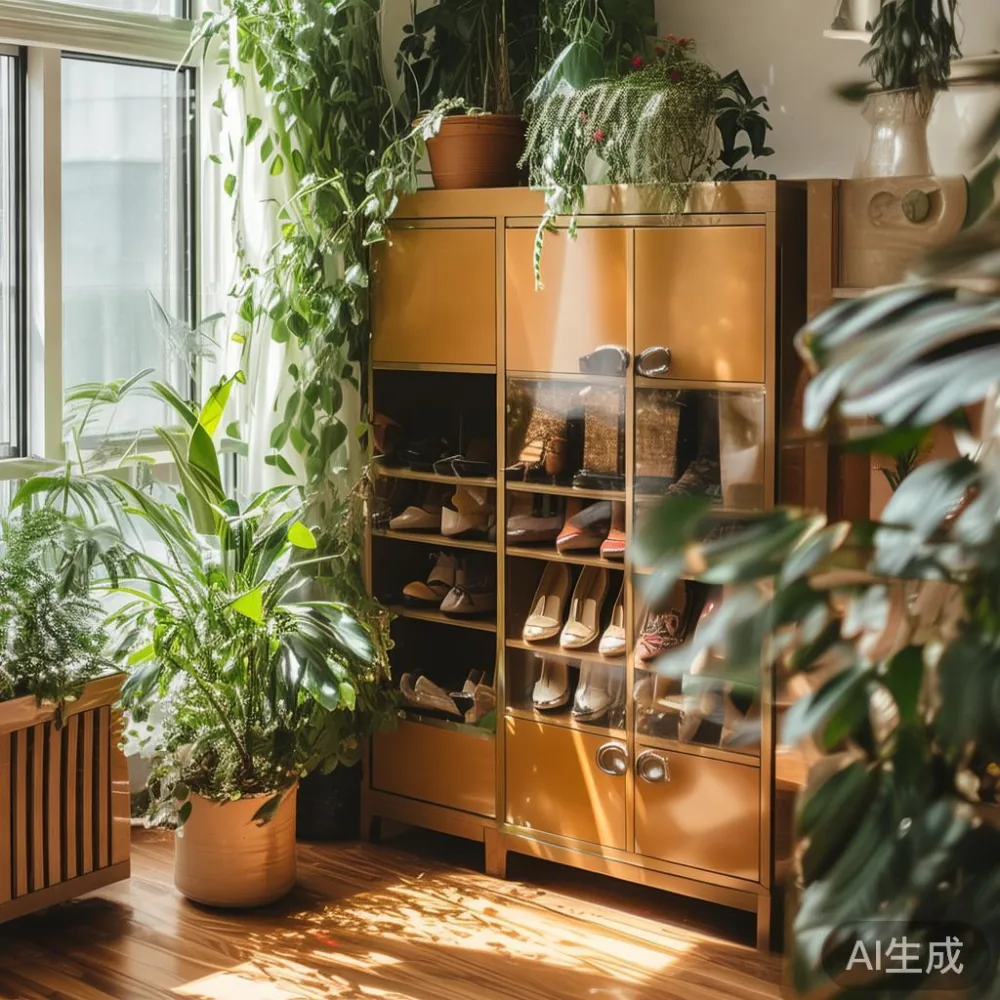
This guide is written for Singapore households storing five to twenty pairs of shoes a week, in HDB corridors roughly 1.2 m wide and lifts about 1.0 m deep, where the delivery team has roughly 90 seconds to unload before the next resident buzzes. Whether your cabinet is solid wood inside with a sprayed lacquer face, or a fully engineered build from a brand such as MIDHILL, the rules below apply. The same routine that protects a dining table top will protect a shoe cabinet door, because lacquer is lacquer.
Why Singapore's Climate Is Hard on Lacquer
Two things punish lacquer here: high relative humidity (RH) all year, and UV exposure through west-facing windows between 2 pm and 5 pm. Lacquer is a cured film, typically nitrocellulose or acid-catalysed, applied at 40–80 microns thickness over a sealed wood substrate. At 85% RH, the wood beneath the film absorbs and releases moisture daily, swelling by roughly 0.5–1.5% across the grain. The lacquer cannot stretch that much without stress. The result is hairline cracking along joints, and a cloudy patch where the film has lifted microscopically from the substrate.
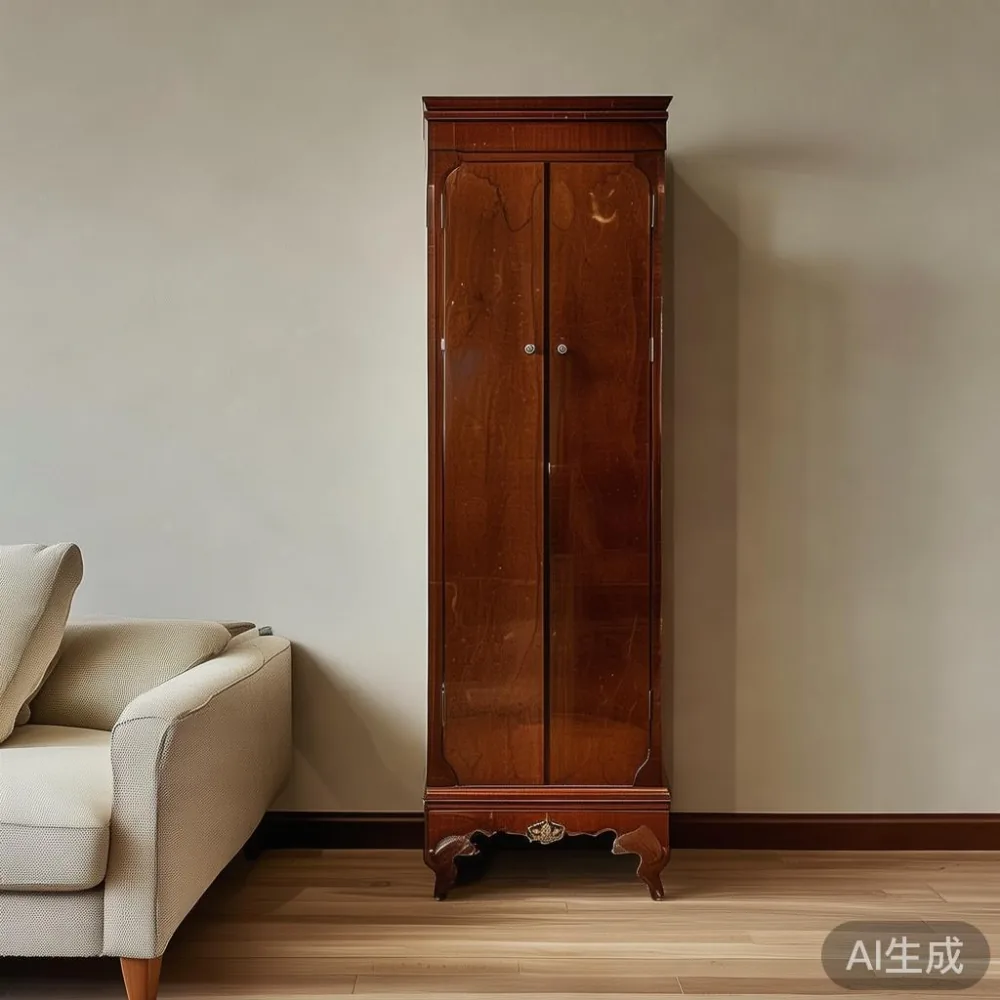
UV is the second problem. A south-facing or west-facing corridor in Bedok or Sengkang can see direct sun for 90–180 minutes a day, especially from June to September. Lacquer resins break down under UV-B, which is why a pale grey cabinet turns a faint beige within nine to fourteen months near an unshaded window. A simple 3 % UV-blocking film on the nearest window costs about SGD 18 per metre run and cuts that fade cycle by roughly half.
For households near the coast, such as in Marine Parade or East Coast, salt aerosols add a third factor. Salt does not attack cured lacquer directly, but it lands on the surface, absorbs moisture, and keeps the film damp for longer, which accelerates micro-checking. A weekly wipe with a barely damp microfibre cloth neutralises this.
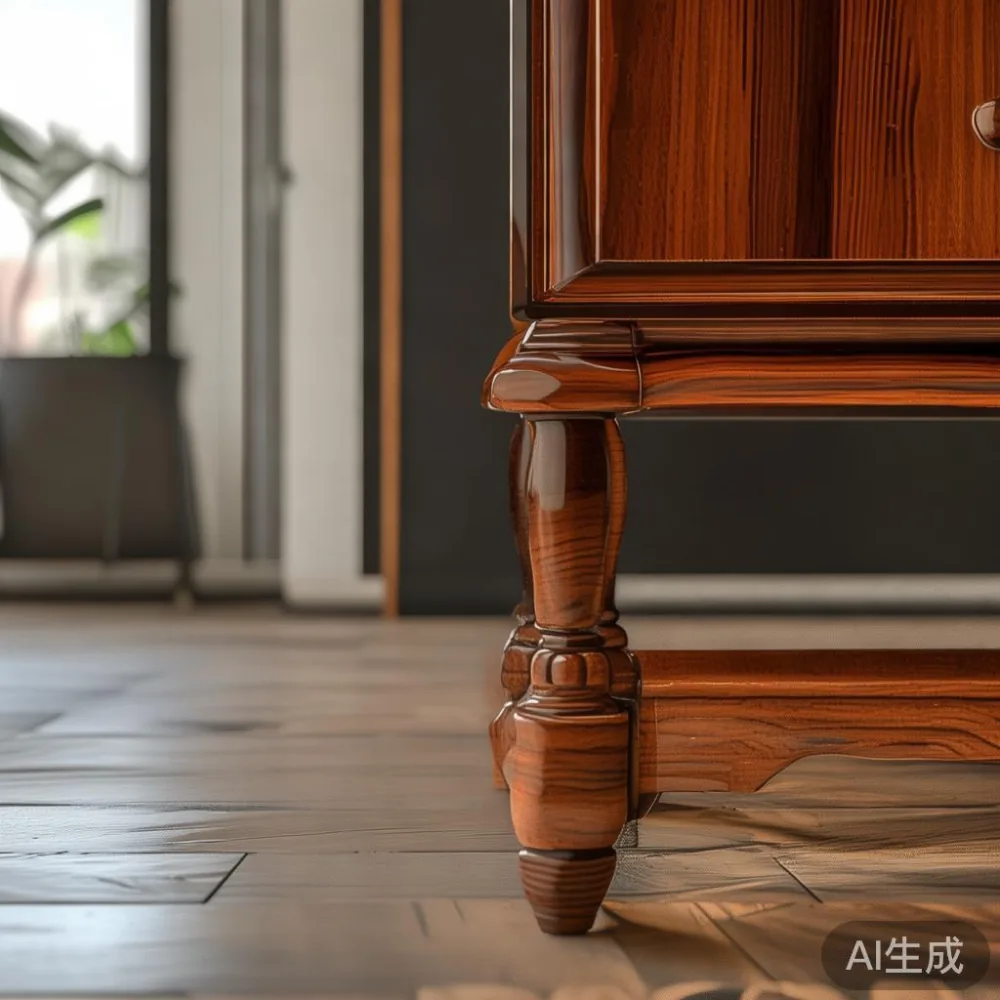
How do I choose a outdoor patio for a condo?
Pick a patio set rated for marine-grade exposure, with powder-coated aluminium frames at least 1.2 mm wall thickness, sintered stone or UV-stabilised polywood tops, and quick-dry foam wrapped in 300 gsm solution-dyed acrylic covers. Match the footprint to your balcony, not to the showroom floor: measure the tiled area after the cornice line, deduct 60 cm for walking space, and aim to leave at least 90 cm of clear passage to the service yard gate. For most Singapore condos, that gives a comfortable 1.4 m × 0.8 m zone, enough for a two-seater and a 50 cm side table without crowding.
The same care logic extends indoors. A lacquered shoe cabinet placed near the patio door is in effect indoor-outdoor furniture in microclimate terms. Keep it 30 cm back from sliding doors, and never where morning condensation from an air-con unit drips onto the top panel. Drainage and airflow matter more than the brand name on the invoice.
Weekly Care Routine (10 Minutes, SGD 0 Per Session)
Tools: one microfibre cloth (300–400 gsm, washed without fabric softener), one spray bottle with 250 ml of distilled water, three drops of pH-neutral dish soap. That is the whole kit. Avoid silicone polishes, wax build-ups, and any cleaner labelled "degreaser" — they strip the lacquer within weeks.
Step 1. Dry-dust the cabinet, including the top, sides, and the 2 cm gap between the cabinet and the wall where lint collects. Pay attention to the recessed channel of the door pull; grit here scratches the adjacent face when the door swings.
Step 2. Lightly mist the cloth, not the cabinet. Direct spray drives moisture into joints and under the lip of the kickboard. Wipe in straight lines, not circles. Circles leave visible trails under raking light from a window.
Step 3. Buff dry with a second cloth within 60 seconds. Any moisture left on a lacquer film for longer than two minutes in a non-air-conditioned corridor can leave a temporary blush that becomes permanent after fifteen to twenty repeat cycles.
For shoes that leave rubber scuffs (trainers, Crocs, school shoes with black soles), a clean melamine foam eraser, used gently, lifts the mark without damaging the film. Test on the inside of a door first. The inside of a door is the single best test patch in any piece of furniture: same lacquer batch, same spray pattern, but hidden from view.
Monthly Care Routine (20 Minutes, SGD 0–15)
Once a month, do the weekly routine plus three extra jobs.
Job 1. Inspect the four bottom edges and the top rear edge, where condensation runs. Run a fingernail gently along the joint: if you feel a raised lip, the lacquer has micro-lifted. Catch it early, and a furniture touch-up pen (about SGD 9–14 in Tampines Mall) blends the edge before the lift spreads. Ignore it, and the panel needs sanding and re-spraying within a year, which a workshop will quote at roughly SGD 180–280 per door.
Job 2. Tighten the door hinges. A 4 mm Allen key, two minutes per hinge, restores alignment so doors do not rub the frame. Rubbing wears through 15–25 microns of lacquer in a single year, and once the sealer shows through, the damage is not reversible at home.
Job 3. Rotate the shoe layout. Heavy boots at the front pull the shelf slightly forward; sandals at the back cause uneven wear on the back rail. Spreading weight evenly protects the cabinet from racking, and protects the lacquer because the geometry stays true.
What Should I Do If My Cabinet Is Near the Kitchen or Service Yard?
Kitchen proximity is more dangerous than most owners realise. Cooking vapour carries microscopic oil droplets 2.5–3.5 m from the hob, and oil bonds to lacquer faster than dust. A shoe cabinet placed opposite a kitchen opening, even 2 m away, will develop a slightly sticky feel within six weeks. Wipe the facing side weekly with a cloth lightly dampened in a 1:10 mix of isopropyl alcohol and distilled water, then buff dry. The alcohol cuts grease, the water carries it off, and 10 % concentration is gentle enough not to cloud the finish. Skip the alcohol pass on water-based lacquers without testing first; isopropyl at higher than 15 % can soften water-based films.
For service yards, the threat is splash. A spin cycle ejects water droplets that travel 80–120 cm. A simple 5 mm rubber door stop on the cabinet's base, costing SGD 4, stops capillary water from wicking under the kickboard. Better still, place a 90 × 60 cm absorbent mat inside the yard doorway for SGD 12–18 and replace it every four months.
Households in newer BTO flats from 2020 onwards, such as those in Punggol Northshore or Tampines GreenRidg, often have a dry kitchen separated from the wet kitchen. Place the shoe cabinet on the dry kitchen side if possible. Two metres of separation and a closed door reduce vapour exposure by roughly 60–70 %.
How Long Should a Quality Lacquered Shoe Cabinet Last?
A well-made cabinet, with proper care, should give 12–18 years of daily use before any visible refinishing is needed. A budget cabinet with a 25–40 micron lacquer coat over thin MDF may need replacement or full re-spraying at year 5–7. The thickness of the lacquer film is the single biggest predictor of lifespan, and it is also the spec most brands do not publish. As a buyer, you can feel the difference: run a fingernail gently along a sample edge in a showroom. A thick, well-cured film feels like a hard plastic pen cap. A thin film feels like a candle.
For households looking for a French light luxury or American light luxury aesthetic, the trend is towards soft-matte and low-sheen finishes in putty grey, bone white, and warm greige. These hides dust better than piano-gloss, but the same care rules apply. Post-modern light luxury designs, with curved doors and integrated pulls, are more sensitive to impact damage near the curves, so a felt bumper on every shoe heel becomes a small but worthwhile habit.
If you are choosing a cabinet for a rental unit — say, a European wardrobe for rental near an MRT in a high-turnover area such as Jurong East or Woodlands — pick a finish that forgives scuffs. A textured low-sheen lacquer in a mid-tone tolerates tenant wear better than a high-gloss white, and touch-up is invisible on texture.
When to Call a Professional (and What It Costs in SGD)
Three situations call for a workshop rather than a cloth:
1. A cloudy patch larger than a 50 cent coin. This is moisture blush in the film, not on it, and home polishing will not fix it. A workshop will sand with 1500–2000 grit, then buff with a fine compound, then re-seal. Expect SGD 90–160 per panel, with the cabinet usually collected and returned within 5–7 working days.
2. A crack longer than 8 cm along a door edge. Cracks travel along the path of least resistance, which is the wood underneath. Stop the crack by filling with a colour-matched lacquer stick (SGD 12–22 in hardware stores) and call a workshop within the month for a permanent repair at roughly SGD 140–220 per door.
3. Yellowing on a white or pale grey finish. This is UV-driven resin breakdown, irreversible without sanding. A full re-spray in a dust-controlled booth costs around SGD 480–760 for a two-door cabinet, depending on the size and the number of coats. For a high-end piece, the cost of re-spraying is often less than the cost of a new cabinet, especially when the cabinet is part of a coordinated set with a solid wood sofa, bed frame, dining table, wardrobe, and nightstand in the same room.
How Delivery and Installation Affect the Finish
Singapore HDB corridors are tight. A typical three-door cabinet in flat-pack form measures 120 × 45 × 18 cm per carton, and a fully assembled unit can be 180 × 40 × 110 cm. A professional delivery team with a tail-lift truck and a two-man crew usually takes 12–25 minutes per floor, including the 90-second wait at the lift. Watch the team for two things: whether they remove watches and belts before carrying panels (metal scratches lacquer in one pass), and whether they rest panels on a blanket rather than on the corridor floor tile. A blanket costs the team SGD 8, and it prevents 90 % of transit marks.
Most brands, including MIDHILL, ship with edge protectors, foam corners, and a corrugated sleeve. Leave the protectors on for the first 30 minutes after positioning so the film can acclimatise to your room's temperature. Pulling them off immediately can cause condensation under the protector, which leaves a temporary water ring.
If your block has a narrow lift under 1.0 m deep — common in older blocks in Bedok Reservoir and Toa Payoh — request a flat-pack delivery rather than pre-assembled. Flat-pack cartons fit a 0.9 × 0.9 m lift with 2 cm to spare, and the on-site assembly reduces the risk of transit damage by roughly 40 %. Allow 45–75 minutes for on-site assembly by a two-person crew.
Five Habits That Keep Lacquer New for a Decade
1. Maintain indoor RH between 45 % and 60 % with a small dehumidifier in the wardrobe area. A 12 L/day unit suitable for a 10 m² zone costs SGD 189–289 and pays for itself by protecting every lacquered piece in the room, including any adjacent marble table where condensation can etch the polish.
2. Keep cabinet doors open for 10–15 minutes after a wet day so the interior dries. A closed, damp cabinet is the single fastest path to mould on the back panel and bubbling on the door face.
3. Use a doormat at the HDB unit entrance. Eighty per cent of the grit that ends up on a shoe cabinet shelf walked in on a sole. A 60 × 90 cm mat at SGD 25–45 catches the worst of it.
4. Recoat high-touch zones every 3–4 years with a wipe-on water-based polyurethane. A 250 ml bottle costs SGD 18–28 and refreshes the sacrificial layer without changing the sheen.
5. Keep receipts, spec sheets, and the warranty card. MIDHILL and similar makers offer structural warranties of 10 years, lifetime refinishing support on certain ranges, and a 14-day return window. Having the paperwork means a small blemish can be fixed under warranty instead of out of pocket.
A lacquered shoe cabinet is one of the hardest-working pieces in a Singapore home. It is opened four to eight times a day, kicked occasionally by school shoes, splashed by monsoon rainwater tracked in on a school bag, and stared at by guests in a 12 m² HDB living room. Treat it the way you would treat a solid wood dining table or a marble coffee table — small, regular, gentle — and it will quietly outlast trends, tenants, and three rounds of renovation.