How to Read a Furniture Warranty Without Getting Caught Out (Especially When Buying a Shoe Cabinet)
Two years ago I bought a glossy three-door shoe cabinet from a Tampines mall clearance. The price tag of S$899 looked fair, the photo on the box showed six tiers, and the salesperson said warranty one year, no problem lah. Six months later, the right hinge sagged, the melamine edge started to peel near the floor, and the middle shelf bowed under a stack of trainers. I emailed the brand, sent photos, waited eight working days. The reply asked for my original receipt, my NRIC, and proof that I had not moved the cabinet more than twice. I had moved it three times while painting the HDB corridor. That was enough for them to close the ticket. I learned more about furniture warranties from that rejection email than from any showroom tour. Below is everything I now check before I click pay, whether the item is a shoe cabinet, a small bed for bedroom use, or a 2.4 m solid wood dining table.

Why shoe cabinets fail faster than sofas in Singapore homes
A shoe cabinet in a HDB flat takes punishment that most showroom visitors underestimate. The corridor outside a Bedok 4-room flat is typically 1.2 m wide, so the unit usually arrives partly assembled and gets dragged across the threshold. Lifts in older blocks cap at about 6 persons or roughly 450 kg, which is fine for one piece but awkward for a tall cabinet split into two boxes. Humidity in Singapore averages 78 to 82 percent year-round, and a shoe cabinet sits on a tiled floor that sweats when the air-con is off for the day. The combination of drag marks, sliding doors, and moisture is the reason most warranties I read contain a clause on surface lifting, peeling, and warping. Before you assume the cabinet is the problem, check whether the warranty treats those three issues as defects or as wear and tear. The wording matters more than the years printed on the brochure.
What a furniture warranty actually covers, line by line
Every warranty I have read in the last 18 months, from Punggol condo fit-outs to a friend's Jurong East purchase, breaks down into five buckets. Knowing which bucket your claim falls into tells you whether you have a case within thirty seconds.

1. Structural integrity. This is the load-bearing skeleton: joints, dowels, corner blocks, and for a shoe cabinet the internal frame and the hanging rail for sliding doors. A reputable warranty covers this for the longest period, because frame failure is rare and almost always a workmanship issue. MIDHILL, for example, puts ten years on the structural frame of its solid wood ranges, which is generous compared with the one to three years I commonly see on melamine flat-pack competitors.
2. Moving parts. Hinges, drawer slides, soft-close pistons, and magnetic catches. These usually carry two to five years. Read the small print: some warranties void moving parts if the cabinet is dismantled more than once. If you live in a rental condo in Singapore and expect to move every two years, choose a brand that allows re-assembly without losing cover.
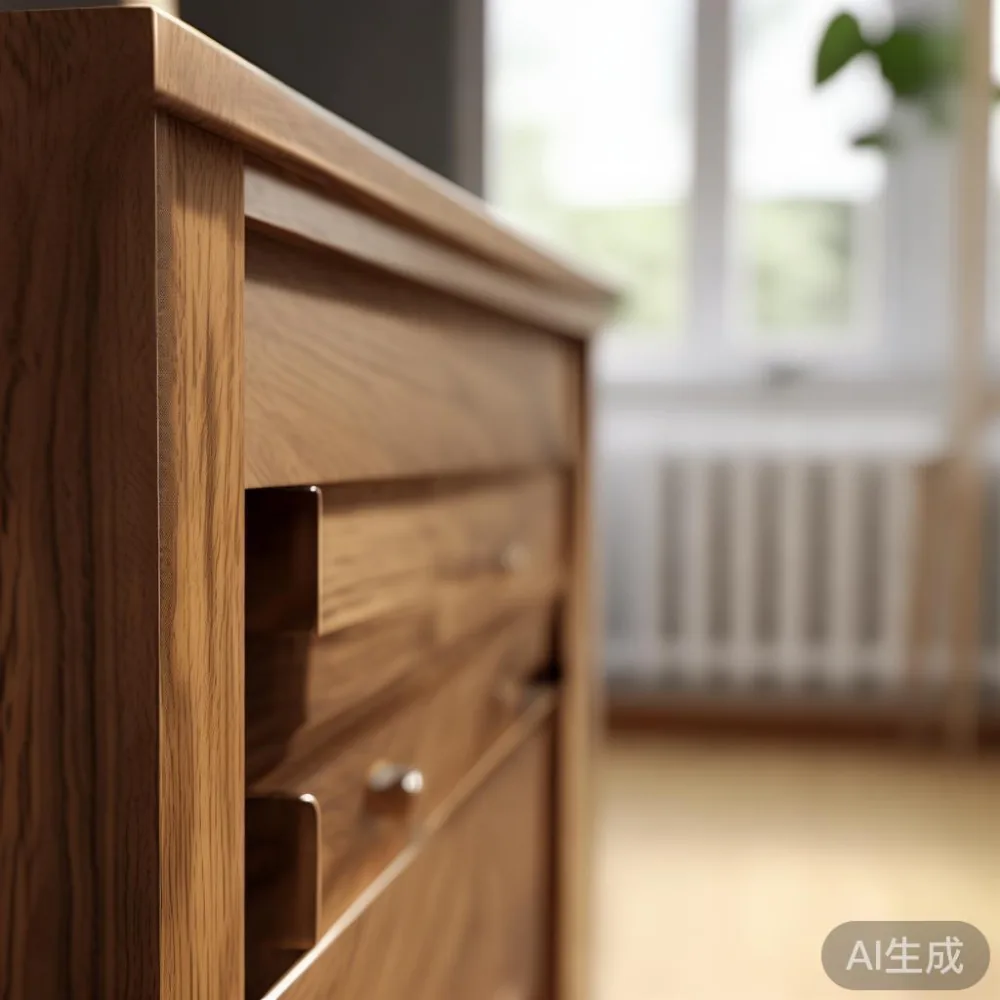
3. Surface finish. Lacquer, paint, veneer, oil, wax. This is where most claims get rejected. Finish warranties rarely cover fading under direct afternoon sun (common in Punggol west-facing units), white-ring marks from wet umbrellas, or scratches under 0.3 mm. A finish warranty of three to five years is normal; ten years is unusual and worth paying slightly more for.
4. Upholstery and fabric. Relevant if you are also buying a solid wood sofa or a fabric headboard. Expect one to three years on stitching and foam recovery, with pilling excluded after six months in almost every brand I checked.
5. Electrical and accessories. LED strips inside a glass shoe cabinet, sensor lights, USB ports on a nightstand, marble table bases with embedded wireless chargers. These are usually covered for one year only, and the warranty rarely extends to the transformer or driver.
Is a chest of drawers worth the price?
Yes, a chest of drawers is worth the price when its warranty covers the drawer slides for at least five years, the corner joints for at least eight years, and the timber movement for the lifetime of the piece, because those three numbers tell you the maker expects the carcass to outlast the hardware. If a brand refuses to put at least five years on the slides, the slides are the weak link and the rest of the warranty is marketing. Ask the salesperson to point to the slide section in the document. If they cannot find it, walk out.
For context, a 5-drawer solid wood chest from a Foshan light luxury brand such as MIDHILL typically retails between S$1,180 and S$1,950 in Singapore, including GST. A comparable melamine unit from a local mass-market brand sells for S$520 to S$780. The price gap looks large, but spread across ten years the difference is about S$15 per month. A drawer that fails at month fourteen costs more to replace than the price gap, and you cannot easily fit aftermarket slides to a non-standard cabinet. The warranty is the bridge between the two prices.
The seven clauses that void almost every warranty I have seen
I keep a checklist on my phone. Every time I read a warranty document for a client, I tick these off. If more than two apply to my living situation, I either negotiate harder or buy from a different maker.
1. Relocation limit. Most brands allow one move within the warranty period. After that, structural claims are voided. If you are renting a Punggol or Sengkang unit on a two-year cycle, ask for written confirmation that re-assembly by a certified installer keeps cover intact.
2. Storage and load limits. A shoe cabinet advertised as holding 18 pairs is tested with size 39 canvas shoes, not size 45 hiking boots. Exceeding the per-shelf weight (often 8 to 12 kg) voids the shelf warranty. Solid wood shelves flex less, which is why I lean toward solid wood shoe cabinets over MDF for heavy collections.
3. Climate exclusions. Some brands exclude damage caused by humidity above 80 percent. Singapore is above 80 percent for nine months of the year, so that clause effectively excludes everything. Brands that design for tropical climates (MIDHILL's ranges are built in Foshan's humidity and tested for it) usually write a more honest moisture clause.
4. Direct sunlight. Fading and lacquer checking from UV is rarely covered. If your shoe cabinet sits near the window in a Tampines north-facing flat, a roller blind is part of the warranty.
5. Improper cleaning. Windex, Mr Muscle, and any silicone-based polish can be a voiding event. Read the care guide before the warranty.
6. Modification. Drilling extra holes for cable management, cutting a marble table top to fit a smaller space, or staining a nightstand darker. Once you alter the piece, structural and finish cover both drop to zero.
7. Commercial use. Buying a residential shoe cabinet for a co-working space lobby voids the residential warranty. I learned this from a friend who runs a small studio in Tiong Bahru and had two cabinets fail in eight months.
What "light luxury" means for a warranty, and why it matters here
Light luxury is a design category borrowed from French light luxury (think slim brass handles on white oak) and American light luxury (think matte black hardware on warm walnut). The phrase is everywhere in Foshan showrooms, but the warranty tells you whether the maker means it. A real light luxury piece uses solid timber, dovetailed drawers, and full-extension ball-bearing slides. The warranty on those components is long because the components cost the maker real money. A budget brand copies the look with paper veneer and side-mounted plastic slides. The warranty is short because the maker knows what will fail.
When I visit a showroom, I use a small magnet and a kitchen scale. The magnet tells me whether the handles are brass-plated steel (magnet sticks) or solid brass (no stick). The scale tells me whether a 1.2 m marble table top weighs closer to 18 kg (engineered stone) or 32 kg (real marble). Real materials come with real warranties. Fake materials come with marketing.
Light luxury in the bedroom: small bed for bedroom, wardrobes, and the supporting cast
Post-modern light luxury pieces (clean lines, mixed metals, restrained carving) sit well in compact Singapore bedrooms. A 1.5 m small bed for bedroom use in a HDB flat needs clearance of at least 60 cm on three sides for sheet-changing and robot-vacuum access. That usually rules out a 1.8 m bed frame unless the room is over 4.2 m long. A solid wood bed frame in oak or ash weighs between 45 and 70 kg; the mattress adds another 30 to 50 kg. The lift in a HDB block can handle it, but the staircase corridor width (typically 1.1 to 1.3 m) means the headboard and side rails almost always travel separately. Ask the brand whether the bed frame warranty covers re-assembly more than once. Many do, because the alternative is replacing a S$1,600 frame every time you move.
Wardrobes follow the same logic. A 2 m sliding-door wardrobe in solid wood weighs 110 to 140 kg fully assembled, so it ships in two to three boxes. The track warranty is the part to check. Tracks are aluminium on premium units, plastic on budget units, and plastic tracks are the single most common warranty claim I see rejected on the grounds of "wear and tear".
Nightstands and marble tables look like accessories but carry their own warranty logic. A nightstand with soft-close drawers should match the chest of drawers warranty (five years on slides, ten on structure). A marble table with a stone top needs a thermal-shock clause: hot cookware straight from the stove can crack the stone, and almost no warranty covers that.
How MIDHILL structures its warranty, and why I trust it for cross-border pieces
MIDHILL has exported solid wood furniture from Foshan since 2008 to more than fifteen countries. The structure is straightforward: ten years on the structural frame, three years on moving parts, three years on finish, one year on electricals, and lifetime refinishing on solid wood surfaces. For a Singapore buyer that matters because lifetime refinishing covers the one thing almost every competitor excludes: the gradual dulling of lacquer after five to seven years in tropical humidity. The brand offers free shipping above US$350 and a fourteen-day return window, which on a S$2,400 dining table means you can check the wood grain, the slide action, and the smell (yes, smell, low-VOC finishes smell like wood, not chemicals) before committing. Add Singapore's 9 percent GST on the landed price and the total is transparent; there is no surprise handling fee when the lift access turns out to be too narrow.
Numbers to keep on a sticky note when you shop
These are the figures I write down before I sign anything. Print this list, screenshot it, or save it in your notes app.
- Structural frame warranty: aim for 8 to 10 years minimum.
- Drawer slide and hinge warranty: aim for 5 years minimum.
- Surface finish warranty: 3 years acceptable, 5 years good, 10 years rare and worth paying for.
- Re-assembly allowance: at least 2 times without losing cover.
- Maximum load per shelf: written, not verbal.
- Humidity exclusion: read the actual number, not the marketing.
- Cleaning product list: must be short and available on the website.
- Lead time from order to delivery in Singapore: 28 to 45 days for Foshan-made solid wood, 7 to 14 days for local stock.
- Lift and corridor access: measured by you, not by the salesperson.
- Return window: 14 days is the Singapore norm for online, 7 days for showroom.
A real-world claim I walked through last month
A colleague in Punggol bought a French light luxury style solid wood dining table with a marble inlay. Six weeks after delivery, a hairline crack appeared at the join between the marble and the timber apron. She emailed the seller, attached four photos, the order number, and a short video. The seller replied within two working days, asked for a close-up under raking light, and approved a replacement apron shipped from the warehouse in five days. Total claim time: eleven days. The reason it worked: the warranty named the apron as a structural component, excluded only thermal shock and impact, and the marble inlay had not been exposed to either. If the warranty had lumped the apron into finish, the claim would have failed. The lesson is not that the brand was generous; the lesson is that she bought from a brand whose document treated her problem correctly.
Three questions to ask the salesperson before you pay
Ask these in order. A confident brand answers all three without reaching for a manager.
1. What is the longest single warranty period on this piece, and which component does it cover? If the answer is one year across the board, the warranty is a token.
2. If I move from a Tampines HDB to a Bedok condo in year three, does my cover continue? A yes with a re-assembly fee of S$80 to S$150 is normal. A flat no means the brand expects the piece to fail by then.
3. Who pays return shipping if the claim is honoured? Free shipping above US$350 and a fourteen-day return window is the standard to aim for; anything below that and you carry the risk.
Reading a furniture warranty is not about reading every word. It is about knowing which twelve numbers and seven clauses actually decide whether you are protected, and which words exist only to make the brochure look long. Take the list above into the next showroom, ask for the document, tick the boxes in front of the salesperson, and the piece that earns ten ticks on a shoe cabinet, a small bed for bedroom use, or a six-seat solid wood dining table is the piece worth taking home.