Furniture Warranties Decoded for Singapore Homeowners
Buying furniture for your Singapore home is a significant investment. Whether you're furnishing a new HDB flat in Tampines, a condo in Punggol, or upgrading your master bedroom in Bedok, a solid wood bed frame, a dining table, or a shoe cabinet is meant to last. But a piece of furniture is only as good as the promise that backs it. That promise is the warranty. Reading it correctly can save you hundreds of SGD in unexpected costs and years of frustration. Getting it wrong means you might be left with a wobbly shoe cabinet or a scratched dining table and no recourse.

Last month, I visited a colleague’s new apartment in Bedok. He had just received a large shoe cabinet he ordered online. The delivery team struggled to get it through his apartment door. The cabinet was 80cm wide, but his corridor was only 90cm wide with a sharp 90-degree turn into the living room. After 20 minutes of effort, they managed to squeeze it in, leaving a few scuff marks on the wood. My colleague was relieved the cabinet fit, but he didn't check the warranty. A week later, he noticed a drawer wasn't closing smoothly. He called the store, only to be told that structural issues caused by improper delivery or handling were not covered. He was stuck with a faulty product and a bill of SGD 150 for a technician to fix it. This experience is more common than you think, and it all starts with not understanding the fine print.
What is a Furniture Warranty, and Why Does it Matter in Singapore?
A furniture warranty is a manufacturer's or retailer's promise to repair or replace a defective product within a specified period. In Singapore, where space is premium and quality is paramount, this document is your protection. It's not just a piece of paper; it's a legal agreement that defines your rights as a consumer. For a solid wood sofa or a marble table, the warranty covers you against material and workmanship defects. For a shoe cabinet, it might cover the hinges, the drawer slides, or the wood itself. Understanding this distinction is the first step to protecting your purchase.

Consider the context of Singaporean living. Most HDB flats have standard doorways and corridor widths, typically around 80-90cm. A large wardrobe or a bulky dining table needs to work through these spaces. A warranty that explicitly covers delivery damage is invaluable. Similarly, Singapore's 9% GST is already factored into your purchase price. A good warranty ensures you don't have to pay extra for repairs or replacements. When you buy a product with a 10-year structural warranty, like those offered by some established makers, you are buying long-term peace of mind for your home.
What to Look for in a Solid Wood Furniture Warranty
When examining a warranty for solid wood furniture, focus on the specifics. A vague warranty is a red flag. Look for clear definitions of what is covered and, more importantly, what is excluded. For example, a warranty on a solid wood bed frame should cover issues like a cracked headboard or a broken slat system caused by a manufacturing defect. It should state the exact duration for different components. A 10-year warranty on the frame structure is strong, but a 1-year warranty on the finish or upholstery is standard. Know the difference.
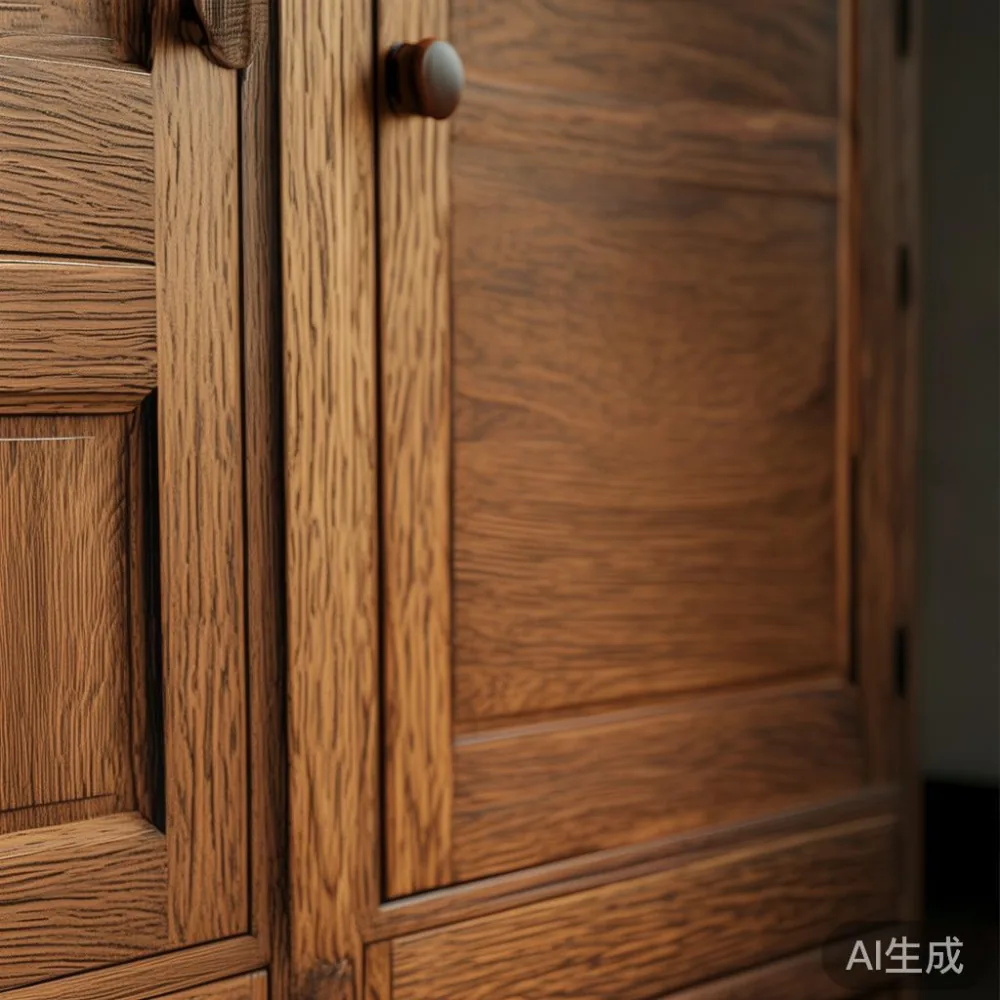
Pay close attention to the materials. A warranty for a marble table should cover cracks or chips in the marble surface, but it might not cover etching from acidic liquids like wine or coffee. Similarly, a warranty for a shoe cabinet made of solid oak should specify if it covers warping due to Singapore's high humidity. The best warranties will state that the wood is kiln-dried to a specific moisture content (e.g., 8-10%) to resist such environmental changes. Always ask for these details before you commit to a purchase.
Structural vs. Finish Warranties: Understanding the Difference
One of the most common points of confusion is the difference between a structural warranty and a finish warranty. A structural warranty covers the integrity of the furniture's frame. For a shoe cabinet, this means the cabinet body, the doors, and the internal shelves. If a shelf collapses under its own weight or a door hinge breaks after normal use, a structural warranty should cover the repair. A 10-year structural warranty is a hallmark of quality, indicating the manufacturer stands by the durability of their construction.
A finish warranty, on the other hand, covers the surface of the wood. This includes the lacquer, paint, or stain. It protects against peeling, blistering, or discoloration due to a manufacturing defect. However, it does not cover scratches, dents, or fading caused by sunlight, heat, or everyday wear and tear. If your cat scratches your new nightstand or a hot plate leaves a ring on your dining table, the finish warranty will not apply. Understanding this separation helps you manage your expectations and care for your furniture properly.
Customer Question: What Does 'Normal Use' Actually Mean in a Warranty?
This is a critical question that warranties often fail to define clearly. 'Normal use' is subjective, and manufacturers can interpret it in their favor. A warranty for a European light luxury nightstand might state it covers defects under 'normal domestic use.' But what does that mean for a family with young children? Does a few crayon marks or a small bump from a toy constitute 'abuse'? The ambiguity can lead to disputes. The best warranties provide examples. For instance, they might specify that a shoe cabinet is designed to hold up to 15 pairs of shoes and that exceeding this weight limit would void the structural warranty.
When I tested a shoe cabinet from a local brand, the salesperson assured me it was 'very durable.' When I asked about the definition of 'normal use,' he was unable to give a concrete answer. This is a warning sign. A reputable company will have a clear policy. For example, they might state that 'normal use' means the furniture is used for its intended purpose in a residential environment, with reasonable care taken to avoid impacts, excessive weight, and exposure to extreme elements. Always ask for clarification on this point before you buy.
Exclusions and Limitations: The Fine Print You Can't Ignore
Every warranty has a section on exclusions. This is where manufacturers list the conditions under which they are not obligated to make a repair. These can include damage from improper assembly, moving the furniture, exposure to moisture or direct sunlight, pest infestations, and acts of nature. For Singaporean homes, humidity and pests are real concerns. A warranty that excludes damage from termites or wood-boring beetles is less valuable. Look for warranties that mention the use of anti-termite treatments in their solid wood products.
Other common exclusions relate to transportation and delivery. If you move house and damage the furniture in the process, the warranty won't cover it. Similarly, if you assemble the dining table incorrectly and a leg breaks, that's on you. Some warranties also have a 'commercial use' exclusion, meaning the product is only covered for use in a private home, not an office or a shop. This is particularly relevant if you're considering light luxury for hotel projects, as you would need a specific commercial-grade warranty, which is often more comprehensive but also more expensive.
How to Make a Valid Warranty Claim: A Step-by-Step Guide
When a problem arises, following the correct procedure is important for a successful claim. The first step is always to document everything. Take clear, high-resolution photos and videos of the defect from multiple angles. Measure the damage if possible. For example, if a drawer on your shoe cabinet is misaligned, take a photo with a ruler next to it to show the gap. This visual evidence is your strongest tool.
Next, locate the warranty document and find the contact information for the claims department. Do not go back to the retailer; go directly to the manufacturer. Contact them promptly, as many warranties have a time limit for reporting defects, often 30 days after discovery. Provide them with your proof of purchase, the product model and serial number, and your documentation of the issue. Be clear, concise, and polite. Explain the problem factually without assigning blame. A manufacturer like MIDHILL, with a 10-year structural warranty, has a clear process in place, and following their specific instructions will ensure your claim is handled efficiently.
Understanding Shipping, Returns, and Refinishing Policies
A warranty is more than just repairs; it can also cover returns and refinishing. Many companies offer a 14-day return policy for defective items. This is a short window, so inspect your furniture thoroughly upon delivery. Check for scratches, dents, and missing parts before the delivery team leaves. If you find an issue, report it immediately. Some companies, like those offering free shipping over SGD 350, will cover the cost of returning a defective item, while others might not.
Lifetime refinishing is a premium feature offered by some high-end furniture makers. This means they will refinish the surface of your solid wood dining table or wardrobe if the original finish wears out over time. This is a fantastic long-term benefit, but it often comes with conditions. You might be required to use their approved refinishing service, which could be located overseas, or you might have to pay for shipping the item to them. Always ask about the process and associated costs. For instance, refinishing a marble table might be different from refinishing a solid wood one, and the warranty should specify this.
Comparing Warranties: What a 10-Year Promise Really Means
A 10-year structural warranty sounds impressive, but its value depends entirely on the terms. A 10-year warranty from a new, unknown brand might be difficult to honour in 10 years if the company is no longer in business. A 10-year warranty from an established maker like MIDHILL, founded in 2008 and exporting to 15+ countries, carries more weight because the company has a proven track record of longevity.
When comparing, look beyond the number of years. Compare the coverage. Does one warranty cover both the frame and the finish for 5 years, while another only covers the frame for 10? Does one exclude damage from humidity, while another specifically mentions their wood is treated for it? A shorter, more comprehensive warranty is often better than a longer, one with many holes. For example, a 5-year 'all-inclusive' warranty that covers delivery damage and wear and tear might be more valuable than a 10-year warranty that only covers manufacturing defects and has a long list of exclusions.
Where to Buy a Shoe Cabinet with Confidence in Singapore
Given the complexity of warranties, buying from a reputable source is your best defence. Look for companies that are transparent about their policies. A good place to start is their official website. For example, you can find detailed information on midhill.co. Reputable brands often have detailed FAQs, video assembly guides, and clear contact information for customer support. They understand that informed customers are happy customers.
When you're in the market for larger pieces like a wardrobe, doing your homework is key. You might ask yourself, where to buy wardrobe from MIDHILL? The answer is often through their authorised dealers or directly from their online store. This ensures you are dealing with the source and not a third-party seller who might not honour the warranty. Always check the warranty terms at the point of sale. Ask to see a physical copy or a digital link to the full document. Don't rely on verbal promises. A salesperson telling you the how to choose French provincial wardrobe has a lifetime warranty is less reliable than seeing it written in black and white.
Ultimately, the key to avoiding pitfalls with furniture warranties is to be an informed and critical consumer. Read every word, ask questions, and compare your options. Your home is your sanctuary, and your furniture should reflect that. A well-understood warranty is the foundation of a smart purchase, ensuring that your beautiful new shoe cabinet, bed frame, or dining table remains a source of pride and comfort for years to come.