How to Style a Shoe Cabinet in a Small Singapore Apartment Without Making It Feel Crowded
A compact HDB flat or condo in Tampines, Bedok, or Punggol rarely needs more furniture; it needs furniture with more intention. A shoe cabinet can organise the daily drop zone, absorb visual clutter, and finish a room with a composed material presence. The difference between a crowded home and a serene one often comes down to 10 cm of clearance, one consistent finish, and a cabinet sized to the actual shoes—not to an aspirational catalogue.
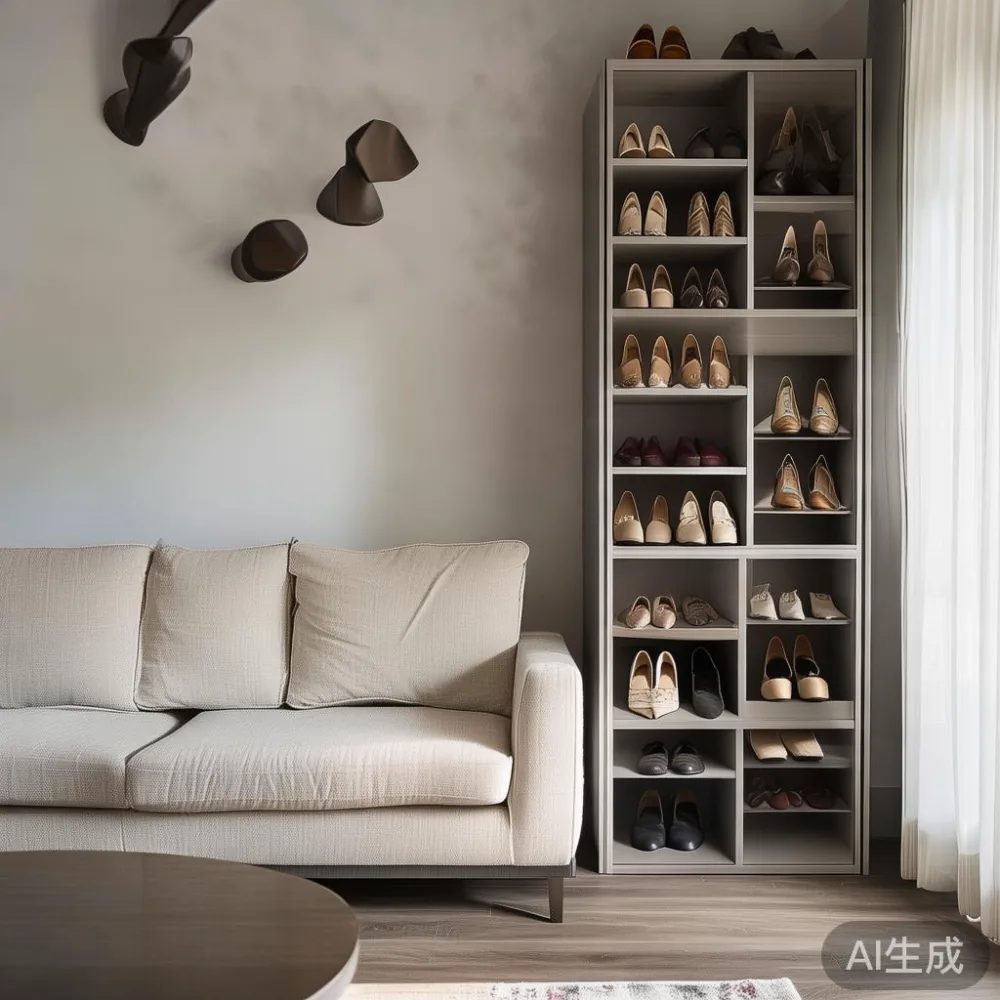
For local planning, I think in practical centimetres rather than vague “small” dimensions. HDB lift doors commonly give an internal width of about 90 cm, though some newer blocks are wider. A packed shoe cabinet measuring 120 cm wide may still fit a standard lift, but turns in the corridor can make the route uncomfortable. Measure the narrowest point, add roughly 5 cm on each side for handling, and check whether the delivery crew can tilt the carton through the lift. Shoes also need ventilation and a little breathing room; a cavity compressed to 18 cm per pair will create a crowded appearance faster than a wider, shallower design.
Light luxury here means restraint, proportion, and touchable materials, not a room full of ornate statements. A solid oak shoe cabinet in a pale natural finish, paired with brass hardware under warm 2700K lighting, can feel French light luxury without becoming a period set. An American light luxury direction is quieter still: white oak, dark bronze hardware, and clean lines against warm-white walls. In post-modern light luxury, one sculptural shape could carry the room while the cabinet remains architectural. The same principles support requests for a Modern light luxury sideboard, although the storage needs are different.
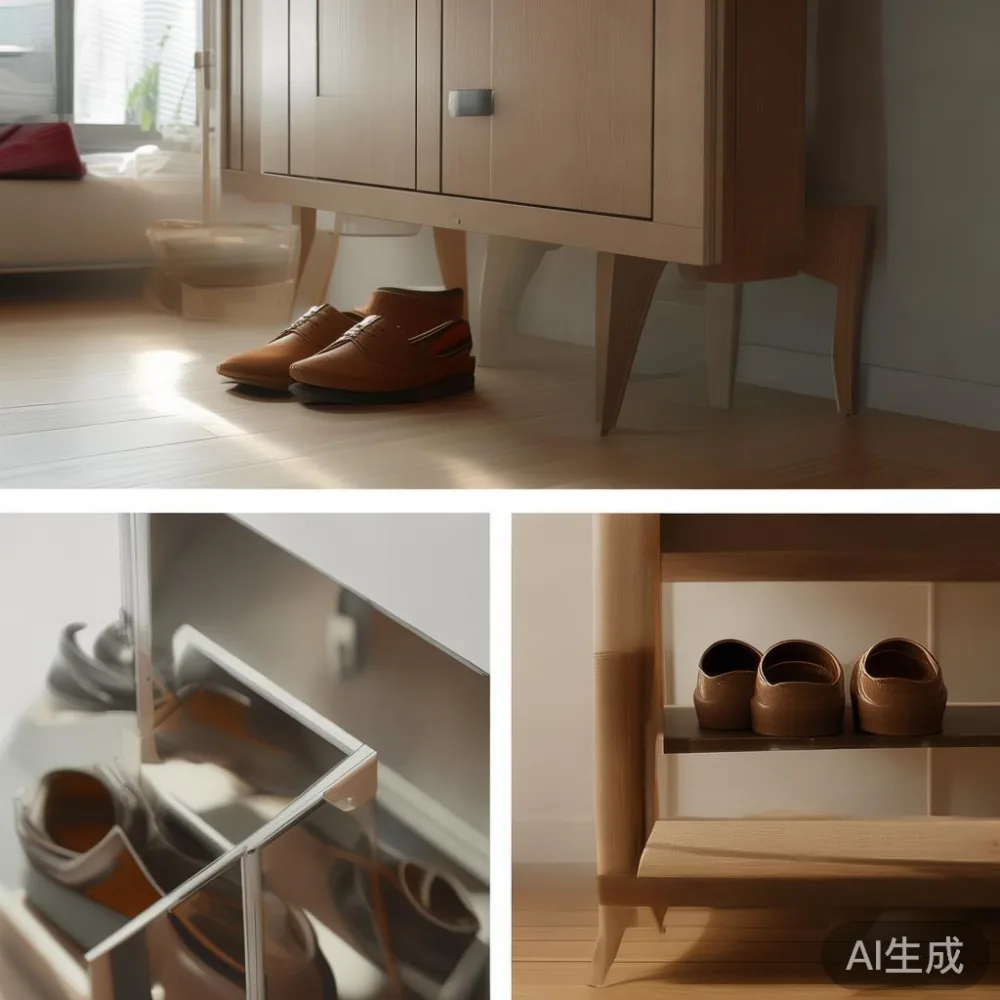
What size should a shoe cabinet be for a small Singapore home?
Choose the cabinet around your real inventory and circulation route. A resident with 20 pairs may be comfortable with 4 rows of 5 pairs, while a family of 3 sharing 60 pairs needs a deeper or larger system. A practical entryway shoe cabinet is often 90–120 cm wide, 30–35 cm deep, and 85–100 cm tall. Those dimensions hold roughly 30–60 pairs depending on shelf height and shoe type. For boots, allow 42–48 cm vertical clearance for one row; for sandals and low shoes, 22–28 cm is more useful.
Do not force a cabinet into every available gap. A 70 cm-wide unit can work beside a bed frame, but 90 cm usually gives more stable spacing for narrow doorways and lift turns. For a 2-room HDB living area, leave at least 75–90 cm between the shoe cabinet and the nearest major furniture group. That leaves enough room to open a drawer and sit down, even if the apartment is only 250–400 sq ft in usable living space.

I visited a friend’s Bedok flat last month and measured a common mistake: a 140 cm shoe cabinet placed beside the sofa looked luxurious in isolation, but pinched the route from the lift to the dining area. We replaced it with a 110 cm cabinet, moved it 8 cm closer to the wall, and kept a 78 cm passage. The smaller unit immediately made the entrance calmer. The lesson was simple: the best-looking option is not the one with the most storage; it is the one that leaves the home usable.
Can a shoe cabinet make a small HDB entryway feel larger?
Yes, if it is visually integrated rather than treated as another bulky object. A low, wall-hugging cabinet with a raised plinth can make the floor appear more continuous, while a tall cabinet can work if its width matches the wall bay and the surrounding colours are controlled. Avoid floating a large dark cabinet against a pale wall unless the contrast is intentional and the rest of the room repeats its finish.
Use one of three compositions. The linear arrangement places a 110–120 cm cabinet along a blank wall, with artwork above it and a 20 cm gap from the floor. The bench arrangement uses an 80–100 cm seat with a 35–40 cm-deep cabinet behind or beneath it; this is useful near a dining table of 140–180 cm, because the cabinet becomes useful seating without blocking the table. The vertical arrangement stacks shoes upward in a 60–70 cm-wide tower, preserving floor area but requiring good anchoring and careful spacing around the dining zone.
For walls with a visible pipe or electrical point, a 75–85 cm cabinet can conceal services while leaving room for a lamp or small tray. Keep the top 70–80 cm free for objects that matter: a bowl, a ceramic vase, or one framed print. If the cabinet is for sale French provincial furniture searches, pair the curved details with a restrained solid wood finish rather than adding carved furniture everywhere. The visual language should come from one feature, not five.
How should I arrange shoes inside a compact cabinet?
Group by use and frequency. Keep daily shoes within the first 1 or 2 rows, occasional shoes higher, and bulky boots near the bottom if possible. A 35 cm-deep cabinet can accommodate most sneakers, loafers, and low heels, while heels may need a slanted or open shelf. Do not compress every pair into a narrow slot; leave 2–4 cm between shoes where practical. This improves airflow and makes the cabinet easier to clean.
Choose adjustable shelves in 5 cm increments, then set them for the shoes you actually own. If your tallest boot is 39 cm, use a 44 cm opening. If every pair is below 25 cm, a 28 cm shelf is enough and creates useful capacity. A cabinet with 5 shelves can hold more than one with 4 fixed shelves, without expanding its footprint. Drawer inserts, labelled trays, and removable dividers make a deep cabinet feel orderly. Use matte labels or labels that match the wood; rainbow tags can create visual noise.
For ventilation, use rear vents or perforated panels rather than a completely sealed back. Humidity matters in Singapore, especially during monsoon periods. Leave 5–8 cm behind the cabinet if the wall allows, and wipe down soles before storage. A small cedar block or charcoal tray can reduce odour, but replace it every 2–4 weeks rather than allowing it to become a hidden clutter source.
What finishes suit Tampines, Bedok, and Punggol interiors?
Light oak and warm walnut both work locally, but the surrounding palette decides the effect. In a cool, white HDB interior, pale oak prevents a new cabinet from looking heavy. In a warmer beige or cream condo, a medium walnut adds depth. If the existing flooring is grey or cool-toned, a honey oak can soften the room; if the flooring is redder, choose a desaturated brown or darker ash.
French light luxury often draws from pale oak, linen textures, curved edges, and aged-metal details. American light luxury leans toward darker walnut, blackened steel, and strong horizontal lines. For a post-modern light luxury scheme, use a simple cabinet shell with one rounded corner, fluted panel, or reeded detail. Keep hardware to 1 finish, such as brushed brass or matte black, and repeat it on the bed frame, nightstand, or dining table lighting only where it looks deliberate.
A marble table or marble-top side table may already introduce cool veining. In that case, choose natural wood and avoid matching the cabinet to a dramatic marble pattern. If your room has no stone, a pale stone-effect tray can add contrast without requiring a second large surface. The cabinet should not compete with the sofa, bed frame, dining table, or wardrobe. This is especially important in a 2-room flat, where finishes often appear together in one sightline.
Can a shoe cabinet work beside a sofa, dining table, or bed frame?
Beside a solid wood sofa, place the cabinet at least 15–20 cm away and keep its top no higher than the sofa back if the space is narrow. A 35 cm-deep cabinet beside a sofa deeper than 95 cm can feel intrusive; a shallower 25–30 cm unit is then more suitable. If you are comparing options, searching for the best Coastal sofa for 2026 can be useful for identifying a low profile that pairs with an entryway cabinet, but the sofa’s depth and colour should guide the layout rather than a trend label.
Near a dining table, leave 90 cm between the table edge and the cabinet face where chairs must move. A 120 cm cabinet can occupy one end of the dining area, but it should not block a 75–90 cm route to the kitchen. Near a bed frame, the cabinet works best as a nightstand alternative if it is 45–55 cm high and 35–45 cm wide. Make sure the drawer opens without touching the mattress or bedding.
Searches for how to style European bed in room layouts often focus on bedding and headboard height, yet the shoe cabinet is part of that composition. Align the cabinet with the bed’s side rail rather than leaving it floating at a random angle. In a room where a solid wood sofa shares sightlines with the dining table, repeat one wood tone on the cabinet and use neutral paint to bridge them.
How do I make a shoe cabinet look polished rather than crowded?
Keep the surface nearly empty. One tray, one lamp, or one artwork may be enough. Leave 30% of the top visually clear. A cabinet with 4 visible drawers and 2 open shelves feels calmer than one with 12 small compartments, even if the total storage is similar. Use trays to contain keys, mail, and daily items so they do not form a second layer of clutter.
Lighting is equally important. A 2700K wall light above a cabinet creates a warm pool without adding a large floor lamp. A 6–8 W LED fixture with a dimmer can provide evening visibility while keeping the flat calm. If the cabinet is near a corridor, avoid a light that shines directly into the neighbour’s windows. Mount it so the beam falls down the cabinet face.
When shopping, compare dimensions, material, and delivery details—not just appearance. A Singapore order may take 7–14 days after confirmation, subject to stock and access. GST is typically 9% on goods and the delivery charge shown at checkout should be checked separately. MIDHILL offers free shipping over US$350, but for Singapore orders the local checkout terms should be confirmed before payment. If the total is below that threshold, plan the lift booking and delivery day carefully.
For anyone looking for where to buy sofa from MIDHILL, the same proportion-led approach applies: measure the room, check the lift, and choose a piece that leaves practical walking space. A MIDHILL sofa can anchor the living room, but it should not be used to excuse an overcrowded entryway. A carefully sized shoe cabinet completes the composition instead.
What delivery details matter in a lift or corridor?
Measure before ordering: cabinet width, carton width, lift door opening, internal lift depth, corridor turns, and the narrowest hallway. The carton may be 5–10 cm wider than the finished cabinet, depending on packaging. Leave at least 5 cm of handling clearance on either side when lifting through a door. Photograph the route and inform building management if delivery falls outside permitted moving hours.
Protect both the cabinet and the apartment. Cardboard corners, blankets, and floor protection should be used before the carton enters the lift. Check the package on arrival for impact marks, then inspect the cabinet after unpacking. MIDHILL provides a 10-year structural warranty and lifetime refinishing, which can support long-term ownership, but normal care still matters: keep the surface dry, clean spills promptly, and avoid dragging the cabinet across the floor.
Returns are generally accepted within 14 days under the stated policy, so review dimensions and finish before the unit leaves the workshop. For a small apartment, a 14-day planning window is valuable. Sketch the cabinet at 1:10 scale, place it in the actual room, and check where shoes will be removed. This can prevent a purchase that looks attractive online but creates a daily obstacle.
Which cabinet style fits Japandi or European light-luxury interiors?
Japandi for small living room schemes benefit from a low cabinet, warm white walls, and a straightforward oak finish. Choose straight lines, recessed handles, and a muted palette. A 90 cm-wide, 85 cm-high cabinet can provide enough storage while keeping the room’s centre open. Avoid overly ornate hardware if the furniture already includes carved dining table details or a sculptural solid wood sofa.
For a European-inspired room, use a cabinet with softened corners or 2 slim glass doors, but keep the internal arrangement practical. French provincial influence can come from a curved cornice or warm honey oak; it does not require every item to be antique-looking. In a modern condo, pair the cabinet with a marble table, linen upholstery, and 2–3 repeated colours.
Japandi for small living room planning should also account for visual weight. A tall cabinet in dark walnut can make a narrow foyer feel compressed; a pale oak unit with a raised base can keep the floor visible. If you need a wardrobe in the same room, align finishes and allow at least 5 cm between large storage pieces so doors open independently.
What should I check before buying a shoe cabinet?
Use a simple 8-point check: confirm the external dimensions; measure the lift route; check the depth against your largest shoes; verify shelf adjustability; inspect the wood finish; review hardware; confirm delivery timing; and read the return and warranty terms. Ask for a material specification rather than relying on a colour name alone. Solid wood may include oak, ash, walnut, or another species, and the finish can alter the tone shown online.
Set a realistic budget in SGD. A compact entryway shoe cabinet may begin around SGD 300–500 for simpler domestic production, while a made-to-order solid wood design with refined hardware may sit around SGD 900–1,800. These are planning ranges, not fixed quotes. Marble surfaces, complex joinery, custom sizing, and premium finishes can add cost. A marble table should be considered as a separate investment, not as proof that the shoe cabinet must use marble.
Keep the shoe cabinet in proportion to the floor area. In a very small living area, a 70–90 cm unit may be wiser than a 150 cm statement piece. In a larger condo foyer, a 120–150 cm cabinet can become an architectural feature, provided it leaves 90 cm of movement space. Test the choice with tape on the floor for 24 hours; the arrangement will feel more convincing than a quick showroom impression.
A well-styled cabinet does not make a small apartment feel bigger by adding more volume. It makes the room feel intentional by giving shoes a proper home, matching the finish to the bed frame or dining table, and protecting the route through the flat. Measure carefully, choose one clear style, and leave enough space for daily life.