Shoe Cabinet Price Factors: A Singapore Guide
Furniture prices are easy to misread. A shoe cabinet may look like a simple box, yet the difference between two quoted versions can be SGD 400 or more. A dining table can carry the same visible profile but weigh 35 kg more. The reason lies in timber, construction, hardware, finish, logistics, and the level of accuracy required to make each piece fit a home properly.
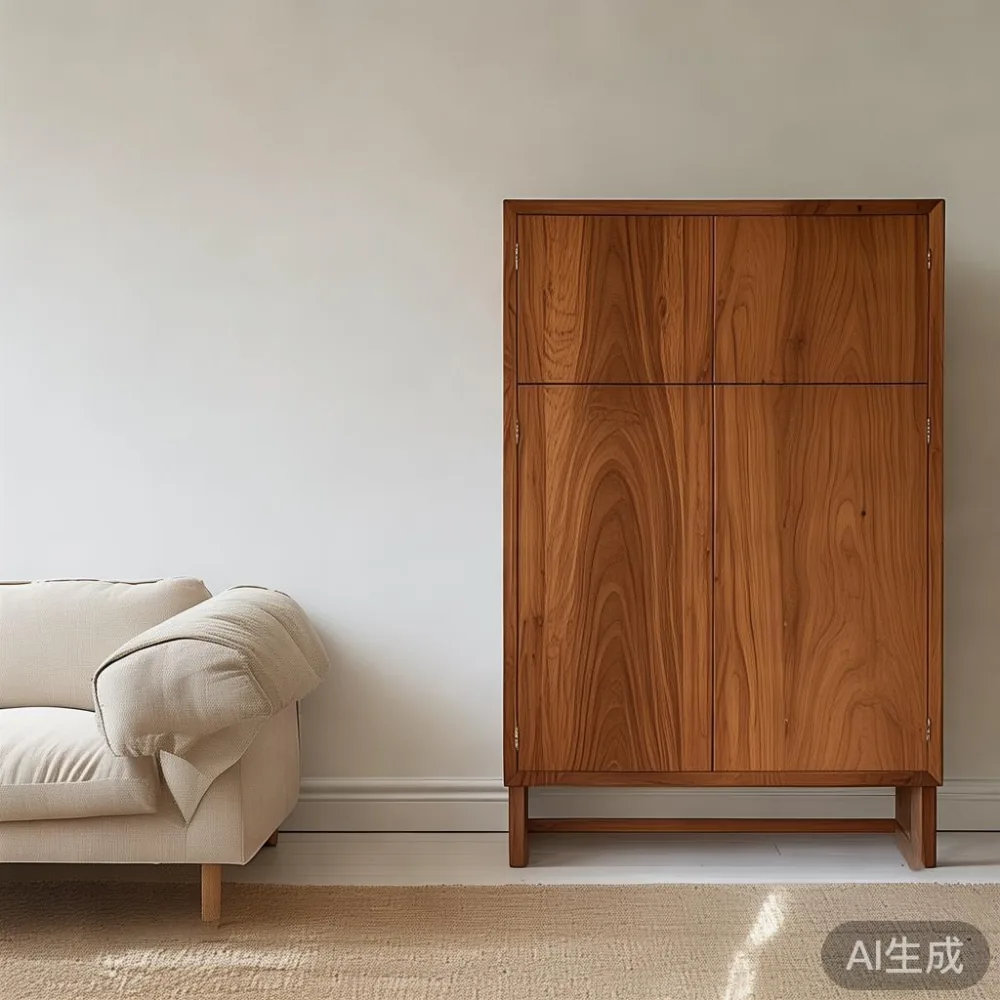
For Singapore households, those differences become practical questions. Will a 48 cm shoe cabinet clear a Tampines HDB lift? Can a 200 cm wardrobe turn through a Bedok condo corridor? Will the delivered piece include GST, and how many days will removal and installation take? Price is therefore not a single number attached to a design; it is a bundle of measurable decisions.
MIDHILL has made solid wood furniture since 2008 and exports to more than 15 countries. Its approach to shoe cabinets and other pieces is relevant to this discussion because material claims mean little without checking dimensions, construction, finish, and service terms. The company offers a 10-year structural warranty, lifetime refinishing, free shipping above US$350, and a 14-day return window, with prices below shown in SGD and GST where applicable.
Is solid wood automatically expensive?
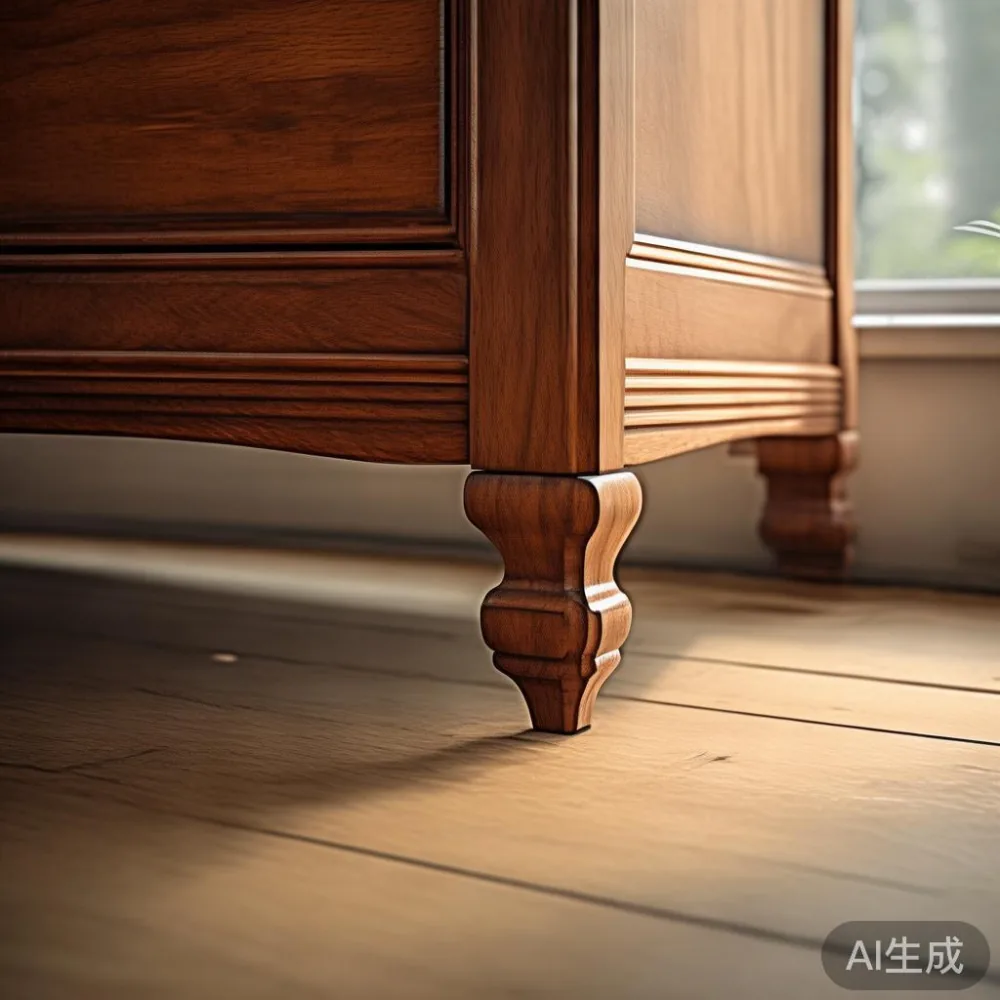
No. Solid wood describes the principal material, not the entire cost. A compact shoe cabinet made from 18 mm solid timber, simple rails, standard hinges, and a clearcoat may cost around SGD 290 before GST. A visually similar cabinet with a thicker frame, shaped drawers, concealed suspension, wider solid-wood panels, and a tougher finish may cost SGD 690 before GST.
The timber itself is one driver. Rubberwood, oak, ash, walnut, and other species have different prices, but the widest variation often comes from grading and cutting. A board selected for clean grain costs more to source than one accepted with small knots, colour differences, or short sections. Large, stable cuts also reduce waste during machining.
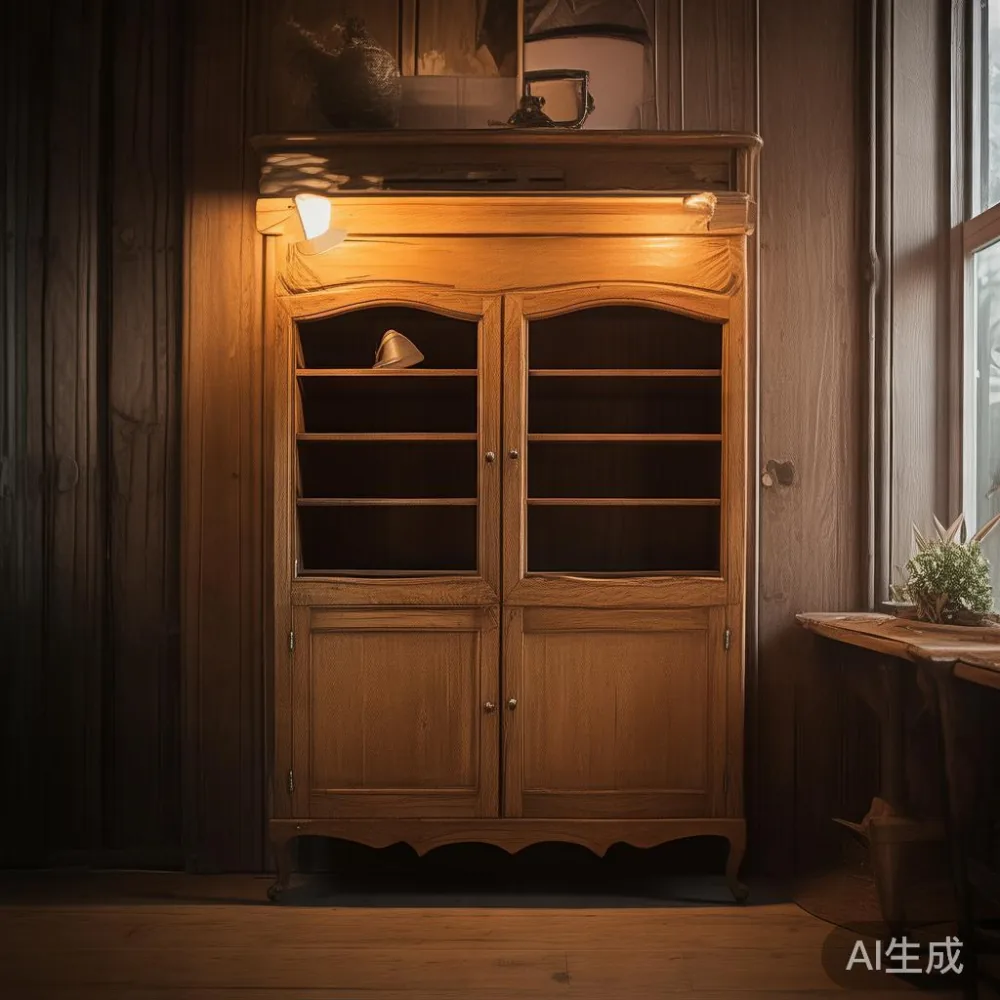
Panel thickness matters. Moving from 18 mm to 25 mm can increase timber use by roughly 39% before allowing for production losses. A shoe cabinet with 2 solid-wood drawers on quality runners may need about 24 kg of material; a larger unit with 5 drawers and a thicker top can weigh 42 kg. More material increases purchase, drying, machining, handling, and freight costs.
Construction is equally important. A factory-cut screw joint, dowelled joint, mortise-and-tenon joint, and corner block do not cost the same to produce or perform. For a shoe cabinet, the drawer boxes should run on runners sized for their load, while the carcass needs to resist racking. A premium is justified when the construction is documented, not merely labelled “premium”.
What determines the price of a shoe cabinet?
For a shoe cabinet, usable capacity and layout are stronger price indicators than decorative styling. A model measuring 80 cm wide, 35 cm deep, and 100 cm high may hold about 18 pairs in 2 tiers, depending on shoe length. A 120 cm version with 4 tiers can hold around 40 pairs. Capacity can rise through adjustable shelves, angled pull-out trays, drawers, or a combination of open and closed storage.
Drawer systems cost more than fixed shelves but improve convenience. Soft-close undermount runners may add SGD 45–SGD 110 per pair of drawers. Solid-wood drawer boxes with dovetail corners can add SGD 70–SGD 160 to a larger cabinet. Flat-pack hinges may be economical; concealed hinges with precise drilling add cost but create a cleaner front and can simplify alignment.
Entryway conditions should guide the measurement. A 40 cm-wide shoe cabinet suits one active shoe rack, while an 80 cm unit can serve two shoe-wearing adults. The 35 cm depth is common because many shoes fit without projecting too far into a corridor. Against a wall where residents pass daily, a cabinet 90 cm high may create a stronger visual anchor than one 70 cm high.
Finish also changes the quotation. Water-based polyurethane, oil-wax, lacquer, and hardwax oil each have different material and labour costs. A clear matte coating over pale timber may be around SGD 30–SGD 60 per cabinet; stained solid wood with several preparation and finishing coats may add SGD 80–SGD 180. Grain filling, sanding, and colour matching can take 3–5 days before packing, although a simple clear finish can take less.
At MIDHILL, shoe cabinets are evaluated as complete objects rather than as timber plus fittings. That includes drawer movement, shelf spacing, anti-tip provisions where required, corner alignment, and the finish consistency across each panel. A 10-year structural warranty is meaningful here because it links the quotation to expected use rather than separating the sale from long-term performance.
Why do bedroom and dining furniture have different price levels?
Although this article remains centred on shoe cabinets, the same cost logic explains other furniture categories. A solid wood sofa may use a timber frame, but its price also reflects foam density, upholstery, spring construction, and labour. A bed frame depends on slat spacing, centre support, joint method, and headboard design. A dining table depends on top thickness, span, joinery, and finishing. A wardrobe depends on internal modules, door hardware, lining, and installation access.
American light luxury often pairs generous proportions, clean profiles, and carefully controlled finishes with plush upholstery or framed cabinetry. French light luxury tends to favour restrained ornament, curved edges, refined hardware, and layered natural materials. Post-modern light luxury can use unusual geometry, mixed materials, and asymmetrical details. These styles do not carry fixed prices; they describe a direction of design rather than a cost formula.
For example, European light luxury sofa vs Modern sofa comparisons can focus on the frame, arms, back profile, and cushion construction. A solid wood sofa with hand-finished arms may cost more in labour than a machine-simplified version. A marble table introduces a separate material calculation: slab selection, support structure, weight, reinforcement, and delivery. A 140 cm marble table may weigh 70–SGD 120 kg and require 2-person handling, while a 140 cm solid-wood dining table may weigh 45–SGD 65 kg. Marble is not automatically the higher-priced choice, but its installation requirements must be included in the comparison.
Wardrobes show the same pattern. MIDHILL European light luxury wardrobe decisions can include fluted doors, brass-toned handles, internal drawers, and a coordinated finish. Decorative details can add 5%–12% to production time. A 180 cm-wide wardrobe may need careful carton dimensions, and a 220 cm unit may need split panels. In a Singapore condo, the lift door width and turning corridor can affect both delivery choice and final installation charges.
How should timber grade, joinery, and finish be compared?
Ask for a specification sheet, then compare equivalent measurements. For timber, identify the species, panel thickness, whether the visible face is veneer or solid wood, and the moisture treatment used for Singapore’s humid conditions. A responsible target is usually around 8%–12% moisture content for interior furniture, with the supplier confirming how pieces are packed and acclimatised.
Joinery should match the load. Drawer corners may use dowels, screws, confirmat-style fittings, or dovetails. The back panel should be secured to the carcass in a way that limits movement. Shelves that hold shoes need less capacity than a shelf in a dining table cupboard, but they still should not bow under a 15 kg pair of shoes. Test movement: a drawer should glide without rubbing, and doors should align within roughly 2–3 mm at the top and 1–2 mm at the bottom.
Finish should be described by its coating and expected care. Some surfaces accept a small refinishing sequence later; others need replacement if scratched deeply. MIDHILL’s lifetime refinishing service is therefore an economic factor, not just a care promise. It can extend the usable life of a shoe cabinet and reduce the likelihood that a household replaces an SGD 500 unit after 4 years because its finish has worn.
For a room used as a guest room, the design wording matters. A search for Coastal for guest room may lead towards pale timber, woven textures, and relaxed proportions, while Vintage for guest room can suggest deeper colours and familiar shapes. In either case, material specification should precede the style label, because “heritage” or “coastal” does not tell a buyer whether the cabinet uses 18 mm or 25 mm solid wood.
What hidden costs should Singapore buyers include?
GST is one. Singapore’s current goods and services tax is 9%, so an SGD 500 item before GST becomes SGD 545 after GST. For larger furniture, 2-person delivery, stair carry, and installation may add SGD 60–SGD 220. If a lift is unavailable or the carton exceeds the lift door’s usable width, the delivery plan changes.
Measure the route rather than only the room. A common HDB lift internal door width is around 80–90 cm, but individual blocks vary. A shoe cabinet packed at 82 cm wide may not pass through an 80 cm opening even if its assembled width is only 75 cm. Flat-pack construction can reduce the packed width to 67–72 cm, with assembly taking about 25–45 minutes for a 3-drawer unit.
Condo corridors can also create turning constraints. A 45 cm-deep wardrobe moved around a 90-degree corner may need a wider approach than expected. Check the service lift booking rules, protective floor covering, and whether the delivery team is authorised for a specific collection time. Allow 3–7 working days for standard local delivery after confirmation, with larger or custom pieces commonly requiring 7–14 days.
Assembly may be included or quoted separately, so request the final amount in writing. A customer may also need to decide whether old furniture removal is required. For a shoe cabinet, wall fixing is another consideration in a narrow HDB corridor where an unstable unit could be knocked by passing residents.
How does light luxury affect the price?
Light luxury is not simply a higher price tag. It usually means disciplined proportions, tactile materials, coordinated hardware, and controlled visual details. A shoe cabinet in this register might have a 25 mm frame, 4 drawers, dovetail corners, soft-close runners, and a muted stain. Its price may sit around SGD 690–SGD 990 before GST, depending on timber and finish.
The style can also influence labour. A fluted front with 18 vertical grooves may add 45–90 minutes of machining and hand preparation. A rounded edge requires a specific radius, more sanding, and additional finish coats. These steps are not decoration detached from quality; they change the production method and are visible in both touch and appearance.
For buyers interested in wider references, top 10 American furniture lists often show how lighting, spacing, and material scale across categories. This can help identify a preferred direction, but a ranked list cannot establish construction quality. A MIDHILL coffee table should still be compared by top thickness, under-table clearance, base construction, stability, and packed dimensions. A 110 cm coffee table may need a central base and could weigh 28–38 kg in solid wood.
American bed vs Nordic bed comparisons often focus on visual weight and room character, yet the hidden structure decides longevity. A platform bed with closely spaced slats may need a centre rail for spans above 160 cm. The same principle applies to the shoe cabinet: details that are unseen can determine whether the price represents durable construction or only a styled appearance.
How can a buyer compare quotations fairly?
Compare 2–3 quotations using the same checklist. Record the dimensions, solid-wood parts, timber species, panel thickness, drawer hardware, finish type, warranty, delivery date, assembly, and GST treatment. A SGD 780 quotation may be higher than SGD 560, yet cost less over 10 years if it includes better drawer runners, a stronger back, refinishing, and delivery.
Ask what happens if the piece does not fit. Returns within 14 days are one protection, but custom dimensions, altered finishes, and assembled products may have different conditions. Photograph the furniture on arrival, check movement and finish, and retain the packaging until inspection is complete.
Last month I visited a colleague’s Bedok home and watched a newly delivered shoe cabinet arrive in 4 cartons. Its 78 cm assembled width had been chosen after checking the 82 cm lift opening, and the body weighed 34 kg. Two installers completed the job in 38 minutes, including wall anchoring. The quotation included GST, delivery, and installation. A lower-priced alternative had a wider 88 cm carton and would have required a stair carry, making its “delivered” cost less predictable. That experience demonstrated why route measurements deserve the same attention as the timber sample.
The price of solid wood furniture is driven by a connected set of choices: material volume and grade, joinery, hardware, finish, design labour, packaging, delivery, installation, and after-sales support. The most useful quotation is not simply the smallest number. It is the one that states what is included, fits the route, and reflects how the piece will be used. For a shoe cabinet, that can mean paying more once so the drawers remain smooth, the finish remains repairable, and the unit remains in the entryway for years rather than seasons.