The Art of Sizing: Choosing a Shoe Cabinet for Your HDB Living Room
In the meticulously planned world of Singapore Housing and Development Board (HDB) flats, every square centimeter counts. A living room in a typical 4-room HDB in Tampines or Punggol, for example, averages around 25 to 30 square meters, a space that needs to serve multiple functions. This makes furniture selection a delicate balancing act. Among the most practical yet space-demanding items is the humble shoe cabinet. A poorly chosen shoe cabinet can dominate the room, block walkways, or simply fail to meet the family's needs. The goal is to find a piece that offers ample storage without compromising on style or flow.
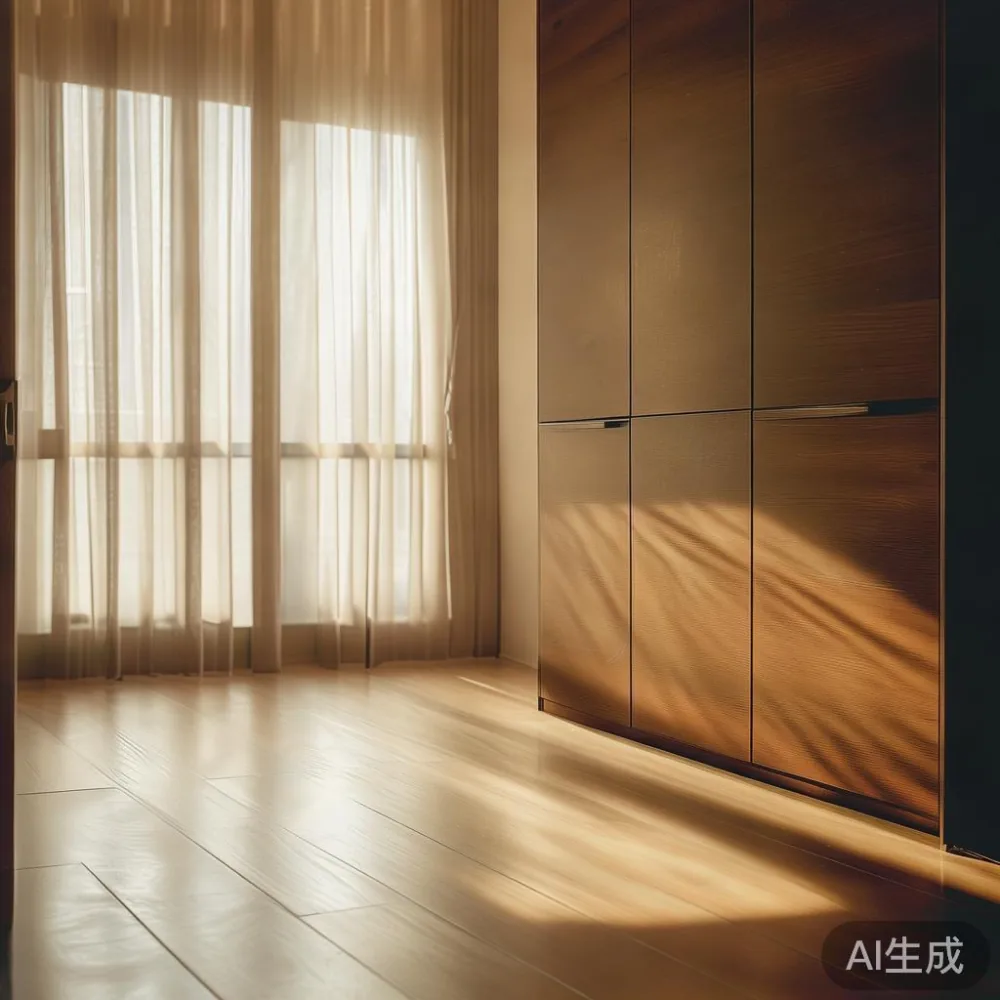
Understanding the Singapore HDB Living Room Layout
A standard Singapore HDB living room is a rectangular space, typically with a width of 3.6 to 4.2 meters and a length of 5.0 to 6.0 meters. The main entrance door usually opens into this space, directly opposite or adjacent to a large window. A common feature is a corridor or hallway leading to the bedrooms, which often has a width of about 1.2 meters. This is a critical measurement to consider when planning furniture placement, as a bulky shoe cabinet placed here can create a narrow, awkward passage. The lift lobby outside your flat also has standard dimensions, usually around 1.5 meters wide. A shoe cabinet wider than this will not fit through the door and will require professional disassembly and reassembly, adding significant cost and hassle. Understanding these spatial constraints is the first step towards making an informed decision.
Why a Shoe Cabinet is Non-Negotiable for Singapore Homes
In Singapore's tropical climate, shoes can become muddy, sandy, or simply damp from the rain. Leaving them scattered by the entrance is impractical and unhygienic. A dedicated shoe cabinet serves as the first line of defence against dirt and clutter, keeping the living area clean and organised. Beyond hygiene, it contributes significantly to the home's aesthetic. A well-designed shoe cabinet can be a statement piece, adding a touch of elegance to the entrance area. For those with a preference for a specific decor style, such as French light luxury, the right shoe cabinet can smoothly integrate into the design, complementing other pieces like a marble table or a solid wood sofa. It transforms a functional necessity into a design opportunity.
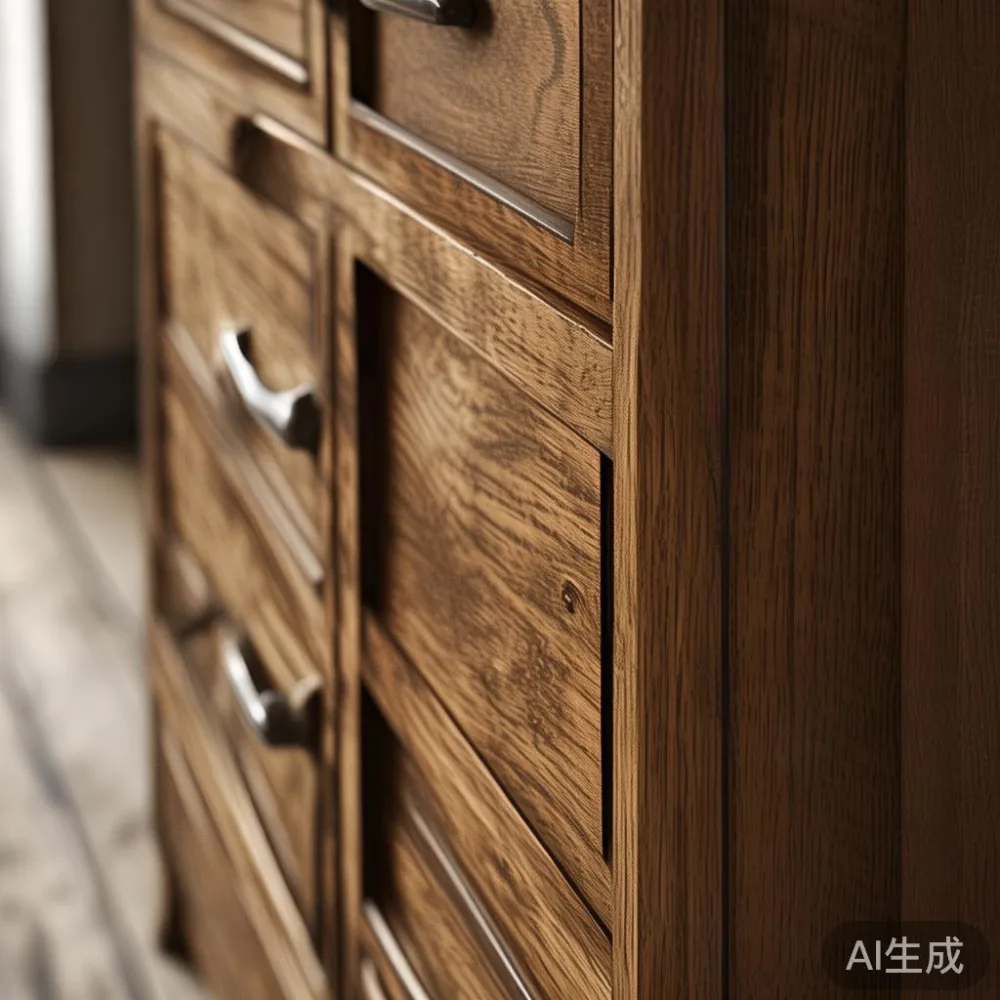
How Much Shoe Storage Do You Actually Need?
The amount of storage required depends entirely on your household's habits. A single professional might get by with a cabinet for 8 to 12 pairs. A family with two adults and two children, however, will need significantly more. A good starting point is to count the number of shoes worn regularly and add a 30% buffer for guests, seasonal footwear (like sandals or boots), and future purchases. For a typical Singaporean family, a shoe cabinet that accommodates 20 to 30 pairs is a practical and comfortable size. It's important to consider the depth of the compartments as well. Standard adult shoes require a depth of at least 30 cm, while deeper compartments of 35-40 cm are necessary for bulkier items like sneakers or boots.
What are the Standard Dimensions for Shoe Cabinets?
Shoe cabinets come in a variety of configurations to fit different spaces and needs. Common dimensions include:
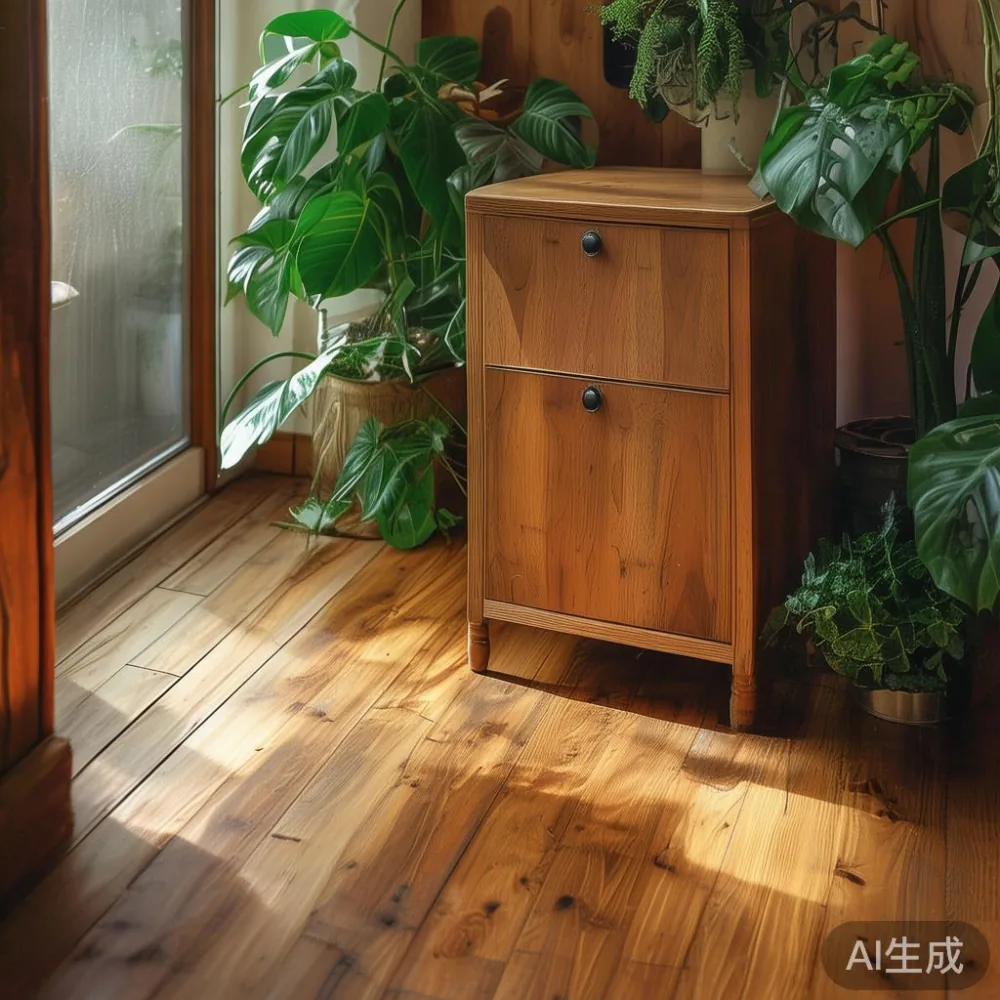
Width: This is the most critical dimension for fitting through doors. Standard widths are 60 cm, 80 cm, 100 cm, and 120 cm. A 60 cm cabinet is ideal for tight spaces like a narrow corridor, while a 100 cm or 120 cm cabinet offers more storage but requires careful placement to avoid blocking the main walkway.
Height: Height determines the number of compartments. A standard 80 cm tall cabinet offers 2 to 3 tiers of storage. For higher ceilings or for storing boots and taller shoes, a 120 cm or 150 cm tall cabinet is a better choice, offering 4 to 5 tiers. The height should also be proportional to the room; a very tall cabinet in a low-ceilinged room can feel overwhelming.
Depth: As mentioned, depth is key for shoe size. Most cabinets range from 30 cm to 40 cm deep. A 35 cm depth is a versatile choice that accommodates most shoe types without protruding too far into the room.
What Size Shoe Cabinet Fits Through an HDB Doorway?
This is a question every HDB resident should ask before buying a large piece of furniture. The standard door frame for an HDB flat has an internal width of approximately 80 cm. A shoe cabinet wider than this will not fit through a standard doorway. The height is less of an issue, as most door frames are over 2 meters tall. The real challenge is the lift lobby door, which is narrower. To be safe, a cabinet with a packaged width of less than 75 cm can be carried through. For wider cabinets (e.g., 80 cm or 100 cm), the unit must be designed in a way that allows the doors and sides to be detached for transport. This is a service offered by many reputable furniture makers, but it's a detail to confirm at the point of purchase.
Matching Your Shoe Cabinet to Your Home's Decor Style
A shoe cabinet should not be an afterthought; it should be an extension of your home's design language. For a living room with a light luxury aesthetic, a cabinet with a white or light oak finish, featuring subtle brass or gold hardware, would be perfect. It complements a marble table and a soft, inviting solid wood sofa. If your home embraces a more rustic, post-modern light luxury feel, a cabinet made from dark walnut or teak with clean, minimalist lines would create a striking contrast. The material and finish are paramount. Solid wood options, while a higher initial investment, offer durability and a timeless appeal that can be refinished over the years, aligning with a brand's lifetime refinishing promise. Last month, I visited a client in Bedok whose living room featured a stunning dark wood shoe cabinet. It was positioned just inside the entrance, its surface reflecting the light beautifully and setting the tone for the entire home.
Popular Shoe Cabinet Configurations for Singapore Homes
Given the spatial constraints of HDB flats, certain configurations are more popular than others. The most common is the tall, narrow shoe cabinet, which is perfect for making use of vertical space against a wall. These typically range from 30 cm to 40 cm in depth and 80 cm to 150 cm in height, with widths of 60 cm or 80 cm. Another popular option is the low, wide shoe cabinet, which can be used as a console table behind the sofa. This configuration is excellent for families who need a lot of storage but don't want a tall, imposing piece of furniture. It provides a surface for decorative items, keys, and mail while hiding dozens of pairs of shoes. For those who prefer a more integrated look, a shoe cabinet with a built-in bench offers a convenient spot to sit while putting on or taking off shoes.
Where to Place Your Shoe Cabinet in the Living Room
Placement is key to maintaining a sense of space and flow. The most common location is directly opposite the main entrance door. This creates a clear visual entry point and prevents shoes from cluttering the immediate doorway. Another excellent spot is against a side wall, especially if the living room has an L-shape layout. This keeps the central area more open. The critical factor is to ensure the cabinet does not obstruct the primary walking path to the kitchen, bedrooms, or balcony. A good rule of thumb is to leave at least 80 cm of clear space in front of the cabinet to allow for comfortable movement. Placing it too close to the sofa can make the room feel cramped.
Material and Build Quality: What to Look For
The longevity of a shoe cabinet depends heavily on its materials and construction. Solid wood, such as oak, rubberwood, or mango wood, is an excellent choice. It is durable, resistant to warping, and has a beautiful natural grain that improves with age. Particleboard or MDF with a wood veneer is a more budget-friendly alternative but may not withstand the humid Singapore climate as well over time. Pay attention to the hardware. Soft-close hinges and drawer runners are a significant quality-of-life upgrade, preventing loud slamming and extending the life of the cabinet. The finish should be smooth and even, protecting the wood from scratches and moisture. A well-made cabinet is an investment that will serve your family for many years.
Budget Considerations and GST in Singapore
The price of a shoe cabinet in Singapore can vary widely. A basic particleboard model might start from SGD 150, while a high-quality solid wood piece from a reputable maker can range from SGD 500 to over SGD 2,000. It's important to factor in the 9% Goods and Services Tax (GST) on your final purchase price. When comparing prices, consider the total value. A slightly more expensive cabinet made from solid wood may offer better durability and aesthetics, making it a more worthwhile investment in the long run. Many brands offer free shipping for orders above a certain threshold, such as SGD 350, which can help offset the cost. A 10-year structural warranty is also a key indicator of a manufacturer's confidence in their product, offering peace of mind for years to come.
Maintaining Your Shoe Cabinet for Longevity
To keep your shoe cabinet looking its best, regular maintenance is required. Dust the surface weekly with a soft, dry cloth. For deeper cleaning, use a slightly damp cloth followed immediately by a dry one to prevent moisture damage. Avoid placing hot or wet objects directly on the surface. In Singapore's high humidity, using a dehumidifier in the vicinity of the cabinet can help prevent wood from swelling or mould from forming. Over time, if the finish becomes scratched or worn, some brands offer a lifetime refinishing service, allowing you to restore the cabinet to its original condition. This service is a proof of the quality of the materials used and is a valuable feature for long-term ownership.
Midhill and the Future of HDB Living
As Singaporean homes continue to evolve, so does the furniture that fills them. The focus is shifting towards multi-functional, aesthetically pleasing pieces that enhance the living experience. A shoe cabinet, for example, is no longer just a storage box but a design element that can anchor an entryway. Brands like MIDHILL, established in 2008 and exporting to over 15 countries, understand this shift. They offer pieces that combine solid wood craftsmanship with contemporary designs, ensuring that a practical item like a shoe cabinet can also be a beautiful one. Their commitment to a 10-year structural warranty and lifetime refinishing reflects a deep understanding of the needs of modern homeowners who value both quality and longevity.
Key Takeaways for Choosing Your Shoe Cabinet
Selecting the right shoe cabinet for your HDB living room involves careful planning. Measure your available space, particularly the width of your doorways and the desired location. Assess your family's shoe storage needs and choose a configuration that fits. Consider the material, build quality, and hardware to ensure durability. Finally, select a style that complements your existing decor, whether it's a light luxury aesthetic or a more minimalist look. A well-chosen shoe cabinet will not only keep your home organised but also enhance its appeal, creating a welcoming and functional space for you and your family.