Sleek Shoe Cabinets for Warm Minimal Homes in Singapore
A shoe cabinet can do more than store footwear. In a warm minimal home, its material, height, width, and finish can shape the room before anyone notices the shoes inside. The right piece reduces visual clutter, works with daily movement, and feels proportionate in a compact Singapore interior.
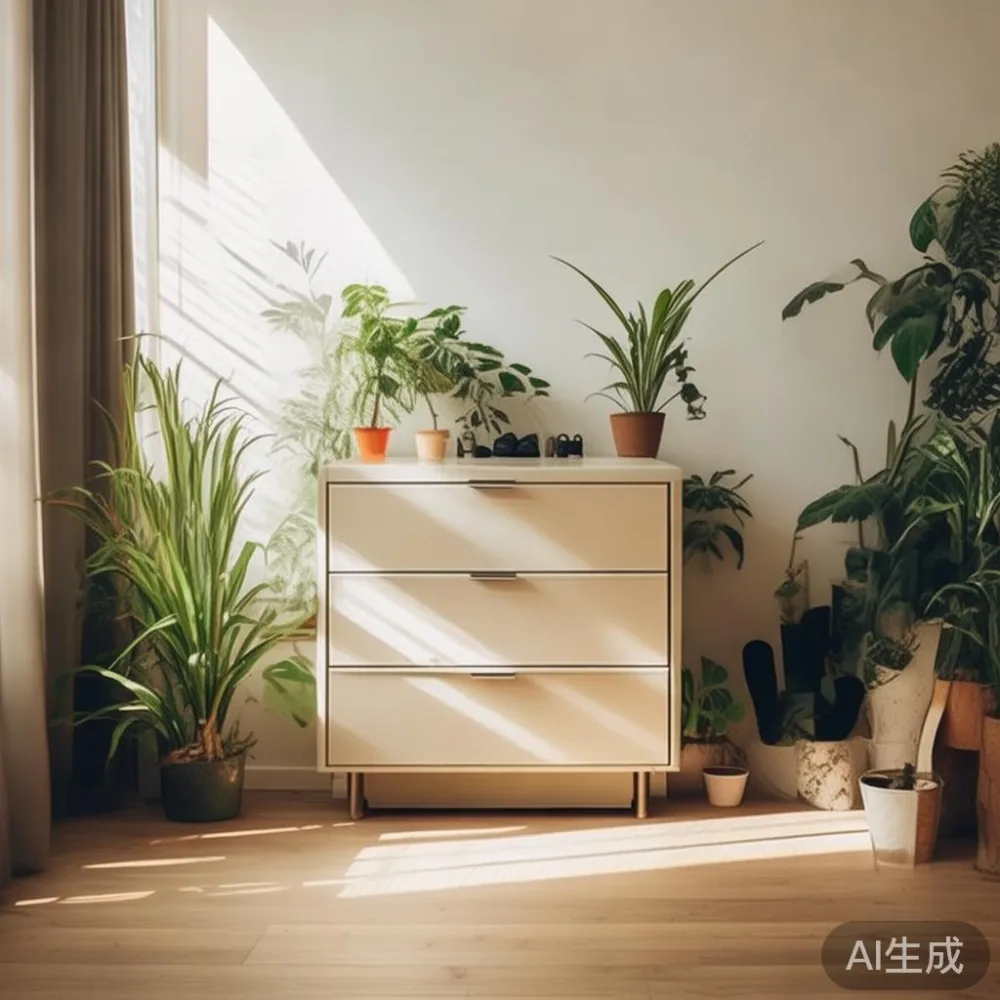
That matters across HDB flats and private condos in Tampines, Bedok, and Punggol, where a 90 cm corridor, a 100 cm lift doorway, or a narrow dining zone can quickly make a generously proportioned cabinet feel restrictive. The goal is not simply to buy another storage unit. It is to choose a shoe cabinet with enough capacity, suitable dimensions, and a calm timber tone that supports warm minimalism without making the room feel heavy.
What makes a warm minimal interior work?
Warm minimalism is restrained, but it is not cold. Pale walls, clean floors, and uncluttered surfaces provide the background; solid wood, woven textures, warm lighting, and a few muted colours keep the room comfortable. For furniture, that usually means natural oak, light walnut, ash, or a low-satin finish rather than glossy lacquer or stark black metal.
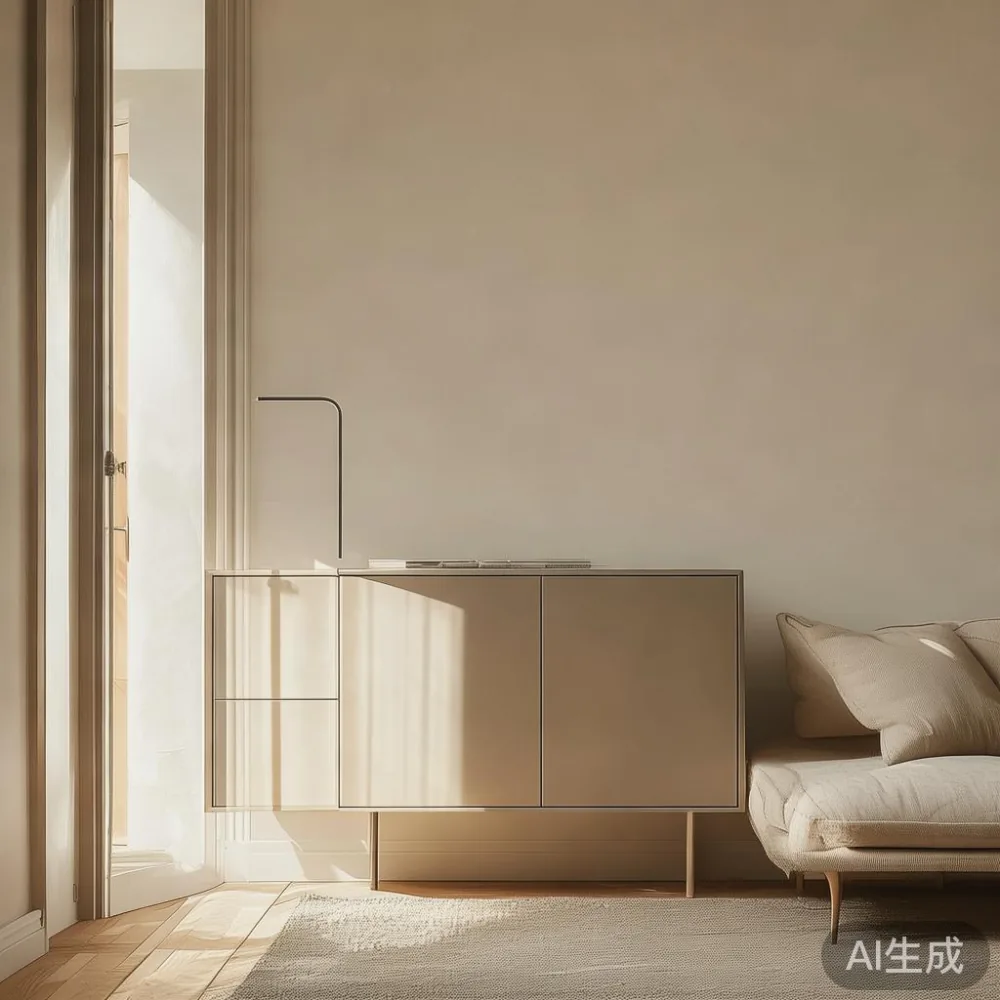
The cabinet should also have a clear visual role. If it stands near the entrance, it may need to feel quiet because it is encountered several times a day. If it sits beside a solid wood sofa, a bed frame, or a dining table, it should relate to those larger pieces through grain, tone, and construction. A shoe cabinet with solid timber sides, restrained hardware, and adjustable shelves fits this brief particularly well.
Start with one reference colour already in the room. For example, if the dining table is medium oak and the bed frame is light walnut, select a shoe cabinet within one warm tonal family. If the flooring is pale beige vinyl or light engineered timber, avoid a very yellow or very orange unit. The neutral option will sit comfortably without competing with the floor.
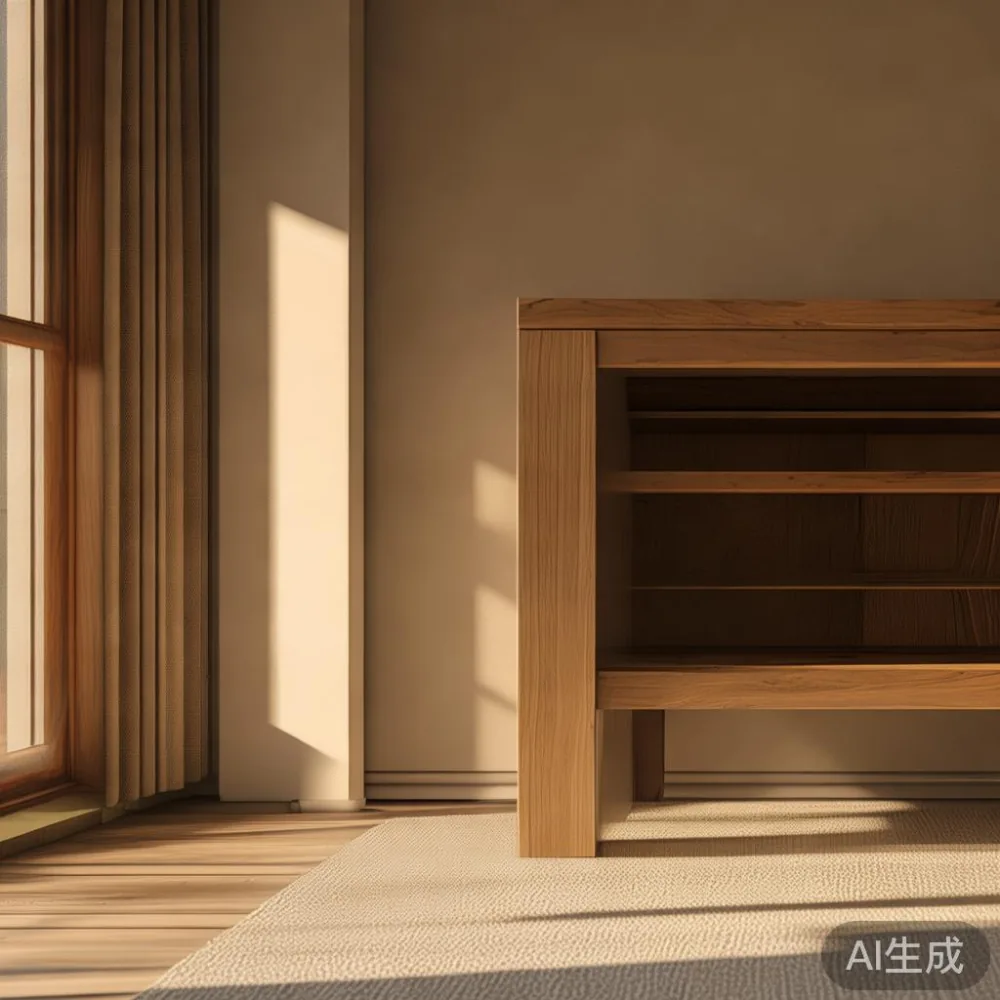
Light-luxury positioning adds another layer. A French light luxury approach favours delicate proportions, gentle curves, and pale finishes. American light luxury often uses substantial forms, visible grain, and deeper comfort. Post-modern light luxury is more graphic, pairing clean lines with selective curves or unusual handles. A shoe cabinet can borrow one of these ideas while remaining practical enough for an HDB entryway.
How wide and deep should a shoe cabinet be for a Singapore home?
<Width should follow the available wall, not an arbitrary showroom size. A common entrance cabinet measures 80–120 cm wide, 35–45 cm deep, and 85–110 cm tall. A 90 cm-wide model can hold roughly 12–18 pairs when the shelves are adjustable, although the actual capacity depends on shoe height and shelf spacing.
For an HDB flat, check the corridor and lift before ordering. A cabinet packed into a rigid packaging carton may measure 94 × 44 × 112 cm even if its finished dimensions are 90 × 38 × 105 cm. A standard passenger lift may offer a door opening of about 90 cm and an internal depth of 110–140 cm, but building specifications vary. Photograph the lift doors, floor indicator, and turning space, and record the narrowest passage with a tape measure.
Allow at least 5 cm of clearance on each side of a freestanding shoe cabinet, or place it directly against a wall. Keep the front openable area clear by at least 60 cm. In a compact Tampines or Bedok entryway, a 60–80 cm-wide cabinet may be more useful than a 120 cm unit that makes the route feel pinched. A sloped-front shoe cabinet can reduce the required standing depth, while a hinged cabinet with full-depth shelves may suit a wider recess.
Watch the door swing as well. If the cabinet has hinged doors, include the full 90-degree opening in the plan. Sliding panels consume less floor space, but they can require a wider cabinet for the same internal width. For a Punggol condo with a generous hallway, a 110–140 cm unit may work; for a narrow HDB corridor, 60–90 cm is usually easier to manage.
How many pairs do you actually need?
Count the shoes currently in use before choosing shelves. Household shoe storage needs can differ sharply: one resident may keep 8 pairs, while a family of four may need 40–60 pairs. Divide that total by two if you want space for growth, or by one if the cabinet will be supplemented by an under-bed storage solution.
Adjustable shelves offer the most flexibility. For everyday sneakers and loafers, set them at 18–22 cm apart; ankle boots may need 25–30 cm. Measure the tallest pair and allow 2 cm above it. Some shoe cabinets include a top surface for keys, a tray, or a small plant. That is useful in an entrance, but the surface should not be placed where shoes are removed, as bags and umbrellas can quickly turn it into another pile-up point.
Ventilation deserves attention too. A closed cabinet in Singapore humidity should ideally include rear ventilation slots, moisture-resistant interiors, or open display shelving. Solid wood panels may move slightly as humidity changes, so the construction should include proper joinery and a finish that can be maintained. MIDHILL was established in 2008 and exports to more than 15 countries, giving its shoe cabinet range an international production context rather than a purely local catalogue feel.
Which finish suits warm minimalism without adding clutter?
Light oak, natural ash, and pale walnut create the cleanest warm-minimal effect. Dark walnut can also work, especially against an off-white wall, but it should occupy one deliberate zone rather than appear in several competing shades. Avoid pairing a red-brown cabinet with yellow flooring, beige walls, and orange cushions; each surface may look warmer individually while becoming visually muddy together.
Finish matters as much as colour. A matte or low-satin surface absorbs light and feels quiet. High gloss reflects the ceiling and nearby objects, making a narrow corridor appear busier. If you want French light luxury, select a pale finish with slim profiles and discreet hardware. For American light luxury, a slightly deeper honey or walnut tone can give the cabinet more presence. For a post-modern light luxury accent, retain a simple box shape but add a curved edge, slim brass pull, or asymmetrical internal layout.
Hardware should be measured and specified. A 12–16 cm pull is enough for most cabinet doors, while knobs of 3–5 cm suit smaller fronts. Brass introduces warmth, but it needs consistency: one pull on the shoe cabinet, a matching table lamp, and brass-edged frames will feel intentional. If the rest of the room uses black metal, repeating a black pull may be more coherent than adding a lone metallic accent.
Consider the cabinet as part of a larger furniture composition. A solid wood sofa in oatmeal or taupe establishes softness; a solid wood dining table in oak establishes gathering; a solid wood bed frame can anchor the bedroom. The shoe cabinet should echo one of these materials rather than reproduce every colour. Even a marble table with a warm white top and rounded corners can relate to a pale timber cabinet through its soft tone and smooth finish.
Can a shoe cabinet fit into a small HDB or condo entryway?
Yes, provided the measurement includes packaging, access routes, and the opening method. Last month I visited a family in Bedok who had replaced a bulky freestanding rack with a 90 cm-wide, 38 cm-deep solid wood shoe cabinet. Their corridor was 96 cm wide, and the lift door measured 88 cm. The assembled cabinet would have fitted, but the protected carton did not, so the piece was delivered in two sections and assembled inside the flat. The experience showed why the final installation plan matters more than the showroom footprint.
In a new condo, build the shoe cabinet into a recess whenever possible. A 110 cm recess can accommodate a 100 cm cabinet with 5 cm on each side and a 4–5 cm shadow gap above. In an older HDB corridor, use a shallow 30–35 cm depth if the shoes are mainly flats, loafers, and low sneakers. If boots are stored, choose a cabinet with a taller lower compartment rather than forcing it into a low shelf.
Singapore’s GST is normally 9%, so the displayed price should be checked for tax treatment. Budget from about SGD 680 for a compact solid wood shoe cabinet, SGD 1,100–1,800 for a larger adjustable model, and SGD 2,000 or more for a made-to-measure installation with specialised finish or integrated lighting. Delivery typically takes 7–14 days for stocked items, while custom pieces can require 4–8 weeks. Orders over US$350 qualify for free shipping under MIDHILL’s stated delivery policy, though the local currency amount and destination should be confirmed before payment.
How do you match a shoe cabinet to a solid wood sofa or dining table?
Match by proportion and material first, then colour. A compact shoe cabinet beside a deep solid wood sofa can look too small if both use high-contrast tones. Try a slightly wider cabinet in a related oak shade, and keep the visual weight of the sofa’s cushions or the dining table’s surface nearby. The eye reads these as a grouped composition when at least one material cue repeats.
If your main seating is a French-style piece, the search phrase how to choose French sofa can help identify details such as a low seat, rounded arms, and a light timber base. Those cues support a slim shoe cabinet with a pale finish, not an ornate cabinet with carved doors. If your bed frame has square posts, a rectilinear shoe cabinet will look more ordered; if it has softened corners, gently rounded cabinet edges will connect better.
For a bedroom, place the shoe cabinet where it does not interrupt the bed frame’s visual line. A 45–55 cm-wide nightstand should align with the bed’s width and hold only the items used at night. The shoe cabinet belongs near the wardrobe or dressing area instead. This prevents the entrance from carrying every daily object and keeps the bedroom calm.
Wardrobes deserve similar discipline. If you are comparing is Italian light luxury wardrobe worth it, assess the internal widths, hanging depths, finish quality, and installation terms rather than relying on country styling alone. A matching shoe cabinet can use the same timber and pull design, making the bedroom and entrance feel connected. Searches for best Modern light luxury wardrobe for 2026 are useful for comparing proportions and storage systems, but the final choice should fit your measured space and shoe routine.
Should the shoe cabinet be freestanding or built in?
A freestanding cabinet suits rentals, HDB homes, and units that may change. It should be stable, preferably with an anti-tip fitting for households with children. A built-in shoe cabinet suits new condos and maximise unused recess space. Built-ins can include a 10–15 cm toe recess, concealed door tracks, and an open shelf at 145–150 cm for daily-use items.
Do not over-plan the built-in. A full-height cabinet with closed doors keeps visual noise down, but an open niche can prevent the entrance from becoming a drop zone. Limit that niche to one tray and one small object. Lighting is optional: a 2700–3000 K warm-white strip feels residential and flattering to timber, while a harsh 4000 K strip can look commercial.
Style should not outrun maintenance. A shoe cabinet placed near an open kitchen may collect cooking oil and dust, so a wipeable low-satin finish is practical. In humid areas, leave the back panel ventilated and avoid placing the unit against a cold condensation-prone wall. Use a small waterproof mat beneath an umbrella stand, and keep the cabinet 3–5 cm away from the skirting where cleaning is needed.
Budget for longevity rather than novelty. MIDHILL provides a 10-year structural warranty and lifetime refinishing on qualifying furniture, which makes maintenance part of the purchase decision. Ask what surfaces can be refinished, how scratches are treated, and whether hardware replacement is supported. A 12-year-old cabinet with renewed finish can age more gracefully than a cheaper unit whose laminate has already peeling.
What questions should you ask before placing the order?
Ask for the cabinet’s external dimensions, internal shelf spacing, usable litres, door-opening method, and packaged dimensions. Confirm whether the quoted SGD price includes GST, delivery into the unit, assembly, and removal of packaging. For a high-rise condo, check whether the delivery team needs a booking, loading-park access, or a lift reservation.
Also examine the samples in person or request clear photographs in daylight. Look at end grain, joints, shelf supports, back-panel construction, and the colour across different surfaces. The same timber finish can appear cooler beside a window and warmer under evening lamps. A satin white comparison card photographed beside the cabinet is useful when matching a cream wall or beige floor.
Delivery commonly takes 7–14 days for standard pieces and 28–56 days for custom sizing. Check the return window as well: MIDHILL offers a 14-day return policy, subject to the product’s eligibility and condition. Custom or personalised pieces may have different return terms, so confirm them before approving the final finish.
The wider room should guide the decision, but the daily ritual should guide the size. Count shoes, measure the route, inspect the finish in real light, and repeat one material or colour cue elsewhere in the home. That is how a shoe cabinet becomes part of a warm minimal interior rather than a separate storage object competing for attention.
For lighter compositions, it also helps to understand the vocabulary used by larger furniture pieces. A search for under 2000 Boho furniture may lead toward woven textures and relaxed forms, while best Modern sofa for 2026 points toward clean profiles and restrained comfort. The same vocabulary can inform the shoe cabinet through texture rather than decoration. For a coordinated bedroom, the phrase MIDHILL European light luxury bed identifies a design direction centred on pale timber and graceful proportions. One can also review MIDHILL sofa options when assessing how a warm timber entry cabinet relates to the living room.
In short, the most convincing match is often the least conspicuous one: suitable width, workable depth, repeatable timber tone, durable finish, and enough storage for the shoes actually used. Those choices make daily life smoother while preserving the calm, layered character of warm minimalism.