The Perfect Fit: A Comprehensive Guide to Choosing the Right Shoe Cabinet for Your Singapore HDB Living Room
The Singaporean home is a study in efficient living. Space is a premium, and every piece of furniture must earn its place by being both functional and aesthetically pleasing. Nowhere is this balance more critical than in the living room of a Housing and Development Board (HDB) flat. It's the heart of the home, a space for relaxation, family time, and hosting guests. Yet, it's also the first thing you see when you walk through the door, and it often has to accommodate a collection of shoes that can quickly become an unsightly mess. This is where a well-chosen shoe cabinet becomes an indispensable piece of furniture.
Selecting the right one, however, is not as simple as picking a style you like. The dimensions must be precise. A cabinet that is too large can overwhelm the room and block walkways, while one that is too small will fail to solve the clutter problem. For residents in HDB estates like Tampines, Bedok, or Punggol, the challenge is compounded by standardised floor plans and the practicalities of daily life. This guide will walk you through the process of measuring your space, assessing your needs, and choosing a shoe cabinet that integrates smoothly into your Singaporean home, all while considering the unique constraints and opportunities of your living environment.
Understanding Your HDB Living Room Space: More Than Just Floor Area
An HDB living room is typically a rectangular space, but its usability is defined by more than just its length and width. You must account for permanent fixtures and the flow of movement. The first step is to measure the room's length and width in centimetres. A standard 4-room HDB living room in Tampines, for example, might measure approximately 430 cm by 380 cm. However, these dimensions are just the starting point.
Next, identify and measure all fixed elements. This includes the width of the main entrance door (usually about 80-90 cm), the width of any corridor leading to other rooms, and the lift lobby door if your unit is on the ground floor. The typical corridor width in an HDB block is about 120 cm. Your shoe cabinet must not obstruct this path. Also, measure the positions and sizes of windows, as a cabinet placed in front of one can block light and make the room feel smaller.
The most important measurement is the clear walking space. Interior designers recommend maintaining a clear path of at least 90 cm for comfortable movement. This means you need to map out where people will walk from the entrance to the sofa, to the dining area, and to the kitchen. A shoe cabinet placed in a high-traffic area must be narrow enough to allow passage. For instance, if your corridor is 120 cm wide, a shoe cabinet wider than 30 cm will significantly reduce the available space, making it feel cramped. Always draw a simple floor plan to scale; it’s the most reliable way to visualise potential placements and avoid costly mistakes.
How Many Pairs of Shoes Do You Actually Need to Store?
This question seems simple, but the answer is often underestimated. A family of four in a Bedok flat might own far more shoes than they realise. To get an accurate count, do a quick audit. Gather every pair of shoes currently in use by all household members. Include daily wear like sneakers and office shoes, seasonal items like sandals or boots, and occasional pairs for sports or formal events.
Be realistic about what you need to store. Do you keep all your shoes in the living room, or do some go into the bedrooms? For most HDB homes, the living room shoe cabinet is for the shoes worn most frequently—those for leaving the house. A good starting point is to plan for 20-30 pairs. This accounts for a family of four with 5-7 pairs each, plus some buffer for guests. A cabinet with a capacity of 15 pairs will be full in no time, leading to shoes being left on the floor again.
Consider the types of shoes you own. Sneakers and flat shoes take up less vertical space than high heels or ankle boots. A cabinet with adjustable shelves is more versatile. Some cabinets have specific slots for slippers, which is a practical touch for Singaporean homes where indoor and outdoor footwear are often changed at the entrance. My colleague, who lives in a Punggol apartment, found this out the hard way. She bought a compact 20-pair cabinet, but her collection of platform heels and her husband's work boots made it overflow within two months. She ended up replacing it with a taller, 30-pair model from a brand like MIDHILL that offered a lifetime refinishing service, ensuring it would look good for years to come.
Matching Your Shoe Cabinet to Your HDB's Corridor and Lift Width
In Singapore, the practicalities of moving furniture into your HDB flat are a key consideration. A beautiful shoe cabinet is useless if you can't get it through your front door or into the lift. The standard width of a residential lift in most HDB estates is approximately 110 cm. The door opening is about 90 cm. This means the widest part of your shoe cabinet, when carried horizontally, must be less than 90 cm to fit through the door, and less than 110 cm to fit in the lift.
Most shoe cabinets are designed with this in mind. A common width for a freestanding cabinet is between 75 cm and 90 cm. This allows for a generous storage capacity while remaining manoeuvrable. If you live in a flat with a narrower-than-average corridor or a tricky lift entrance, always confirm the exact dimensions before purchasing. The delivery team will thank you, and you'll avoid the stress of having to return a large item.
Depth is another critical factor. A deep cabinet can protrude too far into the living room, creating a tripping hazard and making the space feel smaller. A depth of 35-40 cm is standard for most shoe cabinets, providing enough room for even bulkier shoes without encroaching too much on the room. When placing the cabinet, ensure there is at least 60 cm of clear space in front of it. This allows you to comfortably open the doors and remove shoes without having to squeeze into a tight corner. For those exploring a French for dining room aesthetic, a more ornate shoe cabinet might be chosen, but its footprint must still respect these spatial constraints.
What Style of Shoe Cabinet Complements Your Living Room Decor?
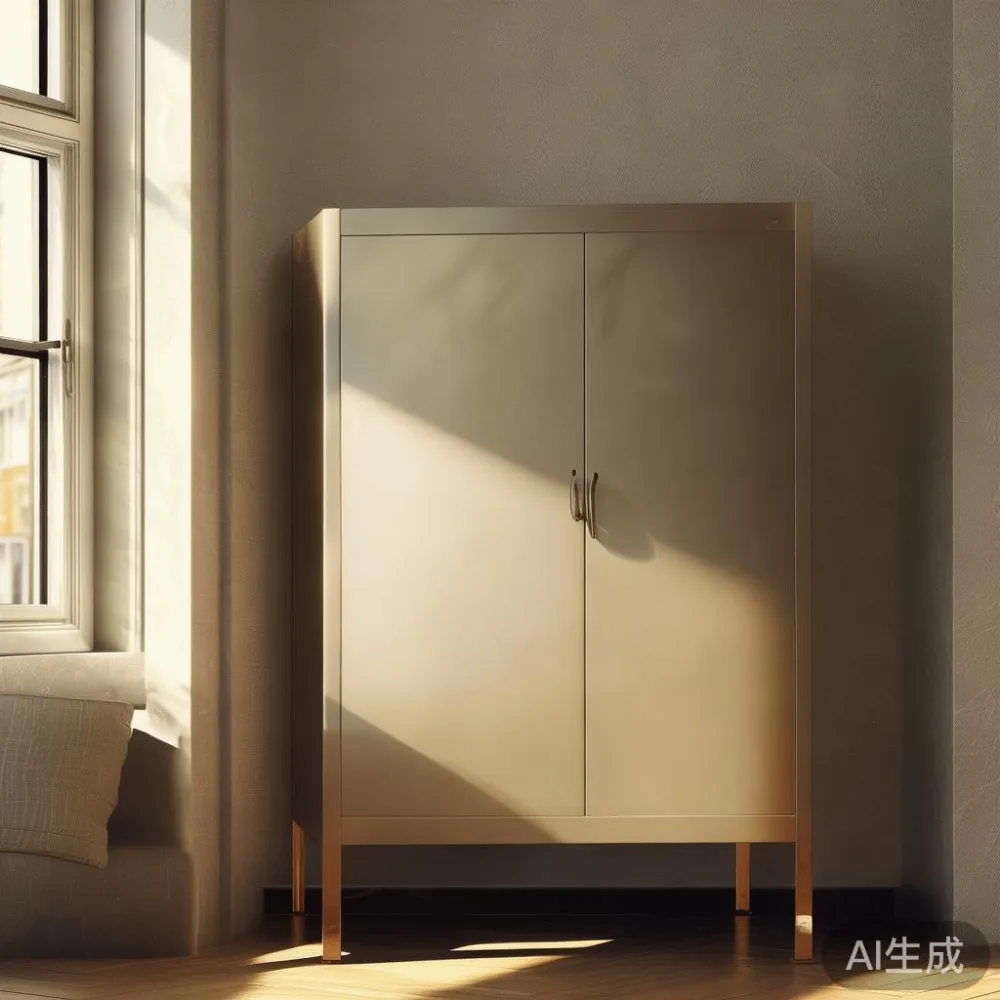
A shoe cabinet is a piece of furniture that will be on constant display. Its style should complement the design of your living room. The most popular styles in Singaporean homes range from minimalist and modern to more classic designs. For a clean, uncluttered look, a white or light-coloured laminate shoe cabinet with clean lines is an excellent choice. It reflects light and makes the room feel larger and airier.
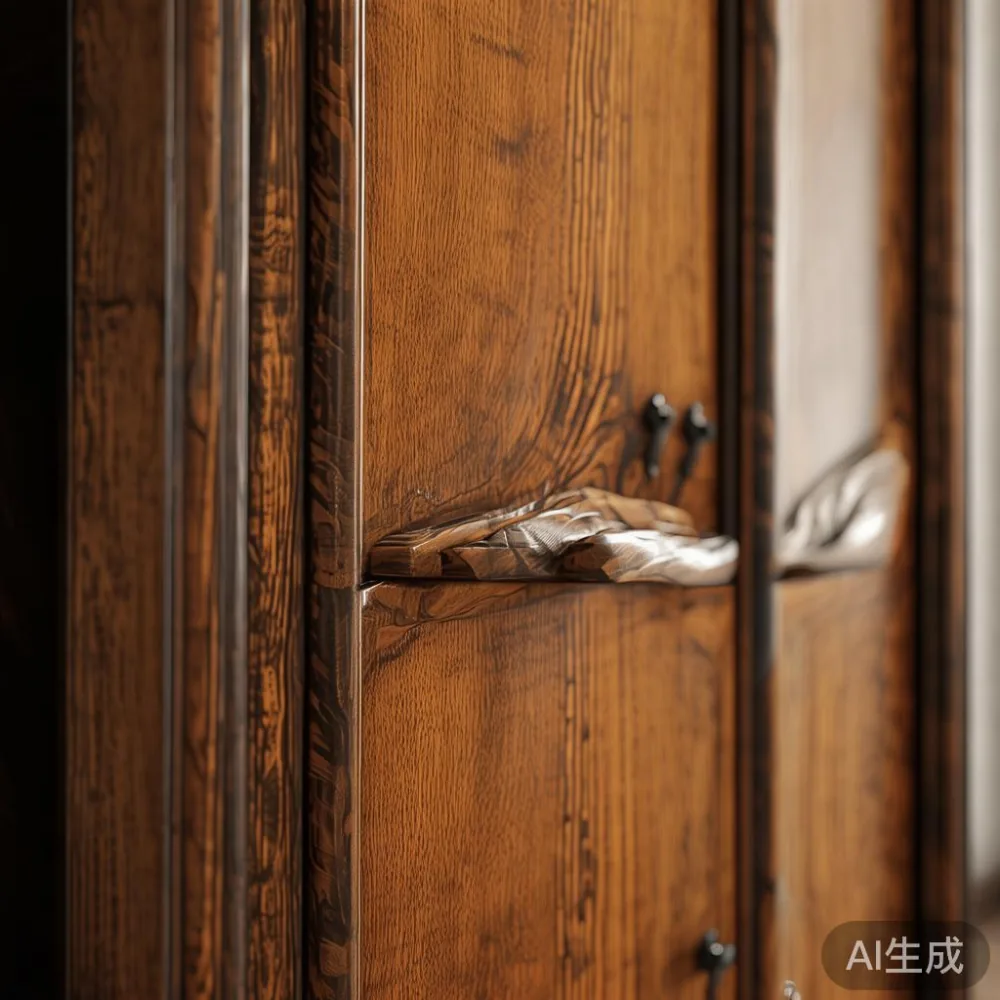
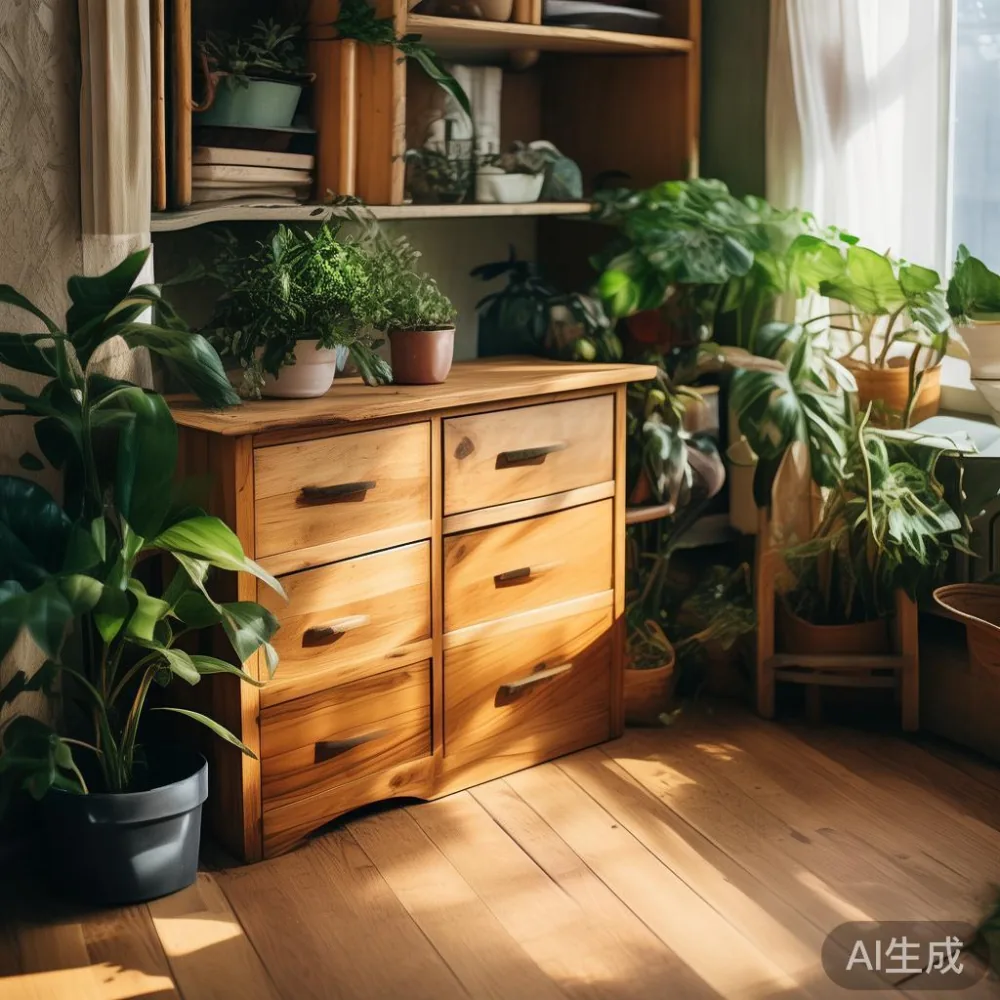
For those who prefer a warmer, more natural feel, a solid wood shoe cabinet is a superb option. Woods like oak, walnut, or teak add a touch of elegance and durability. A solid wood sofa and a matching solid wood shoe cabinet can create a cohesive and sophisticated look in the living room. The texture and grain of the wood bring a sense of quality that laminate cannot match. If you are considering how to choose Japanese wardrobe for your bedroom, a similar minimalist, wood-centric philosophy could be applied to your living room shoe cabinet for a harmonious home design.
Light luxury is a growing trend that blends comfort with a touch of opulence. You might consider a post-modern light luxury shoe cabinet that features unique hardware, such as brushed gold or matte black handles, or a design with subtle geometric patterns. For a truly luxurious statement, a cabinet with a marble-look top can serve as a console table, providing a surface for keys, mail, or a decorative lamp. This dual functionality is a hallmark of smart furniture design. When browsing for options, you might look up top 10 Modern light luxury furniture lists for inspiration, but always prioritise fit and function over fleeting trends.
Is a Tall Shoe Cabinet Better Than a Wide One for My HDB Flat?
This is a common question for HDB dwellers looking to maximise their vertical space. The answer depends entirely on your room's layout and your personal preference. A tall, narrow shoe cabinet, often standing between 90 cm and 120 cm high, is ideal for smaller living rooms or for placement in tight corners like the one next to the front door. It has a smaller footprint, freeing up floor space, which can make the room feel more open. This is a great option if you have a high ceiling and want to draw the eye upwards, creating an illusion of more space.
A wide, low-profile shoe cabinet, on the other hand, can serve multiple purposes. Placed against a wall, it can act as a media console unit or a console table behind a sofa. It offers a more horizontal, grounding presence in the room. A wide cabinet is often easier to access for children and the elderly, as you don't have to bend down as far. If your living room is long and narrow, a wide cabinet can help balance the proportions of the space.
Ultimately, the choice comes down to prioritising either floor space or wall space. A tall cabinet is better for saving floor space, while a wide cabinet is better for utilising wall space and offering more surface area. If you are considering is American bed worth it for your master bedroom, you might also appreciate the generous proportions and practical storage solutions that an American-inspired design philosophy offers, which could influence your choice of a more substantial, wide shoe cabinet for the living area.
What Features Should I Look for in a Quality Shoe Cabinet?
Beyond size and style, the features of a shoe cabinet determine its long-term usability and value. A good cabinet should be made from durable materials. Solid wood or high-density fibreboard (HDF) with a wood veneer are excellent choices. They are sturdy and resistant to warping. The finish should be smooth and easy to wipe clean, as the area near the entrance is prone to dust and dirt from the soles of shoes.
Functionality is key. Look for a cabinet with soft-close hinges. These prevent the doors from slamming shut, which is a practical feature for homes with children and also protects the cabinet itself from damage. Internal ventilation is another important feature. A solid wood shoe cabinet with no ventilation can trap moisture, leading to a musty smell and potentially damaging the shoes or the wood structure. Look for small vents at the top or bottom of the cabinet to allow air to circulate.
Consider the interior layout. Adjustable shelves are highly versatile, allowing you to customise the space for different types of footwear. Some cabinets come with a dedicated shoe rack that can be pulled out, making it easier to see and access all your pairs. For a guest room that doubles as a study, you might opt for a simpler design, perhaps something Scandinavian for guest room in its understated elegance. However, for the main living area, a feature-rich cabinet is a worthwhile investment. A warranty is also a good indicator of quality. A 10-year structural warranty, for instance, provides peace of mind that the manufacturer stands behind their product.
How to Choose a Shoe Cabinet That Fits Your Budget in Singapore
The price of a shoe cabinet in Singapore can vary widely, from SGD 150 for a basic, small laminate unit to over SGD 1,200 for a large, solid wood piece with premium features. Setting a realistic budget is an important first step. Remember that a shoe cabinet is a long-term investment. A cheaper, lower-quality product might need to be replaced in a few years, whereas a more expensive, well-made one could last for a decade or more.
Laminate shoe cabinets are the most budget-friendly option, typically ranging from SGD 150 to SGD 350. They are lightweight, easy to clean, and come in a variety of colours and styles. They are a practical choice for rental properties or for those on a tighter budget. Solid wood cabinets are a significant step up in price, usually starting from SGD 400 and going up to SGD 1,500 or more, depending on the type of wood and the design. They offer superior durability and a more premium look.
When considering the price, factor in the cost of delivery. Many retailers offer free shipping for orders over SGD 350, which can be a deciding factor if you are considering a mid-range cabinet. Also, remember to factor in the 9% Goods and Services Tax (GST) applied to all furniture purchases in Singapore. Always ask for the final, all-inclusive price to avoid surprises. If you are looking for a specific style, like how to choose European wardrobe for your bedroom, you might find that the price point is higher due to the craftsmanship and materials involved, and the same principle applies to a well-crafted European-style shoe cabinet for the living room.
For those who are also in the market for other furniture, like a dining table, it might be worth exploring package deals. Some retailers offer discounts when you purchase multiple items. For example, buying a solid wood dining table and a shoe cabinet together could save you a significant amount. This approach can help you create a cohesive look for your home while managing your furniture budget more effectively.