What Actually Drives the Price of Solid Wood Furniture
For many homeowners in Singapore, especially those working through the compact spaces of a Tampines HDB flat or a Punggol condo, furniture is more than just an object. It's a statement, a solution, and a long-term investment. When you browse for a new shoe cabinet for your entryway, you might notice a vast price range. A simple, particleboard model might cost S$150, while a solid wood piece from a reputable maker can easily reach S$800 or more. What accounts for this difference? The answer lies not in a single factor, but in a complex interplay of materials, craftsmanship, design, and practical considerations that are particularly relevant to the Singaporean living context.
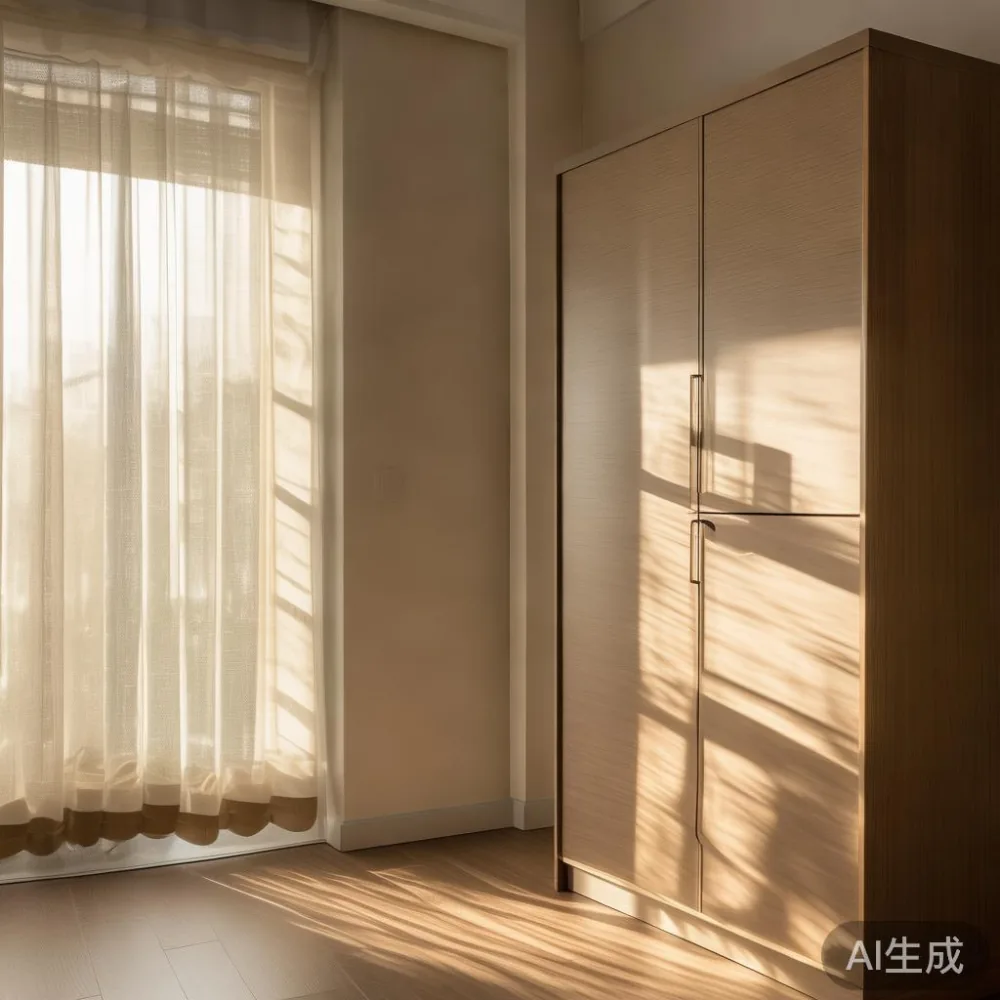
Why Does a Solid Wood Shoe Cabinet Cost More Than a Veneered One?
The most fundamental reason for the price difference between furniture types is the material itself. A solid wood shoe cabinet is constructed from a single, solid piece of lumber, such as oak, mango, or acacia. This means every part of the cabinet—the sides, the back, the shelves—is genuine wood. In contrast, a less expensive cabinet is typically made of a composite material like MDF (Medium-Density Fiberboard) or particleboard, which is then covered with a thin layer of wood veneer or a printed film to mimic the appearance of wood.
Think about the weight. A solid wood shoe cabinet for a Singaporean home might weigh between 35 kg and 60 kg, depending on the wood species and size. A veneered particleboard counterpart of the same dimensions might weigh only 15-20 kg. This difference in mass translates directly to cost. Solid wood is a natural, finite resource. Sourcing high-quality, sustainably harvested timber involves significant expense. The logs must be properly kiln-dried to prevent warping in Singapore's humid climate, a process that takes weeks and requires specialized equipment. This drying ensures the wood maintains its structural integrity in your condo, where humidity levels can fluctuate between 60% and 90%.
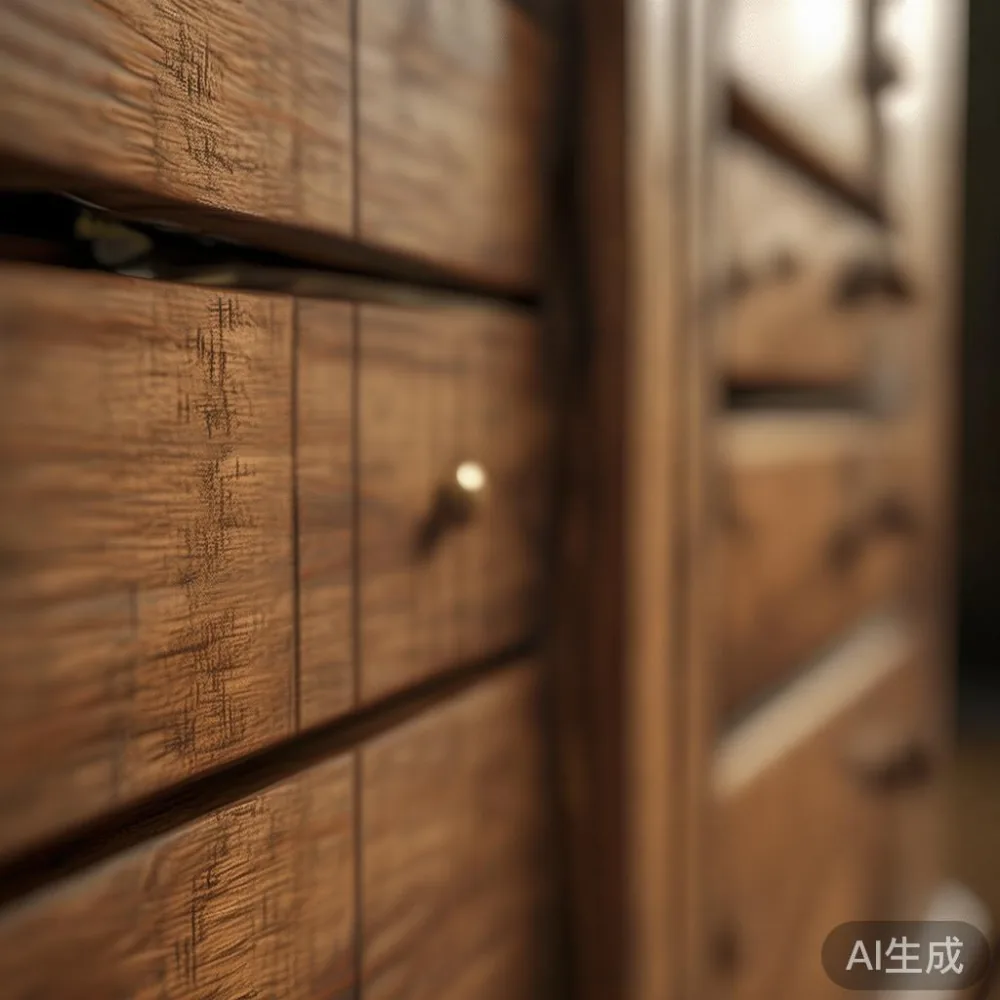
Also, solid wood is durable and repairable. If you accidentally scratch the surface of your solid wood shoe cabinet, it can be sanded and refinished. A deep scratch on a veneered surface, however, might expose the composite core, which cannot be repaired. The value of a lifetime refinishing service, which a company like MIDHILL offers, is directly tied to the use of a material that can support it. This long-term value is a key consideration for anyone making a significant purchase.
How Much Does Craftsmanship Actually Add to the Price?
Once the material is sourced, the human element takes over. Craftsmanship is the invisible hand that transforms raw lumber into a functional and beautiful piece of furniture. This is where the distinction between mass production and artisanal creation becomes starkly clear in terms of price.

Consider the joinery. A high-quality solid wood shoe cabinet will feature dovetail joints for the drawers and mortise-and-tenon joints for the frame. These methods are incredibly strong and have been used for centuries. A machine can cut these joints, but a skilled carpenter can fit them by hand with tolerances of less than a millimeter. This precision ensures the cabinet will not rattle or loosen over years of use. In contrast, a cheaper cabinet might rely on dowels, staples, or simple butt joints held together with glue. These methods are faster and cheaper to produce but lack the long-term durability of traditional joinery.
My colleague, Sarah, recently visited our Foshan factory to oversee a production run of our new solid wood bed frames. She observed that a single master carpenter took three full days to hand-assemble one complex wardrobe. The same wardrobe, if produced with automated machinery, could be assembled in under an hour. The difference in labor cost is immense, but the difference in quality is equally profound. The hand-assembled piece has a unique character and structural integrity that machine-made furniture simply cannot replicate. This investment in skilled labor is a primary driver of the final price tag you see on a piece of designer light luxury furniture.
Is a Designer Style Worth the Extra Money?
Beyond the material and the making lies the design. A simple, boxy shoe cabinet will almost always be less expensive than one with intricate details, even if both are made from the same solid wood. This is where concepts like French light luxury or post-modern light luxury come into play, adding a layer of aesthetic and functional value.
A French provincial-inspired shoe cabinet, for example, might feature detailed carvings, elegant curved legs, and a distressed finish that gives it a sense of history. Each of these elements adds time to the production process. The carvings must be done by hand or with specialized CNC (Computer Numerical Control) machines, which are expensive to program and operate. The finishing process involves multiple layers of stain and lacquer, with sanding between each layer, to achieve the perfect, smooth texture.
Similarly, a post-modern light luxury shoe cabinet might prioritize clean lines and a minimalist aesthetic, but this simplicity can be deceptive. The design might require precise, hidden hardware for a smooth look, or it might incorporate a marble top, which adds significant weight and cost due to the material itself and the specialized process of attaching it securely. The design isn't just about looking good; it's about how the furniture integrates into your life. A well-designed shoe cabinet fits perfectly into the narrow corridor of a Bedok HDB flat, maximizing storage without being cumbersome. This thoughtful design is a form of value that isn't always apparent in the price but is felt in the daily use of the product.
How Do Practical Factors Like Warranty and Shipping Affect the Final Price?
When you see the price of a solid wood shoe cabinet, it's important to consider what is included. A seemingly high price might actually represent better value when you factor in the long-term costs and conveniences. A 10-year structural warranty, for instance, is a significant promise from a manufacturer. It means they are so confident in the quality of their joinery and materials that they will stand behind the product for a decade. This warranty protects your investment from defects like cracked frames or warped doors, which can be expensive to fix. Companies that offer such warranties have higher upfront costs due to quality control and potential future liabilities, but this provides peace of mind for the consumer.
Shipping is another major factor, especially in a country like Singapore. Delivering a 50 kg solid wood shoe cabinet to a high-floor condo in Tampines involves more than just a truck ride. It requires specialized handling to prevent damage, working through building lifts with specific weight limits, and often, two-person delivery teams to move the item safely through your door. Many brands charge extra for this service. A company that offers free shipping over S$350 is absorbing this cost into its pricing model, which means the sticker price of the furniture is more honest and transparent. You are paying for the convenience of a hassle-free delivery, which is a significant value-add in a busy city-state.
Finally, there are local taxes to consider. The current GST rate in Singapore is 9%. This is applied to the final price of the furniture, including shipping costs. So, when you see a price listed, it's important to know whether it is inclusive or exclusive of GST. This affects the final amount you pay. A company that is transparent about its pricing structure helps customers make more informed decisions, understanding exactly what they are getting for their money.
What’s the Real Difference Between a S$300 and a S$1,200 Shoe Cabinet?
Let's break down the price difference with a concrete example. Imagine two shoe cabinets, both 80 cm wide, 35 cm deep, and 90 cm tall, designed to fit neatly in a typical Singaporean apartment entryway.
The S$300 cabinet is likely made of particleboard with a wood-grain PVC foil. It has a simple, flat-pack design with plastic cam locks for assembly. The finish is a single layer of spray paint. It might have a basic soft-close hinge on the main door but uses cheaper metal slides for the internal shoe tray. The warranty is limited to one year for manufacturing defects, and delivery would cost an additional S$30-50. This cabinet serves a basic function but has a limited lifespan. The PVC foil can peel, the particleboard can swell if exposed to moisture, and the hardware will likely fail within a few years of heavy use.
The S$1,200 cabinet, on the other hand, is constructed entirely from solid mango wood, kiln-dried to a moisture content of 8-10% to resist Singapore's humidity. It features a full-overlay door with a subtle, routed detail in a post-modern light luxury style. The drawer and internal tray use high-quality, soft-close drawer slides rated for 50,000 open-close cycles. The finish is a hand-rubbed, multi-layer lacquer process that provides deep, rich colour and superior protection against scratches. It comes with a 10-year structural warranty and a lifetime refinishing promise. Delivery is free, and the two-person team will place it exactly where you want it in your Punggol home. The price difference of S$900 is not just for a nicer look; it's for superior materials, vastly superior construction, a longer lifespan, and comprehensive after-sales support. This is the value proposition of investing in a piece of for sale light luxury furniture that is built to last a lifetime.
Does the Brand’s Origin and Production Scale Matter?
The origin of a furniture brand and the scale of its operations can significantly influence price. A brand that produces everything from a small workshop in Europe will have much higher labor costs than one that operates from a large Foshan factory in China. Foshan is a global hub for furniture manufacturing, with a highly skilled workforce and a complete supply chain for materials and hardware. This allows for efficient production at a lower cost per unit.
A company like MIDHILL, established in 2008, benefits from this ecosystem. By operating a large Foshan factory, they can invest in advanced machinery while still maintaining a focus on quality control. This scale allows them to offer products like a solid wood sofa or an Italian light luxury dining table at a price point that is competitive without compromising on the core principles of solid wood construction. They export to 15+ countries, which means their designs are tested and refined for a global market, ensuring they meet the diverse needs of customers from different cultures and living spaces.
When you choose a brand with a long history like this, you are not just buying a product; you are buying into a proven system of quality and reliability. The 14-day return policy, for instance, is a sign of confidence in the product. The company knows that if a customer receives their European light luxury for bedroom set, they will be satisfied with the quality, making a return a rare event. This confidence is built years of experience and a commitment to excellence, which are reflected in the price of their furniture.