How to Choose the Right Shoe Cabinet Size for a Singapore HDB Living Room
Last month I visited my colleague Priya in her 4-room HDB flat in Tampines, and the problem was obvious the moment I stepped through her front door: nine pairs of sneakers were stacked against the wall, two shopping bags of shoes sat in the corner, and a tiny two-tier rack by the doorway was bowing under the weight of three pairs of work heels. She had been searching online for a "shoe cabinet" for three weeks and kept landing on the same dead end — every listing looked the right size online and arrived either too deep for her corridor turn or too short to actually hold her collection. Her flat is typical of what I see across Tampines, Bedok, and Punggol BTOs: about 92 sqm, a straight-run corridor from the lift lobby, and a living room that opens directly into the entryway. Picking the right shoe cabinet size is a geometry problem before it is a style problem.
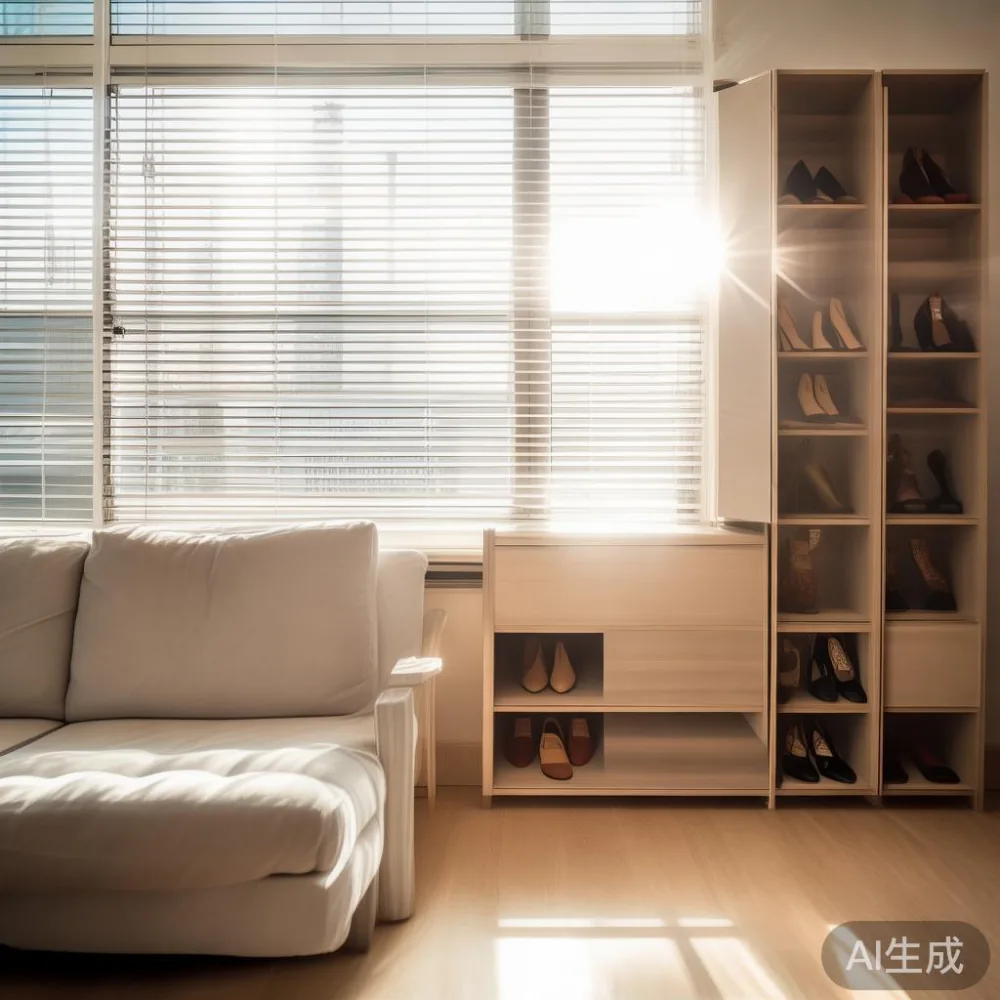
At MIDHILL, the conversation about sizing usually starts with measurements, not finishes. A Foshan workshop that has shipped to 15+ countries since 2008 has seen the same mistake repeated in every market: customers fall for a beautiful unit, ignore the numbers, and end up with a cabinet that blocks the corridor or scrapes the lift door. The goal of this guide is simple — give you the exact dimensions to write down before you click order, plus the styling logic so your new piece complements your solid wood sofa, bed frame, dining table, wardrobe, nightstand, and marble table rather than fighting them.
Why HDB Living Rooms Demand a Different Shoe Cabinet Logic
A Singapore HDB living room is not a landed house entryway. You are usually dealing with three constraints at once: the lift opening at ground level (commonly 1.0–1.1 m wide and 2.1 m tall for newer BTOs), the corridor turn between the lift and your unit door (often a 90-degree corner with 1.2 m clearance), and the entryway "dead zone" right inside your door where you have roughly 90–110 cm of floor depth before the hallway opens up. A shoe cabinet that measures 40 cm deep fits all three; a 45 cm deep unit will not clear the corner in many Punggol and Sengkang blocks I have measured with a tape.
Then there is the collection itself. The average HDB household I have spoken to over the past two years owns 18–35 pairs of shoes, including work shoes, gym trainers, house slippers, and weekend sandals. A two-tier cabinet holds roughly 6–8 pairs; a three-tier holds 9–14; a four-tier holds 15–20. If your count sits at the high end, a slim four-tier cabinet around 120 cm tall is usually a safer pick than a chunky three-tier that looks impressive in a showroom but underdelivers in storage. MIDHILL's export catalog has been adjusted over the years to match this density, which is why their Singapore-friendly sizing runs from 60 cm wide two-tier units for studio apartments all the way to 180 cm wide sideboard-style cabinets for jumbo flats in Punggol.
What Dimensions Should I Write Down Before Browsing?
Three numbers: the width of your entryway wall, the depth you can spare without blocking the door swing, and the ceiling height at the entry. In a standard 4-room HDB, the practical entryway zone is usually 80–100 cm deep, 90–160 cm wide, and 240–260 cm tall after you account for the door frame. Write these three numbers on a piece of paper and keep them next to your phone while you shop. Anything wider than your wall wastes floor area; anything deeper than 38 cm will start to feel like furniture instead of storage.
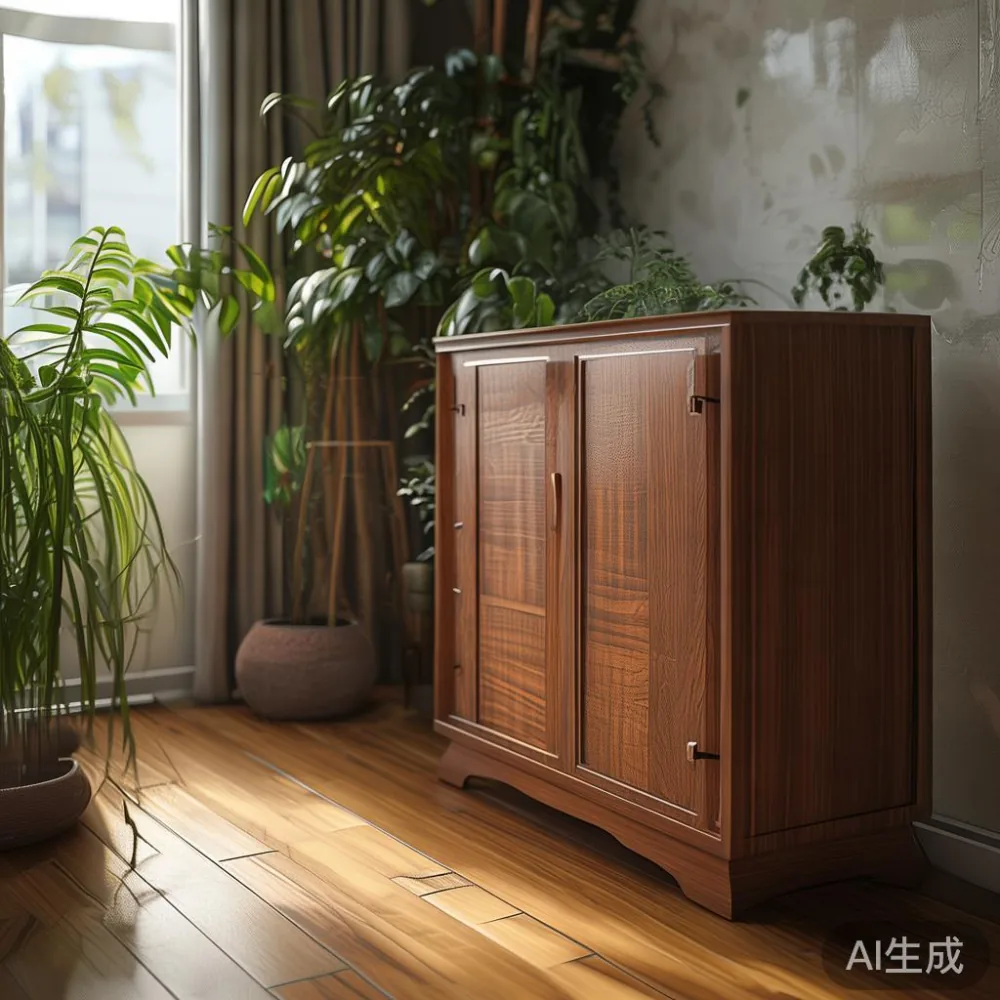
Also measure the lift and the corridor on the day of delivery if you live above the 7th floor. A 120 cm x 40 cm x 110 cm cabinet in flat-pack form usually fits a standard lift, but the same cabinet fully assembled can exceed 130 cm on its longest diagonal and refuse to turn the corner. MIDHILL ships most shoe cabinets flat-packed to Singapore specifically to avoid this, and the assembly is designed for two people with a screwdriver and about 45 minutes. Free shipping kicks in over US$350 (roughly SGD 480 at today's rate), and delivery to a Tampines or Bedok address typically takes 18–25 working days from Foshan, including the GST clearance and final-mile white-glove service.
Which Shoe Cabinet Depth and Height Work for a 4-Room HDB?
For a standard 4-room flat in Bedok or Tampines, the most reliable sizing pattern I have recommended over the past three years is 90–110 cm wide, 35–40 cm deep, and 100–120 cm tall. This footprint gives you three or four tiers, fits a single wall section without crowding the door, and leaves enough ceiling clearance for a small round marble table or a console tray above the cabinet. A taller cabinet at 130–150 cm makes sense if you have a 2.6 m ceiling and want a closed storage look; anything above 160 cm tends to dominate the entryway visually and competes with your living room's main piece — usually the solid wood sofa or a statement coffee table.
For a 5-room premium flat in Punggol or a condo around the 100 sqm mark, you can stretch to 140–180 cm wide and consider a sideboard-style cabinet with two drawers for keys, umbrellas, and reusable bags. Pair that with an American nightstand for condo consistency in the bedroom, and the wood tone match across your entryway, living room, and bedroom suddenly makes the apartment feel like a designed space rather than a series of furniture deliveries.
How Do I Choose a Minimalist Furniture for a Entryway?
Pick a shoe cabinet under 40 cm deep, in a single wood tone that matches at least one other piece in your living room, with no visible handles and a fluted or smooth slab front — that single sentence is the rule I give every friend who messages me photos of their entryway at midnight. Minimalist does not mean empty; it means every line, handle, and proportion is intentional. A clean-front cabinet in ash, walnut, or white oak reads as quiet, while a heavily carved or brass-handled unit reads as traditional even if the dimensions are slim.
Pair the cabinet with a flush wall, a single runner rug (around 60 x 180 cm works in most HDBs), and one piece of art or a mirror above. Skip the open shelves, skip the mixed metals, and skip anything labelled "industrial" unless your living room already commits to that direction. MIDHILL's light-luxury positioning — what they call French light luxury and American light luxury in their catalogs — leans into restrained proportions, soft-close hinges, and solid wood construction rather than surface ornament, which is why a single piece from the line can carry an entryway without help.
How Wide Should My Shoe Cabinet Be if I Sit Next to a Sofa?
Keep at least 12 cm of breathing room on either side, and never let the cabinet exceed two-thirds of the sofa's length. A 180 cm three-seater solid wood sofa usually pairs with a shoe cabinet in the 80–120 cm range; a 220 cm four-seater can take a cabinet up to 150 cm without looking crowded. This rule keeps the entryway zone feeling like an entryway instead of a storage annex of the living room.
If your sofa sits at a 90-degree angle to the entryway wall, drop the cabinet width by another 10–15 cm to preserve the diagonal sightline from the front door. I tested this in Priya's Tampines flat last month — a 120 cm cabinet looked balanced against her 200 cm sofa, but a 160 cm unit from the same line swallowed the corner and made the corridor feel 20 cm narrower than it was. The wider piece is the right pick for a different layout, but not hers.
What Capacity Do I Actually Need for an HDB Household?
Count every pair you and your household actually wear in a normal week, then add 20% for seasonal rotation and guests. A couple with two working adults and one school-age child in a 4-room flat usually lands between 25 and 40 pairs — that means a four-tier cabinet at minimum, or a three-tier plus a slim under-stair drawer if your HDB has a void above the staircase. A single-person household in a 2-room flexi flat can usually get away with a two-tier cabinet around 60–80 cm wide.
Do not forget non-shoe items: umbrellas, reusable bags, helmets, and delivery packages all need a home. This is where a cabinet with a top drawer or an open top shelf earns its keep. MIDHILL's four-tier sideboard-style cabinets include a 12 cm deep top drawer exactly for this reason, and the same line includes matching bedroom pieces — bed frame, wardrobe, and nightstand — so the entryway, living room, and bedroom can share one wood tone across an entire flat.
Will the Cabinet Survive Singapore's Humidity?
Solid wood will move in Singapore's 80%+ humidity, and a cheap MDF cabinet will swell at the edges within a year. The honest answer is to pick solid wood construction with kiln-dried timber and a proper lacquer finish, and to run a dehumidifier in the entryway during the December–February wet season. A well-built solid wood cabinet from a maker with a 10-year structural warranty will outlast three MDF replacements from a generic e-commerce listing.
MIDHILL's 10-year structural warranty covers frame integrity and joinery, and their lifetime refinishing service means a scratch or a water ring from a wet umbrella does not end the cabinet's life — you can send it back to the Foshan workshop for a full sand-and-restore. That kind of after-sales support is rare in the SGD 600–1,500 price band where most HDB-appropriate shoe cabinets sit, and it is the kind of detail that matters more than a flashy product photo three years after delivery.
What About Delivery, GST, and Returns to Singapore?
BUDGET three things: the cabinet price, the 9% GST on the landed value, and a small tip reserve for the delivery crew. A solid wood four-tier cabinet around 110 cm tall typically lands between SGD 680 and SGD 1,200 landed, depending on the wood species and finish. Shipping to a Singapore address is free above US$350 (about SGD 480), 18–25 working days from order to doorstep, and includes white-glove delivery to your unit for pieces over a certain weight threshold. Smaller cabinets under 25 kg can be delivered to your door without the white-glove upgrade.
Returns are accepted within 14 days for unused pieces in original packaging, which gives you a window to check the finish, the dimensions, and the joinery before committing. I always tell customers in Tampines and Bedok to measure twice on the day of arrival, push the cabinet into its final position empty, then assemble — that way, if the footprint is wrong, the box is still sealed and the return is clean.
A Quick Sizing Checklist Before You Click Order
Confirm three widths, two depths, and one ceiling height. Width: cabinet narrower than the available wall, with 12 cm clearance on each side. Depth: 35–40 cm maximum for HDB corridors and lifts. Ceiling: at least 15 cm above the tallest cabinet dimension for air circulation in Singapore's humidity. If all three check out, the cabinet will fit the day it arrives, and you will not be the next person messaging me a photo of a jammed corridor.
Finally, match the wood tone to one anchor piece in your living room — your solid wood sofa, your marble table, or your dining table — and let the entryway cabinet become a quiet echo of that material. The result feels curated rather than accumulated, and that is the difference between a HDB flat and a home.