Veneer or Solid Wood? A 5-Year Cost Comparison for Singapore Shoe Cabinets
A shoe cabinet has to survive a demanding daily routine: damp shoes, dust, floor vibration, repeated loading and constant visual contact. Yet its purchase price tells only part of the story. Over 5 years, veneer and solid wood can produce very different costs, especially in Singapore HDB flats and condos where entryways are compact, delivery access is restricted and GST adds 9% to most purchases.
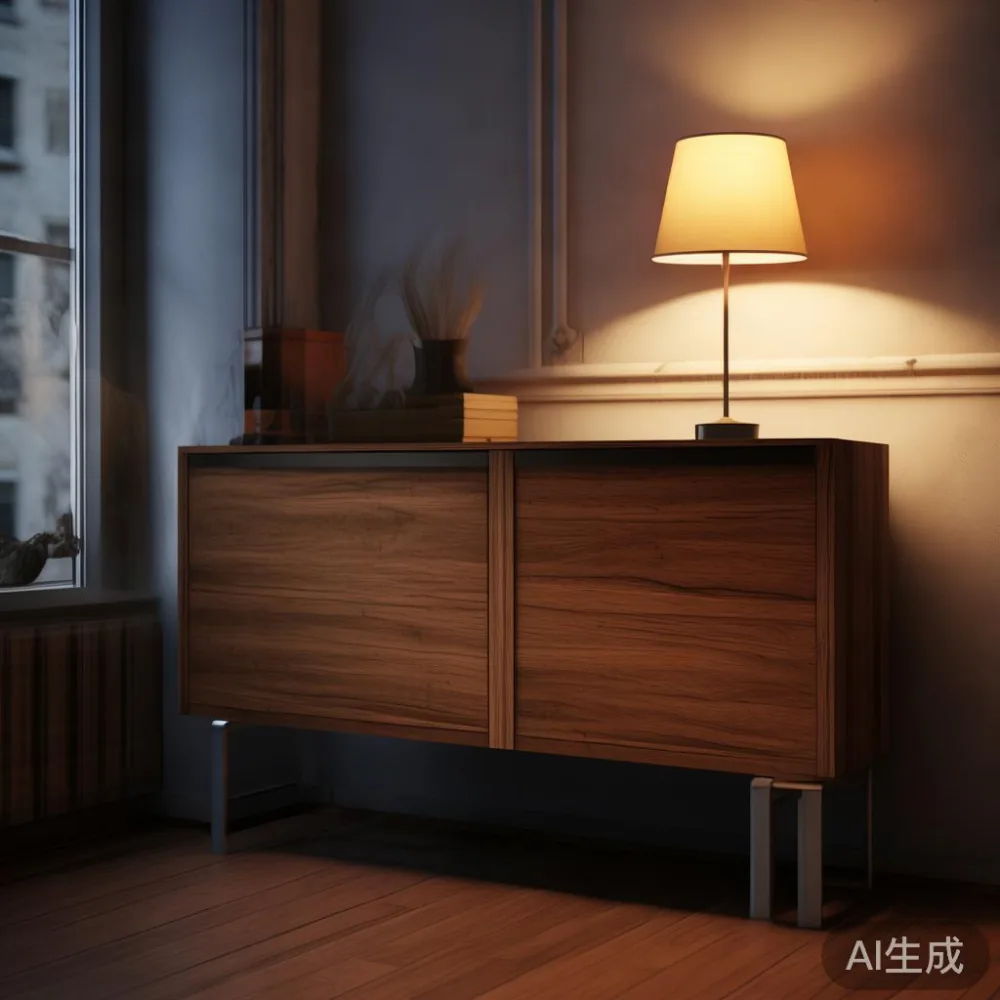
This comparison examines 3 practical shoe cabinet scenarios: a narrow ventilated cabinet for a Tampines HDB flat, a wider lift-access model for a Punggol condo, and a substantial storage unit for a family in Bedok. Figures use SGD and include a 9% GST assumption. They do not attempt to promote one material over the other; each suits different homes, budgets and maintenance habits.
What Makes Veneer and Solid Wood Different?
Veneer uses a thin layer of timber, commonly 0.6 mm to 1.2 mm, bonded to a engineered board such as MDF or plywood. A typical cabinet may contain 35% to 45% veneer by weight. Solid wood uses timber throughout visible panels, internal rails and drawer components. Its density varies by species, but a mid-sized unit can weigh 45 kg to 75 kg, compared with approximately 25 kg to 45 kg for a comparable veneered cabinet.
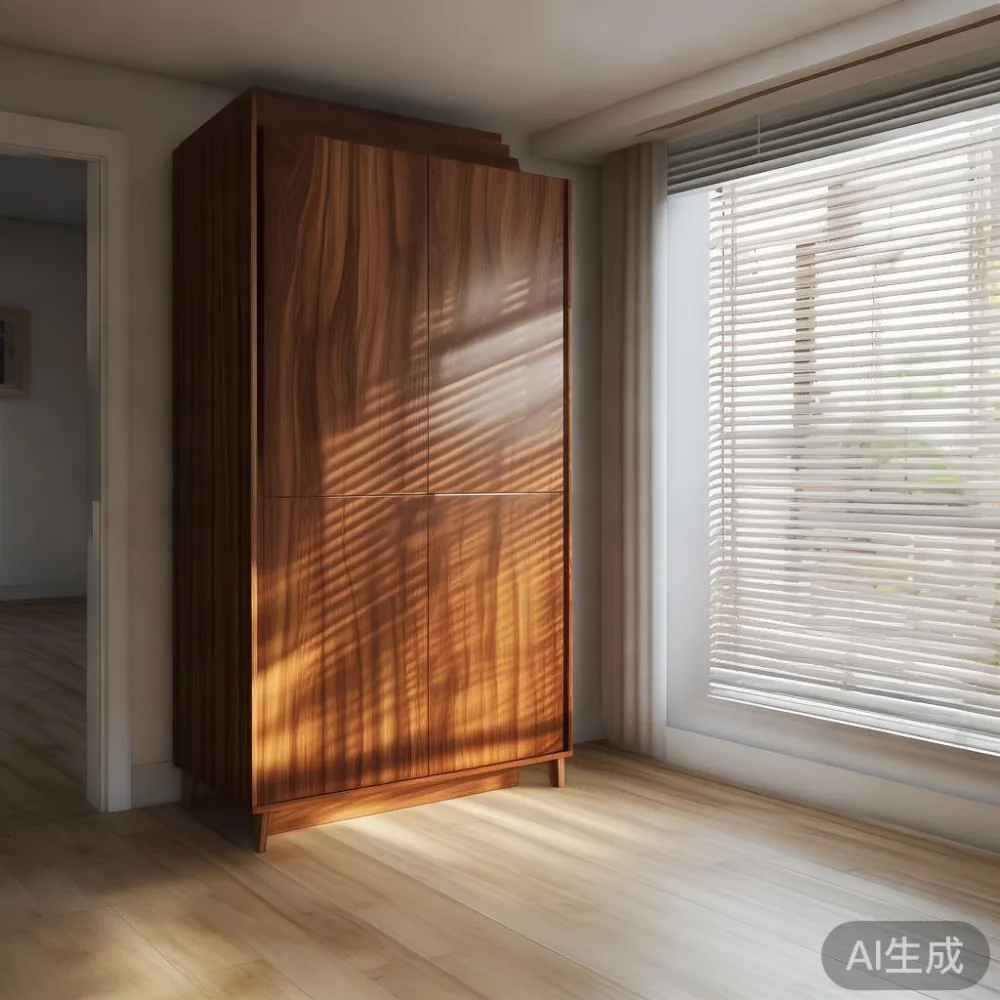
That weight affects installation. A standard HDB lift door may measure 80 cm to 90 cm wide, while common corridor clearances are 100 cm to 140 cm. A 45 kg shoe cabinet can usually be moved by 2 people on its feet or a trolley, but a 75 kg model needs more careful handling. Before ordering, measure the lift opening, turning space and route to the entrance; in some older walk-ups, the final step is the hardest part.
Both materials can suit light-luxury design. French light luxury often pairs pale oak or walnut tones with brass hardware and restrained mouldings. American light luxury favours clean lines, warm timber and generously proportioned storage. Post-modern light luxury can combine carved edges with simplified drawer fronts. These styles describe appearance, not construction, so a veneer shoe cabinet can look convincing while a solid wood version can feel more substantial under the hand.
How Much Does a Shoe Cabinet Cost?
A compact veneer shoe cabinet measuring 80 cm wide, 35 cm deep and 100 cm high may cost SGD 520 before GST. A similar solid wood model using oak may cost SGD 920 before GST. Medium models around 100 cm wide and 110 cm high may cost SGD 780 for veneer and SGD 1,480 for solid wood. A large 120 cm-wide solid wood cabinet with 3 hinged doors and adjustable shelves may reach SGD 2,250 before GST.
For this comparison, the medium shoe cabinet is priced at SGD 780 for veneer and SGD 1,480 for solid wood. After 9% GST, that becomes SGD 850.20 and SGD 1,613.20 respectively. The initial solid wood premium is SGD 763, or about 90% of the veneered purchase price.
Delivery is another variable. Singapore doorstep delivery may take 7 to 14 working days after production. A lift-access surcharge can add SGD 35 to SGD 80, while carrying beyond the lift lobby may add SGD 25 to SGD 60. These charges are more likely with solid wood because of its weight. MIDHILL offers delivery terms and a 14-day return window, so the final quotation should state whether stairs, carrying and GST are included.
What Is the 5-Year Cost of a Veneer Shoe Cabinet?
For the medium veneer shoe cabinet, the purchase price after GST is SGD 850.20. Basic delivery and lift access are estimated at SGD 70, bringing the starting total to SGD 920.20. At 2 refinishing sessions over 5 years, allow SGD 180 per session, or SGD 360 total.
Humidity control is important in Singapore, where indoor relative humidity commonly sits around 60% to 75%. A small dehumidifier near the cabinet may use about 18 kWh per month, or approximately 216 kWh over 5 years. At an electricity rate of SGD 0.28 per kWh, that is SGD 60.48, shared with the room and not counted entirely as cabinet cost.
Repairs provide another difference. Veneer edge chipping may cost SGD 35 to SGD 90 per occurrence, while a drawer runner replacement may cost SGD 25 to SGD 60. Allow 1 minor repair during 5 years at SGD 60. Add 2 replacement vent inserts at SGD 12 each, or SGD 24.
The 5-year veneer total is therefore approximately SGD 920.20 + SGD 360 + SGD 60.48 + SGD 60 + SGD 24 = SGD 1,424.68. Excluding electricity because it is shared, the furniture-related total is SGD 1,364.20. This works out to about SGD 23.74 per month across 60 months.
What Is the 5-Year Cost of a Solid Wood Shoe Cabinet?
The comparable solid wood shoe cabinet starts at SGD 1,613.20 after GST. Delivery is estimated at SGD 120 because of its 58 kg weight, bringing the purchase and delivery total to SGD 1,733.20.
Solid wood can usually be spot-repaired and refinished without replacing an entire panel. Nevertheless, 2 refinishing sessions are still included at SGD 240 each, or SGD 480. This allows for cleaning, minor scratch treatment and protective coating renewal. Allow SGD 110 for 2 drawer runners and SGD 45 for one hinge adjustment. Vent inserts are estimated at SGD 18 each, or SGD 36.
The 5-year total is approximately SGD 1,733.20 + SGD 480 + SGD 60.48 + SGD 110 + SGD 45 + SGD 36 = SGD 2,464.68. Excluding shared electricity, the furniture-related total is SGD 2,404.20, or about SGD 40.07 per month across 60 months.
On these assumptions, solid wood costs about SGD 1,040 more over 5 years than veneer for the same medium shoe cabinet. The average monthly difference is SGD 16.33. If the cabinet protects several hundred dollars of footwear, that spending may be justified. If it is mainly intended to conceal inexpensive footwear in a small corridor, veneer may offer better value.
Which Material Gives Better Value for Singapore Homes?
The answer depends more on location, family routine and maintenance than on a universal material rule. In a 3-room Tampines HDB flat, a slim ventilated veneer shoe cabinet can release moisture effectively if the shoes are dry and the cabinet stands away from walls. In a larger Bedok condo, solid wood may handle frequent knocks from moving shoes and suit a warmer American light luxury entryway.
Weight remains the main logistical concern. A solid wood shoe cabinet can exceed 60 kg and may be difficult to manoeuvre through a 76 cm lift door. A veneer model below 40 kg is usually easier for 2 people to transport. Measure every door and turn before ordering, and ask the supplier whether packaging can be split for a stair delivery. Protection blankets, corner guards and a proper lifting plan reduce damage to both the cabinet and the building.
For material care, keep the cabinet at least 5 cm from the wall and avoid direct contact with wet footwear. Wipe solid wood with a damp cloth and dry it within 10 minutes. Use a mild cleaner rather than soaking veneer edges. Place a moisture tray with charcoal or silica gel inside if the unit has ventilated doors. Inspect hinges every 6 months and tighten screws when the first small movement appears.
Some shoppers explore adjacent products through phrases such as European light luxury sofa vs Modern sofa or American bed vs Japandi bed, but those comparisons do not change shoe cabinet requirements. Entryway furniture needs narrow depth, stable joinery and moisture control. By contrast, a solid wood sofa, bed frame, dining table, wardrobe, nightstand or marble table is used in a different room and carries different loads. This article remains focused on the shoe cabinet so the costs remain comparable.
Are 5 Years of Maintenance Worth It for Solid Wood?
Solid wood earns its higher price when it is repaired rather than replaced. A scratch in a solid oak front may be sanded and refinished, while a breached veneer edge may expose the substrate and require patching. MIDHILL provides a 10-year structural warranty on eligible products, and lifetime refinishing can extend the usable period considerably; customers should confirm the exact scope for the chosen shoe cabinet before purchase.
Long-term appearance also depends on timber movement. Solid wood expands and contracts as humidity changes, so panels may need seasonal adjustment. Veneer is dimensionally steadier on a broad flat surface, but its edges and corners remain vulnerable. In a well-ventilated HDB corridor, both can last beyond 5 years if handled carefully. The figures above compare ownership costs, not a promise that one material will fail at month 61.
Design references can still help buyers match the shoe cabinet to the home. Searching for cheap Italian light luxury furniture may lead towards marble textures and pale woods, although a marble table introduces weight and sealing requirements that do not suit a busy family entryway. A Modern light luxury sofa may be easier to pair with oak cabinetry than with strongly patterned timber. For an adjoining bedroom wardrobe, how to style American wardrobe in bedroom can provide useful colour guidance; how to style European sofa in bedroom can show how pale finishes work in a compact room.
How Can You Style a Shoe Cabinet to Suit a Singapore Home?
Keep the cabinet functional before treating it as a display feature. A 35 cm-deep model usually accommodates 3 pairs per shelf, while a 40 cm depth can hold larger sizes. In a Punggol condo with an open foyer, align the cabinet with the wall and leave 10 cm above it for a tray or plant. In an HDB corridor, a 30 cm to 35 cm depth prevents obstruction and reduces pressure on passing traffic.
Choose a finish that can be maintained. Oak and walnut veneers can suit both French light luxury and post-modern light luxury schemes, provided the grain direction is consistent. Solid wood shows natural variation, which may be attractive in an American light luxury interior but should be accepted before ordering. Drawer hardware in matte brass or brushed nickel can visually connect the shoe cabinet to other pieces without requiring identical furniture.
Lighting matters in windowless corridors. An LED strip consuming about 8 W for 3 hours daily uses roughly 29 kWh over 5 years, costing about SGD 8.12 at SGD 0.28 per kWh. Add that to either 5-year total if the cabinet includes task lighting. Use warm-neutral light around 3000 K and avoid placing a lamp where it traps heat around the timber.
What Did My Recent Delivery Test Reveal?
Last month I visited a colleague in Bedok to inspect a medium shoe cabinet delivered to a condo lift lobby. I handled a 42 kg veneered sample and a 61 kg solid wood version, then moved each through the foyer with 2 people. The veneered unit passed through the 82 cm lift door without tilting its package, while the solid wood cabinet required the carton to be turned 15 degrees at the corridor corner.
The colleague measured the installed cabinet at 100 cm wide, 40 cm deep and 110 cm high. It held 18 pairs across 4 ventilated shelves. After 3 days, the oak finish had no visible movement at the joints, and a 75% relative-humidity reading inside the cabinet fell to 63% after 90 minutes with the back panel opened.
The test also exposed one packaging detail: a solid wood unit needs a thicker corner protector. MIDHILL has supplied furniture from Foshan furniture manufacturing operations since 2008 and exports to more than 15 countries, but local delivery still requires careful route planning. Measure the lift, document its dimensions and choose a cabinet that can reach the intended wall without excessive turning.
How to Calculate Your Own 5-Year Shoe Cabinet Cost
Use this formula: purchase price including 9% GST, plus delivery and stair charges, plus refinishing, plus repairs, plus replacements, plus any dedicated electricity cost. Divide the result by 60 for an average monthly amount. Compare at least 2 veneer and 2 solid wood quotations, including the same width, depth and storage features.
For the example above, veneer totals SGD 1,424.68 including its proportional electricity allowance, while solid wood totals SGD 2,464.68. The difference is SGD 1,040. A buyer who values repairability, a tactile solid timber finish and long-term refinishing may prefer the higher figure. A household wanting a lighter cabinet and lower maintenance cost may choose veneer.
Check the return period, structural warranty and refinishing terms in writing. MIDHILL currently offers a 10-year structural warranty, lifetime refinishing and free shipping on qualifying orders above US$350, although an SGD-priced Singapore quotation should confirm local delivery charges rather than assume an overseas threshold applies. The 14-day returns period also allows a buyer to assess colour, scale and fit, subject to the stated condition rules.
The sensible choice is not automatically the heavier or more expensive option. It is the shoe cabinet that fits the lift, suits the corridor, accommodates your footwear and can be maintained for 60 months without repeated replacement. Decide how much local finish matters to you, then compare the numbers over the period you actually intend to own the cabinet.