Solid Wood Cabinets: Understanding Price Influences in Singapore
Solid wood furniture is often sold with a reassuringly simple promise: it is made from timber, so it should last. Price tags tell only part of the story. The board species, moisture control, joinery, hardware, finish, dimensions, and delivery arrangements all affect what a shopper pays. The same applies to a shoe cabinet: two models can look similar in photographs while using very different timber, construction methods, and surface treatments.
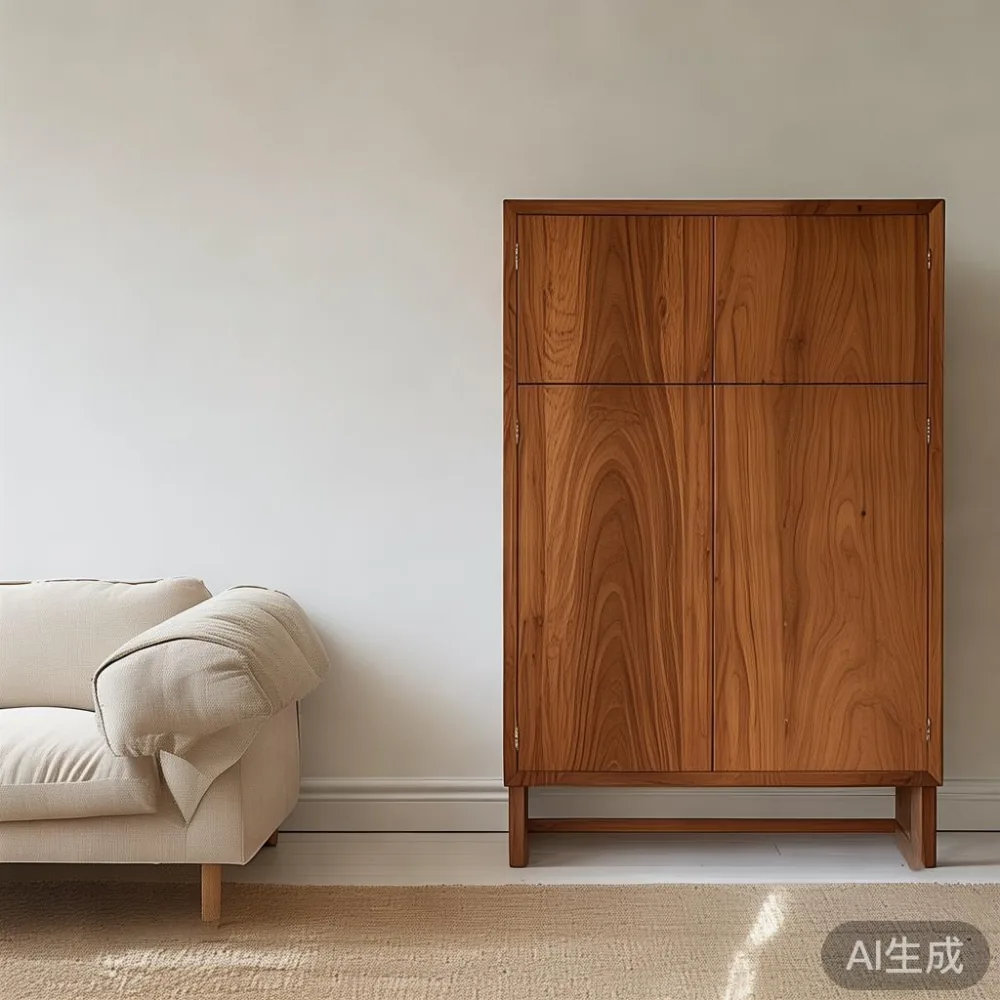
For Singapore households, those differences are practical rather than merely decorative. A shoe cabinet near the entrance must fit the HDB corridor or condo lift, survive humid conditions, and remain usable without blocking a narrow passage. A dining table must suit the dining zone. A solid wood sofa or bed frame must feel right in the room, not merely fit within a generous floor area. MIDHILL was established in 2008 and exports to more than 15 countries, so its pricing reflects manufacturing choices, material controls, and international logistics rather than a single local showroom decision.
What makes solid wood furniture cost more than engineered wood?
The largest cost driver is usually the timber itself, although the retail price also includes much more than board volume. Solid hardwoods such as white oak, walnut, ash, and teak have different availability, drying behaviour, grain patterns, and machining requirements. A 180 cm wide board may contain natural variation, while a large panel needs enough defect-free material to avoid weak joints. Veneer can use a thinner, more uniform layer over a panel substrate, often reducing material costs.
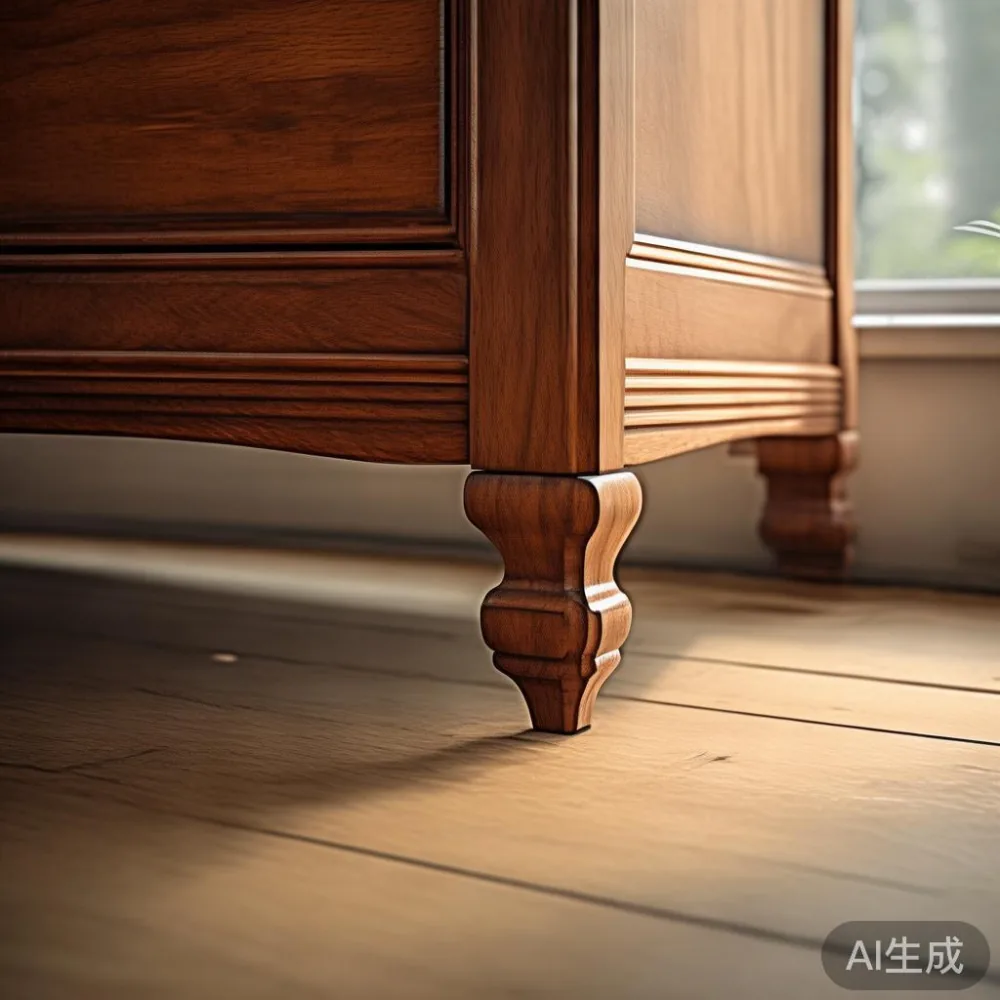
That does not make engineered wood poor. It can provide consistent colour and good dimensional stability. But if a product is described as solid wood, the construction should make clear where solid timber is used. A frame may combine solid legs and rails with plywood or MDF inside a seat, drawer, or back panel. Full-solid construction generally requires more timber preparation, sorting, and labour.
Moisture control is especially significant in Singapore. Relative humidity commonly ranges around 65% to 85% through the year, and an air-conditioned interior can make the surrounding air much drier. Well-dried hardwood is normally taken to roughly 8% to 12% moisture content, depending on the species and production method. Rapid drying can create splits, bowing, or joint movement. A stable moisture process can cost more at the factory, but it protects the finished piece after delivery.
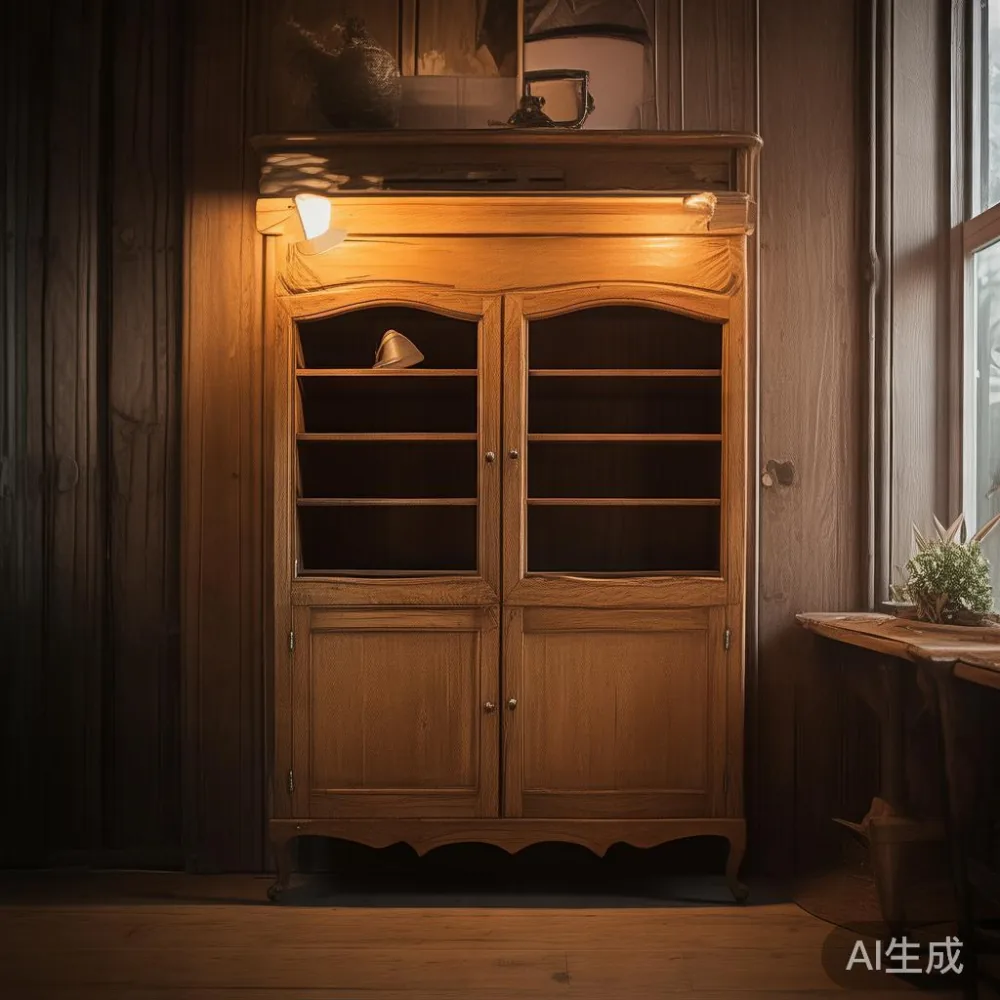
For example, a 120 cm oak shoe cabinet with 4 solid wood shelves may use substantially more timber than a similar-looking unit with 3 shelves. A customer may also pay for adjustable shelf supports, a thicker top, a recessed plinth, or a wider stance. The drawer count matters too: 2 drawers may add about SGD 80 to SGD 180 in hardware and fitting, while 4 drawers with solid wood sides and dovetailed corners can add more.
How much should you pay for a solid wood shoe cabinet?
A practical solid wood shoe cabinet for a Tampines or Bedok home often falls around SGD 450 to SGD 1,800. Entry models using rubberwood, pine, or simpler ash construction can sit below SGD 400. Mid-range hardwood cabinets with thicker boards, better joinery, and more refined finishes commonly range from SGD 600 to SGD 1,200. A tall custom shoe cabinet in walnut or premium oak may reach SGD 1,800 to SGD 3,500, depending on dimensions, internal fittings, and installation requirements.
The dimensions should be checked before comparing prices. A standard HDB corridor might be around 90 cm to 120 cm wide, while the actual clear width at a doorway or lift can be smaller. A cabinet that is 100 cm wide may be difficult to manoeuvre even if it fits the corridor on paper. Consider the lift car dimensions and the turning space at the landing. For a condo, ask the building management about delivery booking, protective floor covering, and the permitted moving window.
Weight matters as well. A 150 cm tall shoe cabinet made from solid oak might weigh 45 kg to 75 kg, while a large engineered-board model could weigh only 25 kg to 40 kg. Two staff members and a dolly may be needed for a heavier unit. Some deliveries include carry-in to the door; others include room placement or installation. Those service inclusions can explain a price difference of SGD 60 to SGD 250, so compare the full delivered package rather than the catalogue price alone.
For Singapore shoppers, GST is normally shown as a 9% charge on taxable supplies. A SGD 980 item adds SGD 88.20 in GST, bringing the payable amount to SGD 1,068.20. The higher figure is not a hidden markup; it is the tax treatment applied at checkout.
Is joinery or hardware worth paying for?
Yes, if the piece is expected to remain in use for many years. The joints carry loads and resist the repeated opening, closing, and repositioning that occurs in daily use. Dovetails, mortise-and-tenon joints, and properly fitted dowels generally demand more setup than simple screws inserted into pre-drilled holes. They also make repair more practical: a damaged component may be replaced without discarding the entire cabinet.
Hardware can be surprisingly expensive in a furniture item that looks timber-led. A quality concealed hinge may cost SGD 18 to SGD 45 per unit. Soft-close drawer hardware can range from SGD 25 to SGD 90 per set. Solid brass handles may add SGD 40 to SGD 160 to a shoe cabinet, compared with SGD 8 to SGD 30 for painted zinc-alloy handles. A designer lock, mirrored door, leather pull, or brass divider may increase the total again.
These features should solve a visible problem. A soft-close drawer prevents slamming in a compact HDB entry area. A lock may be useful where shoes and personal items are stored in a shared household. Adjustable shelves suit children or residents with different shoe sizes. A marble table, by contrast, uses a different cost structure: the surface slab, edge profile, weight, base material, and transport protection all contribute to the price.
Ask whether the solid wood sofa, bed frame, dining table, wardrobe, or nightstand includes the hardware described. “Solid wood” does not automatically mean solid wood drawer boxes, mortise-and-tenon construction, premium hinges, or a factory-applied finish. Clear specifications prevent paying for assumptions.
Does the finish explain a large price difference?
Often, yes. Raw timber may appear inexpensive, but finishing adds several labour steps. The surface must be cleaned, sanded, filled where required, stained or shaded, sealed, and sometimes coated with additional layers. Fine sanding matters because trapped dust can create a rough, orange-peel texture. A smooth, even finish makes the wood grain legible and gives the piece a more deliberate appearance.
Options such as natural oil, water-based matte lacquer, and low-sheen polyurethane behave differently. A matte oil creates a tactile, natural look but may need periodic care. Lacquer provides stronger protection against stains and is easier to wipe, yet its appearance can look more uniform and less rustic. A high-gloss finish may require more preparation because reflections reveal unevenness.
For the French light luxury style, warm cream, muted taupe, soft beige, and restrained natural oak tones often work better than strong orange stains. French provincial for guest room styling is also compatible with a light oak shoe cabinet placed near an entrance, especially when the cabinet has shaped details, slim brass pulls, or a softly curved top. The exact finish can add about SGD 80 to SGD 500 to a typical cabinet, depending on the number of coats and hand preparation involved.
Quality control affects the final result. Checking for colour variation, scratches, glue marks, and finish consistency takes time. A cabinet with two doors may be matched by hand, which explains why a non-standard finish can cost more. It is sensible to inspect the delivered piece in daylight and report visible defects according to the supplier’s process.
Are designer credentials and factory scale reflected in the price?
Some prices support design development, prototyping, quality assurance, and skilled assembly. Others include showroom rent, distributor margins, advertising, or costly small-order production. Brand reputation can affect demand, but the useful question is what the money buys in this specific piece.
Last month I visited a furniture workshop with a colleague and watched how a shoe cabinet moved through production. One otherwise acceptable cabinet had uneven gaps around its drawers. The panels had been cut accurately, but a change in humidity had affected the boards after machining. The factory team returned the cabinet to the sanding stage, adjusted the components, and spent about 40 extra minutes refining it before assembly. That additional care is not dramatic on camera, but it is exactly what separates a smooth drawer from one that catches on clothing.
MIDHILL’s 10-year structural warranty is more concrete than a general promise of quality because it defines the expected period for structural issues. Its lifetime refinishing service also changes how buyers may think about long-term ownership, although eligibility and the scope of refinishing should be confirmed in writing. The company has exported to more than 15 countries since 2008, giving it experience with different climates and delivery conditions.
Scale does not automatically guarantee a lower retail price, but it can spread fixed costs across production. It can also support more stable tolerances and repeated production methods. A factory-direct purchase may avoid some intermediary costs, though import duties, local logistics, GST, and after-sales support remain relevant to a Singapore buyer.
Which style choices create the biggest price jumps?
Style becomes expensive when it demands bespoke proportions, complex curves, matched veneers, decorative inlays, or labour-intensive finishing. Post-modern light luxury often uses clean lines with a few sculptural details. A shoe cabinet in that style might have a softened rectangular profile, fluted front panels, rounded corners, and a floating appearance. Each feature adds machining or finishing time.
American light luxury leans toward generous proportions, deep comfort, and warm upholstery in seating products. A European sofa vs Mid-century modern sofa comparison can shift the price because a broad, deep European sofa may require more foam, heavier frames, larger fabric quantities, and more complex stitching. A tapered-leg design may use less material in some components but demand accurate joinery and repeated shaping.
For the bed category, an American bed worth it assessment should focus on the frame, slat spacing, centre support, and warranty. A solid wood bed frame may cost SGD 700 to SGD 2,500, with premium walnut or oak versions reaching SGD 3,000 or more. If “is American bed worth it” was your first thought, compare the structural specifications and delivered dimensions rather than relying on a country label.
Storage terms also need exact definitions. Searching “is Japanese wardrobe worth it” is useful only if you compare carcass material, drawer construction, hanging space, and fittings. A MIDHILL European light luxury wardrobe may combine solid wood frames with carefully selected panels, lacquer finishes, and brass-toned details, but the quotation should specify every material. A 180 cm wardrobe with 2 doors, 6 drawers, hanging rails, and interior lighting may range from SGD 1,500 to SGD 4,500.
For a compact home, under 2000 Post-modern furniture may be a sensible budget discipline. It encourages buyers to prioritise one well-built focal piece—such as a dining table in warm oak—rather than filling the room with mismatched objects. The same principle applies to a shoe cabinet: choose a durable construction and a useful internal arrangement before chasing decorative complexity.
How do shipping, returns, and long-term costs change the real price?
Delivered price is the number to compare. In Singapore, the final cost can include delivery, carry-in, installation, protective packaging, lift reservations, and GST. A loose quotation may omit some of these items. A shoe cabinet weighing 60 kg may need a two-person delivery team and an elevator booking, while a smaller flat-pack unit can move through a 70 cm service entrance more easily.
Ask for the carton dimensions as well as the product dimensions. A 45 cm deep shoe cabinet might arrive in protective packaging measuring 48 cm deep, 92 cm wide, and 196 cm tall. The additional width and height can matter at a lift entrance or corridor turn. Allow roughly 5 to 14 delivery days for ready-stock items, but allow 3 to 8 weeks for made-to-measure furniture or a special finish. Custom production should not be compared with immediate stock on price alone.
MIDHILL offers free shipping on orders above US$350, but Singapore buyers should confirm how international thresholds, currency conversion, duties, and local delivery are handled before checkout. The 14-day return policy provides another point of comparison, provided the item is unused, complete, and in suitable condition. Measure the return route too, because a large cabinet may need to return through the same narrow lift.
Long-term cost is often overlooked. A cheaper shoe cabinet with particleboard backs, zinc-alloy hinges, and a thin laminate surface may need replacement sooner. A more expensive solid wood shoe cabinet with stable joinery, replaceable fittings, and a refinishable surface can remain useful for 10 years or longer. Maintenance still matters: wipe damp shoes away, keep the unit away from direct sunlight, check wall restraints, and avoid standing water.
What should a Singapore buyer compare before paying?
Start with a written specification. For a shoe cabinet, request the board species, thickness, dimensions, drawer and shelf construction, hardware, finish, internal capacity, weight, carton size, and warranty. Then compare the delivered total in SGD, including GST and any lift or assembly charges.
Next, consider the room. A solid wood dining table should allow about 90 cm of circulation space around it where possible, with 60 cm as a tighter compromise. A bed frame needs space to open drawers and side tables. A nightstand should align with the mattress height. A wardrobe door needs a clear opening arc. For the shoe cabinet, place it where shoes are removed without narrowing the main route from the lift to the front door.
Look for evidence in the construction details: close-fitting drawers, clean edges, consistent joints, properly seated hardware, smooth transitions, and finishes that do not collect dust. Solid wood should be identified by component, especially in a wardrobe or shoe cabinet that may combine solid timber and manufactured panels.
The honest price of solid wood furniture is therefore not a number pulled from a category average. It is the combined cost of well-sourced timber, controlled drying, accurate machining, durable joinery, suitable hardware, careful finishing, packaging, delivery, and dependable after-sales support. In Singapore, that total matters more than an impressive but vague description. Choose the specifications that serve the room, confirm the fit in centimetres, inspect the delivered piece, and the price becomes easier to judge.