Shoe Cabinet: Understanding Furniture Warranties in Singapore
Buying a shoe cabinet for a Singapore home can look simple: compare the finish, check the dimensions, and place the order. The harder task is reading the warranty correctly. A 10-year structural warranty may sound reassuring, yet it can exclude shoe cabinets with a veneer face, fitted interiors, lift hinges, or damage caused by humidity. Installation, movement, cleaning, and claims deadlines are often just as important as the headline number.
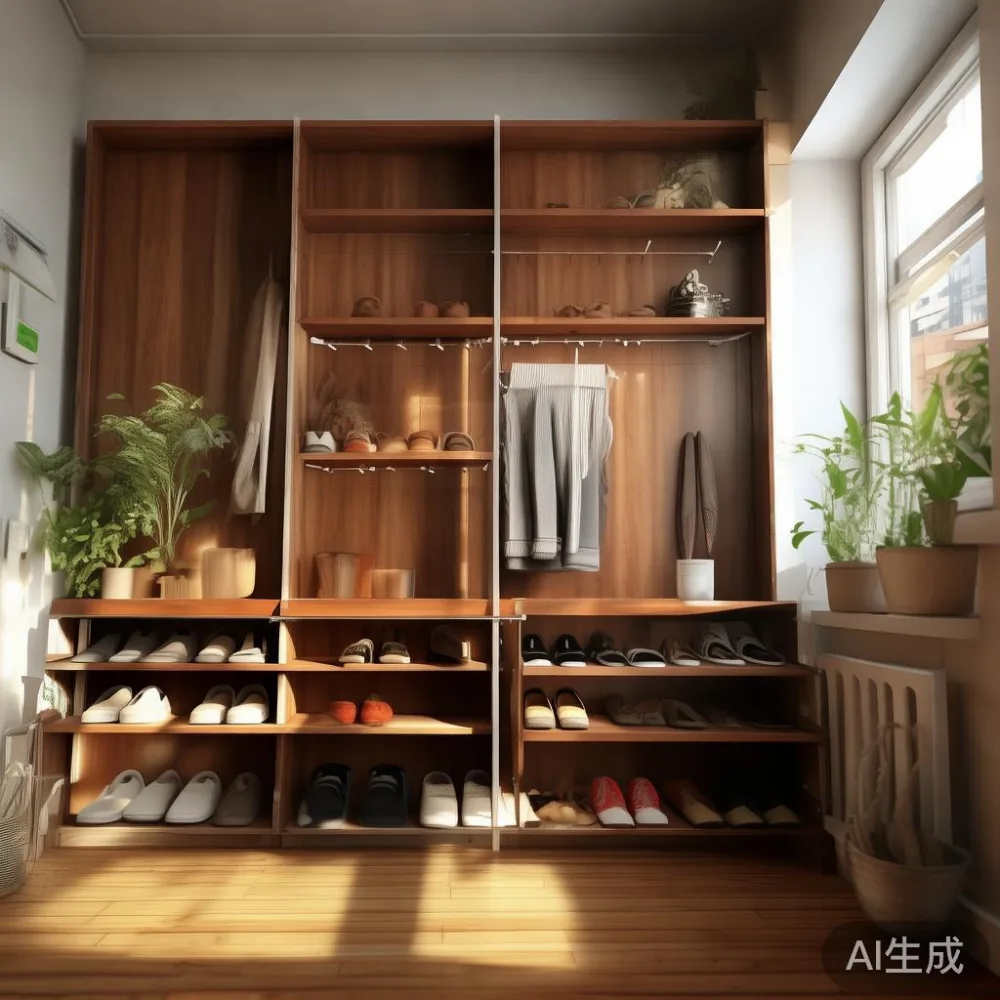
This guide explains the warranty language that shoppers should check when buying a shoe cabinet in Tampines, Bedok, Punggol, or a Singapore condo. It also covers the practical details that affect delivery and installation, including lift access, corridor turns, floor protection, GST, and proof of purchase. MIDHILL offers a 10-year structural warranty and lifetime refinishing for its eligible solid wood furniture, but shoppers should still confirm what the terms mean for the specific model, finish, and components.
What does a 10-year structural warranty actually cover?
Start with the definition of “structural.” For a solid wood shoe cabinet, this usually refers to the load-bearing carcass, joints, and frame failing under normal use. It does not necessarily cover every visible surface or moving part. A scratch on the side panel, a swollen base, a cracked adjustable shelf support, and a faulty drawer runner may all be treated differently.
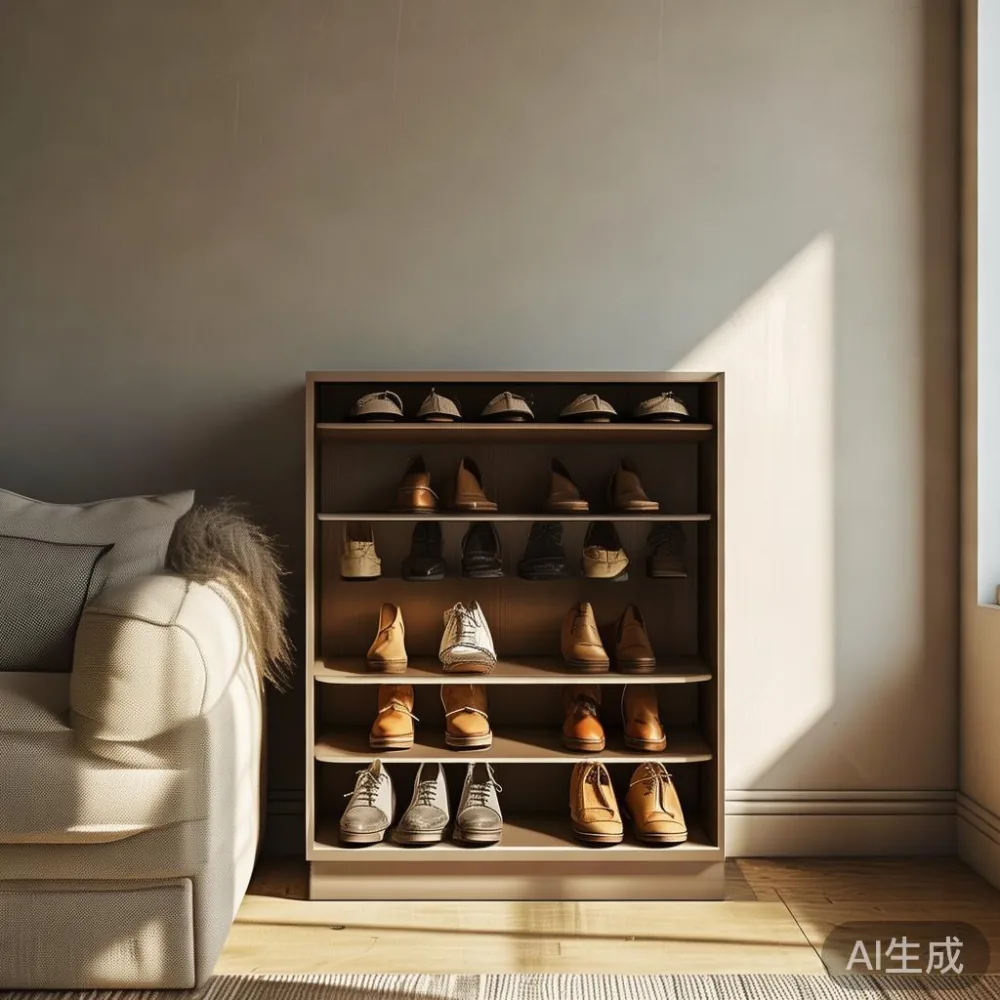
Ask for a written list. A useful answer identifies the timber, such as oak, ash, or rubberwood; explains whether the back panel and drawer boxes are solid wood, plywood, or another material; and names the parts covered for 10 years. Confirm whether the warranty applies only to manufacturing defects or also includes defects in materials and workmanship.
Check exclusions next. Common issues include commercial use, outdoor installation, direct rain exposure, unauthorised alterations, damage from overloaded shoes, and wear from cleaning with unsuitable chemicals. A shoe cabinet beside a damp entrance can also be affected by a poorly ventilated unit or a leaking pipe. No manufacturer should approve neglect, but the warranty should distinguish moisture damage from an original joinery defect.
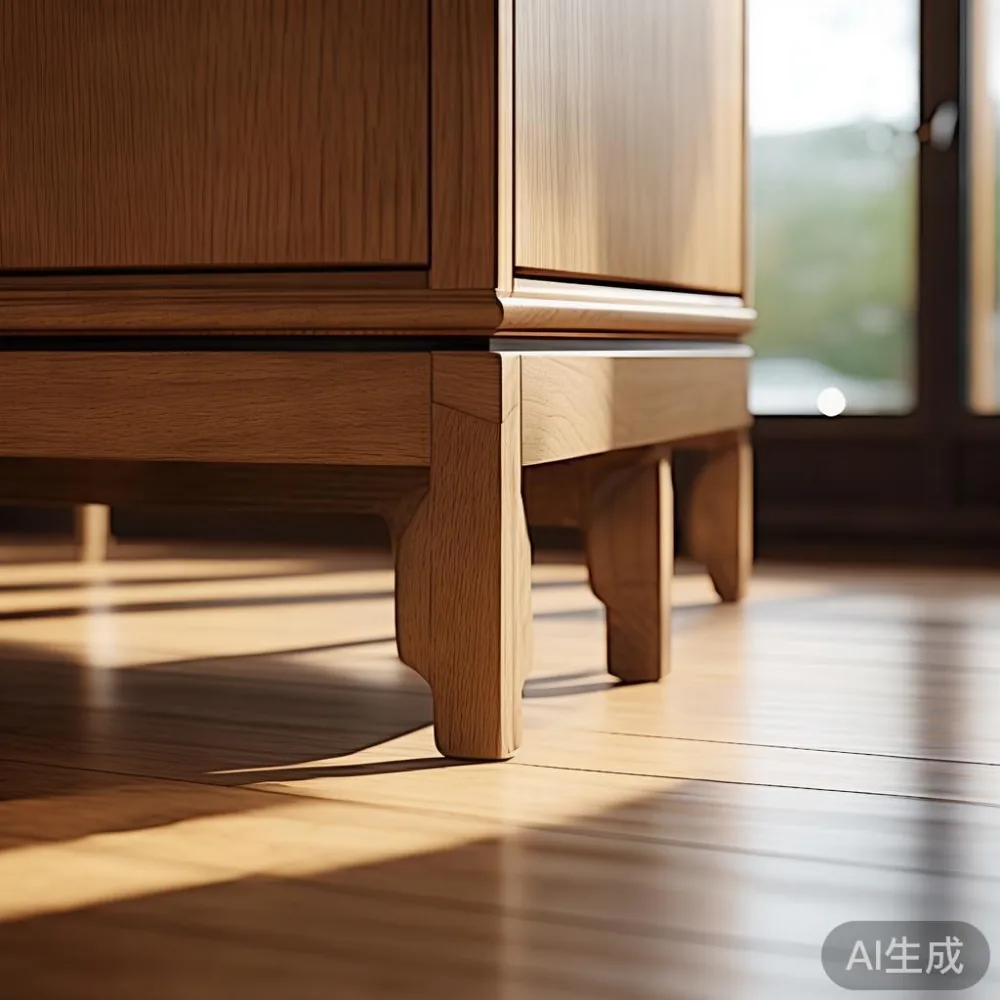
Ten years is 120 months, not a vague promise. The period should begin on the documented purchase or delivery date. Ask whether there is a separate warranty on hinges, locks, drawer runners, and electrical lighting. Some suppliers provide 1 year for hardware, 2 years for mechanisms, and longer periods for certain solid wood components.
The best Italian light luxury bed for 2026 is not only a question of appearance, but a question of how long the frame warranty lasts and which components are included. The same discipline applies to a solid wood sofa, bed frame, dining table, wardrobe, nightstand, marble table, and shoe cabinet: the headline duration matters less than the written scope.
What should I ask before paying for a shoe cabinet?
Request the full warranty document and the product specification before payment. The specification should show the size, internal shelf spacing, shelf load, number of drawers, material breakdown, finish, and assembly requirements. A model measuring 180 cm wide, 35 cm deep, and 200 cm high needs more thought than a smaller unit if the lift lobby or corridor is narrow.
For footwear storage, measure what will actually go inside. Tall boots need at least 45 cm of usable vertical clearance, while a pair of dress shoes requires roughly 30 cm for shelf space. If the shoe cabinet has sliding doors, check the clearance needed to operate them. Drawer-style cabinets need space in front for the drawer to extend fully, often about 45 cm.
Ask whether the cabinet is flat-pack, partly assembled, or delivered fully assembled. Flat-pack packaging may reduce lift pressure but require more work at home. A assembled shoe cabinet may enter a lift more easily if it is narrow, but it can be heavy and awkward to turn. Also ask whether delivery includes carrying to the door, unpacking, room placement, assembly, and removal of packaging.
Confirm whether GST is included. If the listed price is SGD 1,290 before GST, a 9% GST adds SGD 116.10, making the payable total SGD 1,406.10. A sales representative should be able to state the final payable amount without relying on a website calculator that may exclude installation or delivery.
How do I check delivery, lifts, and corridors in a Singapore home?
Measure before ordering. Record the lift door width, lift depth, lift height, corridor width, and any 90-degree turns. A common HDB lift may have an internal door width around 90 cm and a car depth near 130-140 cm, but building-specific dimensions vary. Condo service lifts and loading bays may impose different limits.
Give the supplier the tightest measurement, not the room measurement. A shoe cabinet measuring 100 cm wide may fit straight into a lift but fail to negotiate a narrow corridor corner when carried vertically. For example, a package 105 cm long may need a diagonal entry, so a lift car measuring 140 cm deep may help. Add protective padding of about 5 cm around the carton.
Ask whether delivery is curbside or room-of-choice, and whether the crew can move the cabinet to the bedroom or living area. A “free” delivery offer may still exclude carrying beyond the lift lobby. Staircases, 20 cm thresholds, parking fees, and extra handling should be priced before the order is confirmed.
Delivery timing should also be written down. A 7-14 day production window followed by 1-3 days for local dispatch gives a possible total of 8-17 days, though made-to-order pieces can take longer. Singapore homes often need the cabinet earlier for renovation handover, so request a target date and ask what happens if the promised date is missed.
Check the return window as well. A stated 14-day return period should clarify whether it begins on order date, delivery date, or the date the customer confirms receipt. Also establish the condition required for return, restocking charges, and who pays the return transport. A custom shoe cabinet with a special finish may be excluded or handled differently.
Which finishes and moving parts deserve separate attention?
A solid wood finish can change dimension slightly as timber responds to humidity. Singapore’s outdoor relative humidity often ranges around 65-85%, while air-conditioned interiors may sit near 50-60%. Quality pieces should be finished with suitable coatings and designed to allow controlled movement. Ask what finish is used and how often it should be renewed.
Lifetime refinishing can be valuable, but it is not the same as free replacement of every part. Find out whether refinishing is available for the specific colour, whether the customer pays transport and labour, and whether the original hardware and glass are included. For example, a light-oak shoe cabinet with 4 drawers and 2 doors should have a clear answer on chipped lacquer, water marks, filled grain, and replacement door panels.
Modern light luxury for bedroom often combines pale oak, warm neutral tones, restrained hardware, and tactile stone surfaces. A shoe cabinet with a marble top may need different care from an all-timber unit. Marble is durable against ordinary scratching but can react to acids, oils, and impact. Confirm whether a marble table or marble-topped shoe cabinet is covered against cracking, chipping, and staining.
Moving parts need their own terms. Soft-close hinges, drawer runners, locks, and LED fittings may carry shorter periods than the frame. Ask for the expected service life, replacement cost, and whether the supplier can supply parts after the warranty ends. A useful document identifies the hinge brand and runner size, for example a 35 mm soft-close hinge or 45 cm full-extension runner.
How does a French light luxury shoe cabinet differ in warranty practice?
French light luxury often draws on pale timber, fine grain, refined proportions, and carefully detailed joinery. American light luxury tends toward broader silhouettes, durable performance finishes, and practical comfort. Post-modern light luxury may use stronger geometry, mixed materials, and deliberate asymmetry. These styles can change the materials, hardware, and construction demands of a shoe cabinet.
That means the visual description alone cannot tell you what is covered. French-inspired cabinetry with fluted glass, timber frames, and brass-toned handles may contain parts sourced from different specialists. American-inspired pieces may use more engineered panels behind a timber or performance finish. Post-modern units may combine solid wood with metal, glass, or marble.
Ask the seller to identify the material behind every visible surface. A 2 cm solid oak top does not guarantee that the drawer sides, back panel, and shelves are also solid oak. If a shoe cabinet is described as “solid wood,” request a material map. If it is not entirely solid wood, that should be clear before payment rather than during a claim.
Style names also affect expectations. Searching for cheap European light luxury furniture may lead to low-cost pieces with limited documentation, while a query for for sale Italian light luxury furniture may produce imported collections whose local service arrangements are unclear. The country or style label should never replace a product-level warranty.
What should a practical claims process look like?
The process should have clear stages: report, evidence, assessment, remedy, and timeline. A Singapore customer should be able to submit an invoice, order number, photographs, and a short description through email, WhatsApp, or a support form. Ask for an initial response target such as 3 business days and an assessment target such as 10 business days.
Photographs should show the whole shoe cabinet and close-ups of the defect. Include a ruler beside a 10 cm crack, a note about when the problem appeared, and evidence of the installation environment. Do not disassemble a structural part or apply an unauthorised repair, because that can affect the claim.
Clarify the remedy. It may include repair, replacement, refund, refinishing, or parts replacement. Ask whether the supplier offers advance replacement for qualifying defects and how long a refund takes after approval. If a replacement shoe cabinet must be returned, who supplies the return transport?
For Singapore disputes, check what the terms say about mediation, dispute resolution, and governing law. A manufacturer may work first to resolve the matter directly, but the customer should still know how to escalate a disagreement.
What did I notice when inspecting a solid wood shoe cabinet?
Last month I visited a colleague’s new Bishan condo and watched the delivery of a solid wood shoe cabinet. The carton measured 112 cm by 42 cm by 118 cm and weighed about 46 kg. The service lift opening was 100 cm wide and 210 cm high, so the team measured the carton before turning it into the corridor. The tightest corner was 98 cm wide, and a 5 cm protective layer brought the effective width to 107 cm. The crew tilted the cabinet carefully and completed the move without touching the walls.
After unpacking, I checked the rear panel, drawer boxes, adjustable feet, and hinge screws with a 3 m tape measure. The carcass was 180 cm wide, 35 cm deep, and 198 cm high. The upper shelf had 42 cm of clear space for boots, and each of the 6 lower shelves was rated for 15 kg. The moving drawers had 45 cm of extension.
The useful detail was not only the 10-year structural warranty. The supplier’s document separately covered the solid wood frame and joinery for 10 years, drawer runners and hinges for 2 years, and surface refinishing. It also explained the moisture-care guidance and the 14-day return condition. That clarity would have mattered if the unit had been installed beside a wet washing area.
My colleague also compared material choices in a broader shopping session. The Japanese bed vs Nordic bed comparison showed that Japanese designs often emphasise low profiles, compact planning, and restrained storage, while Nordic styles commonly feature visible timber, softer lines, and practical forms. A search for the best Italian light luxury wardrobe for 2026 similarly led to questions about frame construction, hardware warranties, and service support. The shoe cabinet was judged by the same written details.
How can I compare a Singapore furniture warranty fairly?
Use a one-page checklist with at least 10 points: warranty duration, covered components, excluded components, proof required, claim channel, response time, remedy, delivery scope, return terms, and after-sales contact. Compare two or three shoe cabinets rather than relying on a single headline promise.
Price the full ownership picture. A shoe cabinet at SGD 1,190 before GST becomes SGD 1,297.10 with 9% GST. If delivery is SGD 80 and installation is SGD 60, the total is SGD 1,437.10. Add a possible 10-year refinishing fee or a replacement runner costing SGD 45, and the lifetime cost becomes clearer.
Look for local accountability. Foshan furniture manufacturing can provide strong craftsmanship and direct factory pricing, but the buyer should still confirm the supplier’s local fulfilment process, spare-parts access, and claims handling. MIDHILL’s stated 10-year structural warranty, lifetime refinishing, 14-day returns, and free shipping above US$350 can be assessed against the actual Singapore order terms, especially GST, delivery days, and customisation limits.
Finally, read for consistency. The product page, quotation, invoice, and warranty document should agree on dimensions, finish, delivery scope, and duration. If the product page says 10 years but the invoice only says “warranty available,” request the missing document. Clear records are the strongest protection against being caught out.